By Life & Culture Desk Published: October 1, 2026 Updated: October 2, 2026
“I feel like I lost a battle, but in the end, I know a great deal was accomplished.”
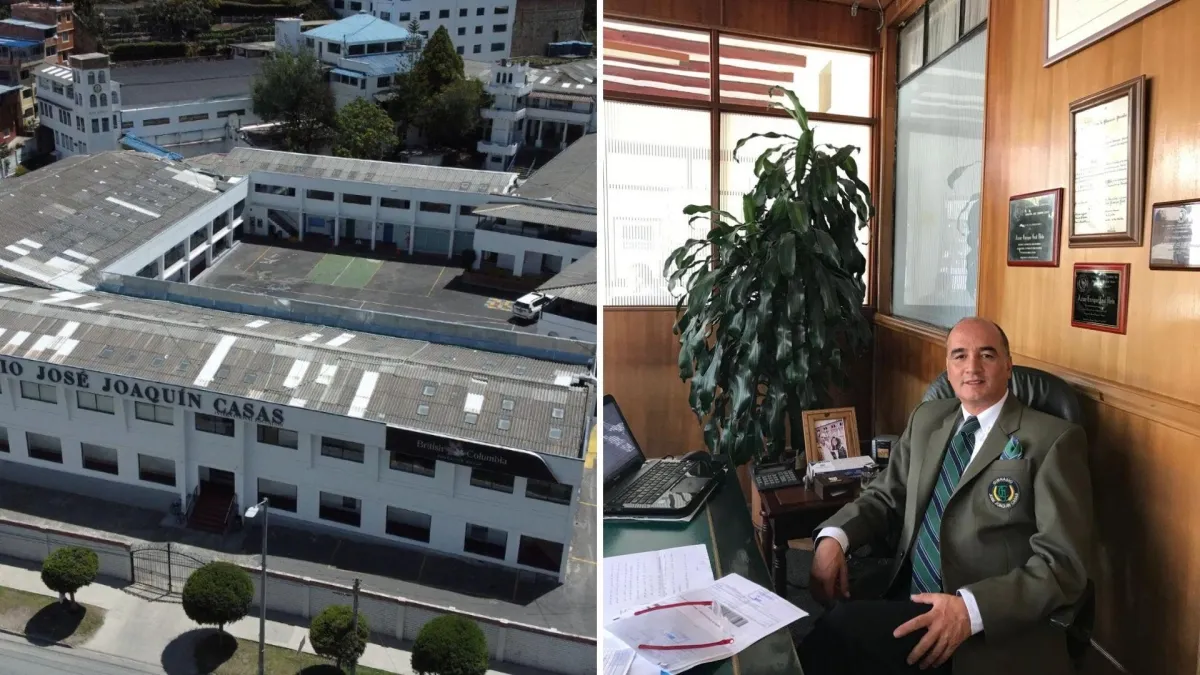
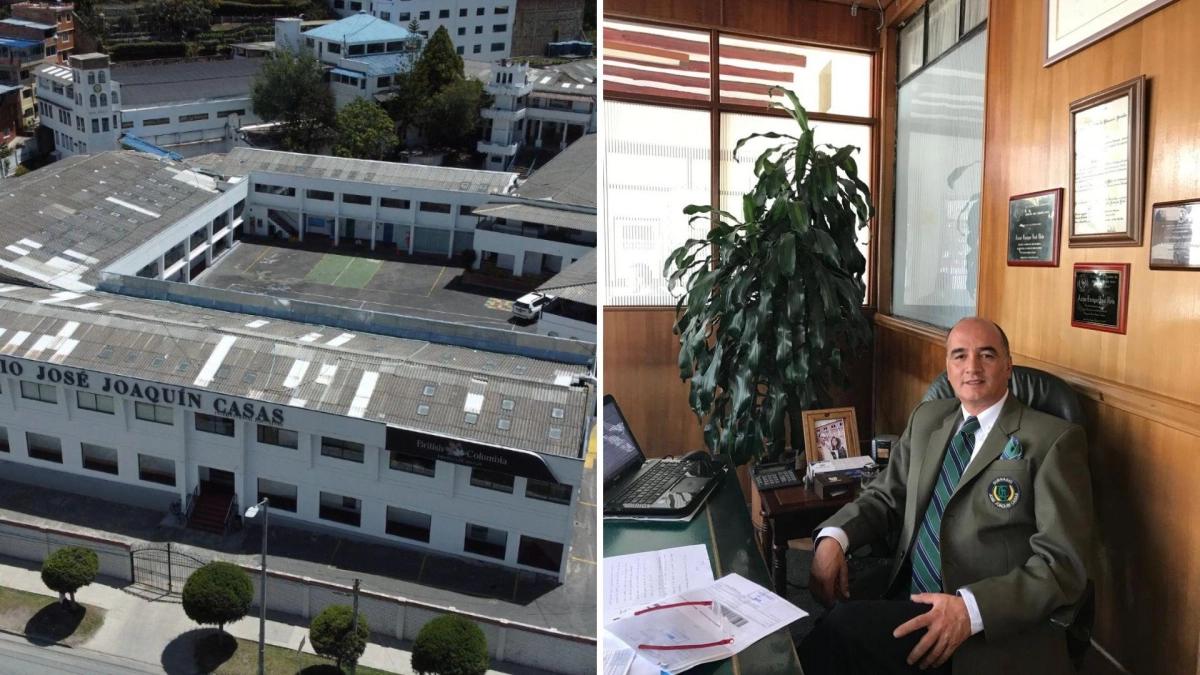
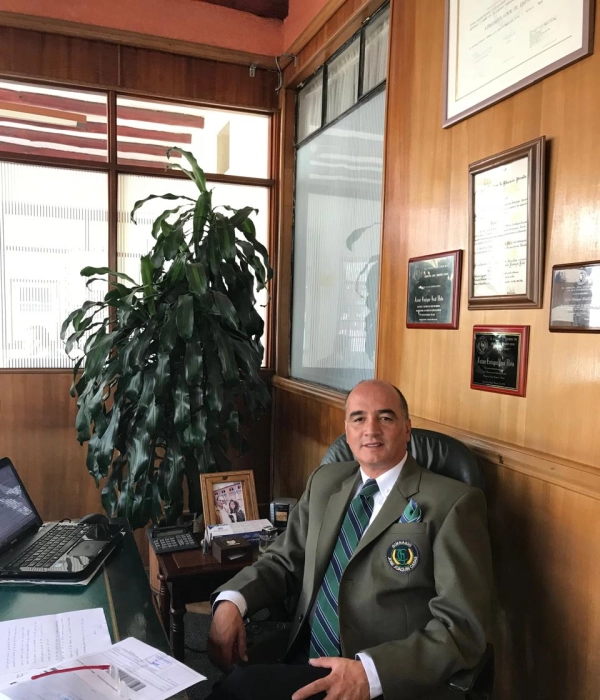
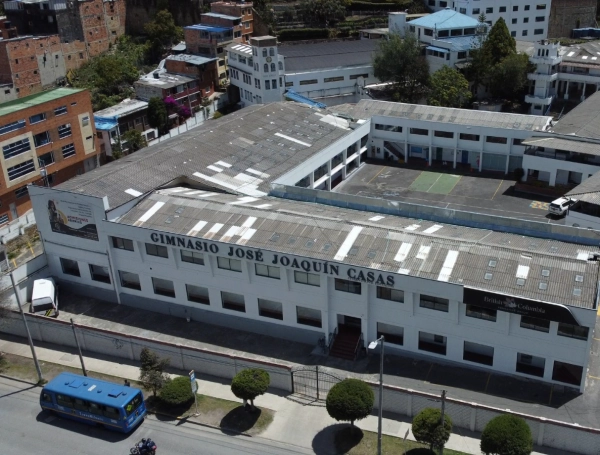
These are the poignant words of Jaime Leal Melo, the owner and general director of the Gimnasio José Joaquín Casas. Founded in 1959 by his father, Jaime Leal González—a visionary educator who previously shaped minds at prestigious institutions like the Cervantes and Nuevo Liceo—this iconic Bogotá school is preparing to close its doors permanently. In December, it will graduate its final generation of students, drawing a definitive curtain on a 67-year legacy of personalized education in the Colombian capital.
Leal Melo makes no attempt to hide his sorrow, yet his reflections are grounded in an unyielding economic and demographic reality. The primary catalyst behind the closure is not a sudden scandal or a failure of pedagogy, but rather a profound modern crisis: a severe and sustained shortage of school-aged children.
In an exclusive, wide-ranging interview with EL TIEMPO, Leal Melo opens up about the painful decision to shutter the institution, the shifting tides of modern demographics, the legacy left behind by generations of alumni, and what the future holds for the remaining students and dedicated faculty.
Main Facts: The Fall of a Pedagogical Institution
For nearly seven decades, the Gimnasio José Joaquín Casas stood as a pillar of academic distinction in northern Bogotá. Situated in the locality of Usaquén, the institution was built upon a distinct philosophy: small, highly personalized classes designed to mold character rather than mass-produce graduates.
However, changing societal dynamics, lingering post-pandemic shifts in education, and a plummeting birth rate have rendered this traditional model financially unsustainable. Despite deep emotional appeals from alumni worldwide—including one former student from Dubai who reportedly offered a two-million-dollar bailout—Leal Melo insists that financial injections alone cannot reverse a structural demographic shift.
The Final Milestone: The school will officially cease operations on December 5, 2026, following a deeply emotional commencement ceremony for its final graduating class.
Current Enrollment: The school currently houses 198 students, a sharp decline from its historical peak.
Legacy of Leadership: Over 67 years, the institution has educated prominent figures in Colombian public life, politics, and industry, including former minister and political leader Germán Vargas Lleras; Ecopetrol President Joaquín Gutiérrez Caballero; Andesco President Camilo Sánchez; and well-known public figures such as actor Rafael Novoa and Miguel Barón.
Chronology of a Crisis: From Peak Prosperity to Post-Pandemic Decline
To understand the closure of the Gimnasio José Joaquín Casas, one must trace the compounding pressures that eroded its foundation over the last decade.
The Vision of 1959 and the Peak of 1994
The school’s founder, Jaime Leal González, was a civil engineer by training and an educator by calling. Unlike many school founders who sought to expand rapidly and scale operations, Leal González deliberately resisted massification. Though the campus infrastructure was eventually built to accommodate up to 900 students, the founder capped enrollment to preserve a intimate learning environment—typically maintaining just one class per grade, capped at around 20 students.
The institution reached its numerical zenith in 1994, accommodating 420 students. For decades, this equilibrium allowed the school to thrive financially while maintaining close relationships between faculty, students, and families.
The Pandemic Turning Point (2020–2021)
According to Leal Melo, the seeds of the current crisis were deeply sown during the COVID-19 pandemic. As global lockdowns forced education into the digital sphere, parental attitudes toward traditional schooling shifted dramatically. Virtual learning gained traction, and admissions pipelines began to narrow.
The Accumulating Deficit (2021–2026)
In the years following the pandemic, the school faced a compounding math problem. Historically, admissions offset natural attrition—students graduating, families relocating, or economic pressures forcing transfers.
The Admission Collapse: Five to seven years ago, the school routinely processed 70,000 to 100 admissions inquiries annually. By 2026, that number plummeted to roughly 30.
Financial Bleeding: Over the past four to five years, the institution has consistently absorbed net operational losses ranging from 300 to 400 million Colombian pesos annually. Compounding debts from families struggling with employment added further strain, resulting in annual deficits of 80 to 100 million pesos in uncollected tuition.
Supporting Data: The Demographic Squeeze
The closure of the Gimnasio José Joaquín Casas is not an isolated anomaly, but rather the canary in the coal mine for Colombia’s private education sector.
[Admissions Comparison Over Time]
2019-2021: 70 - 100+ inquiries per cycle
2026:      ~30 inquiries per cycle (Approx. 40% overall drop)

[Student Population Trajectory]
1994 Peak: 420 students
Current:   198 students
Capacity:  900 students (Underutilized infrastructure)
Leal Melo points out that broader market consolidation is already underway. He references institutions like the Marymount Campestre merger, which united single-sex schools not merely out of modern pedagogical preference, but as a survival mechanism against dwindling demand.
Furthermore, remote work trends have altered family planning and residential choices. Families increasingly choose to live outside major urban centers—operating from rural properties, other cities, or abroad—fundamentally changing how they evaluate traditional brick-and-mortar schooling.
Simultaneously, operational costs have skyrocketed. Increases in property taxes (impuesto predial) driven by rising land values across the sprawling lots of Usaquén, coupled with mandatory adjustments to the national minimum wage and shifts in teacher labor regulations, created a financial storm that small-scale schools could no longer weather.
Official Responses and Stakeholder Reactions
The Family and Boardroom Decision
Faced with escalating deficits and mounting property assessments across five distinct land lots, Leal Melo brought the financial reality to the family-led board of directors.
"You are trying to maintain a very beautiful, very romantic legacy, but look at the numbers," the board warned him.
The emotional toll of making the decision was immense. Leal Melo recounts receiving desperate calls from alumni across the globe, including the aforementioned offer from a former student in Dubai willing to wire two million dollars to keep the gates open. Yet, Leal Melo remained firm: money could not solve the macro-demographic deficit of school-aged children.
District and Governmental Silence
When asked about the role of local authorities, Leal Melo notes that while the district educational authority (CADEL) was formally notified in compliance with the law, there was no active institutional intervention or safety-net proposal from the local government. In an oversaturated market—especially within the affluent Usaquén locality, which hosts a high concentration of private schools—the state offered no relief for private institutions facing structural obsolescence.
Compassion for the Faculty and Staff
One of Leal Melo’s primary anxieties during the wind-down process was the fate of his employees. While more than 25 competing schools approached the administration primarily to poach the remaining student body, very few inquired about the teachers.
Determined to protect his staff, Leal Melo forged strategic alliances with peer institutions. He personally negotiated with the Australiano Campestre school, urging them to absorb members of his faculty. Similar collaborative dialogues were opened with other esteemed institutions—including the Emilio school and the Santa Francisca Romana—to ensure that not only students, but also teachers and administrative staff, could find viable professional and educational continuities.
Implications: The Future of Urban Private Education
The impending closure of the Gimnasio José Joaquín Casas signals a troubling harbinger for Colombia’s educational landscape.
The Threat to Small Institutions: Mid-sized and boutique schools operating on personalized models are becoming financially unviable. Institutions that once boasted enrollments of over 1,000 students have dwindled to 300 or 400, leaving massive, expensive infrastructures severely underutilized.
Demographic Realities: Macroeconomic studies—including projections by the Central Bank of Colombia (Banco de la República)—confirm that fertility rates are declining nationwide. The shrinking cohort of school-aged children will inevitably pressure not only primary and secondary education, but eventually ripple into higher education and university enrollments.
The Loss of Pedagogical Diversity: As boutique, family-run academies close their doors, parents face a more homogenized educational market dominated by large educational conglomerates, potentially eroding the variety of philosophical and personalized approaches available to families.
A Dignified Farewell
As the clock ticks down to December 5, 2026, the community of the Gimnasio José Joaquín Casas is focusing on a graceful and celebratory exit rather than a bitter dissolution.
Plans are underway to produce an institutional retrospective video, host a farewell cocktail evening, and honor the legacy of educators, administrative staff, and alumni—not just those who achieved public renown, but university deans, local leaders, and quiet contributors who shaped the nation from behind the scenes.
Reflecting on his emotional state, Jaime Leal Melo summarizes his feelings with a mix of grief and profound pride:
"I am very affected. I cannot feel that it was a defeat, because a great deal was done. But I do feel that I lost a battle. And, at the same time, when I see how the school has transcended in so many people, I feel immense pride for what was built."
VATICAN CITY — In a comprehensive and deeply reflective apostolic letter published on Saturday, September 19, 2026, Pope León XIV called upon the episcopate of Latin America to strengthen their bonds with local communities, actively…
Main Facts: The Reality of Colombia’s Educational Performance The recent release of the Programme for International Student Assessment (PISA) 2025 results has sent a wave of profound concern through Colombia’s educational sector and public sphere.…
The landscape of men’s fashion is undergoing a tectonic shift. Recent runways in Paris have signaled more than just seasonal trends; they have unveiled a fundamental transformation in how society perceives, designs, and consumes masculine…