BOGOTÁ, COLOMBIA — In a decisive legal and administrative turning point for the country’s cultural sector, the Ministry of Cultures, Arts, and Knowledges officially declared Julia Cristina Daza Noguera insubsistent (removed from office) as the director of the National Library of Colombia.
The high-profile removal, executed on Friday, November 20, comes directly in the wake of a provisional suspension ordered by the Administrative Tribunal of Cundinamarca. The judicial body intervened following rigorous scrutiny of Daza’s professional background, ultimately determining that the credentials she submitted failed to meet the rigorous baseline standards mandated for leadership at one of the nation’s most historic and vital cultural institutions.
The case has ignited intense public debate, drawing sharp commentary from political figures, cultural managers, and civic leaders across the spectrum. It highlights persistent concerns over meritocracy, institutional transparency, and the governance of Colombia’s premier public heritage organizations.
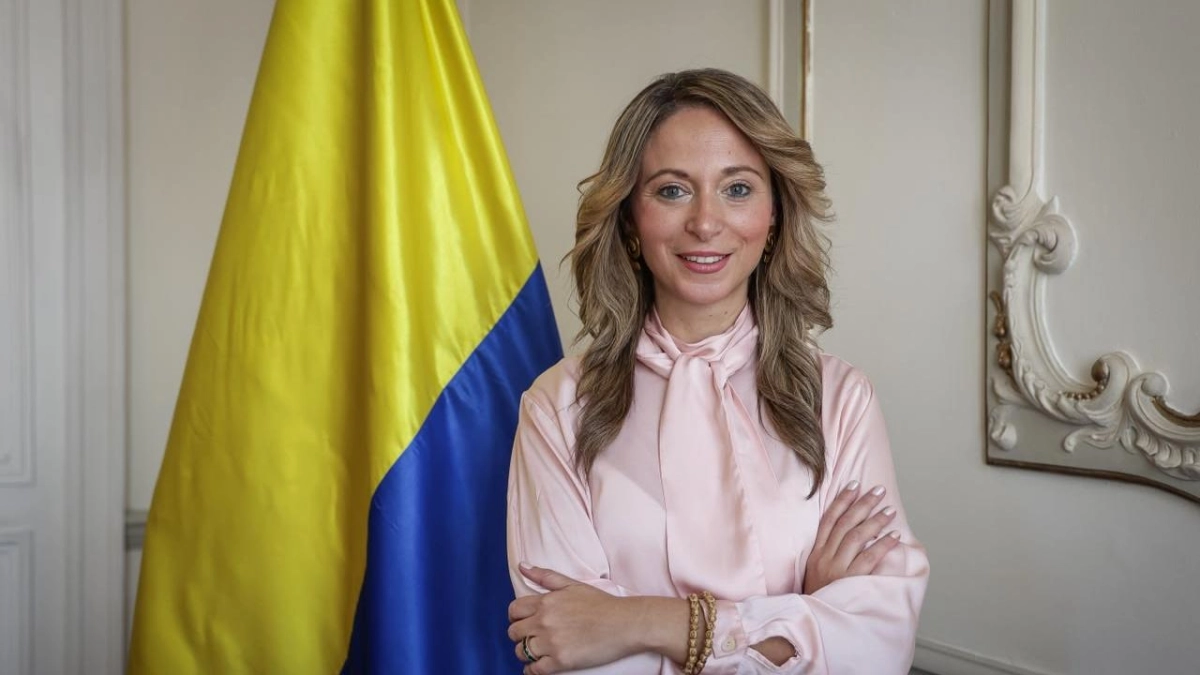
Main Facts
The administrative removal of Julia Cristina Daza Noguera centers on a fundamental dispute regarding public sector qualifications and compliance with legal requirements for high-level government appointments.
According to the rulings issued by the Administrative Tribunal of Cundinamarca, the core issue concerns Daza’s professional credentials. The tribunal’s judicial review concluded that the experience Daza claimed in fields such as communications, public relations, and institutional outreach did not possess a sufficient, direct nexus to the specific administrative, preservationist, and academic functions required of the director of the National Library.
Consequently, the court found that she did not fulfill the minimum legal thresholds mandated by the position’s manual of functions.

Faced with a binding judicial check and a mounting political controversy, Minister of Culture Paola Andrea Holguín Moreno acted swiftly. Rather than drawing out protracted legal battles—a route initially considered by the administration—the ministry invoked its administrative authority to declare Daza insubsistent, effectively terminating her tenure and paving the way for a structural reevaluation of the leadership vacuum at the library.
Chronology of Events
To understand the rapid descent of Daza’s tenure, it is necessary to examine the timeline of decisions, legal challenges, and political pressures that culminated in her dismissal:
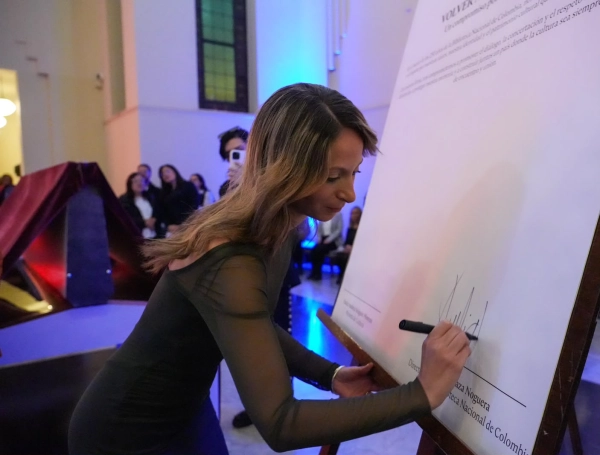
- October 2026 (Appointment): Julia Cristina Daza Noguera formally takes the oath of office as the new director of the National Library of Colombia, participating in an official ceremony presided over by Minister of Culture Paola Holguín.
- Mid-November 2026 (Judicial Intervention): The Administrative Tribunal of Cundinamarca admits a lawsuit challenging the legality of Daza’s appointment. Citing discrepancies in her verified experience, the court issues a provisional suspension, halting her administrative functions while the deeper merits of the case are evaluated.
- November 18, 2026 (Initial Government Defense): Reports emerge that the government intends to appeal the tribunal’s temporary suspension, signaling an initial institutional resistance to the court’s intervention in executive staffing decisions.
- November 20, 2026 (The Insubsistence Declaration): Reversing course under mounting legal and public pressure, Minister Paola Holguín formally declares Daza insubsistent. The decision is publicized as the administration bows to judicial oversight regarding credential compliance.
- Immediate Aftermath: Prominent cultural and political voices react instantly on digital platforms, framing the decision as both a victory for institutional oversight and a prompt for broader reform within other cultural entities.
Supporting Data and Institutional Context
The National Library of Colombia (Biblioteca Nacional de Colombia) is not merely an administrative entity; it is the oldest public library in the Americas, founded in 1777. As the custodian of the nation’s collective memory, rare manuscripts, historical archives, and the legal deposit of all published works in Colombia, its leadership position carries immense symbolic, historical, and technical weight.

Under Colombian civil service and administrative law, direct appointment positions (empleos de libre nombramiento y remoción) still demand strict adherence to prerequisite manuals outlining educational degrees and specialized professional experience. The controversy surrounding Daza’s credentials underscores a broader societal demand: that cultural institutions be shielded from political patronage and led by recognized experts in library science, historical preservation, or cultural heritage management.
The tribunal’s intervention serves as a reminder of the checks and balances inherent in Colombia’s administrative law system, where judicial bodies act as gatekeepers against administrative overreach or the appointment of unqualified personnel to sensitive state posts.
Official Responses and Public Reactions
The removal of the National Library director has elicited diverse and impassioned responses from civil society, cultural authorities, and political opposition groups, amplifying the national significance of the administrative correction.
Cultural and Civic Figures
Among the most prominent voices to weigh in on the development was prominent cultural manager and civic leader María Paz Gaviria. Utilizing her official social media channels, Gaviria did not mince words regarding the ministry’s pivot from resistance to compliance.
"Two days after announcing that it would appeal, Paola Holguín had no other path than to listen to justice and declare Julia Daza insubsistent," Gaviria wrote.
Directly addressing the Minister of Culture, Gaviria expanded her critique to encompass other institutions under the ministry’s umbrella, urging a broader housecleaning:

"Minister, please do the same with the National Museum and desist from the impugnation of the ruling. Culture does not need judicial battles nor battles of any other kind."
Gaviria’s remarks tap into a broader sentiment within Colombia’s established cultural community, which has increasingly demanded professionalized, transparent governance free from ideological friction or credential controversies.
Political Opposition and Governance Advocates
Political reactions also highlighted the friction between the executive branch and oversight bodies. Moisés Nico Daza, a delegate to the National Directorate of the Pacto Histórico, framed the judicial and administrative outcome as a triumph for civic vigilance:

"The democratic, serious, and mobilized opposition achieves its results. Goal!" he declared, framing the administrative correction as a win for institutional accountability enforced through public pressure.
The juxtaposition of these reactions illustrates how technical administrative decisions regarding credentials rapidly morph into broader political barometers concerning the current administration’s management of public heritage.
Implications for the Cultural Sector
The ouster of Julia Cristina Daza Noguera carries profound implications for the Ministry of Culture and the broader institutional landscape of Colombia:

- Stricter Compliance Audits: Human resources and legal departments across all ministries, particularly the portfolio of Culture, Arts, and Knowledges, will likely institute more rigorous pre-appointment vetting processes to prevent embarrassing judicial suspensions in the future.
- Increased Scrutiny on Other Entities: As highlighted by public figures like María Paz Gaviria, the precedent set by the Tribunal of Cundinamarca has emboldened critics to examine leadership structures across other flagship institutions, such as the National Museum of Colombia. The government faces heightened pressure to review appointments where credential validation has been publicly questioned.
- Restoration of Leadership Stability: The National Library requires steady, uninterrupted leadership to manage ongoing digitization projects, heritage preservation efforts, and national reading promotion networks. The swift removal of Daza opens the door for the Ministry to appoint an uncontested, highly qualified expert capable of steering the institution without the shadow of legal disqualification.
- The Role of the Judiciary in Executive Appointments: The episode underscores the vital watchdog role played by administrative tribunals in safeguarding public administration standards. It reaffirms that executive discretion in free-appointment posts is not absolute and remains subordinate to the legal requirements established for each public office.
As the Ministry of Culture prepares to name a successor to lead the National Library, the cultural sector remains watchful, demanding that the next appointment reflect a transparent commitment to merit, professional expertise, and the preservation of Colombia’s invaluable literary and historical heritage.