
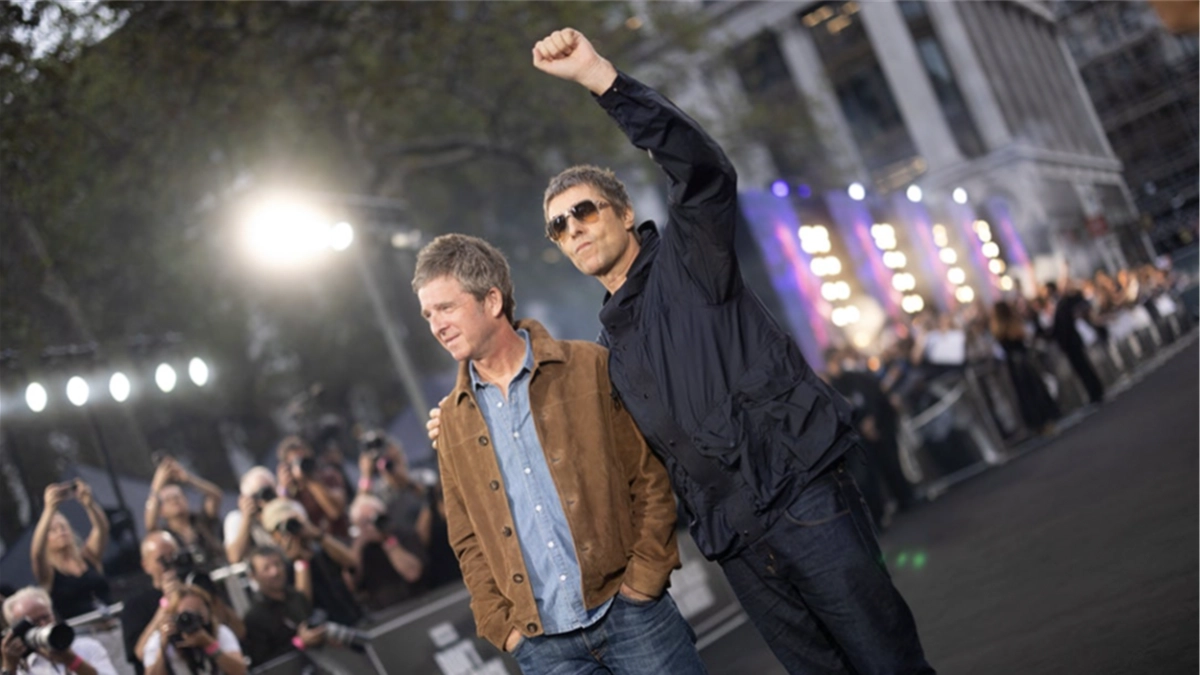
For sixteen years, the silence between Liam and Noel Gallagher was not merely a family dispute; it was a cultural vacuum that defined the landscape of modern rock. When the brothers finally announced their reunion for the Oasis Live ’25 tour, the music world held its collective breath. Skeptics, industry analysts, and long-time fans braced for an inevitable implosion—a stray remark, a missed cue, or a physical altercation that would permanently dismantle the legacy of the band that defined the 1990s.
Instead, something miraculous happened. The reunion proved to be more than a lucrative tour; it became a global symbol of reconciliation. The documentary Don’t Look Back in Anger, which arrives in theaters this August, captures this seismic shift, offering an intimate, visceral look at how the Gallagher brothers bridged the chasm of nearly two decades of silence.
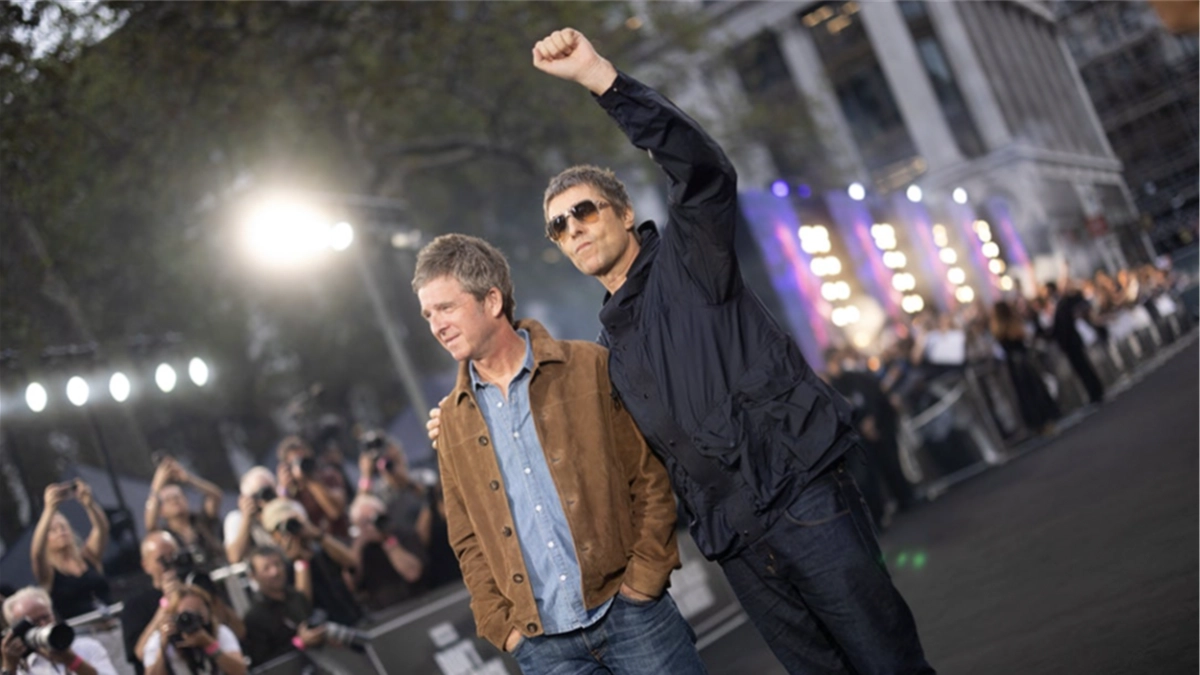
The Anatomy of an Implosion: A Chronology of estrangement
To understand the magnitude of the Live ’25 tour, one must first revisit the disintegration of 2009. The tension had been building for years, a volatile mix of creative friction and deeply rooted sibling rivalry. The breaking point arrived in Paris, at the Rock en Seine festival, where a backstage confrontation resulted in the destruction of one of Noel’s guitars and an immediate, indefinite hiatus.
For the next 16 years, the Gallagher brothers engaged in a public war of attrition. Through Twitter wars, barbed interviews, and separate musical ventures—Liam with Beady Eye and his solo career, and Noel with the High Flying Birds—the brothers lived parallel lives. The fans, meanwhile, were caught in the crossfire, forced to choose sides in a musical civil war.

The turning point, as depicted in the documentary, began with subtle, private gestures. Through the lens of filmmakers Dylan Southern and Will Lovelace, we see the behind-the-scenes reality of their reunion: the tentative rehearsals, the quiet coffee meetings, and the grueling process of shedding the baggage of nearly two decades. The film does not shy away from the awkwardness of the initial meetings; rather, it highlights the vulnerability required to set aside ego for the sake of a shared legacy.
The Cultural Impact: More Than Just Music
Oasis is not just a band; for the city of Manchester and for millions worldwide, they are a fundamental pillar of cultural identity. The documentary masterfully intertwines the band’s return with the personal narratives of their fans. One of the most poignant sequences in the film features a fan who credits the band’s discography with guiding her through a period of severe clinical depression.

The film serves as a reminder that songs like "Wonderwall," "Champagne Supernova," and "Live Forever" are not merely chart-topping hits; they are anthems that have punctuated the defining moments of a generation. The documentary explores how "Don’t Look Back in Anger" became a beacon of hope following the 2017 Manchester Arena bombing, transforming from a song into a communal prayer for resilience. By weaving these fan testimonials into the narrative, the filmmakers elevate the documentary from a standard concert film into a profound exploration of the emotional resonance of music.
The Creative Force Behind the Lens
The vision for Don’t Look Back in Anger was crafted by none other than Steven Knight, the creative force behind Peaky Blinders. Knight’s involvement brings a narrative depth rarely seen in music documentaries. His approach focuses on the "mythos" of the Gallaghers—not as rock gods, but as two men from a working-class background in Manchester who accidentally changed the world.
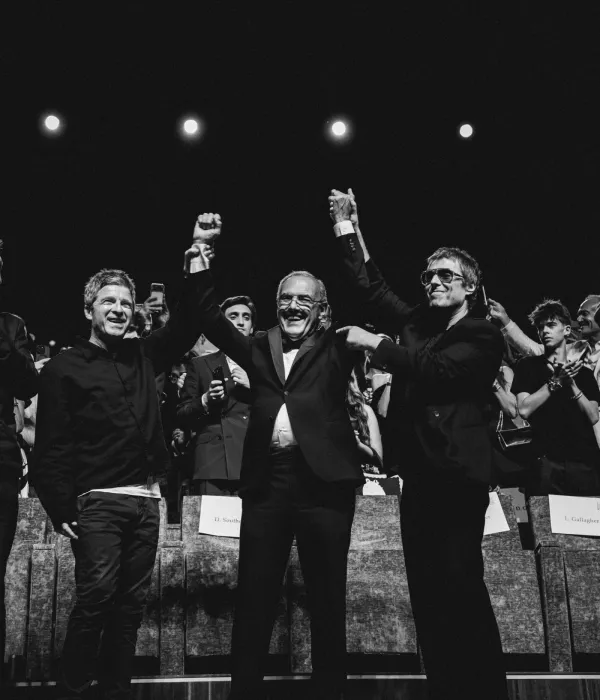
Directed by the acclaimed duo of Dylan Southern and Will Lovelace, the film made its debut at the Venice Film Festival to widespread critical acclaim. The cinematography captures the contrast between the brothers: Liam, ever the defiant rock star in his signature parka, and Noel, the introspective craftsman. The film does not merely document the tour; it documents the human spirit’s capacity to forgive.
Official Perspectives and Behind-the-Scenes Insights
In exclusive interviews featured in the film, the brothers discuss the decision to reunite with surprising candor. Noel Gallagher notes that the passage of time shifted his perspective, stating, "Life is too short to carry the weight of a grudge that has long outlived its purpose." Liam, characteristically blunt, admits that the return to the stage felt like "coming home to a house you thought had burned down, only to find the foundation is still there."

The documentary also provides rare insights into the logistics of the Oasis Live ’25 tour. The scale of the production was unprecedented, requiring months of intense technical preparation. However, the film prioritizes the personal over the technical. We see the brothers navigating the exhaustion of the road, the pressures of high-stakes performances, and the quiet moments of camaraderie that occur when the stadium lights are dimmed.
The Spiritual Dimension of Reconciliation
Perhaps the most striking element of the documentary is its focus on the "spiritual" aspect of the brothers’ reunion. The film suggests that the reconciliation was not merely a professional obligation or a financial maneuver. There is a palpable sense of peace that emerges from the screen, particularly during the candid, unscripted moments of dialogue between the two.

The documentary’s climax—the much-anticipated, and finally delivered, embrace between Liam and Noel—serves as a cathartic release for the audience. It is a moment of raw, unfiltered emotion that validates the years of hope held by millions of fans. This is not just a story about a band getting back together; it is a story about the universal struggle to reconcile with one’s past and the possibility of growth, even after years of resentment.
Implications for the Future
The success of the Oasis Live ’25 tour and the release of Don’t Look Back in Anger raise a significant question: what comes next? While the brothers have been careful not to promise a permanent future, the documentary leaves the door firmly ajar. The film captures a sense of renewed purpose in both Liam and Noel, suggesting that the "Oasis" entity is more stable than it has ever been.

For the music industry, the reunion stands as a blueprint for how legacy acts can return to the stage without succumbing to the trappings of nostalgia. By prioritizing honesty, the film challenges other bands with fractured histories to consider the value of their own reconciliations.
Why You Must See It
If you were never able to witness the magic of an Oasis concert in the 90s, this film is the next best thing. The live footage, captured with state-of-the-art production, allows viewers to experience the visceral energy of a crowd of 80,000 people singing in unison. The audio quality is pristine, ensuring that the legendary hooks of "Little by Little" and "Morning Glory" land with the same impact they did thirty years ago.

Moreover, the documentary is an essential watch for anyone who has ever struggled to mend a broken relationship. It serves as a testament to the fact that while we cannot change the past, we are not required to be its prisoners.
Key Highlights of the Documentary:
- Exclusive Rehearsal Footage: See the raw, unpolished moments before the band took the stage.
- Global Fan Stories: A look at how Oasis has impacted lives in places as diverse as Tokyo, Buenos Aires, and London.
- The Manchester Connection: An exploration of the brothers’ roots and their enduring connection to their hometown and Manchester City FC.
- The Emotional Climax: An intimate, behind-the-scenes look at the moments of reconciliation that defined the tour.
Don’t Look Back in Anger is not just a film for Oasis fans. It is a cinematic achievement that captures a rare, beautiful moment in pop culture history. Whether you are a devotee of the Britpop era or simply a lover of compelling human stories, this documentary is a mandatory addition to your viewing list.

As the film concludes, it leaves the viewer with a sense of closure, but also with a sense of anticipation. The brothers Gallagher have proven that even the deepest rifts can be healed, provided there is the willingness to look forward, rather than back in anger.
Don’t Look Back in Anger opens in Colombian theaters on August 10th. Check your local listings for showtimes and ticket availability.