By Edwin Caicedo
Environment and Health Journalist
Updated: September 7, 2026
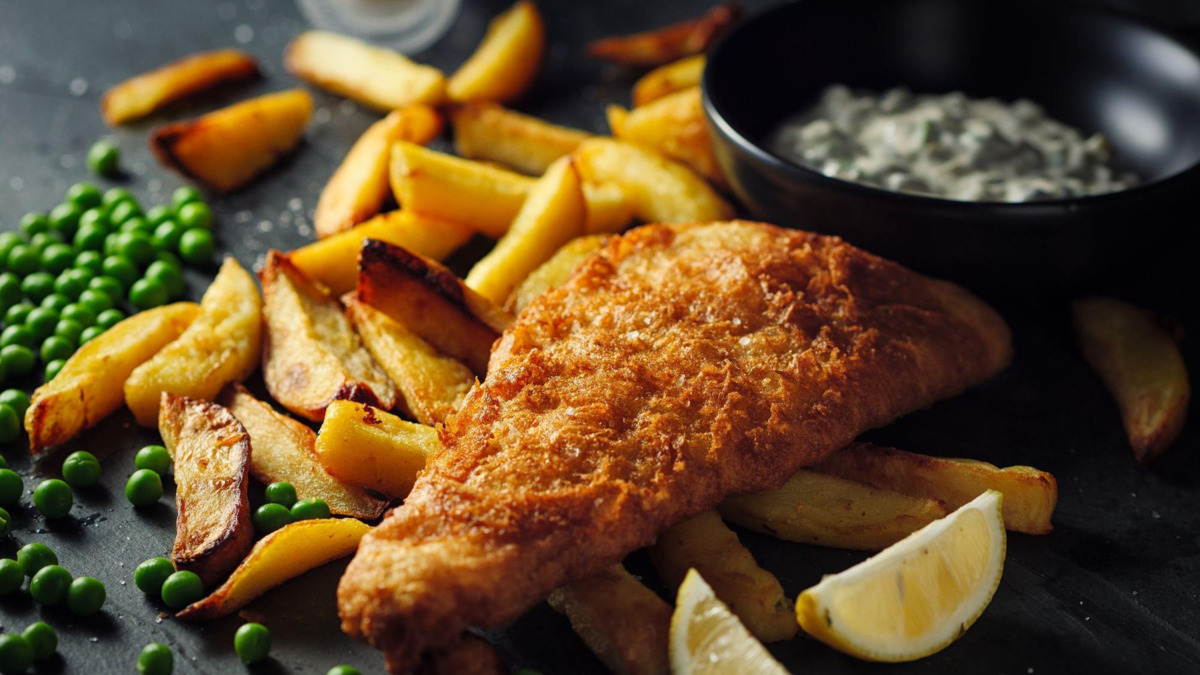
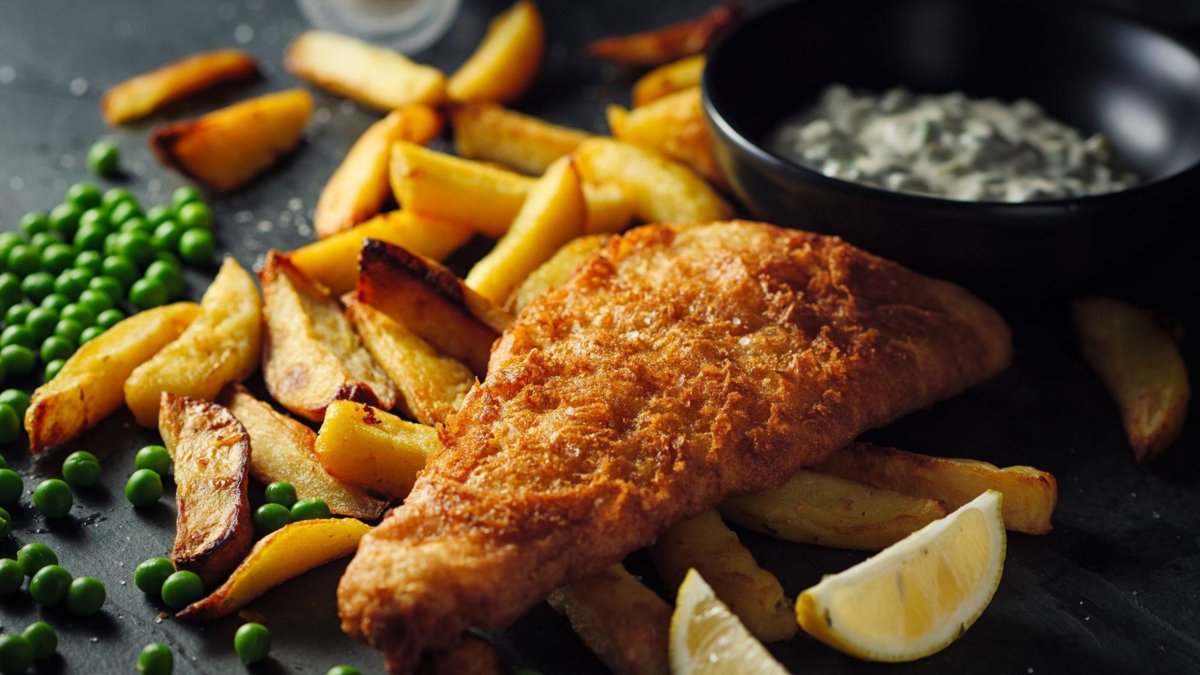
For generations, home cooks and seasoned chefs alike have shared a quiet, unconventional culinary secret: if you want a piece of fried fish or a batch of onion rings featuring a golden, shatteringly crisp crust rather than a heavy, grease-logged coating, the secret weapon isn’t hidden in fancy spices or expensive appliances. It’s sitting right in the refrigerator, waiting to be popped open.
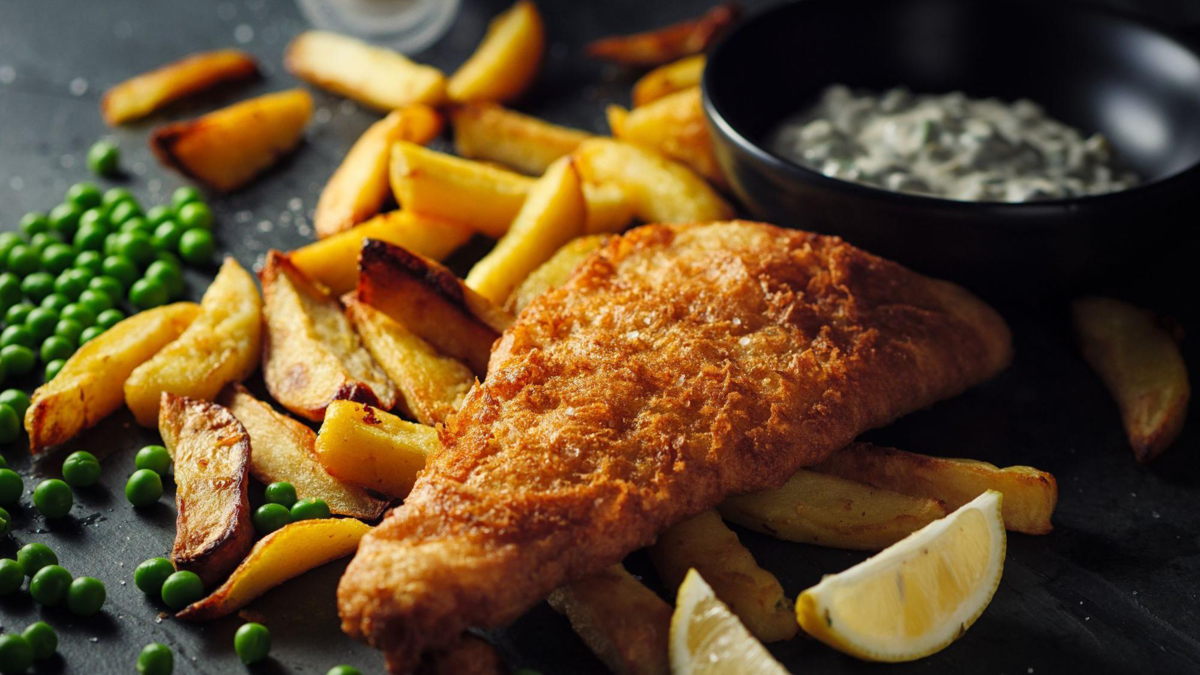
While substituting a portion of the water or milk in a batter with beer has long been passed down as old wives’ lore or neighborhood tavern wisdom, modern culinary science has stepped in to validate the practice. Laboratories, food science journals, and elite test kitchens have thoroughly documented why and how beer radically transforms the physical and chemical structure of fried foods.
Far from mere kitchen superstition, the interaction between fermented malt beverages, frying oil, and flour is a masterclass in physics and chemistry.

Main Facts: The Physics and Chemistry Behind the Batter
When a batter formulated with beer makes contact with hot cooking oil, a fascinating sequence of physical and chemical events is triggered instantaneously. According to extensive research highlighted by publications like Scientific American, the magic boils down to three primary components inherent to the beverage: carbon dioxide ($textCO_2$), foaming agents, and alcohol.
1. The Power of Carbonation
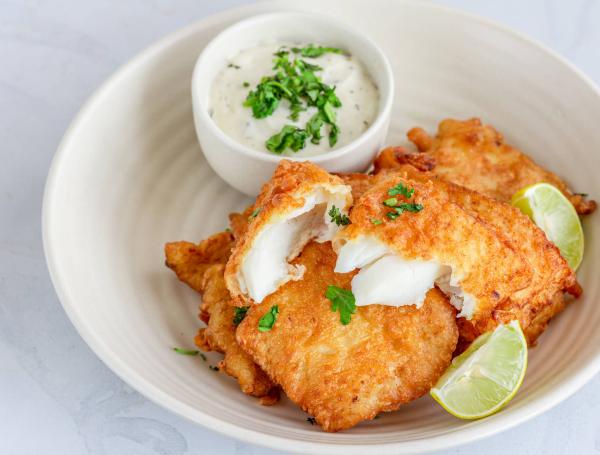
The most immediate star of the show is carbonation. As the cold, bubbly batter hits the scorching oil, the solubility of the carbon dioxide gas dissolved in the liquid drops precipitously. The trapped gas rapidly expands and escapes, creating microscopic pockets of air throughout the coating. This aeration process prevents the batter from collapsing into a dense, heavy paste, resulting instead in a light, delicate, lace-like crust reminiscent of fine pastry.

2. Controlling Gluten Formation
Beyond the visual and textural aeration, carbonation alters the chemical environment of the flour. Culinary experiments conducted by America’s Test Kitchen reveal that the mild acidity of carbonated beverages plays a vital role in texture management.
Gluten—the protein network that provides elasticity and chewiness in baked goods—forms most readily in neutral to slightly alkaline environments, typically peaking at a pH between 5 and 6. Most carbonated beverages, including beer, possess a significantly lower pH (closer to 4). By introducing this acidity into the batter, the beer inhibits excessive gluten development. This ensures the coating remains tender, light, and crisp rather than tough, chewy, or rubbery.
3. The Myth of the Alcohol and Its Real Role
There is a common misconception that the alcohol content in beer is the primary driver behind the crispiness. However, rigorous comparative tests conducted by food researchers have debunked this completely.
When researchers prepared fish batters using regular beer, non-alcoholic beer, club soda, and plain tap water, a clear pattern emerged: all of the carbonated liquids produced noticeably lighter, airier, and more lace-like crusts than the flat water control group. The ultimate arbiter of texture is the physical presence of bubbles, not the buzz.
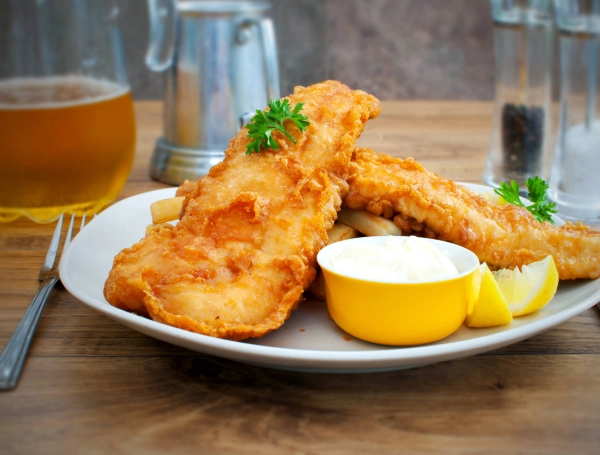
Nevertheless, alcohol does play a vital secondary role. According to technical resources published by ChefSteps—a platform heavily utilized by culinary schools for precision cooking—incorporating alcohol into a hot environment offers distinct thermodynamic advantages. Ethanol has a lower boiling point and evaporates much more rapidly than water. As a result, the alcohol flashes off at a faster rate during the early stages of frying, drying out the outer crust quicker and preventing the delicate protein inside (such as fish or vegetables) from overcooking or drying out.
Chronology: From Neighborhood Taverns to High-Tech Food Laboratories
To understand how beer-battered dishes became a global culinary staple, it helps to trace the evolution of this technique from ancient kitchen practices to modern food science.

- Pre-20th Century (The Traditional Era): Long before food science had names for chemical pH levels or gluten structures, coastal communities and tavern cooks across Europe—most notably in Britain, Belgium, and Germany—experimented with local ales to stretch ingredients and improve the shelf-life or texture of fried street foods. Fish and chips culture heavily adopted the method out of intuitive trial and error.
- Late 20th Century (The Rise of Culinary Journalism): As cooking shows and culinary magazines gained mainstream popularity in the 1980s and 1990s, the "beer batter trick" transitioned from secret tavern lore into household cookbooks. Yet, the explanations provided were often anecdotal, attributing the success entirely to "yeast activity" or "alcohol burn-off."
- The 2010s (Rigorous Testing Begins): Professional testing organizations like America’s Test Kitchen and digital culinary platforms like ChefSteps began applying empirical testing methods to home cooking. By isolating variables—such as comparing carbonated water against alcoholic beer—culinary scientists stripped away old wives’ tales and mapped out the exact mechanics of gluten inhibition and gas expansion.
- Present Day (The Science-Backed Kitchen): Today, the technique is recognized not just as a rustic shortcut, but as a textbook application of food physics. Modern chefs understand that controlling temperature, carbonation levels, and liquid evaporation rates allows them to achieve consistent, high-end results using accessible ingredients.
Supporting Data: What the Experiments Show
Data compiled from various culinary laboratories and food science publications underscore the distinct advantages of using carbonated, acidic liquids in fried applications:
- Density Reduction: Batters aerated with $textCO_2$ show an estimated 15% to 30% increase in volume during the initial 30 seconds of frying compared to flat-water batters, creating a higher surface-area-to-mass ratio that traps less oil internally.
- pH Levels: Standard tap water typically registers a neutral pH of around 7.0, whereas commercial beers generally fall between pH 4.0 and 4.5. This acidic shift is mathematically proven to reduce gluten matrix strength by up to 25%, directly preventing toughness in wheat-flour coatings.
- Evaporation Rates: Ethanol boils at approximately 78.3°C (173°F), whereas water boils at 100°C (212°F). This temperature differential ensures that the liquid component of the beer escapes the crust matrix faster than a water-based batter, sealing out excess oil and locking in internal moisture.
Official Responses and Expert Perspectives
While food scientists dissect the chemical reactions, professional chefs focus on practical execution. Culinary experts emphasize that while science explains the process, human technique dictates the final plate.

"The beauty of using a carbonated beverage like beer in a batter isn’t just about flavor—it’s an instantaneous leavening agent that requires zero waiting time for yeast activation," notes a senior food developer at America’s Test Kitchen. "You get the lift of a yeast dough with the speed and convenience of a quick batter."
Furthermore, professional instructors from advanced culinary platforms like ChefSteps point out that temperature management is just as critical as the choice of liquid.

"Even the best science won’t save a batter if your oil is too cold," explains a lead culinary technician. "The beer provides the expansion and the quick drying, but the oil needs to remain stable—ideally between 180°C and 190°C (350°F–375°F)—to instantly vaporize those bubbles and set the structure before oil can penetrate the food."
Implications: How to Apply the Method in Your Home Kitchen
Understanding the science behind beer batter opens up new possibilities for home cooks looking to elevate everyday meals, whether they are preparing traditional fish and chips, tempura-style vegetables, or crispy onion rings.

To maximize the benefits of this culinary technique in your own kitchen, experts recommend following these golden rules:
- Keep it Ice-Cold: Temperature differential matters. The colder the beer when it hits the warm flour and the hot oil, the more dramatic the thermal shock and gas expansion will be. Keep the beverage in the refrigerator until the exact moment of mixing.
- Don’t Over-Mix: Because the goal is to preserve the delicate carbonation bubbles and keep gluten development to a minimum, mix the batter gently. Lumps are entirely acceptable—and often preferred—as they create varying textures and pockets of air during frying.
- Choose Your Brew Wisely: While standard lagers and pilsners offer a clean flavor profile and high carbonation, darker ales or stouts can impart rich, caramel, or roasted notes that complement heartier proteins like beef or root vegetables. Just ensure the carbonation level remains high.
- Maintain Oil Integrity: Remember that science only assists the process; standard frying rules still apply. Do not overcrowd the frying pan, as adding too much food at once will cause the oil temperature to plummet, resulting in a soggy, oil-soaked crust regardless of what kind of beer was used.
By bridging the gap between kitchen tradition and rigorous food science, the humble beer batter proves that sometimes, the most sophisticated culinary results come from the simplest, most accessible kitchen hacks.