By Edwin Caicedo | Environmental and Health Journalist
Published: September 7, 2026
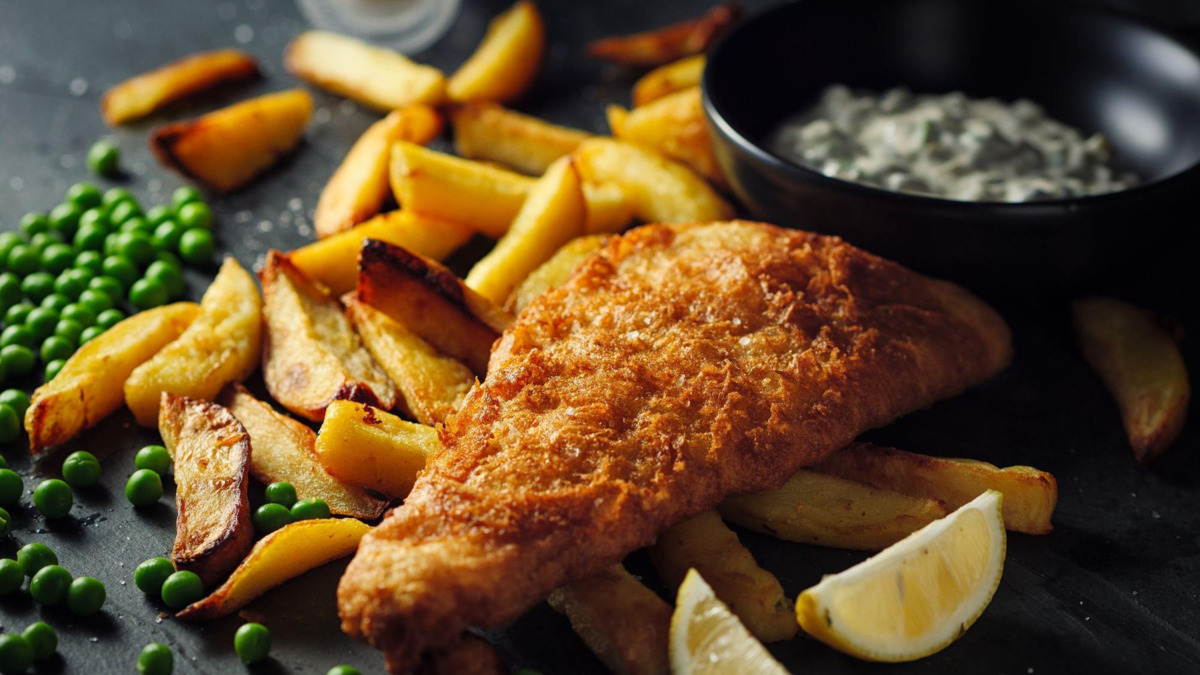
For generations, home cooks and seasoned chefs alike have shared a quiet, remarkably consistent kitchen secret: when aiming for a fried fish fillet or a batch of onion rings featuring an ultra-light, lace-like, golden crust rather than a heavy, grease-logged coating, the answer isn’t just water and flour—it’s beer.
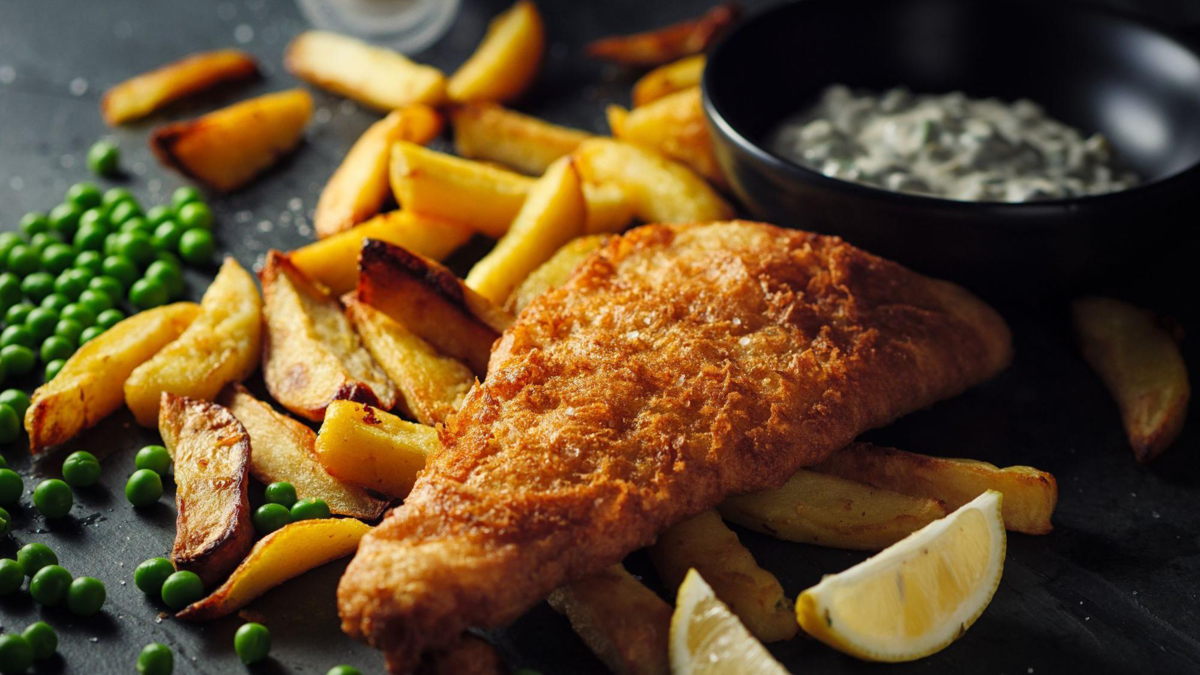
Long dismissed as a piece of folklore passed down through neighborhood taverns and traditional fish-and-chip shops, this culinary technique has finally been thoroughly unpacked by food science. Rigorous laboratory tests, physical chemistry, and culinary institutions have stepped in to document precisely why replacing a portion of the liquid in a batter with beer yields a measurably superior, crispier, and lighter result.
Main Facts: The Physics and Chemistry Behind the Batter
At its core, perfecting a fried coating is a delicate balancing act between moisture, heat, structure, and chemistry. When preparing traditional batters made exclusively with water and flour, cooks frequently run into the issue of dense, rubbery, or overly heavy crusts that absorb excessive amounts of oil during the frying process.

According to analyses published by Scientific American and findings from testing laboratories like America’s Test Kitchen, introducing beer into the equation radically alters the physical and chemical dynamics of the frying process through three primary mechanisms: carbonation, foaming agents, and pH levels.
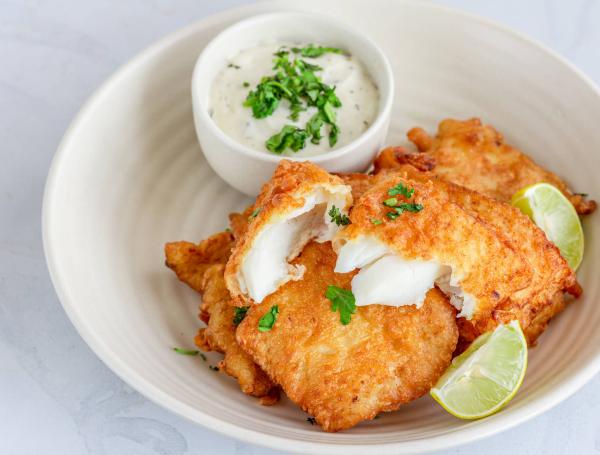
When a beer-based batter hits hot oil, the solubility of the carbon dioxide ($textCO_2$) dissolved in the beverage drops dramatically. The dissolved gas rapidly expands and escapes in the form of millions of tiny bubbles. As these bubbles push their way through the batter and evaporate into the surrounding oil, they create microscopic pockets of air. This process leaves behind a delicate, porous, lace-like structure that is exceptionally light and crispy.

Furthermore, specialized culinary platforms like ChefSteps note that the chemical composition of beer includes natural foaming agents (derived from malted barley and hops) that help stabilize these bubbles during the critical first few seconds of immersion in the fryer.
Beyond simple carbonation, science plays a vital role in managing gluten development. Gluten—the protein network formed when wheat flour mixes with water—provides elasticity and chewiness. While desirable in bread, excessive gluten makes a fried coating tough and dense. Gluten forms most readily in a neutral-to-slightly-acidic environment with a pH between 5 and 6. Because most beers possess a significantly more acidic pH of around 4, incorporating the beverage into the batter naturally inhibits excessive gluten formation, ensuring a tender, delicate crunch instead of a tough shell.
Chronology: From Tavern Folklore to Laboratory Validation
To understand how a folk remedy for a better fish dinner became a recognized scientific phenomenon, it helps to trace the evolution of how modern culinary science investigates traditional cooking methods.
- Pre-20th Century (Traditional Roots): Across regions famous for fried foods—such as the British Isles (with classic fish and chips) and various parts of Europe and Latin America—cooks intuitively added whatever fermented or carbonated beverages were on hand to their batters. The practice persisted purely based on empirical success: it simply tasted and felt better.
- The Rise of Food Science (Late 20th Century): As gastronomy intersected with food science, institutions began analyzing the physical properties of frying. Researchers realized that moisture evaporation and vapor pressure were key to driving oil away from food while crisping the exterior.
- Controlled Experiments (The 2010s–2020s): Culinary research labs, most notably America’s Test Kitchen, subjected the beer-batter hypothesis to rigorous comparative testing. They fried identical pieces of fish using batters formulated with regular beer, non-alcoholic beer, club soda, and plain tap water.
- The Modern Consensus (Current Era): Comprehensive findings published by scientific publications and high-end culinary platforms established that carbonation—rather than alcohol content—is the primary driver of texture, paving the way for precise kitchen applications backed by chemistry.
Supporting Data: What the Tests Reveal
To separate myth from measurable reality, culinary scientists have tested the variables of beer batter down to their individual components.
1. Carbonation vs. Alcohol
A common misconception among home cooks is that the alcohol content in beer is the magic ingredient responsible for the lightness of the crust. However, blind comparative studies conducted by America’s Test Kitchen disproved this theory directly.
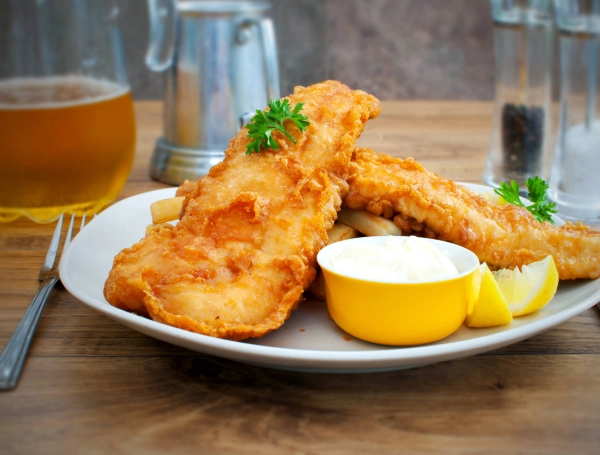
When comparing fish fried in batters made with standard beer versus non-alcoholic beer and carbonated water (club soda), researchers found no noticeable difference in the crispiness or lightness of the final crust. All carbonated liquids produced significantly lighter, more lace-textured exteriors than batters mixed with plain, non-carbonated water. The definitive takeaway: the bubble is the hero, not the buzz.

2. The Role of Evaporation Speed
While alcohol is not the primary driver of the initial bubble expansion, it does play a vital secondary role. Culinary physicists note that ethanol (alcohol) has a lower boiling point and evaporates much more rapidly than water.
When a beer-based batter hits oil heated to around 180°C–190°C (350°F–375°F), the alcohol flashes off almost instantly. This rapid evaporation accelerates the drying and setting of the outer crust. By drying the exterior faster, it shortens the total time the food needs to spend in the hot oil, effectively preventing the interior protein (such as fish or vegetables) from overcooking and drying out.

Official Responses and Culinary Expert Insights
Professional chefs and technical cooking platforms emphasize that while beer is a powerful tool, it operates within a broader ecosystem of frying best practices.
- ChefSteps Technical Advisory: Professional culinary developers stress that temperature management is paramount. "A cold liquid is essential when mixing a batter," notes their technical documentation. Using ice-cold beer creates a wider temperature differential when introduced to hot oil, creating a thermal shock that boosts the expansion of gases and reduces oil absorption.
- Traditional Kitchen Wisdom: Generations of line cooks in seafood houses emphasize that a batter should never be over-mixed. Leaving a few lumps in the flour-and-beer mixture preserves pockets of air and prevents the premature breakdown of the delicate carbonation network before the food ever reaches the fryer.
Implications for Home Cooks and the Food Industry
Understanding the science behind beer batter transforms cooking from a game of trial and error into a predictable, repeatable science. The implications extend far beyond a simple plate of fish and chips:

- Versatility Across Cuisines: This technique is not limited to fish. The principles of carbonated batter application can be successfully utilized for tempura-style vegetables, chicken tenders, onion rings, and even fruit slices destined for dessert.
- Accessibility of Results: Home cooks no longer need professional culinary training to achieve restaurant-quality textures. By swapping out plain water for a carbonated beverage—whether it is an amber ale, a crisp lager, or even sparkling water—anyone can replicate the physical dynamics of a professional fry station in their own kitchen.
- Culinary Innovation: Modern gastropubs and fusion restaurants are increasingly experimenting with craft beer profiles (such as stouts, sours, or IPAs) not just for flavor infusion, but to leverage how different sugar contents, hop acids, and carbonation levels interact with various types of batters and proteins.
Ultimately, while variables such as oil temperature, oil quality, and ingredient freshness remain foundational to any successful fried dish, science has officially validated what grandmothers and pub chefs have known for centuries: when it comes to achieving the ultimate golden crunch, opening a cold beer is the smartest first step you can take in the kitchen.