By Angie Rodríguez
Travel and Trends Journalist
Updated: September 28, 2026
Main Facts
In an era where global travel often leaves heavy ecological footprints, a quiet revolution is taking root across the diverse landscapes of Colombia and Latin America. LiveHappy, an organization operating for more than seven years, is redefining the concept of tourism. Rather than treating nature merely as a passive backdrop for sightseeing, LiveHappy treats it as a living entity that requires active protection, community empowerment, and technological integration.
By collaborating directly with civil society reserves, rural communities, and local ecotourism projects, the organization bridges the gap between economic sustainability and environmental conservation. Its core model combines cutting-edge technological infrastructure, continuous education, and social entrepreneurship. This triad equips local populations to transition from traditional, often extractive land-use practices into active guardians and operators of sustainable tourism.
Recently, this conservation model received a significant boost through a strategic alliance with Topara, an outdoor product brand deeply inspired by Latin American landscapes. Topara has committed to designating more than one percent of its total sales to support LiveHappy’s conservation initiatives and community development programs. This synergy between the outdoor gear industry and grassroots ecological management highlights a growing industry-wide realization: brands that outfit adventurers must also take financial and ethical responsibility for the preservation of the very landscapes that inspire their products.
Chronology: The Evolution of LiveHappy’s Conservation Model
The journey of LiveHappy and its impact on Latin American ecotourism can be traced through key developmental phases over the past decade:
- The Formative Years (Late 2010s): LiveHappy was established with a foundational premise: that rural communities living adjacent to fragile ecosystems hold the key to conservation, provided they are given the right economic and technical tools. The organization began identifying isolated civil society reserves struggling with operational viability.
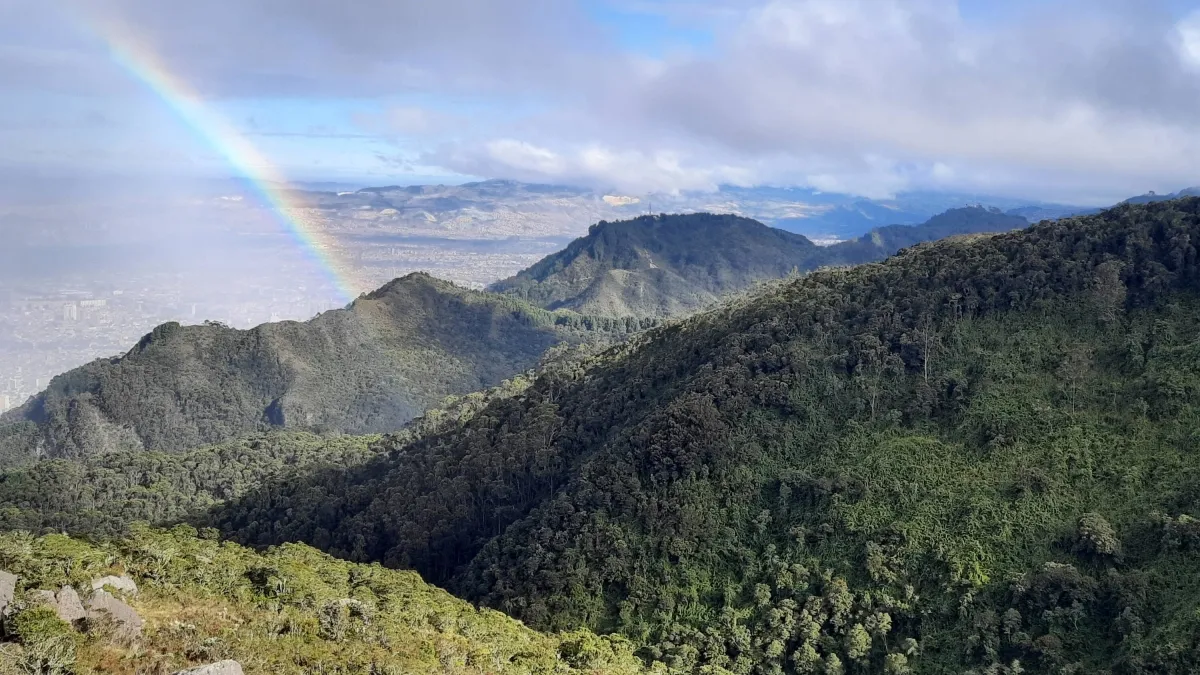
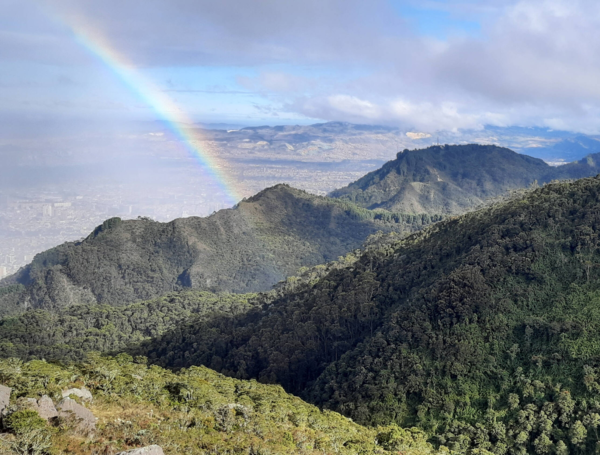
- The Pilot Intervention (Cerro Las Moyas, Bogotá): LiveHappy undertook its seminal project on the slopes of Cerro Las Moyas in Bogotá. According to Rafael Torres, CEO and CFO of LiveHappy, the area was initially plagued by severe systemic problems—including land invasions, rising insecurity, high operating costs, and acute environmental degradation. These issues transformed the territory into a liability for property owners, neighboring communities, and the capital city at large.
- Turning the Tide at Las Moyas: Through a systematic intervention, LiveHappy trained local residents to become professional tourism operators. They collaborated on a recreational master plan approved by the Autonomous Regional Corporation (CAR) for private reserves, and introduced modern technological tools to monitor, protect, and regulate the territory. This successfully linked Cerro Las Moyas to the formal ecotourism market.
- Network Expansion (2020–2025): Buoyed by the success of Las Moyas, LiveHappy expanded its footprint. The organization integrated several prominent ecological projects into its collaborative network, including La Serrana, Ecopalacio Chingaza, Verde y Agua, Huisyzuca, and Summa Paz.
- The Corporate Partnership Milestone (2026): Solidifying its model of shared responsibility, LiveHappy partnered with Topara. Announced in late September 2026, this alliance introduced a dedicated funding mechanism where a percentage of outdoor gear sales directly feeds into rural conservation infrastructure, guardrails, and guard-training programs.
Supporting Data and Operational Framework
LiveHappy’s methodology rests on four foundational pillars designed to guarantee self-sufficiency for rural projects while safeguarding regional biodiversity:

- Technological Infrastructure: Provision of digital tools that allow ecotourism projects to efficiently manage administrative tasks, handle online bookings, and market their unique experiences to a global audience.
- Youth and Community Empowerment: Specialized training programs targeted at local youth, transforming them into micro-entrepreneurs, hospitality leaders, and certified eco-guides.
- Market Connectivity: Bridging the divide between rural ecological supply and urban/international demand, ensuring a steady, reliable stream of mindful travelers.
- Territorial Formalization: Assisting communities and private reserves in legalizing their operations, aligning them with regional environmental guidelines (such as CAR approvals), and mitigating boundary conflicts.
Experiential Offerings
Beyond infrastructural and technological upgrades, LiveHappy curates immersive experiences designed to foster a profound emotional connection between travelers and the natural world. These offerings include:
- Guided ecological hikes and twilight excursions.
- Botanical workshops and community-led educational talks.
- Reforestation initiatives and native tree-planting activities.
- High-altitude adventure sports, mountain meditation retreats, and open-air local gastronomy experiences.
Financial Injection through the Topara Alliance
Under the newly minted partnership with Topara, financial backing is structured to create tangible, long-term impacts:
- >1% of Sales Allocation: Topara pledges over one percent of total commercial revenue directly to LiveHappy’s field initiatives.
- Targeted Investments: Funds are earmarked for sustainable infrastructure development, professional training for local guardabosques (forest rangers), and expanded environmental education programs for incoming visitors.
Official Responses and Perspectives
Leadership figures from both organizations emphasize that modern tourism must evolve past extractive leisure into a regenerative partnership between humans and nature.
Benny Bursztyn, Founder of Topara and VP of Product and Innovation at Nalsani:
"A brand dedicated to outdoor adventure must inherently assume the responsibility of caring for the landscapes that inspire every single journey. We want to ensure that every experience our community undertakes leaves a positive, regenerative footprint—both on the territories themselves and on the local people who make these explorations possible."
Rafael Torres, CEO and CFO of LiveHappy:
"True ecological conservation cannot happen in isolation; it requires the active participation of diverse stakeholders, including the commercial enterprises and lifestyle brands that inhabit the nature-tourism ecosystem. We want more people to understand that exploring and visiting these territories is not just leisure—it is a vital form of active protection."
Implications for the Future of Ecotourism in Colombia and Beyond
The collaborative model pioneered by LiveHappy and reinforced by commercial allies like Topara signals a broader paradigm shift for Latin America’s tourism sector.
1. Economic Resilience for Rural Communities
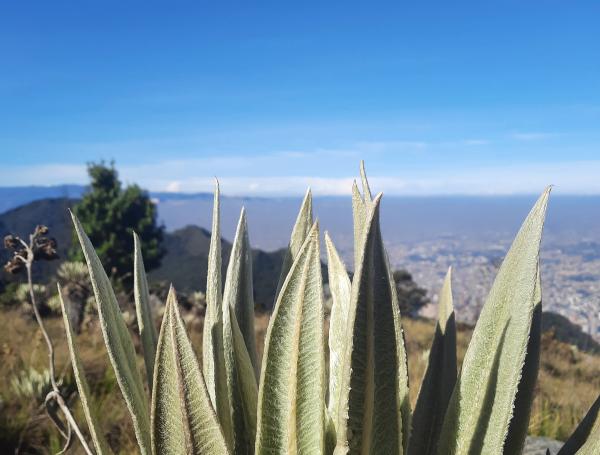
For decades, rural populations in regions adjacent to fragile ecosystems faced an economic dilemma: exploit natural resources through unsustainable logging, mining, or agriculture, or face systemic poverty. By professionalizing communities as high-end tourism operators, organizations like LiveHappy provide a stable, lucrative alternative. Ecotourism becomes a financial incentive for conservation; a healthy forest or a protected paramo suddenly generates significantly more income alive and thriving than cleared for cattle.

2. Combating Environmental Degradation and Land Invasions
As demonstrated by the transformation of Cerro Las Moyas in Bogotá, unmanaged peri-urban and rural ecosystems are highly susceptible to informal settlements, illegal logging, and security vulnerabilities. Introducing technological controls, formal tourism circuits, and constant community presence acts as a natural deterrent against illegal land grabs and ecological degradation.
3. Redefining Corporate Responsibility in the Outdoor Industry
The involvement of brands like Topara sets a high benchmark for the outdoor retail sector. Traditionally, outdoor brands profit from consumers exploring nature without always contributing directly to the upkeep of those environments. By institutionalizing a direct percentage-of-sales giveback mechanism, the partnership demonstrates that corporate profitability and environmental regeneration can—and must—coexist.
4. Cultivating Mindful Travelers
Ultimately, LiveHappy’s multifaceted approach alters the psychological contract of travel. When a visitor participates in a reforestation workshop, engages in mountain meditation, or dines on locally sourced organic cuisine prepared by community members, tourism ceases to be a passive consumption of scenery. It transforms into an active, respectful dialogue between the traveler and the host ecosystem.

As this network of reserves—from Chingaza to Summa Paz—continues to grow, the LiveHappy model offers a scalable blueprint for sustainable tourism across Latin America, proving that the future of travel lies in leaving places not just untouched, but measurably better than before.