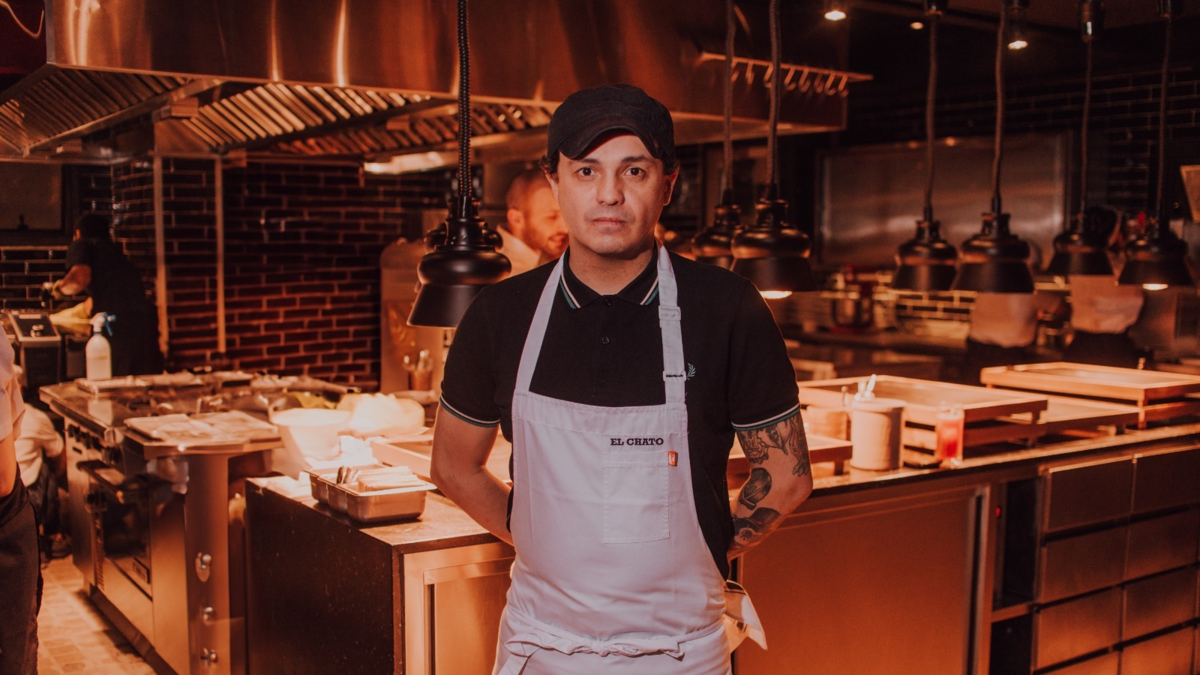
The global culinary map has been redrawn, and once again, Bogotá finds itself at the epicenter of international gastronomic attention. In the highly anticipated 2026 edition of The World’s 50 Best Restaurants—the industry’s equivalent of the Academy Awards—the Colombian restaurant El Chato has secured the 46th position. This prestigious achievement, announced during the gala held in Lima, marks a significant return for the Bogotá establishment to the exclusive top 50 list, solidifying the vision of chef and founder Álvaro Clavijo.
For the Colombian culinary community, this is more than just a ranking; it is a confirmation of a decade-long maturation process. After falling to the 54th spot in 2025—a year in which the restaurant nonetheless celebrated a landmark achievement by taking the top spot in the Latin America’s 50 Best Restaurants list—El Chato’s resurgence into the global top 50 serves as a powerful testament to the consistency, innovation, and unwavering identity of Clavijo’s kitchen.
A Chronology of Excellence: From Bogotá to the World
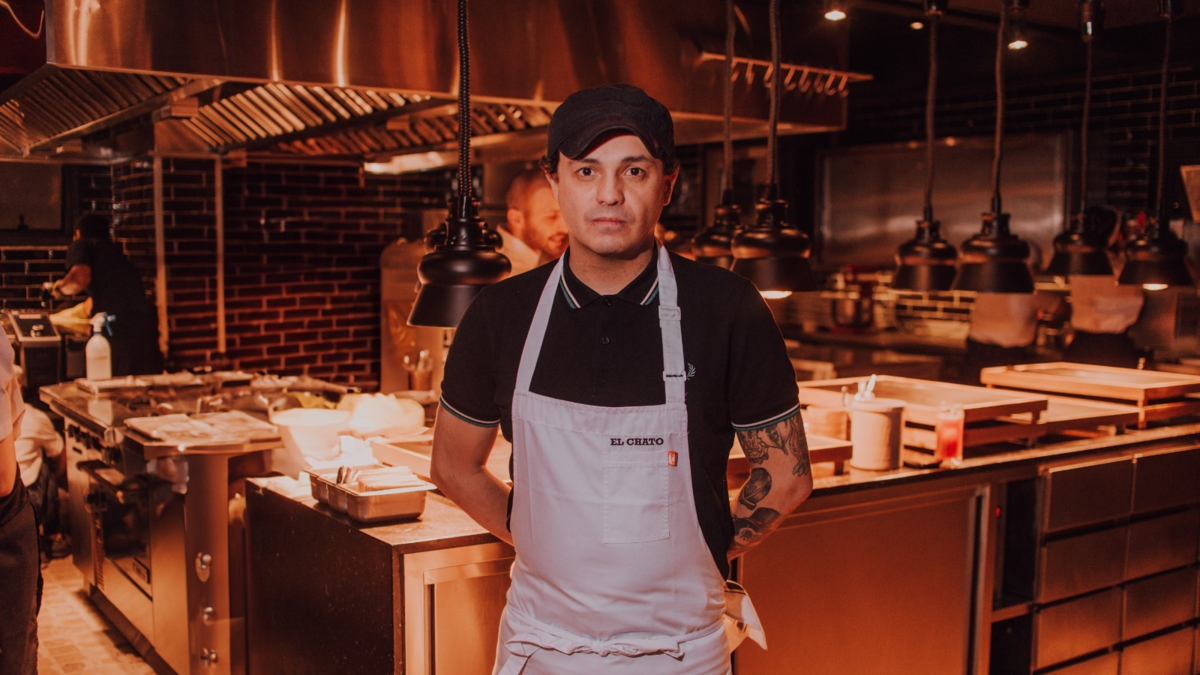
The trajectory of El Chato since its inception in 2017 has been nothing short of meteoric. Located in the vibrant Chapinero district of Bogotá, the restaurant was founded by Clavijo, a chef whose formative years in the high-pressure kitchens of Paris and New York provided him with the technical rigor necessary to interpret the diverse, often untapped potential of Colombian produce.
- 2017: El Chato opens its doors in Bogotá with a focus on local ingredients and contemporary techniques.
- 2018: The restaurant makes its debut in the Latin America’s 50 Best Restaurants list at position 21, signaling its arrival as a major player.
- 2022: A breakthrough year as El Chato enters the global World’s 50 Best list for the first time, landing at position 83.
- 2024: The restaurant achieves its highest global ranking to date, reaching the 25th spot—a record for a Colombian restaurant at that time.
- 2025: A period of transition and regional dominance, as El Chato is crowned the #1 restaurant in Latin America, while balancing its global standing.
- 2026: Re-entry into the global top 50, securing the 46th position and cementing its status as a permanent fixture in elite gastronomy.
The Philosophy of the Ingredient
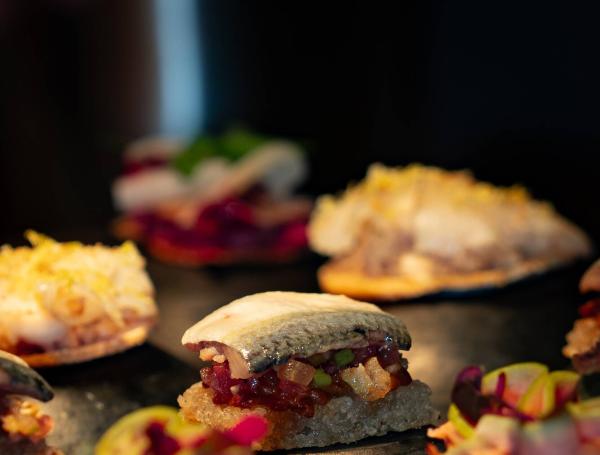
What separates El Chato from many of its global peers is its refusal to rely on culinary tropes or a "touristic" interpretation of Colombian food. Clavijo’s kitchen does not seek to rebrand traditional recipes for an international audience; rather, it explores the vast, unmapped diversity of Colombian ingredients.

"We are a restaurant that works 100 percent with Colombian ingredients," Clavijo explained in an interview with EL TIEMPO. "Even I, as the chef, don’t know many of the ingredients we set out to work with. And that is the beauty of it."
This curiosity-driven approach has turned El Chato into a laboratory of sorts. By working closely with local farmers and foragers, Clavijo highlights products that are often overlooked, elevating humble or exotic regional components to a level of technical sophistication that resonates with global critics and discerning diners alike.
The "Identity" Debate: Is There a Colombian Gastronomic Style?
One of the most profound discussions surrounding the rise of Colombian cuisine is whether it has achieved a distinct, solidified identity. When asked if Colombia is in a different position compared to culinary giants like Peru or Mexico, Clavijo offers a nuanced perspective.
"Those countries are totally different," he notes. "Countries like Colombia, Bolivia, Venezuela, or Ecuador are very young in terms of established global gastronomy. We are building that identity. It isn’t that we don’t have one; it’s that it hasn’t been fully explored or showcased until recently."
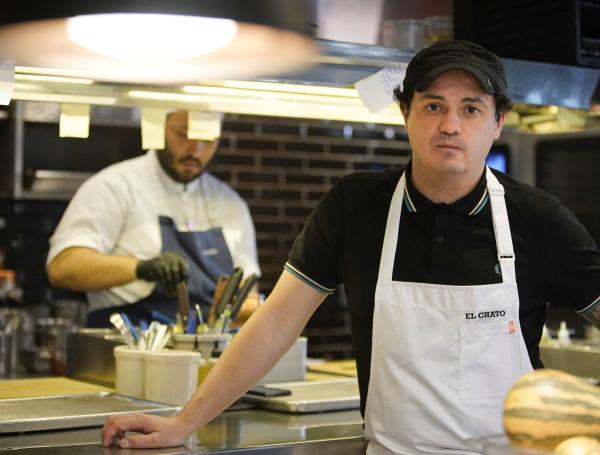
Clavijo points to the collaborative efforts of peers—such as the team at Celele in Cartagena—who are actively documenting and elevating regional foodways. This collective push is moving the needle, turning the national conversation away from imitation and toward discovery.
The Global Implications: A Country on the Rise
The presence of two Colombian restaurants—El Chato and Celele—on the 2026 global list is statistically significant. In a field dominated by Europe and Asia, the inclusion of multiple Colombian venues suggests that the world is no longer looking at Colombia as an outlier, but as an essential destination for culinary innovation.
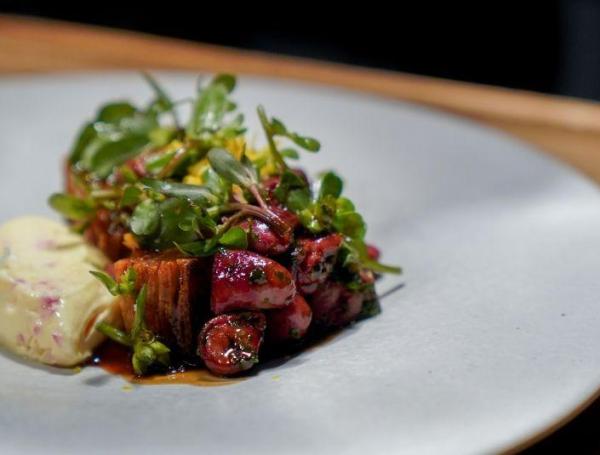
During the gala, Clavijo reflected on the camaraderie among international chefs. "I was in Spain recently at Asador Etxebarri, which took the number one spot. You realize these restaurants have an impressive level, and we are not very far from them," he says. "When I cooked in Thailand, I brought granadilla and filled it with orejero. People thought it was exotic. When you compare our ingredients to the rest of the world, we are playing in the same league."
For Clavijo, the ranking is less about the number and more about the momentum. "The fact that Colombia has two restaurants in this list means something very interesting is happening in our country that the international community is finally recognizing."

Navigating the "List Culture"
The pressure of ranking lists is a constant in the hospitality industry. Many chefs admit that the constant pursuit of stars and positions can be a distraction—or worse, a source of creative stagnation. Clavijo admits that he once struggled with this.
"I was a bit confused at the beginning," he confesses. "When you create a restaurant for a list, you start cooking in a way that feels forced, very ‘notable’ or performative. I had to stop cooking for the list to find the true identity of El Chato. When I stopped worrying about the numbers, the recognition actually became more meaningful."

He now views the list as a bridge rather than a goal. It is a mechanism for connecting with other chefs who are pushing the boundaries of what is possible in a kitchen. Whether it is learning from the legendary Albert Adrià or exchanging techniques with the masters of Bangkok’s culinary scene, Clavijo treats the global stage as a classroom.
The Future: An Unpredictable Path
As El Chato looks toward the future, the team remains grounded. The industry is notoriously volatile, and the "top 50" is a dynamic, shifting landscape. However, the foundation built over the last nine years—a foundation of local sourcing, technical precision, and a genuine, almost obsessive, exploration of Colombian biodiversity—provides a sturdy base for whatever comes next.

"It is totally unpredictable," Clavijo says of the future. "But the goal was never just to reach a list. The goal is to prove that Colombian gastronomy is a serious, sophisticated, and evolving discipline. We are just scratching the surface of what we can do with our land."
As the dust settles on the 2026 awards, the message is clear: Colombia is no longer just a participant in the global culinary conversation; it is a leading voice. Under the guidance of chefs like Álvaro Clavijo, the country is finally telling its own story, one ingredient at a time, to an audience that has finally learned to listen.