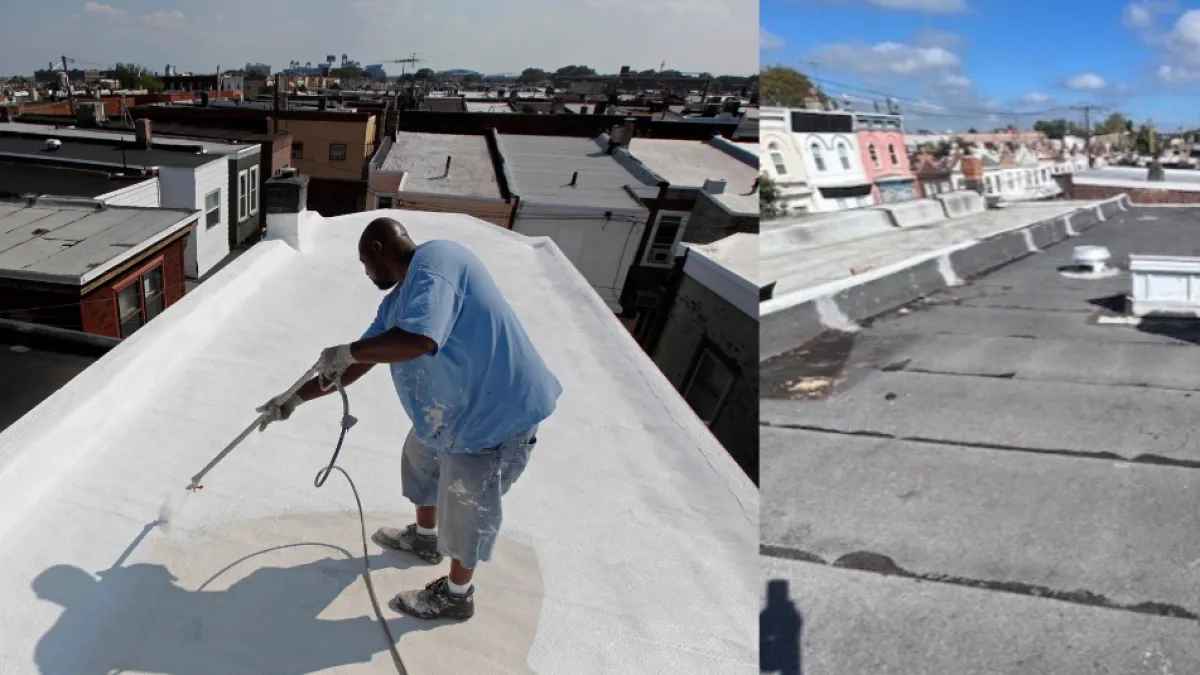
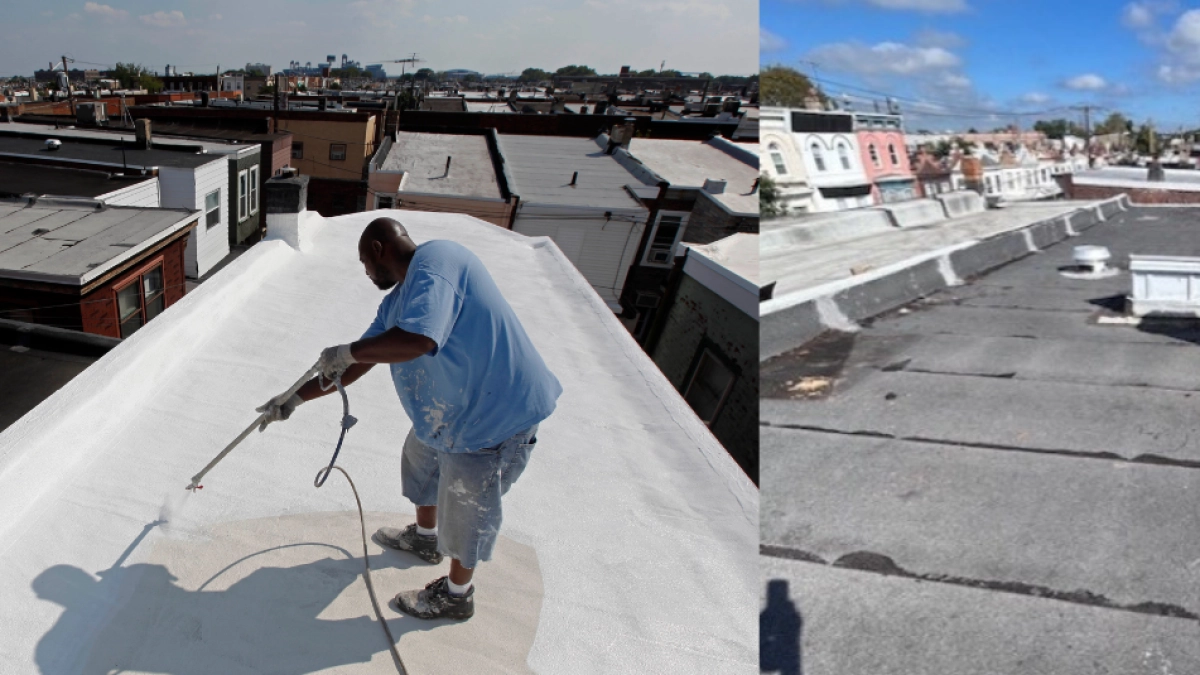
In an era defined by record-breaking global temperatures and an escalating climate crisis, the search for sustainable, low-cost urban solutions has led researchers to revisit a transformative initiative from the early 2000s. The "Philadelphia Cool Homes Project," conducted between 2001 and 2003, serves as a compelling case study for passive cooling technologies. By simply applying reflective, white coatings to the roofs of low-income housing, the project demonstrated that sophisticated engineering isn’t always the answer to climate adaptation; sometimes, the most effective solution is a basic understanding of physics.
As cities worldwide grapple with the "urban heat island" effect—where concrete and asphalt trap heat, driving temperatures significantly higher than in surrounding rural areas—the Philadelphia experiment offers a scalable, affordable, and proven roadmap for mitigating energy poverty and improving the quality of life for vulnerable populations.
The Genesis of the Philadelphia Cool Homes Project
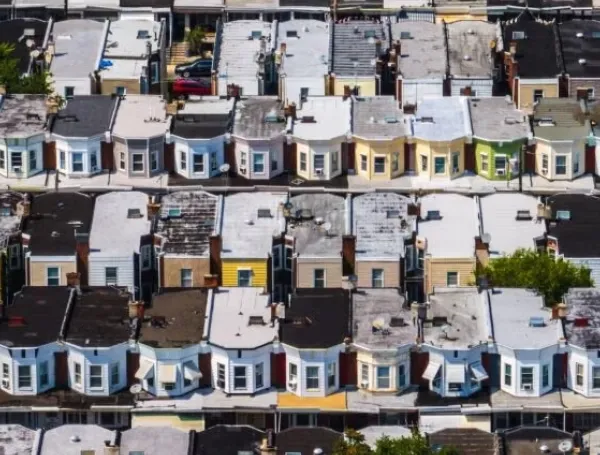
At the turn of the millennium, the Energy Coordinating Agency (ECA) of Philadelphia identified a critical intersection of social and environmental challenges. Many of the city’s elderly, low-income residents living in the northern and western districts were suffering during the increasingly hot summer months. These residents often occupied older, poorly insulated homes with dark, heat-absorbent roofing materials that acted as thermal sponges, trapping solar radiation and transferring it directly into living spaces.
The ECA launched the Philadelphia Cool Homes Project with a clear objective: to alleviate thermal stress in roughly 340 homes. By applying specialized white, reflective coatings to these roofs, the project aimed to reduce the internal temperatures of these dwellings without relying solely on expensive, energy-intensive mechanical air conditioning. This was not merely an environmental project; it was a public health initiative designed to protect the most vulnerable from the dangers of heat exhaustion and heatstroke.
The Physics of Cooling: Understanding Albedo
To understand why this intervention was so successful, one must look at the concept of albedo. In physics, albedo is a measure of the diffuse reflection of solar radiation out of the total solar radiation received by an astronomical body or surface.
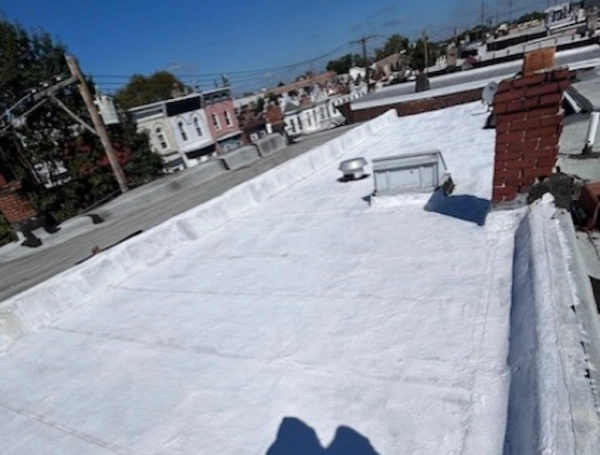
Dark-colored roofs, typical in many urban environments, have a low albedo, meaning they absorb a high percentage of solar energy. This energy is converted into heat, which radiates downward through the roof structure and into the interior of the building. Conversely, high-albedo surfaces—such as white, specialized reflective coatings—bounce a significant portion of that solar energy back into the atmosphere.

The "Cool Roof" movement is not limited to simply painting a roof white, although that is the most rudimentary form. Modern cool roof technology includes sophisticated membranes, specialized shingles, and elastomeric coatings engineered to maximize solar reflectance while also increasing "thermal emittance"—the ability of a surface to shed the heat it has already absorbed.
Chronology of Success: From Philadelphia to Global Recognition
The Philadelphia initiative was not an isolated incident, but rather a pivotal moment in a broader timeline of climate-adaptive architecture.
- 1995: The Florida Solar Energy Center Experiment: Years before the Philadelphia project, researchers in Cocoa Beach, Florida, applied an acrylic white coating to a local school roof. The results were staggering: the school saw an annual energy reduction of 13,000 kWh, and the peak electrical demand dropped by 10%. This provided the scientific scaffolding upon which future projects, including Philadelphia’s, were built.
- 2001–2003: The Philadelphia Implementation: The ECA executed its pilot program, focusing on the specific needs of elderly residents. Data collection during these years solidified the link between high-albedo surfaces and reduced interior temperatures.
- Post-2003 to Present: Subsequent studies in California and beyond have consistently validated these findings. Whether in dense commercial districts or residential neighborhoods, the data consistently points to a decrease in cooling loads.
- 2026: A Renewed Focus: As August 2026 was recorded as the hottest month in global history according to the Copernicus Climate Change Service, the findings from the Philadelphia project have resurfaced as a critical point of interest for urban planners and policy makers looking for "quick wins" in the fight against rising temperatures.
Quantifying the Impact: Supporting Data
The metrics produced by the Philadelphia project provide a robust argument for the implementation of cool roofs. In bedrooms located on the top floors of the treated homes—areas that often lacked air conditioning—the maximum air temperature dropped by approximately 2°F (1.1°C).
More impressive, however, was the reduction in the temperature of the roof surfaces themselves. Thermometers recorded drops of 4 to 5°F (2.2 to 2.8°C) on the interior surface of the ceilings. This reduction in heat transfer meant that the thermal mass of the house stayed significantly cooler throughout the day, delaying the peak heat absorption that typically makes top-floor rooms uninhabitable in the afternoon.

From an energy perspective, the savings were equally noteworthy. Each household recorded an average reduction of 560 kilowatt-hours (kWh) per year specifically attributed to reduced air conditioning usage. For low-income families, these savings were not just a statistical win; they represented a tangible reduction in utility bills, freeing up limited financial resources for food, medicine, and other essential needs.
Implications for Modern Urban Planning
The legacy of the Philadelphia Cool Homes Project offers several vital lessons for modern cities:
1. The Social Equity Dimension
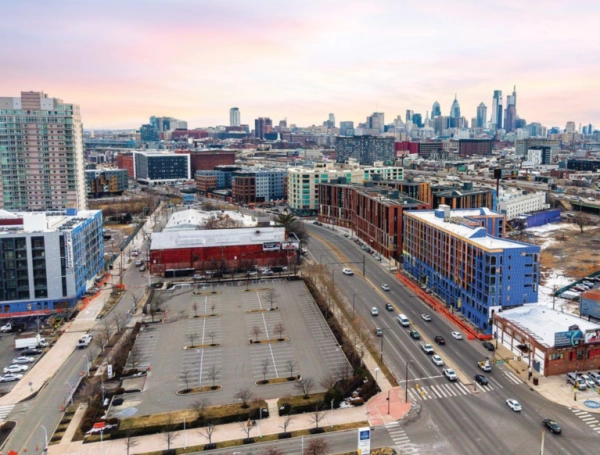
Climate change is not a democratic experience; it disproportionately affects the poor. The Philadelphia project demonstrated that environmental policy can and should be a tool for social equity. By retrofitting the homes of the elderly and low-income populations, the city improved the standard of living for those most at risk, proving that sustainability and social welfare are inextricably linked.
2. Scalability and Cost-Effectiveness
Compared to large-scale infrastructure projects like retrofitting HVAC systems or installing solar arrays, the application of reflective coatings is relatively inexpensive and can be done quickly. It is a "passive" solution that requires zero ongoing energy input to function.

3. The Need for Contextual Sensitivity
While the results are compelling, experts caution that "one size does not fit all." The efficacy of a cool roof is heavily dependent on several factors, including:
- Climatic Zone: The benefits are most pronounced in regions with high solar radiation and long cooling seasons.
- Building Insulation: A cool roof is most effective when paired with adequate attic or roof insulation.
- Material Integrity: The condition of the existing roof surface determines the longevity and performance of the reflective coating.
Official and Scientific Perspectives
The scientific community has long advocated for the adoption of cool surfaces as a standard building code requirement in hot climates. Studies conducted in California’s commercial sector have shown that increasing the solar reflectance of a building’s roof can reduce the cooling energy consumption of the building by up to 20% depending on the specific micro-climate.

Furthermore, the environmental benefits extend beyond the individual building. As more buildings in a neighborhood adopt cool roofs, the ambient air temperature of the entire area decreases. This reduction in the "urban heat island" effect reduces the overall strain on the electrical grid during heat waves, lowering the risk of power outages and reducing the carbon footprint of the city’s energy supply.
Conclusion: A Reflective Future
As we look toward the latter half of the 2020s, the urgency to address extreme heat is paramount. The Philadelphia project serves as a bridge between the past and the future. It reminds us that we possess simple, accessible, and scientifically sound solutions to make our cities more resilient.

The "Cool Roof" strategy is not a panacea for the climate crisis, but it is an essential piece of the puzzle. By turning our gaze upward to the rooftops of our cities, we can reflect not only the sun’s rays but also a renewed commitment to creating urban environments that are cooler, more energy-efficient, and, above all, more equitable for all residents. As the climate continues to evolve, our approach to building design must follow suit—embracing the power of simplicity to solve the complex challenges of the 21st century.