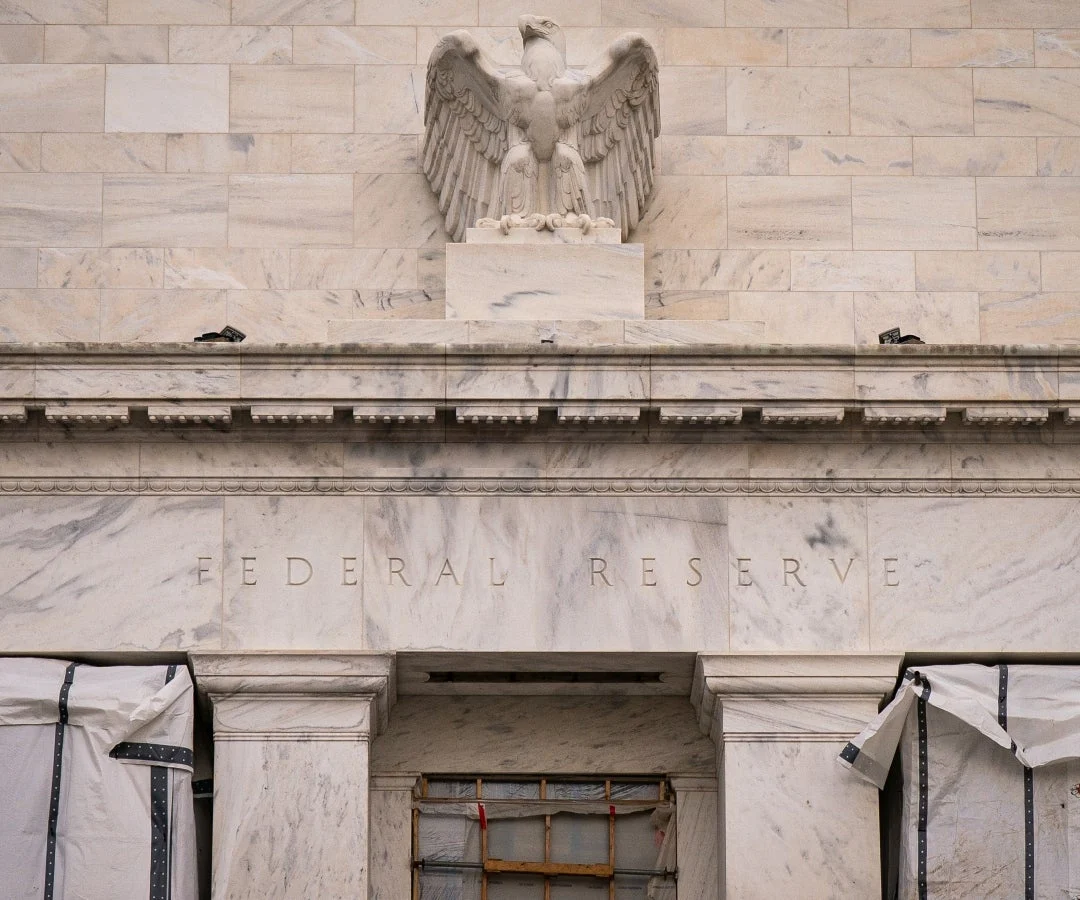
NEW YORK — Financial markets experienced a profound and turbulent shock as surging crude oil prices triggered a massive global sell-off in sovereign debt. Investors are aggressively repricing the trajectory of monetary policy, driving U.S. Treasury yields to multi-year highs and forcing Wall Street to reconsider the imminent path of the Federal Reserve.
The benchmark 10-year U.S. Treasury yield pierced the critical psychological and technical threshold of 4.93%, marking its highest closing level since November 2023. Meanwhile, pressures rippled across international borders, affecting European and British debt markets as central banks grapple with a renewed, energy-driven inflationary wave that threatens to undo months of hard-fought economic stabilization.
1. Main Facts: The Perfect Storm of Energy Shocks and Yield Spikes
The core catalyst behind the sudden and violent repricing in global fixed-income markets is the relentless climb of international crude prices. Oil futures surged by more than 4% in a single session, touching their highest marks since May. The commodity’s upward trajectory has been fueled by lingering supply chain anxieties in the Middle East, exacerbated by geopolitical tensions and military actions involving the United States and Iran that first disrupted regional flows earlier in the year.
As energy prices climb, institutional investors and market makers immediately factor the imported inflation into broader economic models. Because energy costs permeate every sector of the global supply chain—from manufacturing and agriculture to transportation and consumer goods—bond vigilantes have returned with a vengeance.
The reaction in the U.S. Treasury market was swift and punishing:
- The 10-year Treasury note climbed up to nine basis points, settling at 4.93%.
- The 30-year Treasury bond touched levels not witnessed since 2007, reflecting deep structural concerns over long-term inflation and debt sustainability.
- The 2-year note, which is highly sensitive to near-term Federal Reserve policy expectations, decisively broke past the 4.5% threshold for the first time since 2024.
Traders in futures markets dramatically accelerated their timelines for monetary tightening. Probabilities for a Federal Reserve rate hike at the upcoming FOMC meeting spiked to approximately 70%. Furthermore, market pricing completely eliminated expectations of a pause, fully pricing in a 100% probability of an increase by October, completely displacing prior consensus views that pointed toward a quiet end to the year.
2. Chronology of the Market Sell-Off
To understand the velocity of this financial event, it is necessary to examine the sequence of pressures that converged on trading desks in New York, London, and Frankfurt over a 48-hour period:
- Wednesday Afternoon: Early whispers of tightening liquidity and rising energy costs begin to push short-term yields upward. Energy markets show sustained upward momentum, breaking key technical resistance levels.
- Thursday Morning (European Session): The European Central Bank (ECB) pulls the trigger, raising its benchmark interest rate by a quarter of a percentage point to 2.5% as widely anticipated. However, the accompanying policy statement strikes a hawkish tone, explicitly warning that inflation will remain "well above target for a prolonged period." This triggers an immediate sell-off across Eurozone sovereign bonds, with UK 2-year gilts jumping 14 basis points.
- Thursday Morning (U.S. Data Release): The U.S. Department of Labor releases the Producer Price Index (PPI) report. While headline figures largely align with consensus economist forecasts, the underlying components—heavily weighted toward material and energy inputs—reaffirm a persistent inflationary floor.
- Thursday Midday (New York Time): Fixed-income markets absorb the dual pressure of sticky producer prices and spiking oil futures. Treasuries across the entire curve sustain heavy losses, with yields rising by five to 10 basis points.
- Thursday 1:00 PM (U.S. Treasury Auction): The U.S. Treasury holds a $22 billion reopening of its 30-year bond issuance. The auction registers an indicative yield of approximately 5.35%—the highest recorded stop-through rate for a 30-year auction since 2001.
- Thursday Afternoon: The U.S. Treasury Department executes a planned debt buyback operation, absorbing up to $6 billion of debt in the 10-to-20-year sector. The operation had been unexpectedly scaled up from an initial $2.0 billion target announced on August 19, serving as a desperate bid by fiscal authorities to inject liquidity and cap surging long-term yields.
3. Supporting Data and Market Mechanics
The sheer magnitude of the Treasury rout is reflected not only in spot yields, but also in derivatives and options markets, where institutional players are positioning for a worst-case macroeconomic scenario.
In the options market, block trades underscored the aggressive defensive posture of major funds. Notably, approximately $14 million was deployed into put options tied to 10-year Treasury futures. These derivatives are specifically structured to pay off if the benchmark 10-year yield hits the milestone 5.00% mark by the option’s expiration date on November 20.
The Producer Price Index and Consumer Expectations
While the PPI data released on Thursday kept headline figures within historical expectations, bond investors treated the report through a skeptical lens. The markets are acutely aware that producer price pressures historically lead consumer price indexes (CPI) by several weeks. With Friday’s release of the Consumer Price Index looming as the ultimate binary event for the September 16 Fed meeting, traders refused to take defensive risk off the table.
+--------------------------------------------------------------------------+
|                       KEY MARKET METRIC MOVEMENTS                        |
+---------------------------+-------------------+--------------------------+
| Instrument / Indicator    | Prior Level       | Current Level / Status   |
+---------------------------+-------------------+--------------------------+
| U.S. 10-Year Treasury     | ~4.84%            | 4.93% (Nov 2023 High)    |
| U.S. 30-Year Treasury     | 2007 Lows         | ~5.35% (Auction Yield)   |
| U.S. 2-Year Treasury      | Sub-4.5%          | Above 4.5%               |
| Fed Hike Probability      | Moderate          | ~70% (Next Week)         |
| ECB Benchmark Rate        | 2.25%             | 2.50%                    |
+---------------------------+-------------------+--------------------------+
As Bloomberg macro strategists noted in a briefing to clients:
"The PPI data has done nothing more than reinforce the arguments in favor of a more restrictive policy stance and, at the margin, gives a more solid fundamental basis to the rise in yields. That said, part of the movement can be explained by another strong surge in oil. Either way, rates are resetting upward in what can only be qualified as a global phenomenon."
4. Official Responses and Expert Commentary
Market participants, institutional strategists, and central banking figures have offered sobering assessments of the current macroeconomic environment. The consensus is nearly unanimous: the era of easy monetary policy normalization is facing a severe, energy-induced roadblock.
Tony Farren, managing director of rates sales and trading at Mischler Financial Group, captured the prevailing mood on trading desks across Wall Street:
"Oil drives inflation, and if it begins to filter into the system, it will be difficult to contain. There is no room for yields to drop if inflation remains elevated."
The dynamic is not confined to the United States. Following the European Central Bank’s decision to hike rates to 2.5%, policymakers in Frankfurt defended the move as an unavoidable defense against entrenched price growth. Despite economic stagnation across several member states, the ECB’s governing council emphasized that failing to act against secondary inflationary effects would permanently damage the credibility of the euro area’s price stability mandate.
Meanwhile, Brendan Fagan, macro strategist at Markets Live, highlighted the systemic nature of the adjustment:
"What we are witnessing is not an isolated domestic panic, but a synchronized global readjustment of risk premiums. When energy commodities break higher simultaneously with central banks signaling prolonged restrictive stances, the mathematics of bond pricing changes overnight."
5. Macroeconomic Implications: What Lies Ahead
The confluence of spiking energy prices, aggressive central bank tightening, and expanding sovereign debt issuance carries profound implications for the global economy moving forward.
1. Increased Cost of Capital for Corporations and Consumers
As U.S. Treasury yields and global sovereign benchmarks push toward multi-year peaks, the cost of borrowing for everyday consumers and corporations follows suit. Mortgage rates, commercial real estate loans, corporate debt refinancing, and consumer credit card APRs will inevitably adjust upward. This threatens to choke off consumer discretionary spending and capital expenditures, raising the risk of a hard economic landing or stagflation.
2. Fiscal Strain on Governments
For governments running persistent budget deficits—most notably the United States—higher yields drastically increase the cost of servicing national debt. Every basis point increase translates into billions of dollars in additional interest payments, squeezing discretionary fiscal space for infrastructure, defense, and social programs. The U.S. Treasury’s recent expansion of its debt buyback program highlights the acute anxiety within fiscal authorities regarding long-term market liquidity and demand absorption.
3. The Federal Reserve’s Credibility Test
All eyes now turn to the Federal Reserve’s upcoming policy meeting on September 16, preceded immediately by the crucial CPI reading. If inflation metrics confirm that energy shocks are filtering directly into core consumer goods and services, Federal Reserve Chairman Jerome Powell and the FOMC will face immense political and economic pressure to deliver another rate hike, defying earlier market hopes of a dovish pivot.
As the global economy navigates this delicate crossroad, financial markets remain on a knife-edge. With oil dictating the terms of monetary policy and bond yields knocking on the door of 5%, the margin for error for policymakers has vanished entirely.