By Juan Pablo Penagos Ramírez (Redacción Política) / Adapted and Expanded for International Coverage
Published: September 14, 2026
Main Facts
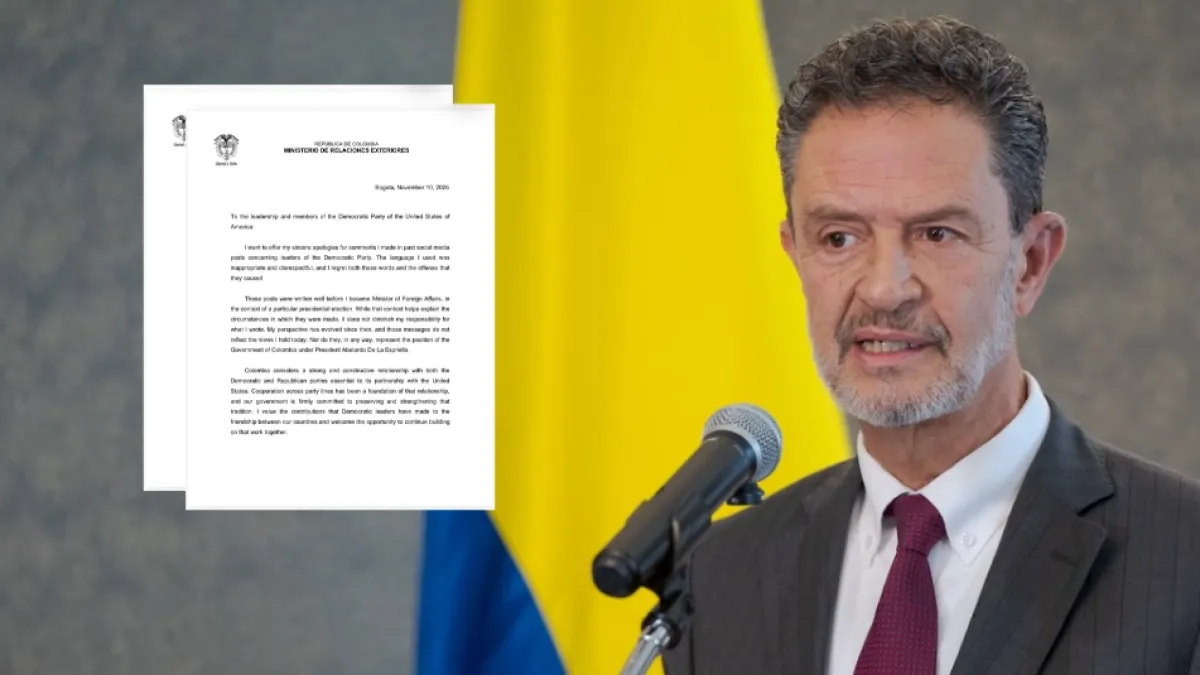
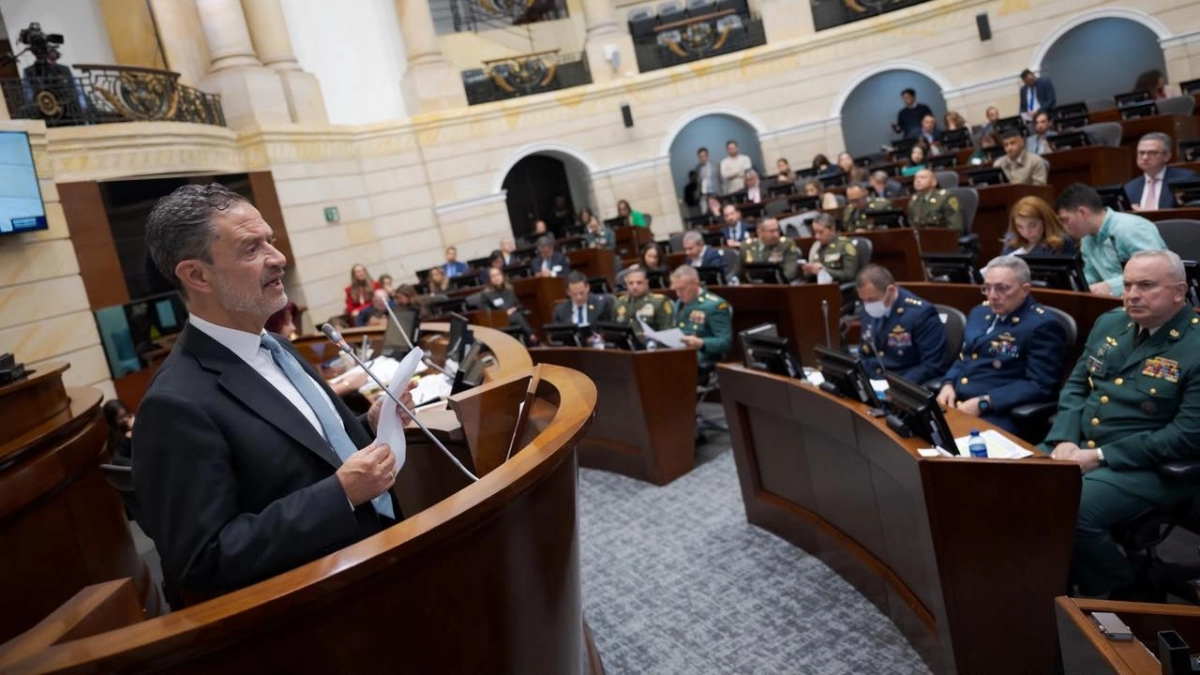
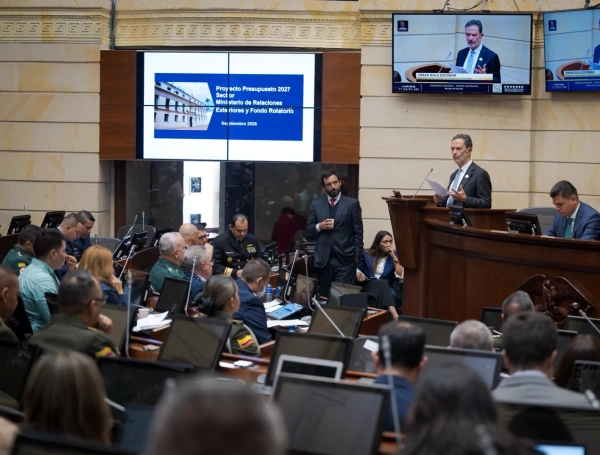
In a hard-hitting address before the Second Commission of the Senate on Monday, September 14, 2026, Colombia’s Minister of Foreign Affairs, Omar Bula, laid bare a profound structural, financial, and technological crisis within the country’s diplomatic apparatus. Far from presenting a rosy picture of international relations, Bula delivered a sobering diagnostic report detailing years of institutional drift, obsolete technological architecture, precarious financial sustainability within the Rotatory Fund, and poorly managed passport models.
Rather than proposing the controversial closure of diplomatic missions—a rumor that had previously circulated in political corridors—the Chancellor instead focused on systemic accountability, performance tracking, and severe cost optimization. Among the most startling revelations was a planned spending adjustment of 383,000 million pesos and a stark warning regarding the agency’s escalating dependency on self-generated funds, which are projected to leap from 41 percent in 2020 to 77 percent by 2027.
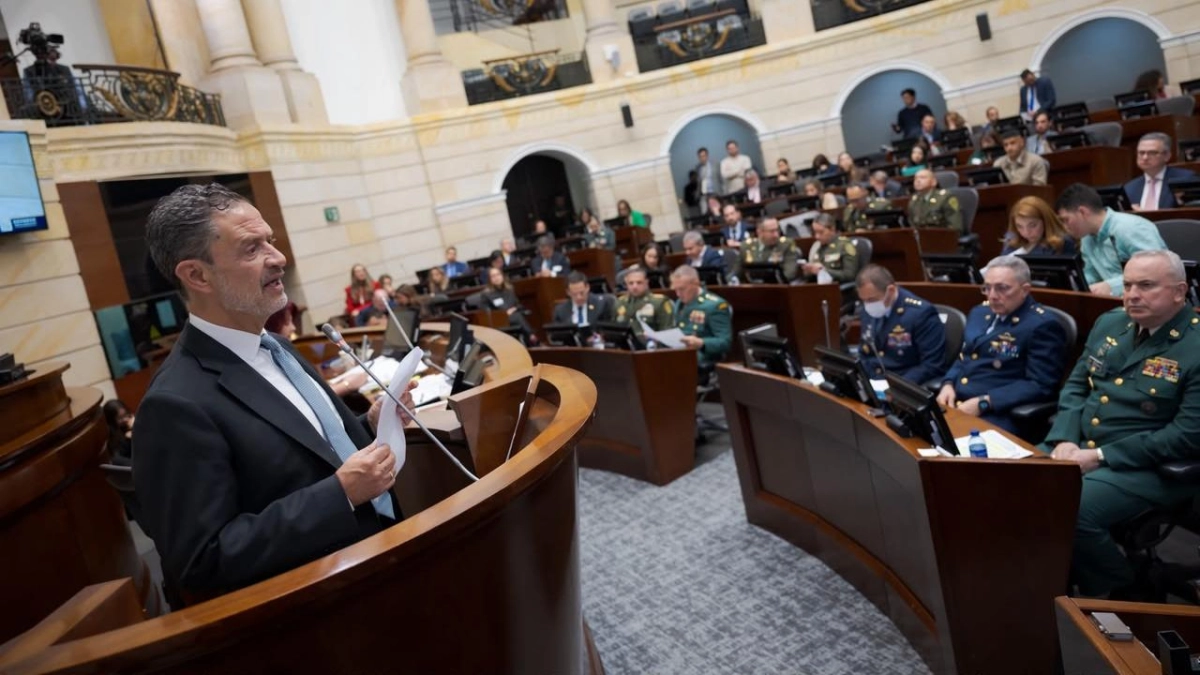
Furthermore, Bula targeted bureaucratic inefficiency, memorably declaring that the Ministry can no longer suffer from "public pachydermia" and must instead be run with the rigorous metrics of a modern corporation.
Chronology of Events
- 2020: The baseline year cited in the Ministry’s diagnostic, during which self-generated resources accounted for 41 percent of the Rotatory Fund’s operational financing.
- Early 2024–Mid 2026: Accumulation of unmonitored costs, fragmenting technology investments, and uncoordinated mission expansions that strained the Foreign Service’s budget.
- August 2024: Initial transition phases and groundwork laid by incoming administration teams to audit internal systems and contractual frameworks.
- Monday, September 14, 2026: Chancellor Omar Bula officially appears before the Second Commission of the Senate. He details the findings of the institutional audit, answers questions from lawmakers including Senate President Honorio Henríquez, and outlines the pilot phase of a new data-driven management dashboard.
- Projected 2026–2027: Implementation window for major administrative adjustments, targeted savings of 383,000 million pesos, and the expected peak dependency on self-generated funds reaching 77 percent.
Supporting Data and Financial Diagnostics
The documentation presented by Minister Bula to the Senate committee revealed a litany of financial vulnerabilities and operational bottlenecks that threaten the long-term viability of Colombia’s foreign policy execution.
1. The Financial Strain on the Rotatory Fund
The financial foundation of the Ministry relies heavily on its Rotatory Fund, which has seen its sustainability deteriorate significantly over the past several years.

- Reliance on Self-Generated Funds: In 2020, internal revenues accounted for 41 percent of operational financing. Projections indicate this figure will skyrocket to 77 percent by 2027, placing an unsustainable burden on service-generated income.
- Unplanned Expenditures: Bula highlighted an uncoordinated increase in expenses tied to the expansion of foreign missions and international commitments.
- Revenue Deficits: The Ministry faces a worrisome trend toward operational deficits, with current collection rates lagging behind the financial targets established for 2026.
2. Flaws in the Passport Model
The management of Colombia’s passport issuance has long been a subject of public scrutiny, but Bula’s diagnostic exposed deep structural and financial flaws that were never comprehensively evaluated by previous administrations.
- Unsubstantiated Rate Cuts: Tariffs were reduced without updated cost-benefit studies.
- Inflationary Lag: Passport fees failed to keep pace with the Consumer Price Index (CPI), yet there was no concurrent, demonstrated reduction in the underlying operational costs.
- Erosion of Income: These mismanaged adjustments directly damaged the principal revenue stream of the Rotatory Fund.
- Legal Uncertainty: The administration confirmed that there remains significant legal and operational ambiguity surrounding the continuity of the current contracting and service model.
3. Technological Obsolescence and Fragmentation
Perhaps the most alarming operational hurdle unveiled during the hearing is the state of the Ministry’s information technology.
- Disjointed Systems: The Foreign Ministry currently operates across more than 37 disparate information systems that lack internal, sectoral, or cross-governmental integration and interoperability.
- Inefficiency and Waste: This fragmentation breeds data duplication, constant reprocesing, and exorbitant maintenance costs.
- Blind Decision-Making: The lack of a unified digital architecture severely limits data-driven governance. Bula criticized past administrations for making short-sighted tech investments characterized by fragmented, short-term contracting.
4. Heavy Reliance on Direct Contracting
Compounding the financial and technological woes, the diagnostic revealed that approximately 85 percent of all goods and services acquisitions within the Ministry rely on direct contracting mechanisms to maintain foreign service operations and institutional obligations.
Official Responses and Parliamentary Interaction
During the session before the Second Commission, lawmakers questioned the Chancellor regarding the state of Colombia’s foreign representation. While avoiding any mention of shutting down embassies—a measure that would carry heavy diplomatic and political repercussions—Bula stressed that physical presence must be justified by tangible economic and social utility.
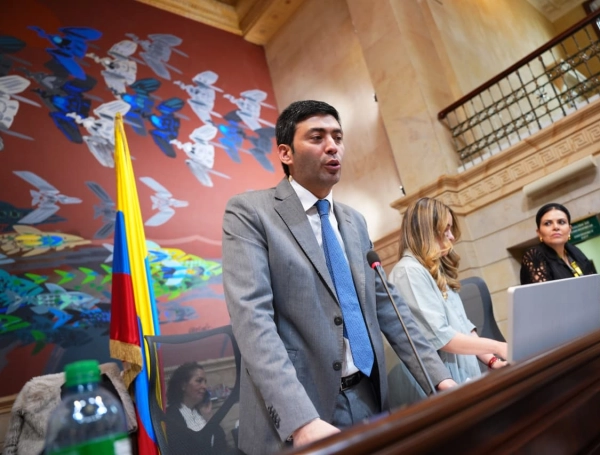
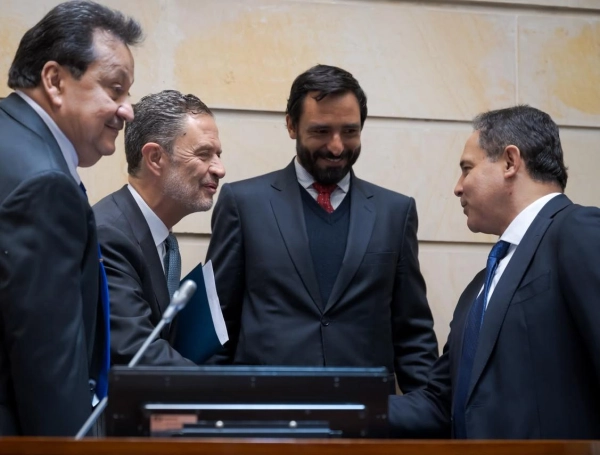
Greeting key congressional leaders, including Senate President Honorio Henríquez, Bula struck a collaborative yet uncompromising tone. He emphasized that the era of ambiguous diplomatic output is over.
To combat decades of administrative sluggishness, the Chancellor introduced the implementation of a modern management dashboard (dashboard), which is already undergoing a pilot rollout. This tool is designed to track key performance indicators (KPIs) for every embassy and consulate worldwide.
"We want to know in a dashboard… what are the performance figures of the embassies, of the consulates, what type of commerce or commercial relationship or revenue was generated by an embassy in a specific period, what kind of service the consulates gave to our fellow citizens abroad, but with figures, with measurement," Bula told the commission.
He added: "Like any company does. The Ministry of Foreign Affairs cannot continue to be, to suffer from this public pachydermia. This has to be managed like a business."
Implications for Colombia’s Foreign Service
The exhaustive diagnostic and proposed overhaul presented by Minister Bula signal a pivotal turning point for Colombian diplomacy. The implications of this policy shift span financial, administrative, and geopolitical dimensions:

1. Shift Toward Corporate Accountability
By explicitly comparing the Ministry to a private enterprise, Bula is attempting to dismantle the bureaucratic inertia (paquidermia pública) that has historically plagued public administration in Colombia. If successful, the implementation of data-driven dashboards will force ambassadors and consuls to justify their budgets based on concrete deliverables, such as trade generation, foreign direct investment attraction, and the efficiency of consular assistance provided to the diaspora.
2. Fiscal Stabilization and Budgetary Constraints
The mandated optimization plan—featuring a sweeping 383,000 million peso budget adjustment—will require rigorous fiscal discipline. As reliance on self-generated funds climbs toward 77 percent, the Ministry must drastically clean up its procurement processes, addressing the over-reliance on direct contracting (which currently absorbs 85 percent of acquisitions) and ensuring greater transparency and competitiveness in bidding.
3. Overhauling Consular Services and Technological Integration
For millions of Colombians living abroad, the promise of modernizing technological systems directly translates to better, faster, and more reliable consular services. Unifying the 37 isolated information systems will streamline passport processing, civil registration, and emergency assistance, ultimately reducing wait times and administrative errors.

4. Legislative and Political Fallout
The reception of Bula’s report by the Second Commission of the Senate sets the stage for ongoing legislative oversight. While lawmakers expressed concern over the financial vulnerabilities of the Rotatory Fund and the past mismanagement of passport tariffs, the clear, data-backed approach offered by the Chancellor provides a roadmap that may secure bipartisan backing for the upcoming budgetary adjustments.
As the Ministry of Foreign Affairs embarks on this ambitious modernization drive, the coming months will test the administration’s capacity to transform diagnostic insights into tangible bureaucratic reform, ensuring that Colombia’s diplomatic corps functions not just as a political outpost, but as an efficient, results-driven engine for national interests abroad.