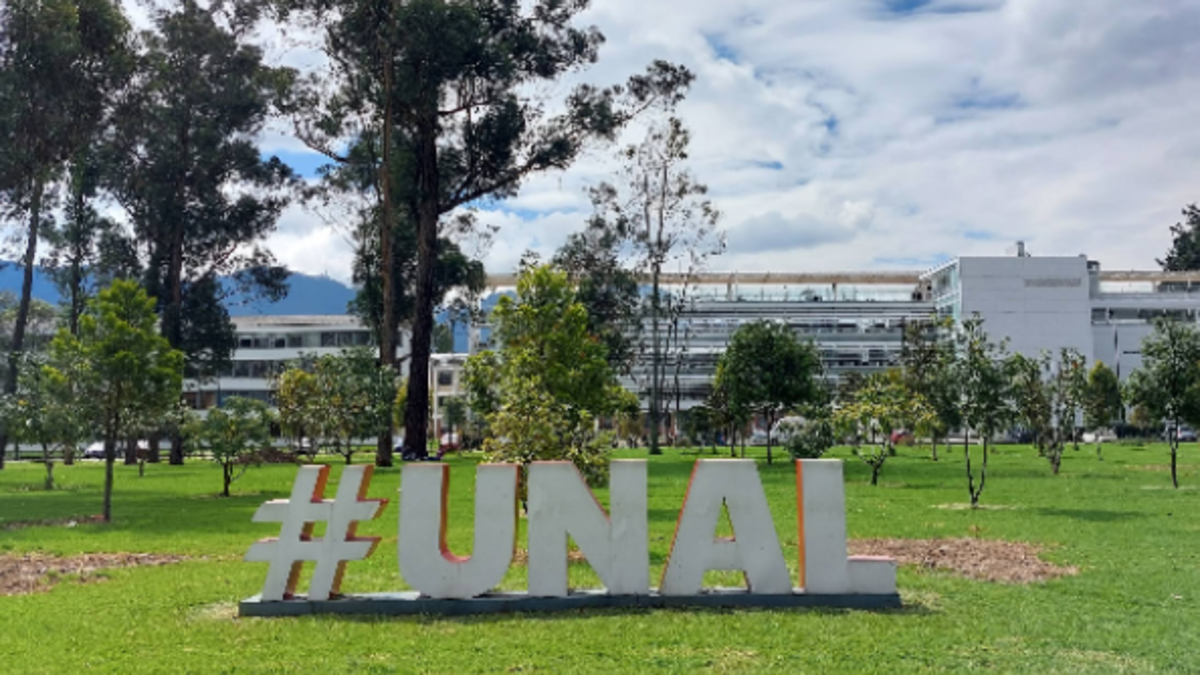
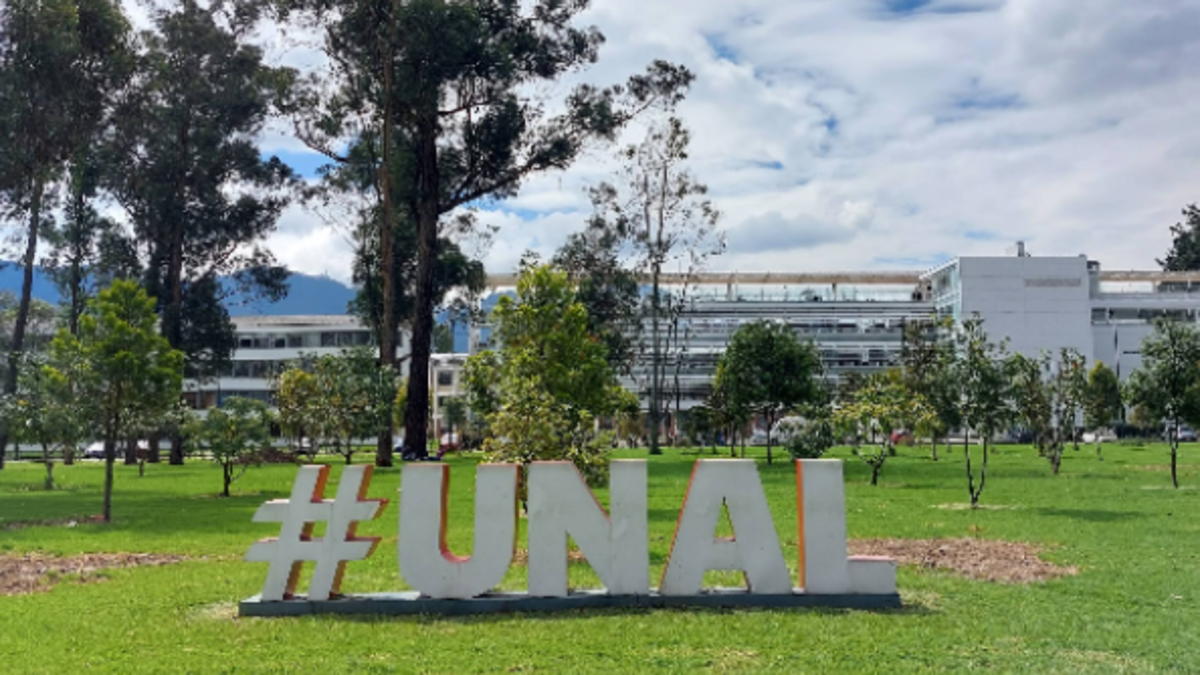
The gates of the National University of Colombia (Universidad Nacional de Colombia), long considered the pinnacle of public higher education in the Andean nation, are witnessing a quiet yet alarming transformation. Recent statistical disclosures from the institution’s admissions office reveal an unprecedented downward spiral in the number of prospective students seeking entry.
For the entrance examination slated for the first academic term, application numbers have plunged to levels not witnessed in over two decades. This dramatic shift has catalyzed intense debates among sociologists, educational analysts, and academic leaders regarding the changing expectations of modern youth, institutional stability, and the future viability of traditional higher education models in Latin America.
Main Facts: A Historic Low in University Admissions
The scale of the decline is substantial. Official data indicates that the recent admission exam for the initial academic period registered a mere 39,397 applicants. To put this figure into perspective, it represents a staggering 48 percent reduction compared to the peak recorded eight years prior, when an overwhelming 75,681 individuals vied for a spot during the 2019-I intake.
Crucially, educational experts clarify that this severe contraction in applicant volume has not immediately altered total student enrollment numbers. Historically, the National University’s rigorous entrance examination functions as a high-stakes competitive filter rather than a direct measure of institutional capacity.
Each semester, the university admits between 6,000 and 7,000 top-performing candidates, resulting in a steady freshman enrollment pool of approximately 4,500 to 5,000 students. Because the pool of applicants consistently outstrips the available slots, classrooms remain physically occupied. However, the dwindling interest signals a profound erosion of the institution’s magnetic pull over successive cohorts of high school graduates.
The phenomenon is not isolated to the primary semester intakes. A parallel contraction plagues the mid-year examination cycles. For the second semester of 2026, the university recorded only 24,546 applicants—a sharp descent from the historical high of 44,188 aspirants observed during the 2018-II cycle, a period when mid-year pools rarely dipped below 35,000 candidates.
Chronology of the Decline: From Peak to Precipice
To fully grasp the gravity of the current trend, one must trace the trajectory of the university’s application metrics over the past decade:
Pre-2019 Era: For years, the National University enjoyed robust and stable demand. Application numbers for first-semester entries consistently hovered between 60,000 and 70,000 candidates, underscoring its status as the undisputed crown jewel of Colombian public academia.
The 2019 Apex: The institution reached its zenith during the 2019-I cycle, registering an all-time high of 75,681 applicants. At this point, demand vastly outstripped supply, reinforcing the prestige associated with passing the selective exam.
The Pandemic Resilience (2020–2021): Even amidst the global disruption of the COVID-19 pandemic—which severely impacted economic and educational stability—application numbers proved resilient. For the 2021-I intake (administered in late 2020), the applicant pool remained robust, surpassing 58,000 individuals.
The Post-Pandemic Divergence (2022–2026): Following the pandemic, while other elite global and regional institutions experienced stabilization or quick recoveries, the National University entered an erratic downward slope.
The 2027 Milestone: With the most recent examination dropping below the 40,000 threshold for the first time in over twenty years, the university faces a stark new reality that breaks sharply with historical precedent.
Supporting Data: Regional Disparities Across Campuses
While the contraction is systemic, its impact is unevenly distributed across the university’s multi-campus system. The decline is heavily concentrated in the institution’s larger historical centers, while peripheral branches exhibit divergent trends.
1. Bogotá Campus: The Epicenter of the Drop
As the flagship and largest campus, Bogotá bears the brunt of the contraction. For the upcoming 2027-I term, the campus registered 29,695 applicants—marking the second-lowest figure in the past 12 years (trailing only the 2025-I cycle). This stands in stark contrast to the 51,333 aspirants recorded in 2019-I.
2. Medellín Campus: A Steep Descent
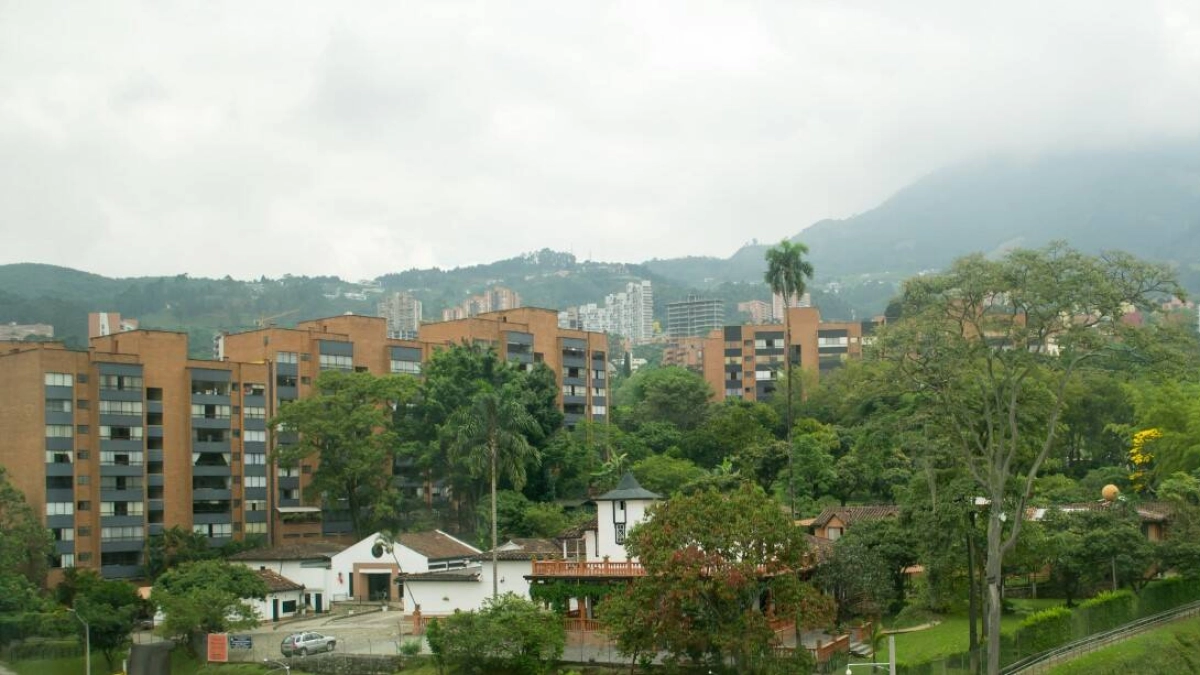
Historically recognized for its robust engineering and exact sciences programs, the Medellín campus reported 5,831 applicants for the upcoming first semester. This figure represents nearly a 50% drop compared to the 10,032 aspirants who applied for the equivalent term in 2019.
3. Manizales Campus: Signs of Fragile Recovery
The Manizales branch presents a more complex picture. The 2,070 individuals who sat for the recent exam show a slight rebound from the 1,511 applicants recorded earlier this year. Nevertheless, this remains well beneath the historical peak of 2,650 aspirants logged for the 2017-I term.
4. The Amazonía Anomaly
In stark defiance of national trends, the Amazonía campus stands out as the sole regional center displaying an upward trajectory. Although final counts for the 2027-I cycle are still being finalized, the preceding 2026-I term hit an all-time high of 1,312 applicants, illustrating localized growth amidst nationwide contraction.
Official Responses and Demographic Context
A superficial analysis might attribute this decline to broader demographic shifts—specifically, falling birth rates across Colombia. However, demographic experts and institutional data quickly discount this hypothesis as the primary driver.
National statistics indicate that Colombia’s birth rate began a sustained decline around 2018, following a historic peak in 2017. Consequently, while demographic contraction is currently visible in early childhood education and primary schools, its ripple effects have not yet reached the traditional university-age cohort (typically 17 to 21 years old).
Even in Bogotá, where demographic slowdowns began earlier (around 2009, according to DANE data), the reduction in the college-aged population is modest and utterly disproportionate to the dramatic plunge in university applications. Educational demographers project that wider systemic demographic impacts on higher education will not fully materialize for another decade.
Faced with this reality, academic authorities, faculty members, and external analysts have turned their attention toward institutional governance, security, and shifting youth aspirations.
Implications: Why Are Students Turning Away?
The exodus of prospective applicants cannot be pinned on a single factor. Instead, academic insiders and educational analysts point to a confluence of institutional instability, safety concerns, and structural inflexibility within the university’s academic offerings.
Institutional Instability and Campus Unrest
For the past three years, the National University has frequently dominated headlines for the wrong reasons. A protracted and contentious governance crisis surrounding the election of the university rector—pitting Leopoldo Múnera against José Ismael Peña—paralyzed administrative processes, triggered internal polarization, and severely disrupted academic calendars.
Although the dispute was eventually settled via rulings by the Council of State, the reputational damage lingered. High-profile incidents of internal violence, such as an assault on a student representative inside the Bogotá campus, further exacerbated public anxieties.
Mauricio Restrepo, a former professor at the institution, notes how these events influence family decision-making:
"What we observe is that young people and their parents see news reports about delayed semesters or suspended classes, and they prefer to explore alternative options. Even though recent periods have been relatively stable and uninterrupted, the psychological imprint remains a recurring concern for families."
The Demand for Flexibility and Shorter Pathways
Beyond campus politics, global and domestic shifts in educational preferences are reshaping student behavior. Ricardo Rodríguez, an educational analyst, highlights a broader global trend of declining traditional university enrollments, noting that elite institutions typically remain immune by continuing to draw massive applicant pools. The fact that the National University is bucking this protective trend suggests deeper structural vulnerabilities.
"Families do not want to expose their children to civil unrest, strikes, or the constant risk of postponed semesters. But that is not all. Students are increasingly driven by efficiency and convenience. Studies show that modern youth demand shorter, more flexible degree programs. They are reluctant to enter rigid institutions that have failed to streamline their curricula—a trend private universities have embraced—or institutions where burdensome entrance barriers limit educational access," Rodríguez explains.
Looking Ahead
The crisis facing the National University of Colombia serves as a cautionary tale for traditional public institutions across Latin America. While the university continues to fill its physical classrooms due to the sheer volume of intellectual talent still competing for limited seats, the shrinking base of applicants signals a profound disconnect.
To reclaim its historic appeal, the institution faces a dual imperative: restoring administrative stability and internal security, while urgently modernizing its academic architecture to meet a new generation’s demands for agility, relevance, and flexibility. Failing to adapt risks reducing a legendary academic sanctuary into a relic of a bygone educational era.
By Global Science Desk Published: September 17, 2026 Main Facts The cosmos has offered its first blurred, ring-shaped wink to humanity’s newest and most ambitious panoramic observatory. The National Aeronautics and Space Administration (NASA) has…
By Edwin Caicedo | Environmental and Health Journalism Updated and Expanded Report Main Facts: A Historic Milestone for Urban Mobility in South America Medellín, the vibrant capital of Colombia’s Antioquia department, has achieved a historic…
By: Environmental and Pet Health Editorial Desk Published: October 27, 2026 Category: Life & Pets / Veterinary Science Main Facts: Understanding the Architecture of Feline Sleep Comprehending the resting routines of domestic felines often presents…