By: Environmental and Pet Health Editorial Desk
Published: October 27, 2026
Category: Life & Pets / Veterinary Science
Main Facts: Understanding the Architecture of Feline Sleep
Comprehending the resting routines of domestic felines often presents a perplexing puzzle for pet parents. A common misconception is that companion animals share identical sleep architectures and circadian rhythms with humans. However, a cat’s biology is fine-tuned by evolutionary stimuli that diverge sharply from our own.
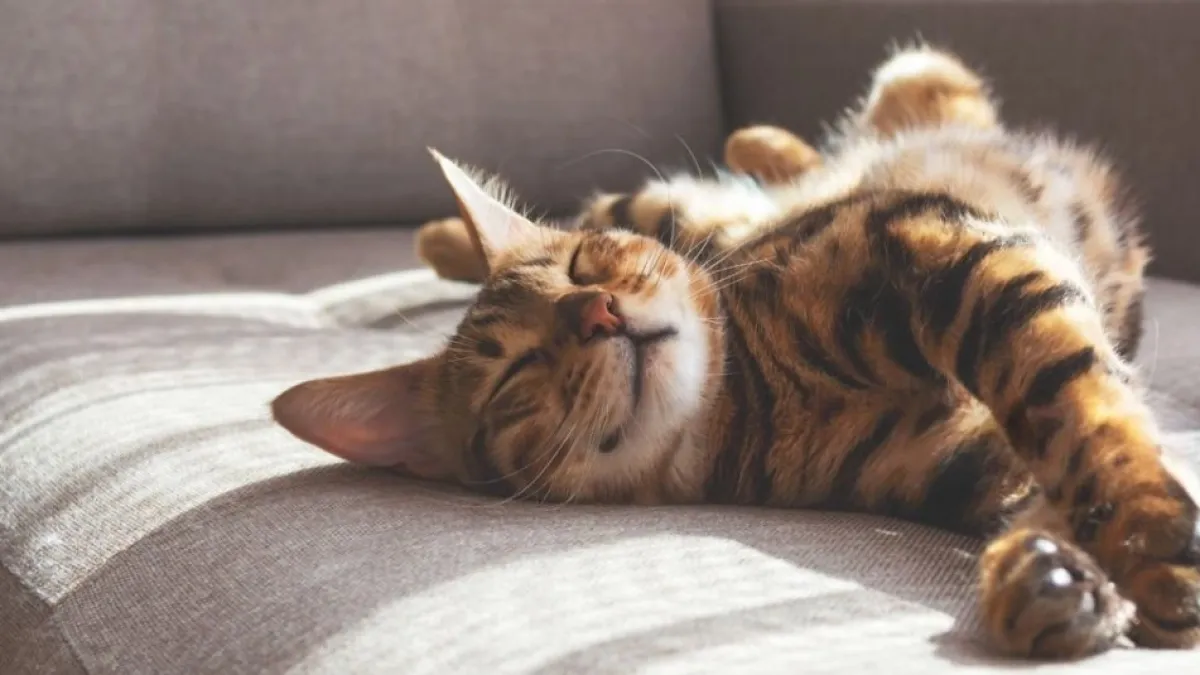
Recent insights from etologists and veterinary medicine specialists emphasize that a cat’s nocturnal behaviors—specifically their choice between seeking blinding light or subterranean shadow—are deeply rooted in survival instincts and sophisticated ocular anatomy. Far from being simple lazy house pets, cats operate under an internal code dictated by millions of years of predatory evolution.
Key highlights regarding feline sleep include:

- The Crepuscular Myth: Cats are not strictly nocturnal; rather, they are crepuscular, meaning their evolutionary peak activity occurs at dawn and dusk.
- The Need for Security: Low-light environments and enclosed spaces mimic ancestral dens, offering deep psychological comfort and protection.
- Ocular Specializations: Their unique eye structure allows them to process minute amounts of light, making total darkness or heavy shade an ideal setting for physical restoration.
- Hormonal Balance: Maintaining a predictable cycle of natural light and dark spaces regulates melatonin production, drastically lowering stress levels.
Chronology: From Wild Ancestors to the Modern Living Room
To truly understand why your cat insists on sleeping under a bed, inside a dark closet, or curled up in a covered box during the mid-afternoon, we must trace the historical timeline of the domestic cat (Felis catus).
1. The Progenitor Era: Survival in the Shadows (Pre-Domestication)
Millennia before domestic cats warmed our couches, their wild ancestors (Felis lybica, or the African wildcat) roamed arid landscapes. Survival depended entirely on energy conservation. Because the desert sun during peak daylight hours posed a severe risk of dehydration and exposed them to larger apex predators, these small felines learned to retreat into deep, dark burrows, hollow logs, or shaded crevices.
2. The Agricultural Revolution: The Dawn of the Crepuscular Hunter (Approx. 10,000 Years Ago)
As human societies transitioned to agriculture, rodents flocked to grain stores, drawing wildcats closer to human settlements. During this era, cats optimized their hunting strategies around the crepuscular hours—dawn and dusk. The lighting conditions during these windows offered the optimal camouflage: enough light to spot scurrying prey, but enough shadow to remain hidden. This cemented their biological clock, dividing their days into intense bursts of hunting energy followed by long hours of deep, dark-seeking slumber.
3. The Modern Domestic Transition (Present Day)
Today, despite thousands of years of living alongside humans, the genetic programming of the African wildcat remains remarkably intact within our domestic companions. While modern cats no longer need to hunt for survival, their instinct to retreat to dark, secure, and quiet environments for rest remains a hardwired behavioral imperative. Modern veterinary etology now focuses on bridging the gap between this wild heritage and the domestic environment to improve feline welfare.
Supporting Data: The Science of Feline Vision and Rest
Veterinary science and animal behavior studies provide fascinating data regarding how physical traits dictate sleep preferences in cats.
Ocular Anatomy and Light Sensitivity
A cat’s eyes are optical masterpieces designed for low-light performance. Their retinas contain a high concentration of rod cells—photoreceptors specialized in detecting motion and dim light—along with a reflective layer behind the retina called the tapetum lucidum, which bounces light back through the photoreceptors.
Because their eyes are so intensely sensitive to illumination, bright, glaring sunlight can actually cause sensory overload or discomfort when they are trying to wind down. Consequently, seeking out dark rooms, heavy drapes, or covered cat beds prevents optical strain, allowing the feline brain to transition smoothly into the rapid eye movement (REM) and non-REM cycles necessary for cellular repair and memory consolidation.
Behavioral Studies on Stress and Environmental Enrichment
According to recent observational studies conducted by animal behaviorists, cats provided with designated dark, enclosed resting zones exhibit significantly lower baseline cortisol (stress hormone) levels than those forced to sleep out in the open or in brightly lit, high-traffic areas of a home.
Furthermore, data shows that uninhibited access to a balanced cycle of natural daylight combined with shadowy, secure hiding spots correlates with:
- A 30% reduction in nocturnal behavioral disruptions (such as night-time yowling or hyperactive sprinting).
- Faster onset of deep sleep stages.
- Improved immune system function due to proper melatonin synthesis.
Official Responses: Insights from Veterinary Experts
Leading voices in veterinary medicine and animal behavior have weighed in on how pet owners should interpret and accommodate these natural resting habits.
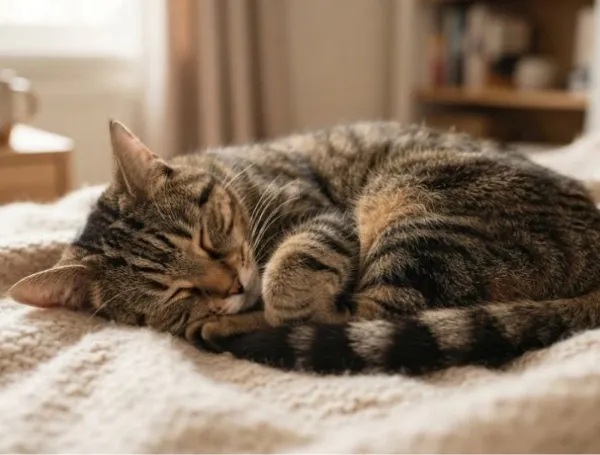
"If you let your cat sleep in your bed, it is not an act of irresponsibility; it is a profound reflection of empathy and mutual trust between species," notes Dr. Carlos Rodríguez, a prominent veterinarian specializing in small animal behavior. "However, owners must understand that sleeping in our beds is a social bonding exercise. For true, deep recovery, a cat will still seek out environments that offer physical boundaries, low light, and absolute quiet—mimicking the safety of a natural den."
Dr. Rodríguez and fellow etologists emphasize that forcing a cat to sleep in brightly lit areas or disrupting their preferred resting zones can lead to chronic anxiety.

"We often misinterpret a cat’s desire for solitude as aggression or aloofness," explains feline behavior specialist María Luisa Álvarez Mejía. "When a cat retreats into a dark closet or curls up under a blanket, they are engaging in a necessary biological reset. Respecting these boundaries is fundamental to preventing stress-related behavioral issues, such as inappropriate scratching or compulsive grooming."
Implications: Practical Steps to Optimize Your Cat’s Well-Being
Understanding the intricate relationship between lighting, instinct, and sleep quality carries direct implications for how we design our homes and care for our pets. To ensure optimal physical and mental health, veterinarians recommend that pet guardians take specific, actionable steps:

1. Create Multi-Level Resting Sanctuaries
Provide a variety of sleeping options across the home. This should include elevated perches for daytime surveillance, as well as enclosed, cave-like beds or cardboard boxes placed in low-traffic, dimly lit corners for deep sleep.
2. Respect the Crepuscular Cycle
Recognize that your cat’s energy levels will naturally spike around sunrise and sunset. Instead of trying to suppress these biological rhythms, lean into them by engaging in interactive play sessions with wand toys just before dusk, helping your cat expend energy before they settle into their nighttime resting routine.

3. Manage Home Illumination
Avoid leaving harsh artificial lights or blinding overhead bulbs on in rooms where your cat spends the night. Providing a gentle night-light or allowing natural moonlight to filter through blinds respects their sensitive ocular anatomy while still providing enough orientation if they need to navigate to their water bowl or litter box.
4. Optimize the Circadian Rhythm
Encourage exposure to natural sunlight near windows during the day. This helps anchor their biological clock, ensuring that the transition from daytime alertness to nighttime melatonin production occurs smoothly.

By aligning our domestic environments with the ancient, hardwired instincts of the feline species, we not only honor their evolutionary heritage but also foster a calmer, happier, and healthier life for our beloved animal companions.