By Justice Desk
October 26, 2026
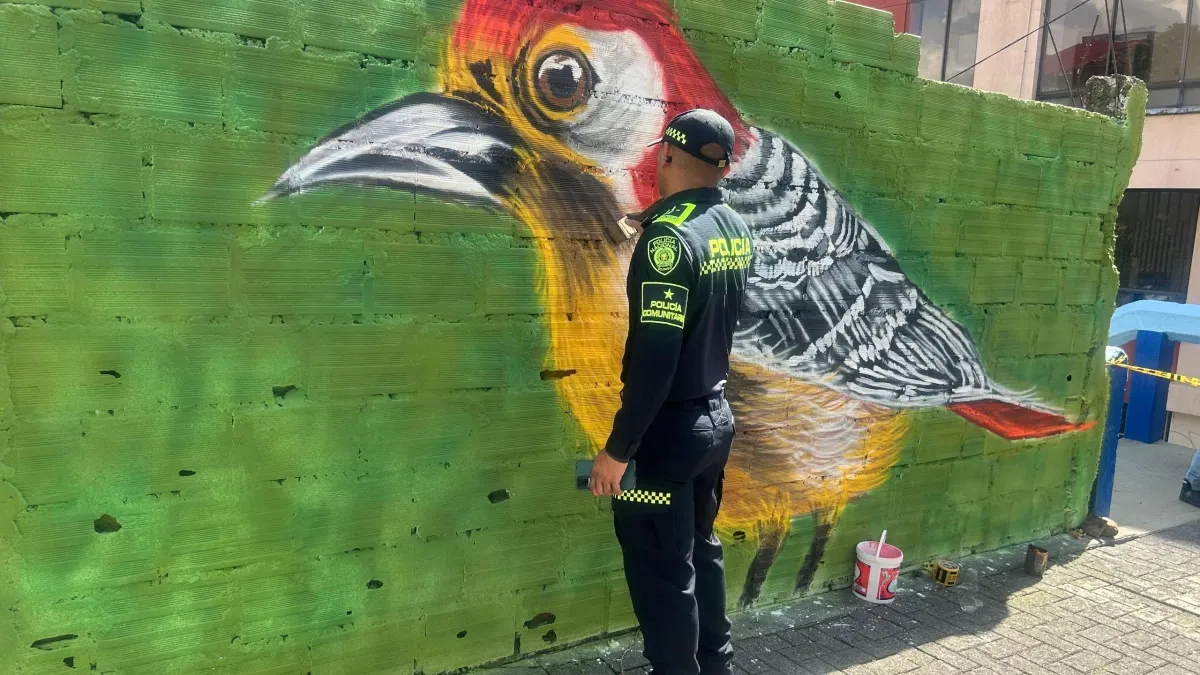
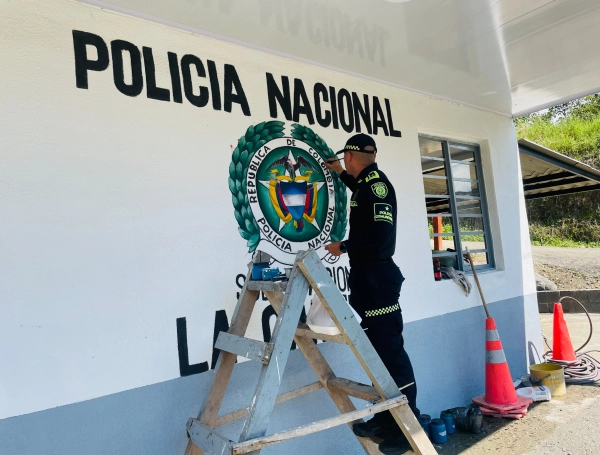
In the bustling streets of Pereira, Colombia, the sight of a police officer is usually associated with patrols, traffic regulation, or crime prevention. However, for the residents of the city’s most vibrant neighborhoods, a police uniform is now synonymous with paintbrushes, vibrant murals, and a message of hope. Sub-Intendant Kevin León Cuarán Herrera, a 30-year-old officer serving with the National Police, has bridged the gap between institutional security and public art, transforming the concrete landscape of Risaralda’s capital into a canvas for community identity.
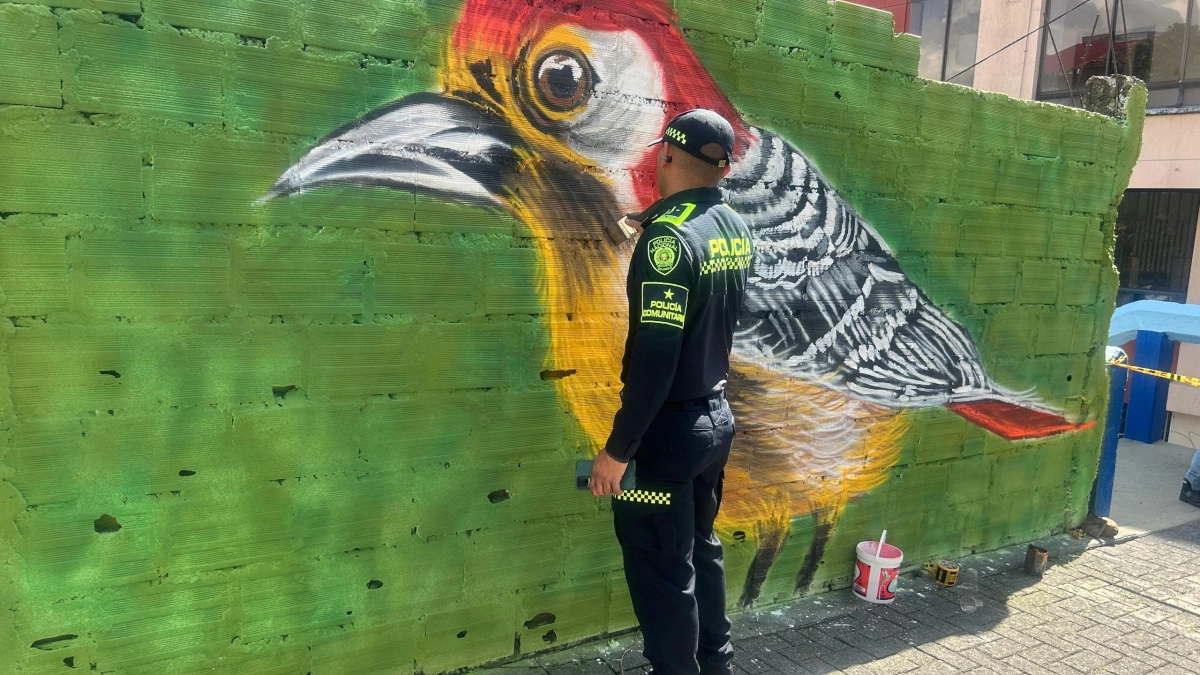
Main Facts: Art as a Tool for Social Cohesion
Kevin Cuarán Herrera is not your conventional police officer. While his daily duties involve his role as a citizen participation manager for the Community Police in Pereira, his true impact often lies in the artistic interventions he leads across the city. Born in Urrao, Antioquia, and having moved to Pereira in 2020, Cuarán has spent seven years in the force, consistently seeking ways to harmonize his sworn duty to protect with his lifelong passion for visual arts.
His methodology is unique: before applying a single drop of paint, he immerses himself in the local community. He talks to elders, listens to the concerns of youth, and identifies the historical or social touchpoints that define a neighborhood. His works—which range from abstract compositions to detailed portraits—serve as a bridge between the police and the public, replacing the often-tense atmosphere of traditional law enforcement with a collaborative, creative process.

A Chronological Journey: From Dragon Ball Z to Public Murals
The roots of Cuarán’s artistic career trace back to his childhood in Antioquia. Like many children, his first encounter with the power of the image came through pop culture. He spent countless hours meticulously copying the characters from his Dragon Ball Z card collection. When his lines faltered, he sought the counsel of his father, a man who became his first mentor and remains his primary artistic consultant today.
The Developmental Timeline:
- Childhood: Early exploration of drawing and sketching, focusing on precision and detail under his father’s guidance.
- Adolescence: A period of honing skills through school projects and posters, while developing an interest in visual communication.
- Young Adulthood: Formal studies in Graphic Design, which provided a theoretical framework for his innate artistic talent.
- 2019: Entry into the Colombian National Police, marking the beginning of a life of service.
- 2020: Assignment to the Community Police in Pereira, where he realized that his artistic background could serve as a unique tool for engagement.
- 2025: Representation of the Community Police at the second Expo Arte of the National Police in Bogotá, solidifying his status as a leading artistic voice within the institution.
- October 2026: Completion of his most significant recent work, Raíces de Fortaleza (Roots of Strength), following the earthquake that struck the region in August.
Supporting Data: The Technicality of a Muralist Officer
Cuarán’s artistic process is a blend of empirical practice and formal design knowledge. While he studied graphic design, he describes his mastery of muralism as largely "self-taught through practice." He navigates between different mediums, utilizing aerosols, professional acrylic paints, and precision markers to bring his visions to life.
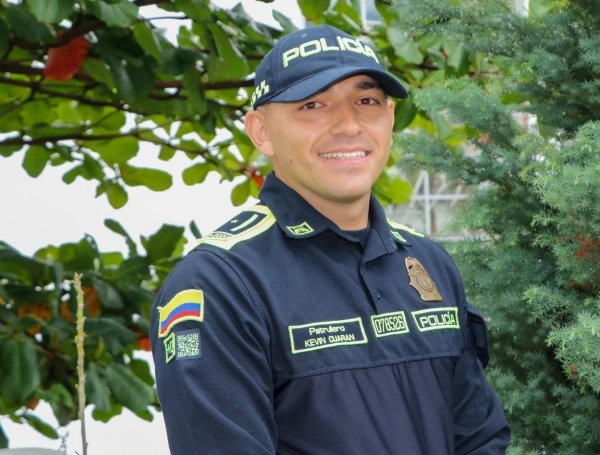
His style is heavily influenced by the Pop Art movement, characterized by high-contrast palettes and the ability to breathe life into static images. Whether using warm, inviting tones or cooler, somber hues, he adapts his aesthetic to the emotional needs of the project.
"I have said it many times: my father is the person who has helped me push my small-scale drawings to the limits of large-scale muralism," Cuarán explains. Even today, he maintains a ritual of consulting his father on complex projects. "Father, how does this look? How do I organize this? Is this proportion correct?" These questions are not just about aesthetics; they are about ensuring the mural resonates with the community it represents.
Official Responses and Institutional Impact
The Colombian National Police has increasingly recognized the value of "soft power" and community engagement. By allowing officers like Cuarán to integrate their artistic talents into their service, the institution has seen a tangible improvement in its relationship with local neighborhoods.
The initiative "Arte que transforma vidas" (Art that transforms lives) and "Murales por la Vida" (Murals for Life) are key examples of how the institution is diversifying its community approach. By engaging in these projects, Cuarán moves beyond the role of an authority figure and becomes a facilitator of collective expression.
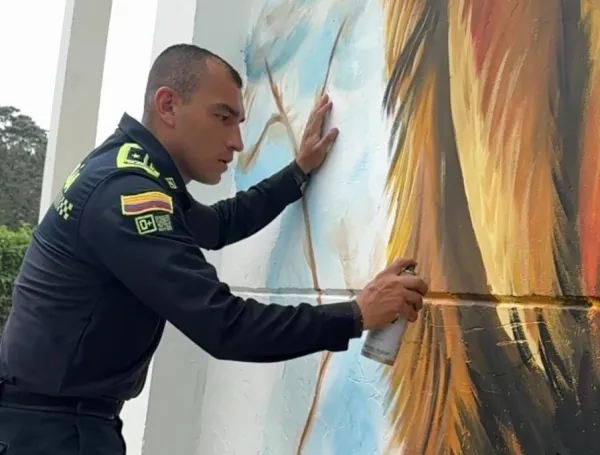
In 2025, when he traveled to Bogotá to present his work—including a piece honoring the struggle and resilience of a young Afro-descendant child and a tribute to the literary figure of Don Quixote—he received institutional validation. This support suggests a shift within the force toward valuing the holistic profile of its officers, acknowledging that a police officer who can paint is an officer who can connect.
Implications: The Legacy of ‘Raíces de Fortaleza’
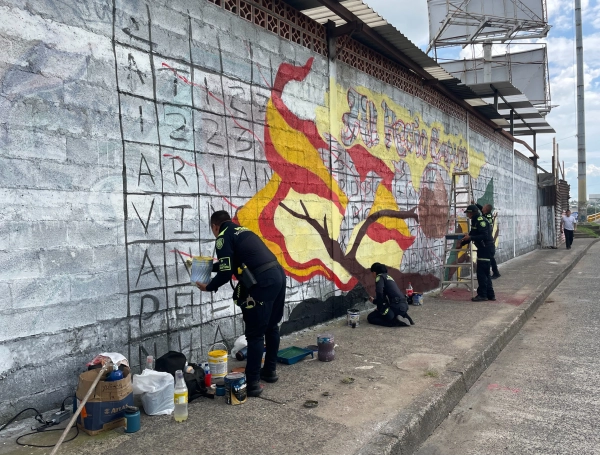
The true measure of Cuarán’s work is perhaps best exemplified by his recent project, Raíces de Fortaleza. Following the earthquake that devastated parts of the region on August 10, 2026, the community was left shaken, searching for symbols of stability and recovery.
Completed on October 19, the mural on the Avenida del Ferrocarril serves as a permanent testament to the collective memory of the tragedy. It is not merely a decoration; it is a monument to the resilience of those who survived and a marker of the city’s healing process. By memorializing the emergency in a public space, Cuarán has provided a focal point for the community to process their grief and find common ground.
Conclusion: A Vision for the Future
As Sub-Intendant Cuarán Herrera continues his work in the streets of Pereira, his message to the next generation remains clear and unwavering: "Art transforms lives." He actively encourages young people—those who might be tempted by the dangers of the street—to pick up a brush instead.
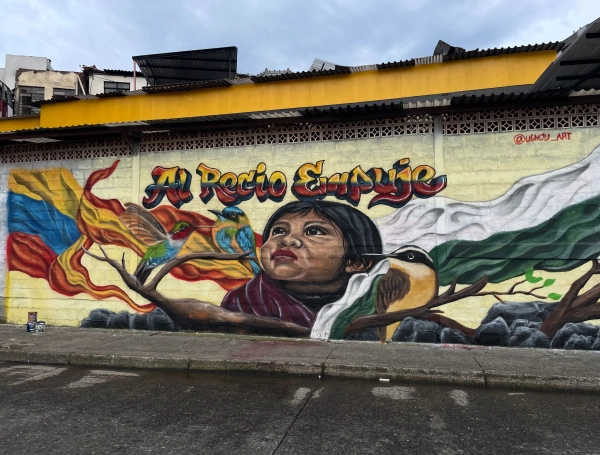
"Don’t leave your dreams behind," he urges. "If you like art, practice it, move it forward, and exploit your ideas. Even if you make mistakes, that’s part of the process. I’m going to do better next time."
His story represents a profound shift in the perception of authority. By viewing his service through the lens of creativity, he proves that security is not just about the absence of crime, but about the presence of a healthy, vibrant, and expressive community. As he balances the weight of his badge with the lightness of a spray-paint can, Kevin Cuarán Herrera is proving that the most effective way to protect a community is to help it find its own voice, one mural at a time.
For more information on the initiatives of the Community Police and their impact on public space, contact the Justice desk at [email protected] or follow the latest updates through our official social media channels.