By Maria Alejandra Moreno Flórez
Economic Correspondent
Colombia’s agricultural sector reached a watershed moment in 2025. With record-breaking export revenues and an unprecedented surge in milk production, the country appears to be asserting itself as a global powerhouse in food production. However, beneath the veneer of these macroeconomic triumphs lies a sobering reality: millions of citizens, particularly those in rural areas, remain trapped in a cycle of hunger and food insecurity. The disconnect between the nation’s ability to produce and its ability to feed its own people has sparked an urgent national debate regarding logistics, governance, and social equity.
The 2025 Economic Milestone: Production vs. Reality
In 2025, Colombia achieved a historic milestone in its agricultural and agro-industrial sectors, reporting total exports of US$15.317 billion. This represents a robust growth of 33.5% compared to 2024. Simultaneously, the domestic dairy sector reached its highest production levels in history, yielding 8.405 billion liters of milk—an increase of nearly 9% over the previous year.
While these figures are celebratory for trade balances and industrial growth, they are paradoxically decoupled from the welfare of the most vulnerable populations. According to the National Administrative Department of Statistics (DANE), the progress in productivity has not translated into improved food security. In 2025, 31.4% of households in rural areas and dispersed settlements suffered from moderate or severe food insecurity. In stark contrast, this figure stood at 18.1% for urban municipal centers, revealing a staggering 13.3-percentage-point gap that highlights a deepening divide between urban development and rural neglect.

While the national average for food insecurity fell to 21.1%—a marginal improvement from the 25.5% recorded in 2024—the persistent vulnerability of the rural population serves as a structural indictment of current distribution models.
A Chronology of the Food Crisis and Institutional Response
To understand the current state of food governance in Colombia, one must look at the evolution of these metrics over the last decade.
- 2016: The National Planning Department (DNP) publishes a landmark study identifying that Colombia loses or wastes roughly 9.76 million tons of food annually. This volume constitutes 34% of the total available supply, a statistic that has haunted public policy discussions for nearly a decade.
- 2020: The Colombian government enacts Law 2046, aiming to stimulate local economies by requiring public entities to purchase at least 30% of their food supplies from small-scale local producers.
- 2022: The National Logistics Survey indicates that companies are spending 17.9% of their total sales on logistics—transportation, storage, and processing.
- 2024: The National Logistics Survey shows a slight improvement, with logistics costs dropping to 15.6% of sales, though the agro-sector remains tethered to a 15% cost burden, significantly hindering price competitiveness.
- 2025: A study titled “Governance of the Right to Food and Logistic Resilience in Colombia,” commissioned by Tetra Pak and authored by Kreab Colombia, is released. It provides the definitive analysis of the current disconnect between production output and food accessibility.
The Logistical Bottleneck: Why Food Doesn’t Reach the Table
The central thesis of the recent Gobernanza del Derecho a la Alimentación study is that "greater production capacity does not automatically translate into greater food access." The report identifies three primary drivers of this dysfunction:
1. The Scourge of Waste
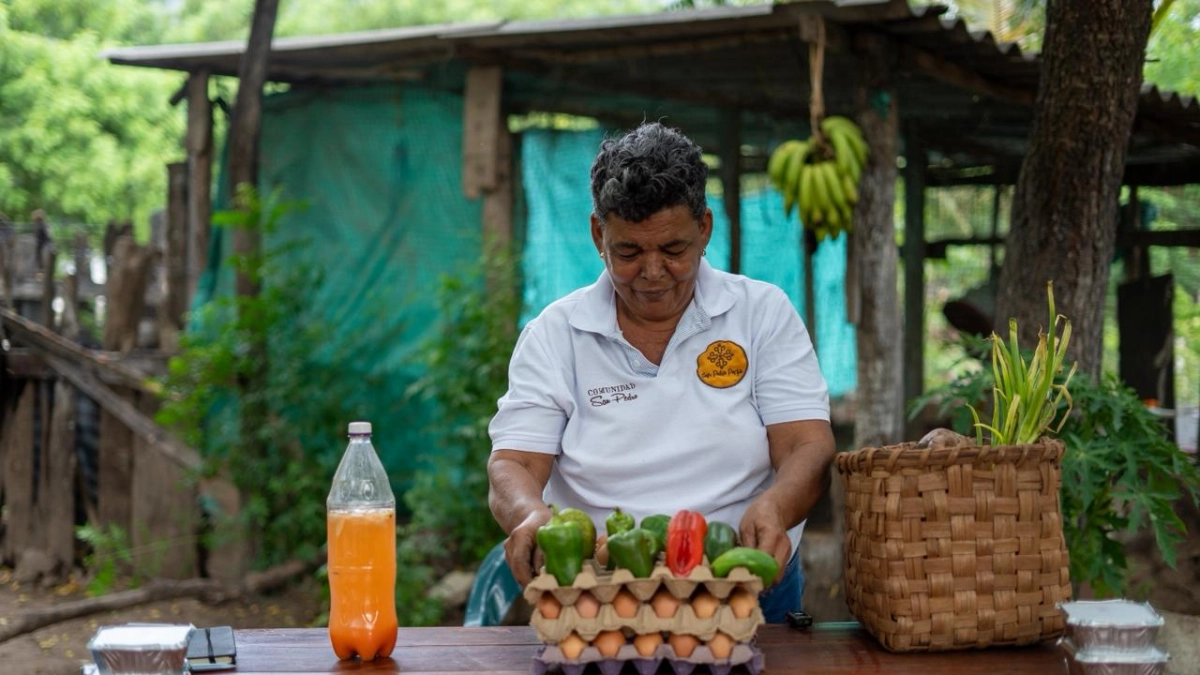
The DNP’s 2016 estimate—still the benchmark for current analysis—reveals that 26,700 tons of food are lost daily in Colombia. That is over 1,100 tons per hour. Crucially, the study notes that 63.8% of these losses occur before the product even reaches the distribution stage. This happens during the initial phases of the value chain: improper harvesting techniques, poor post-harvest storage, and archaic processing infrastructure. When food is lost in the field, it is not just a loss of nutrition; it is a loss of the rural producer’s livelihood.
2. The Logistics Tax
Logistics in Colombia act as a "hidden tax" on food. With agro-sector companies allocating 15% of their revenue to logistical operations, the cost of moving food from the fertile rural hinterlands to the urban markets is prohibitively high. Poor road infrastructure, lack of cold-chain technology, and fragmented supply chains mean that by the time a product reaches a consumer in a major city, its price has been inflated by transportation costs, while the producer at the source has seen very little of that margin.
3. The Institutional Gap
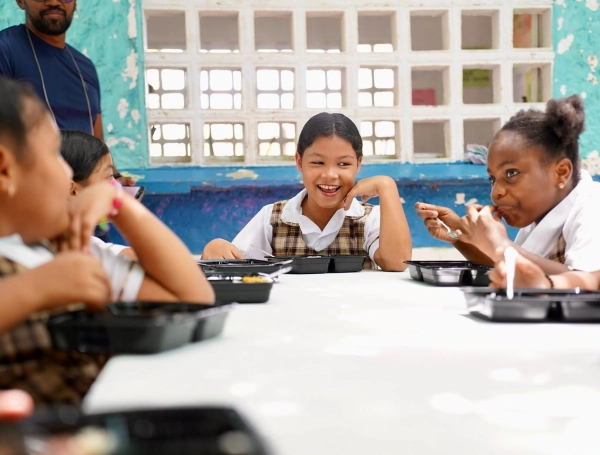
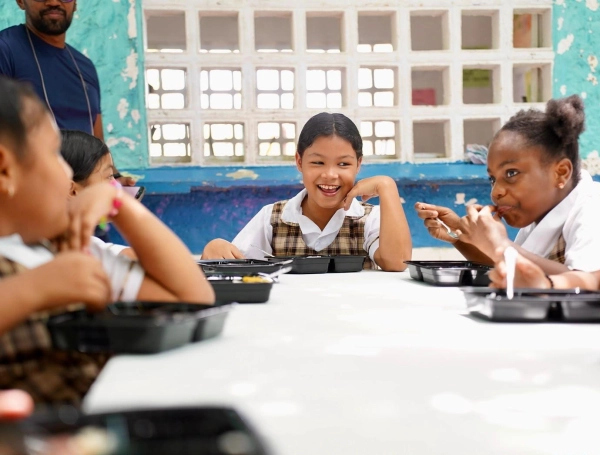
The School Feeding Program (PAE) represents one of the largest state-led efforts to combat hunger, currently serving over 5.1 million students with a target of reaching 6.2 million by 2026. However, the study warns that without a robust integration between the local supply of food and the state’s procurement capacity, the program will struggle to achieve its objectives. The mandate under Law 2046 to source 30% of food locally is a step in the right direction, but without the necessary infrastructure to aggregate, process, and certify the quality of small-scale production, the policy remains aspirational rather than operational.

Perspectives from the Private and Public Sectors
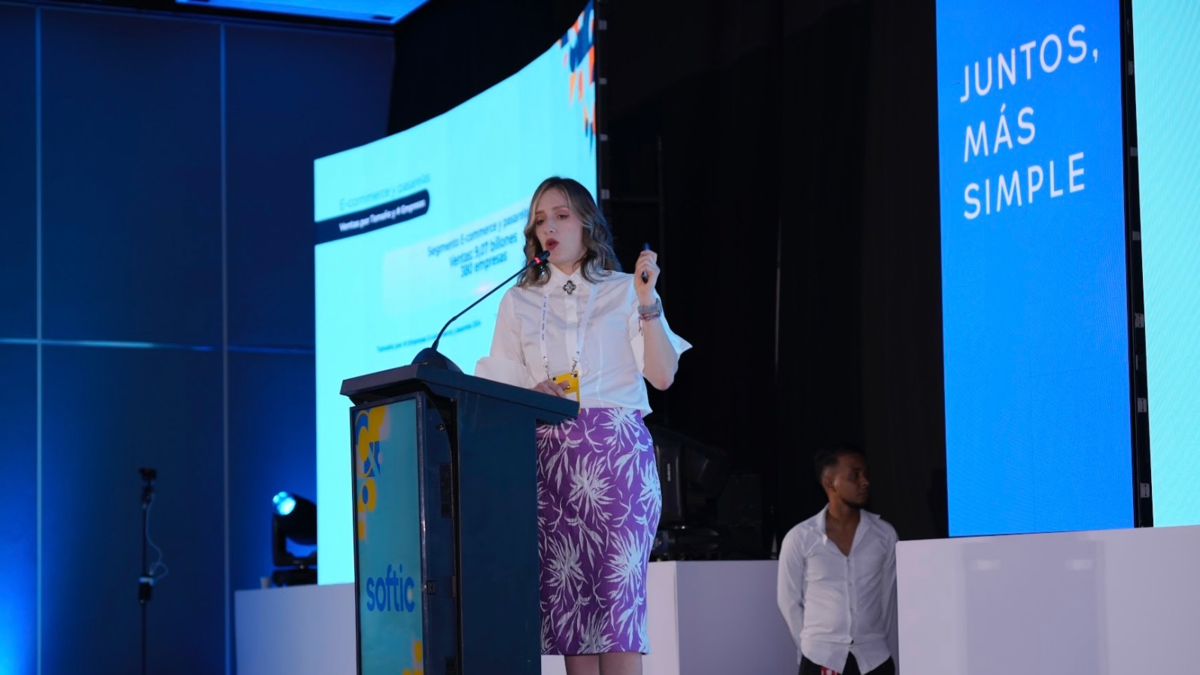
Marcela Velásquez, General Director of Tetra Pak Andina, argues that the nation’s success must be redefined. "The competitiveness of a food system is not measured solely by how much it produces, but by its capacity to leverage that production and convert it into food available to the people," Velásquez noted during the ‘Food Systems for the Future’ summit in Bogotá. She emphasized that the solution lies in looking beyond the farm gate and focusing on how technological and infrastructural investments can prevent the erosion of food supply.
Consuelo Pardo, a nutritionist and lead researcher on the project, echoed these sentiments, stressing that the problem is not a lack of calories, but a failure of logistics. "Food security in Colombia does not depend solely on having sufficient production; it depends on the ability to conserve, distribute, and ensure that food arrives in a stable, safe, and appropriate manner to those who need it most," Pardo stated.

Implications for the Future: A Path Toward 2030
The data suggests that if Colombia is to move toward the UN Sustainable Development Goal of "Zero Hunger" by 2030, it must fundamentally pivot its strategy.
- Infrastructure Investment: The state must prioritize the "last mile" of the rural supply chain. This means cold-storage warehouses, rural road connectivity, and regional processing hubs that allow small producers to add value to their crops before they spoil.
- Technology Transfer: Small-scale farmers require access to modern agricultural technologies that minimize post-harvest loss.
- Coordination: There is a critical need for a centralized body that coordinates the efforts of the Ministry of Agriculture, the DNP, and the private sector to ensure that the 30% local procurement goal under Law 2046 is met with standardized, high-quality products.
The 2025 record-breaking exports are a testament to the resilience and capability of Colombian farmers. However, the 31.4% rural food insecurity rate is a stern reminder that progress, if not inclusive, is fragile. As Colombia moves forward, the success of its agricultural policy will not be measured in billions of dollars of exports, but in the nutritional stability of the most isolated rural household.

The "Food Systems for the Future" summit concluded with a clear call to action: the time for viewing the agricultural sector as an isolated economic engine has passed. It must be viewed as an integrated social system, where the efficiency of a supply chain is as important as the quality of the soil. Only through a coordinated effort—bridging the gap between the producer in the field and the child in the school cafeteria—can Colombia reconcile its status as an agricultural giant with the basic human right to food.