As October draws to a close, Colombia is witnessing a sophisticated evolution in how citizens prepare for Halloween. No longer confined to a simple evening of trick-or-treating, the holiday has transformed into a multi-faceted economic event characterized by digital convenience, the rise of the circular economy, and a meticulous focus on personal care. Data from the 2026 season reveals that consumers are balancing festive indulgence with pragmatic financial choices, proving that Halloween now serves as a key indicator of digital consumer behavior in the country.
The Digital Pulse: How Colombians Shop for Spookiness
The e-commerce landscape in Colombia has seen a significant surge in activity as the October 31st deadline approaches. According to recent insights from Tiendanube, the period between October 6 and October 20, 2026, served as the primary window for "Halloween preparation shopping." During these two weeks, the average transaction value for carts containing themed products hovered around 131,500 Colombian pesos.
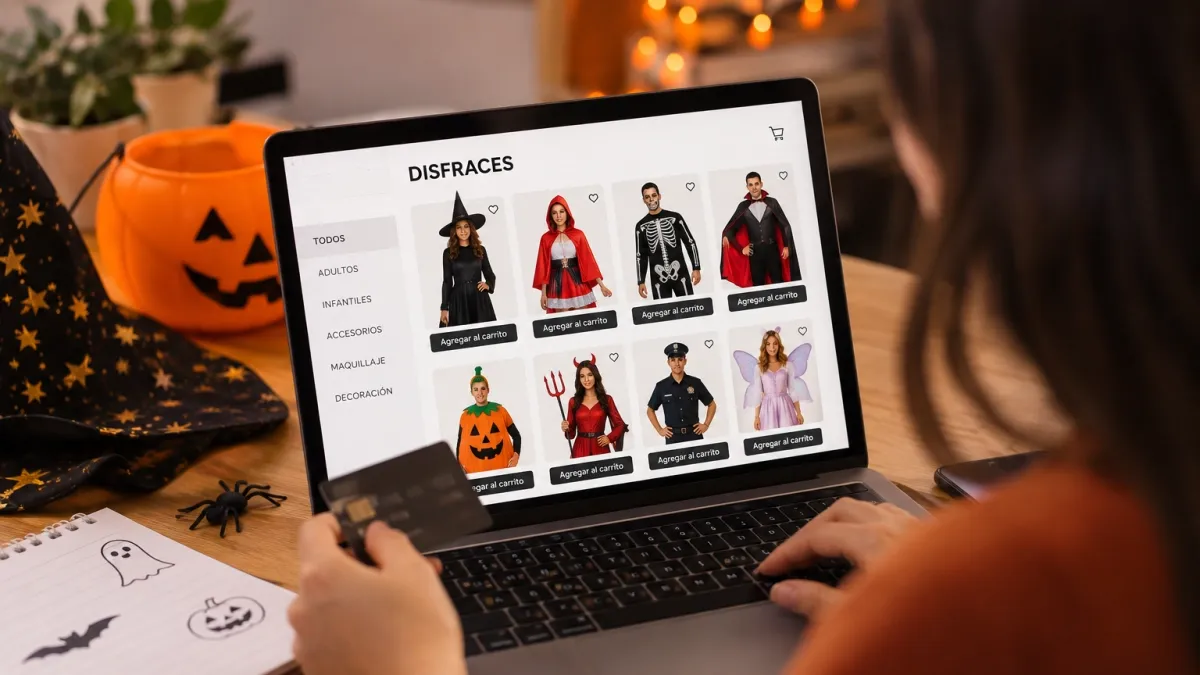
"Halloween functions in Colombia as a thermometer for the digital buyer," explains Augusto Otero, Country Manager of Tiendanube Colombia. "It is a time-bound date that requires rapid decision-making, offering a clear view of how people navigate specific, time-sensitive retail needs."
The data indicates that consumers are not just purchasing finished costumes; they are investing in an entire experience. While perennial favorites like "Beast Prince," "Snow White," "Dracula," and "Maleficent" continue to dominate the costume charts, the secondary market for party supplies is booming. Kitchen gadgets, particularly cookie cutters and baking stamps featuring pumpkins, ghosts, skeletons, and Frankenstein’s monster, have seen a marked increase in demand. This suggests that households are increasingly opting for "do-it-yourself" festive hospitality, using thematic baking as a core part of their celebration.

Geographically, the demand is concentrated, with Bogotá accounting for 50% of the transactions analyzed by the platform, followed by Antioquia at 20%. This suggests that urban centers remain the primary drivers of the festive economy.
The Circular Economy: Turning Old Costumes into New Capital
One of the most compelling trends observed in 2026 is the mainstream adoption of the circular economy for festive apparel. Recognizing that high-quality costumes are often worn for only a few hours, thousands of Colombians have turned to platforms like GoTrendier to monetize their closets.
Between September 2025 and September 2026, the secondary market for costumes reached significant heights. More than 6,100 used outfits were successfully sold, generating over 205 million pesos for their former owners. This shift signifies a departure from the "disposable costume" mentality.
The data from GoTrendier highlights a clear pattern: October is the peak month for this activity. In October 2025 alone, over 3,200 costumes changed hands, putting approximately 114 million pesos back into the pockets of consumers. The children’s category is the undisputed leader in this sector, accounting for nearly 2,000 of those transactions, followed by the women’s costume category with roughly 1,100 units.

"The figures show how resale can become a viable alternative to recover part of the investment and, at the same time, broaden access to these garments," says Ana Jiménez, Manager of GoTrendier in Colombia. By treating costumes as assets rather than seasonal waste, families are effectively subsidizing their current year’s celebration with the proceeds from the previous one.
Chronology of a Celebration: From Planning to Protection
The preparation for Halloween is a calculated process that begins well before the final week of October.

- Early September: The resale market begins to stir. As families assess what children have outgrown, platforms like GoTrendier see an uptick in listings. September 2026 alone saw 410 costumes sold, signaling that savvy consumers are looking to offload inventory early to avoid the last-minute rush.
- Early October (Oct 6–20): The primary retail window opens. E-commerce platforms report that the average basket size includes two items, usually a combination of a costume piece and an accessory—such as themed masks, cups, party favors, or specialized decorative adhesives.
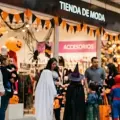
- Late October (Oct 30–31): The celebration phase. Major public events, such as those hosted at the Colpatria Tower in Bogotá, become the focal point. This year’s programming, scheduled for the 30th and 31st, integrates music, live DJs, and confectionery experiences, reflecting the shift toward professional, public-facing entertainment.
- Post-Celebration: The focus shifts to dermatological recovery. As the masks come off, the market for skin care products—particularly gentle cleansers and moisturizers—peaks.
The Professionalization of Fun: Official Oversight
As the scale of the celebration grows, so does the scrutiny from local authorities. In Bogotá, the Secretariat of Health has intensified inspections regarding the quality of candy, the prevalence of counterfeit or adulterated liquor, and the safety of face paints and cosmetics. These measures are designed to ensure that the excitement of the season does not result in public health emergencies.
Furthermore, cultural institutions have weighed in on how the holiday is observed. The cancellation of the "Noche de las Ánimas" (Night of the Souls) event at the Central Cemetery of Bogotá, following alerts from the Ministry of Culture, underscores an ongoing tension between modern commercial celebrations and the preservation of historical and cultural heritage. Authorities are increasingly pushing for "respect for historical values," suggesting that as the holiday matures, so does the public conversation surrounding its appropriate expression.

The "Aftermath": A Focus on Skin Health
A crucial, often overlooked, aspect of the Halloween economy is the professional advice regarding post-celebration skin care. With the widespread use of face paint and heavy makeup, companies like Cruz Verde have launched public information campaigns to prevent dermatological issues.
"After removing the makeup, it is important to remember that every skin type has different needs and can react in different ways," warns Juan David Izquierdo, Manager of Beauty and Personal Care at Cruz Verde. The company advises against using harsh scrubbing methods or excessively hot water, which can irritate skin that has been covered in synthetic pigments for hours. Instead, they recommend gentle, fragrance-free cleansers and a robust moisturizing routine. For those with sensitive skin, the advice is clear: avoid chemical exfoliants in the immediate aftermath of the festivities and seek medical attention if symptoms like intense itching, swelling, or blistering occur.
Socio-Economic Implications
The 2026 Halloween season highlights three major shifts in the Colombian consumer psyche:
- Conscious Consumption: The willingness to buy and sell used costumes proves that environmental and financial sustainability are becoming priorities even during festive periods.
- Digital Integration: The high percentage of purchases made online shows that Colombians are increasingly comfortable with e-commerce for niche, seasonal goods. The role of data analytics in platforms like Tiendanube allows retailers to stock more efficiently, reducing waste and matching supply to specific consumer desires.
- Experience-Driven Spending: The migration toward organized events, such as those in shopping malls and at the Colpatria Tower, indicates that consumers are looking for "third places"—spaces outside of home and work—to celebrate with their families, signaling a desire for communal, curated experiences rather than isolated parties.
As the country moves past the 2026 celebrations, the data suggests a resilient and increasingly sophisticated market. Whether through the sale of a child’s old superhero cape on a resale app or the careful selection of an organic, hypoallergenic face paint, the Colombian consumer is proving that the "spooky season" is, above all, a masterclass in modern economic adaptation. The holiday is no longer just about the candy in the bag; it is about the digital footprint, the circular trade, and the health-conscious choices that define the modern household.