International Desk
With reporting from EFE and AFP
Updated: October 1, 2026
Main Facts: A Routine Commercial Route Plunges into Crisis
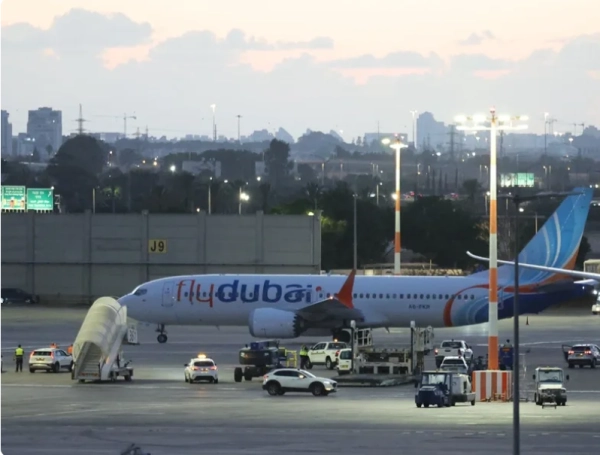
What was supposed to be a standard commercial flight across the Middle East transformed into a harrowing international security nightmare on September 30, 2026. Flydubai flight FZ 1073, operating a Boeing 737 MAX 8 and carrying 174 passengers, departed from Dubai International Airport (DXB) in the United Arab Emirates bound for Ben Gurion International Airport in Tel Aviv, Israel.
Instead of a routine landing, the aircraft became the center of a severe in-flight emergency triggered by an unprecedented violent altercation inside the cockpit. The incident featured a rapid, terrifying loss of altitude, coded emergency distress signals, combat aircraft mobilization, and a tense emergency landing in the remote Saudi Arabian city of Tabuk.
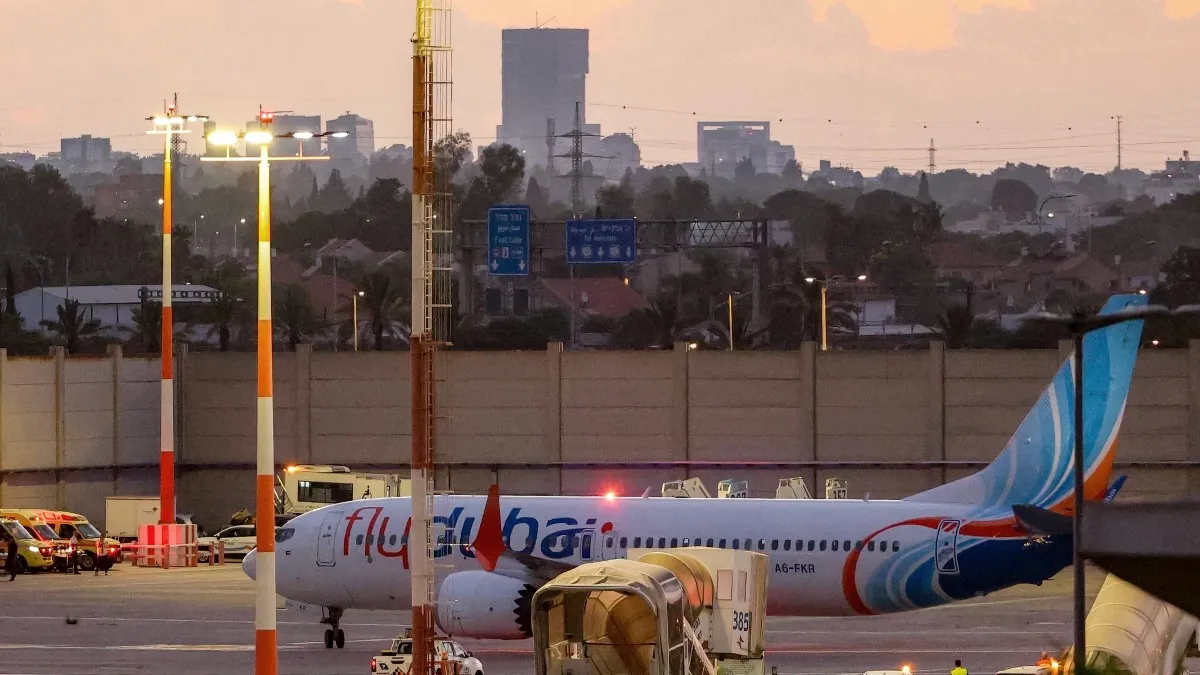
While the official investigations led by Saudi Arabia and the United Arab Emirates remain active and cautious, statements from Israeli leadership—including Prime Minister Benjamin Netanyahu—allege that the episode involved an attempted hijacking and a stabbing attack by one pilot against another. The incident left both pilots injured, stained the cockpit and cabin with blood, and exposed the fragile geopolitical tensions running beneath the skies of the Middle East.
Chronology of Terror: The 15 Minutes That Shocked the Middle East
The sequence of events unfolded rapidly as flight FZ 1073 approached the airspace near Jordan. According to flight tracking data and passenger accounts, the flight transitioned from a peaceful journey to a chaotic freefall within a matter of minutes.
1. The Abrupt Descent
Data retrieved from flight tracking platform Flightradar24 indicates that the aircraft abruptly altered its trajectory while cruising at approximately 33,000 feet. Within a span of roughly two minutes, the plane plummeted to 17,000 feet.

The descent was punctuated by extreme vertical drops. At its most acute phase, the aircraft plunged 14,125 feet in a mere 29 seconds, inducing severe gravitational forces and panic among the 174 passengers on board.
2. Transponder Codes and Military Scramble
During the rapid plunge, the flight crew transmitted two critical emergency codes:
- Squawk 7700: Indicating a general emergency aboard the aircraft.
- Squawk 7500: The international code reserved exclusively for unlawful interference or aircraft hijacking.
As the aircraft altered course toward Saudi Arabia, regional military forces went on high alert. Reports indicate that the Israeli Air Force scrambled fighter jets to escort or monitor the aircraft upon fears that the plane had been hijacked and could be steered toward population centers.

The air traffic control center in Tabuk, Saudi Arabia, received an urgent distress call requesting immediate landing clearance. The aircraft successfully touched down at Tabuk Regional Airport, where emergency services were waiting on the tarmac.
3. Inside the Cabin: "You No Longer Feel Alive"
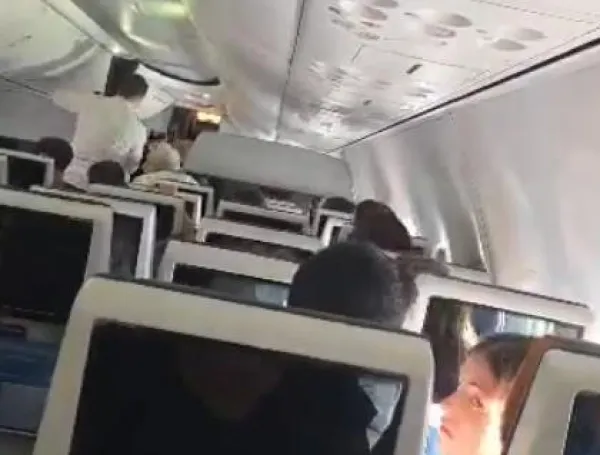
For the passengers on board, the descent felt like a catastrophic structural failure.
"Foi como se tivéramos uma grande turbulência, mas não havia turbulências," (It was like experiencing severe turbulence, but there was no turbulence) recalled passenger Almog Italie, comparing the sensation to a malfunctioning roller coaster.
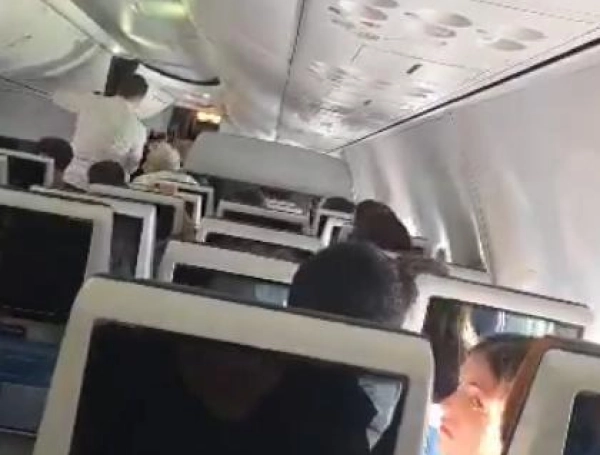
Another passenger, Shaim Nazarovitz, described the experience as "absolutamente aterrador." "At one point you lose your footing. You are no longer there; you are no longer among the living," Nazarovitz told reporters.
Miryam Shira Ohayon, traveling on the same flight, reported seeing "lots of blood" near the front of the aircraft. Many passengers recounted believing that the plane was moments away from crashing during the violent dive.
4. Passenger Intervention
As the situation in the cockpit deteriorated, crew members and courageous passengers took matters into their own hands. According to multiple testimonies, travelers near the front of the cabin realized that a physical altercation had broken out between flight deck personnel.

Footage later circulated on social media showing passengers—some with blood on their clothing—standing guard near the cockpit door. They successfully subdued and immobilized the alleged aggressor, keeping him pinned to the floor of the cabin wearing an oxygen mask.
"We were attacked, and we are protecting the pilot who was attacked," passengers stated in one widely shared video, pointing to two men receiving medical attention on the cabin floor. Medical professionals and trained individuals among the travelers administered first aid to the injured pilots as the aircraft descended toward Saudi soil.
Supporting Data: Flight Metrics and Technical Overview
- Flight Number: FZ 1073
- Airline: Flydubai
- Aircraft Type: Boeing 737 MAX 8
- Route: Dubai International Airport (DXB) to Tel Aviv, Israel (TLV)
- Passenger Count: 174 passengers
- Altitude Extremes: Dropped from 33,000 feet to 17,000 feet in ~2 minutes; dropped 14,125 feet in 29 seconds at its peak rate of descent.
- Emergency Codes Transmitted: 7700 (General Emergency) followed by 7500 (Hijacking/Unlawful Interference).
- Diversion Airport: Tabuk Regional Airport (TUU), Saudi Arabia.
Official Responses: Divergent Narratives and Geopolitical Fallout
The incident has sparked an intense diplomatic and informational battle between cautious aviation authorities and high-ranking political figures eager to define the nature of the event.
Flydubai and Saudi Authorities: A Cautious Approach
Flydubai released measured statements emphasizing caution. The airline confirmed an "altercado en la cabina de mando" (cockpit altercation) and urged the public to avoid speculation while official investigations proceed.
The airline noted that on-duty crew members traveling as passengers assisted in securing the aircraft and landing it safely in Tabuk. Both the pilot and co-pilot sustained injuries and were hospitalized. The Embassy of India in Riyadh confirmed that the Indian pilot involved in the incident, identified as Smit Machchhar, is currently in stable condition.
Unconfirmed reports circulating in aviation circles suggest that two off-duty pilots stepped in to take over the controls after the captain was incapacitated, though this has not been formally verified by airline executives.

As a direct consequence of the security breach, Flydubai suspended all flights to and from Israel indefinitely and deployed two replacement aircraft to Tabuk to repatriate the stranded passengers and crew.
Israeli Leadership: Allegations of Terrorism and Hijacking
While Saudi and Emirati authorities have maintained a strict policy of waiting for forensic and investigative conclusions, Israeli officials voiced a radically different perspective almost immediately.
Israel’s Ministry of Transport confirmed the diversion due to a "crew altercation," but political leaders went much further. Prime Minister Benjamin Netanyahu convened an urgent security cabinet meeting and asserted that one of the pilots had stabbed a colleague in an intentional bid to crash the aircraft.
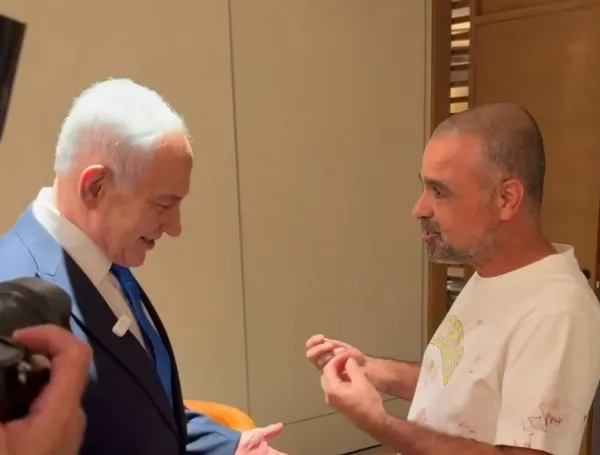
Defense Minister Israel Katz went a step further, categorizing the episode as a "yihadista intento de atentado terrorista" (jihadist terrorist attack attempt). National Security Minister Itamar Ben-Gvir echoed these sentiments, labeling the event an act of airborne terrorism.
To date, neither the government of Saudi Arabia nor the United Arab Emirates has officially endorsed the "jihadist terror" narrative, leaving the primary motivation of the cockpit altercation shrouded in mystery.
Implications: Aviation Security, Regional Tensions, and Passenger Trauma
The Flydubai flight FZ 1073 incident carries profound implications for the aviation industry, regional diplomacy, and mental health standards within commercial flight decks.

1. Cockpit Security Protocols
The incident reopens painful historical debates regarding cockpit security, crew vetting, and mental health monitoring among commercial pilots. Since the September 11 attacks and subsequent tragedies—such as the deliberate crashing of Germanwings Flight 9525 in 2015—commercial aviation has heavily fortified cockpit doors.
However, when an emergency originates inside a locked cockpit between the pilot and co-pilot, traditional security layers designed to keep unauthorized personnel out can inadvertently trap passengers and crew, making internal intervention exceptionally difficult.
2. Geopolitical Vulnerabilities in Middle Eastern Skies
The routing of a commercial flight carrying Israeli and international citizens into Saudi airspace during an active security crisis highlights the delicate, unwritten air-traffic cooperation protocols that exist across regional divides.

The fact that Saudi Arabia permitted the distressed aircraft to land safely in Tabuk—and facilitated the subsequent transfer of passengers back to Israel—demonstrates a pragmatic approach to aviation safety, even among nations with complex or hostile diplomatic relations.
3. The Psychological Toll on Travelers
For the 174 passengers who boarded flight FZ 1073 expecting a routine three-hour journey, the psychological aftermath will be long-lasting. Images of blood in the cabin, the visceral terror of a near-vertical dive, and the realization that their lives depended on physical combat inside the cockpit have left survivors shaken.
Upon landing safely in Tel Aviv hours later aboard a replacement flight, passenger Almog Italie summarized the collective sentiment of those on board: "Ha sido un dia de locos. Afortunadamente todo acabo bien." (It has been a crazy day. Fortunately, everything ended well.)

As investigators in Riyadh and Dubai pore over the cockpit voice recorders, flight data units, and forensic evidence from the Boeing 737 MAX 8, the global aviation community waits anxiously to understand how a routine flight nearly became one of the worst disasters of the decade.