By María Alejandra Moreno Flórez
Economic Correspondent
In a landmark move for Colombia’s industrial and agricultural sectors, Nutramerican Pharma has announced a strategic alliance that fuses the country’s most iconic export—premium coffee—with the burgeoning global sports nutrition market. Its flagship product, the Bipro whey protein line, has officially become the first in the world to carry the prestigious "Café de Colombia" seal, a protected geographical indication that signifies the highest standards of origin and quality.
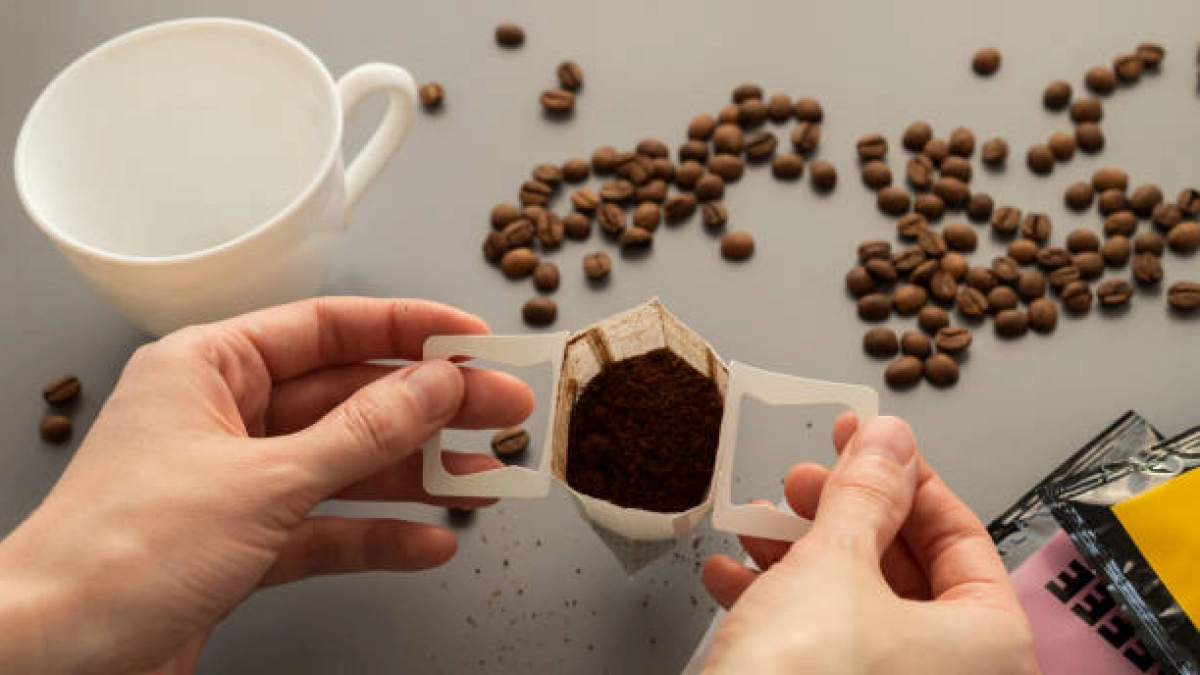
This synergy between Nutramerican Pharma and Buencafé, the industrial arm of the National Federation of Coffee Growers (FNC), represents a departure from traditional commodity exports. By integrating 10% high-quality, freeze-dried soluble coffee from Chinchiná, Caldas, into a high-performance whey supplement, the companies are aiming to redefine the value-added landscape for Colombian exports as they set their sights on the competitive United States market.
The Intersection of Two Industries: A New Product Paradigm
For decades, the "Café de Colombia" seal has been synonymous with the morning cup, appearing on packaging for ground coffee, whole beans, and specialty roasts. Its application to a nutritional supplement is a historical first, signaling a shift in how Colombian industry views its flagship crop.
The formula, which leverages American-manufactured whey protein, is being produced at Nutramerican Pharma’s state-of-the-art facility located within the Pacific Free Trade Zone (Zona Franca del Pacífico). The plant operates under the FSSC 22000 international food safety standard, a prerequisite for entering the demanding North American retail space.
Each serving of the new Bipro formulation delivers 25 grams of protein without added sugars, catering to a sophisticated demographic of athletes and fitness enthusiasts. The company is launching two distinct versions: one containing 100 milligrams of caffeine—harnessing the natural energy properties of the Colombian beans—and a decaffeinated alternative for those seeking the flavor profile without the stimulant effect.

Chronology of a Strategic Alliance
The path to this launch was not an overnight development, but rather the culmination of years of institutional effort and market research.
- 1984: The National Federation of Coffee Growers creates the "Café de Colombia" seal to protect the identity of 100% Colombian coffee, an initiative that would eventually support over 540,000 coffee-growing families.
- 1999–2000: Nutramerican Pharma enters the market, establishing its Bipro brand as a local leader in the sports nutrition sector.
- 2024 (Early Planning): Internal discussions begin regarding the diversification of protein flavor profiles and the potential for leveraging the "Colombia" brand identity to appeal to the growing "clean label" and "natural ingredient" trends in the U.S.
- 2025 (Development Phase): R&D teams from Nutramerican and Buencafé collaborate in the Chinchiná industrial facility to ensure the liofilizado (freeze-dried) coffee maintains its organoleptic properties when mixed with whey proteins.
- September 2026: The product receives formal certification to carry the "Café de Colombia" seal, marking the official commercial rollout of the partnership.
The Economic Implications: Adding Value to Raw Materials
The core objective of this collaboration is to break the cycle of raw material dependence. For years, economic analysts have pointed to the necessity of "value-added" manufacturing as the key to sustainable growth in Colombia.
By transforming Colombian coffee from a base ingredient into a functional, premium-priced component in a specialized health supplement, the companies are capturing a larger share of the value chain. This is particularly relevant as the coffee industry faces fluctuating global prices and climate-related challenges.

"This launch represents much more than just exporting a protein powder to the United States," says Richard Castiblanco, CEO of Nutramerican Pharma LLC-USA. "It is a tangible demonstration that we can develop innovative products here in Colombia, utilizing our own high-quality national ingredients, and meet the rigorous standards required to compete on a global scale."
The shift is significant for Buencafé as well. While the company already exports its freeze-dried coffee to over 60 countries, this partnership allows them to enter the "functional food" market, a sector that has seen explosive growth in North America and Europe, often outpacing the traditional retail coffee market.
Industry Perspectives and Global Standards
The inclusion of the "Café de Colombia" seal is not merely a marketing tactic; it is a regulatory achievement. The seal, which currently backs over 790 brands worldwide, requires strict adherence to quality and authenticity protocols.

Industry experts suggest that this move could pave the way for other sectors to follow suit. For instance, the Colombian palm oil and cocoa industries have been vocal about their desire to move up the value chain by creating finished products rather than exporting crude oils or raw beans. The success of the Bipro-Buencafé collaboration serves as a "proof of concept" for these industries.
"The challenge for Colombia has always been to move beyond the export of commodities," says a lead economist at the Bogotá Chamber of Commerce. "By embedding a high-value, geographically protected ingredient into a finished consumer good, Nutramerican is effectively insulating itself from some of the volatility of the raw commodities market while simultaneously strengthening the ‘Brand Colombia’ image in the U.S."
Addressing the Challenges of Internationalization
Despite the optimism, the road to the U.S. market is fraught with regulatory hurdles. The U.S. Food and Drug Administration (FDA) maintains stringent requirements for dietary supplements.

Nutramerican Pharma’s decision to utilize its FSSC 22000-certified facility is a critical step in mitigating these risks. By maintaining strict control over the manufacturing process—from the initial sourcing of the coffee in Caldas to the final blending in the Pacific Free Trade Zone—the company ensures that every batch meets the traceability requirements that American retailers like GNC or Whole Foods demand.
Furthermore, the choice of the U.S. market is strategic. It is the largest consumer market for sports nutrition products in the world, with a consumer base that is increasingly demanding transparency in the sourcing of ingredients. The "Café de Colombia" label provides an immediate, recognizable marker of quality that distinguishes the Bipro product from competitors who use anonymous, lower-grade coffee extracts or synthetic caffeine.
Future Outlook: A Blueprint for Colombian Innovation
As the company prepares for its full-scale export launch, the eyes of the Colombian agricultural and manufacturing sectors are fixed on the results. If successful, this partnership could trigger a wave of cross-industry innovation.

We may soon see similar collaborations: tropical fruit extracts from the Amazon being integrated into pre-workout formulations, or Colombian cocoa butter being utilized in high-end cosmetic or nutritional products. The integration of traditional agricultural heritage with modern biotechnology and food science is clearly the new frontier for Colombian exports.
For Nutramerican Pharma, the next 12 months will be critical. The company plans to leverage its existing 26-year legacy in the sports nutrition field to build trust, while relying on the global prestige of the "Café de Colombia" brand to capture the attention of a new, international audience.
In conclusion, the collaboration between Nutramerican Pharma and Buencafé is more than a product launch; it is a signal of maturity for the Colombian industrial sector. By leveraging its inherent competitive advantages—its coffee, its geography, and its increasing commitment to international standards—the country is demonstrating a newfound agility in the global economy, turning its most traditional asset into a cutting-edge engine for growth.