By Editorial Staff
Reporting from Bogotá, Colombia
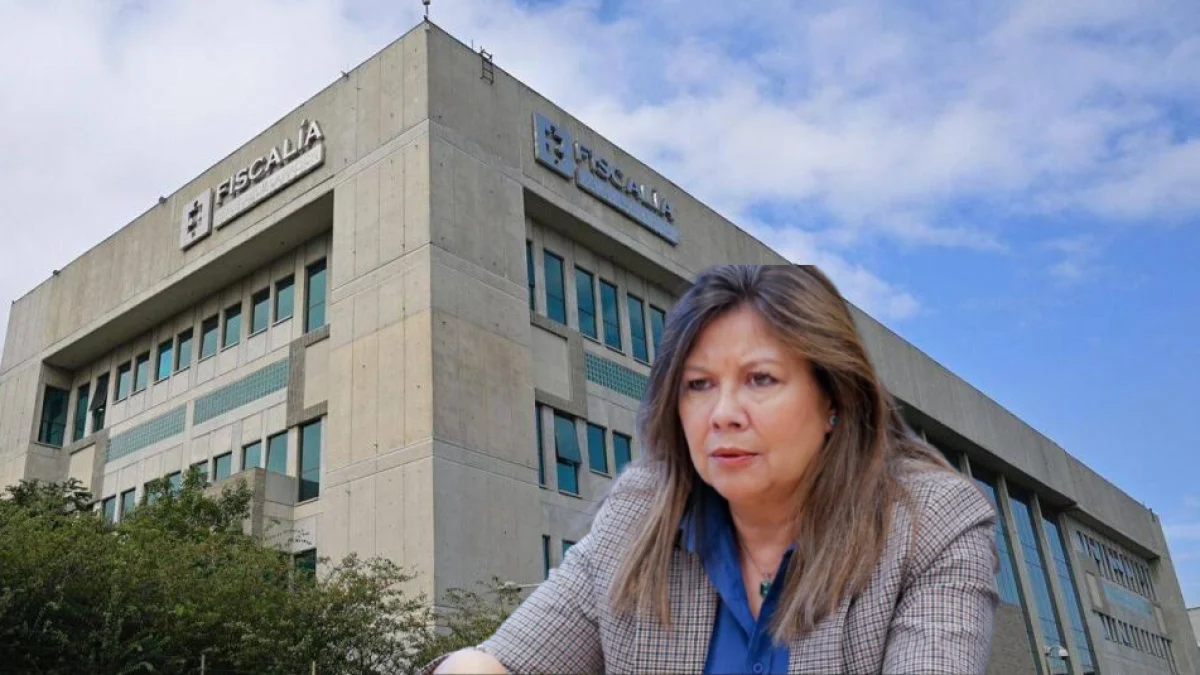
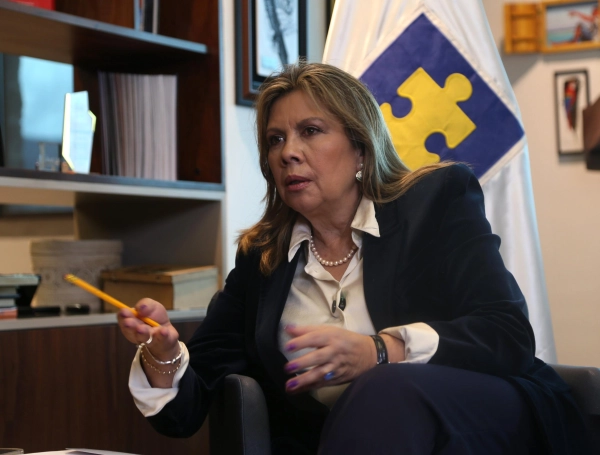
In a move aimed at addressing the systemic paralysis currently gripping the Colombian judicial system, Prosecutor General Luz Adriana Camargo has unveiled a comprehensive reform agenda. With nearly half of all scheduled judicial hearings in 2025 ending in postponements, the country’s top prosecutor is signaling that the current model is not merely strained—it is effectively broken.

In an exclusive interview with EL TIEMPO, Camargo articulated a vision for a leaner, faster, and more specialized justice system. Her proposals, which are currently being refined for potential legislative action, focus on de-formalizing the early stages of criminal proceedings and separating the functions of trial judges from those of constitutional oversight.
The Crisis: A System Under Siege by Volume
The Colombian penal system, governed by an adversarial framework, is struggling to process the sheer volume of criminal investigations. For the Prosecutor General, the bottleneck is not necessarily a lack of willpower, but a procedural design that favors ritual over efficiency.

"There are oral hearings that, by their very nature, strip the process of its necessary dynamism," Camargo explained. She specifically identified the accusation hearing and the preparatory hearing as two critical stages that, in her view, should transition from oral proceedings to written submissions.
Under the current model, these hearings serve as the formal foundation for the trial, where the prosecution outlines its legal framework and discloses the evidence it intends to present. By converting these to written filings, Camargo argues, the judiciary could reclaim thousands of hours, allowing judges and prosecutors to focus their oral advocacy efforts exclusively on the trial itself.
Chronology of a Judicial Bottleneck
The trajectory of the current crisis can be mapped through the data recorded over the past eighteen months:
- Early 2025: The judicial system hits a breaking point as the backlog of pending cases reaches an all-time high.
- Mid-2025: Statistical analysis by the Corporación Excelencia en la Justicia (CEJ) reveals that out of 2.1 million scheduled hearings, approximately 43.6% were cancelled or postponed.
- Late 2025: The Ministry of Justice and the Prosecutor’s Office begin high-level consultations to address the budget-constrained reality of expanding judicial personnel.
- September 2026: Prosecutor General Luz Adriana Camargo publicly confirms that her office is drafting specific bills, including reforms to the "Justice and Peace" framework and the Extinction of Domain Code, as part of a broader strategy to streamline the penal code.
Supporting Data: The Anatomy of Failure
The numbers provided by the CEJ paint a grim picture of the operational status of Colombian courts. The 43.6% postponement rate is not merely a logistical annoyance; it represents a significant failure of the state to provide timely justice to victims and defendants alike.
The primary drivers for these failures include:
- Fiscal Absence: A lack of sufficient prosecutorial staff to cover multiple, concurrent hearings.
- Public Defense Deficit: A systemic shortage of public defenders to represent indigent defendants.
- Private Counsel Issues: Frequent scheduling conflicts and the non-appearance of private defense attorneys, which often trigger mandatory resets of hearings.
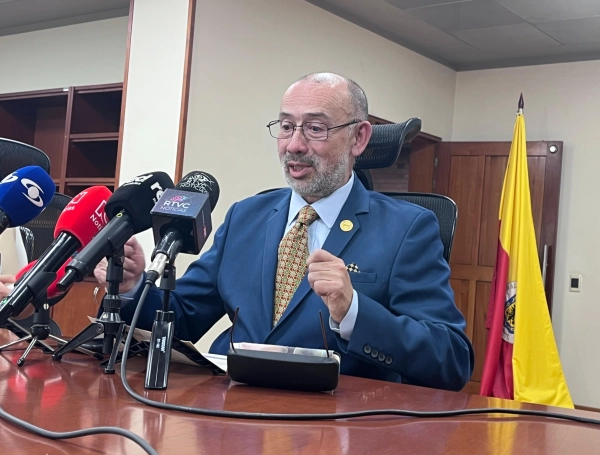
"The system is currently functioning like a machine that keeps breaking down because we keep trying to patch it rather than replacing the engine," notes Hernando Herrera, director of the CEJ. While Herrera supports the shift toward written accusation hearings, he warns that structural change must be accompanied by strictly enforced deadlines to ensure that "speed" does not come at the cost of "due process."
The "Tutela" Dilemma: A Plea for Judicial Specialization
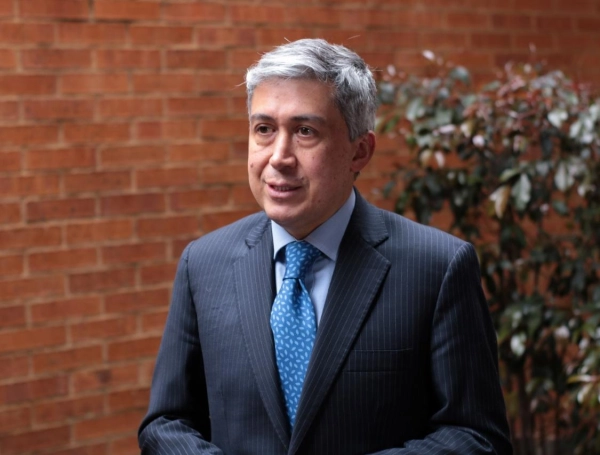
One of the most radical components of Camargo’s proposal is the separation of powers regarding tutelas (constitutional injunctions). In the current Colombian landscape, judges are often forced to juggle complex criminal trials while simultaneously acting as constitutional protectors for a barrage of tutela filings.
"Many of our offices are forced to dedicate their limited energy to resolving tutelas rather than moving forward with criminal investigations," Camargo stated. She proposes a dedicated track for trial judges, ensuring they can focus solely on the trial process without the administrative burden of constitutional litigation.
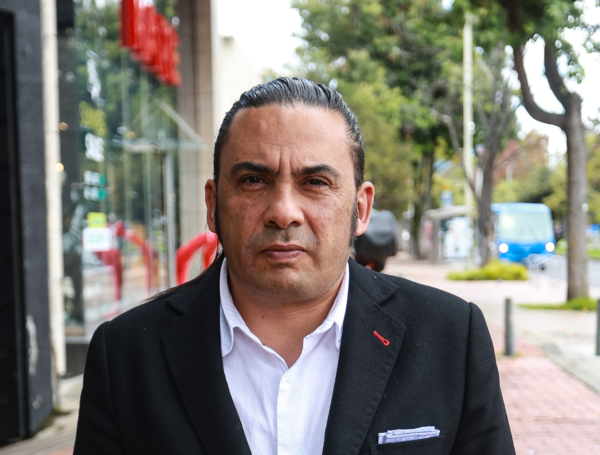
Magistrate Hermens Darío Lara, president of Corjusticia, concurs on the severity of the issue, though he is more skeptical of the proposed solutions. "In Bogotá, we are receiving an overwhelming volume of tutelas specifically against the Prosecutor’s Office," Lara remarked. "A single prosecutor can have upwards of 2,000 active inquiries. Without administrative support, they are essentially paralyzed."
Expert Perspectives: Evolution or "Surgery"?
The reaction from the legal community has been mixed, reflecting a deep-seated frustration with the pace of reform in Colombia.

The Case for "Deep Surgery"
Magistrate Hermens Darío Lara represents the school of thought that believes incrementalism is a failure. "When I was in Congress, I warned that reforming the system by changing ‘article by article’ would not work," he said. "The system is not just flawed; it is exhausted. It requires a fundamental, holistic surgery, not these minor cosmetic adjustments."
The Case for Pragmatic Efficiency
Conversely, Francisco Bernate, president of the College of Penalist Lawyers of Colombia, views the proposal as a necessary adaptation to global standards. "The Fiscal General understands the gaps in our system better than anyone," Bernate noted. "In many parts of the world, trial judges are entirely separate from pre-trial judges. Adopting this would not only be a step toward international best practices but would also provide much-needed relief to our overburdened courts."

Future Implications: The Road Ahead
The implications of these proposals are significant. If successful, the shift to written hearings could reduce the calendar of the courts by several months per case, potentially clearing the backlog that currently keeps thousands of individuals in pre-trial detention for years without a verdict.
However, the road to implementation is paved with two major obstacles: Budget and Culture.

- The Budgetary Constraint: Minister of Justice Iván Cancino has highlighted the urgent need for more judicial personnel and improved investigative police capacity. Yet, with Colombia facing strict fiscal limitations, the government is caught between the need for an expanded workforce and the inability to pay for it.
- Cultural Resistance: Moving away from the "oral" nature of the current system requires a cultural shift among practitioners who have spent years operating under the current adversarial model.
As the debate intensifies, the consensus among observers is clear: the status quo is unsustainable. Whether the solution lies in the "deep surgery" proposed by critics or the pragmatic, structural reforms championed by Prosecutor Camargo, the Colombian judicial system is at a turning point.
The coming legislative session will be a litmus test for the government’s ability to turn these proposals into law. For the millions of citizens waiting for a court date, the outcome of this reform will determine whether the "justice" in "judicial system" becomes a reality or remains an abstract ideal.

For more in-depth coverage on the evolution of the Colombian justice system, follow our legal desk and subscribe to the weekly justice newsletter.