By Edwin Caicedo, Environmental & Health Correspondent
Medellín, Colombia – September 29, 2026
The New Paradigm: Reimagining Urban Life
What would happen if our cities stopped viewing nature as a decorative backdrop or an isolated element and instead treated it as the fundamental backbone of urban development? This is the central, existential question driving the agenda of the Humboldt Institute during the Climate Week Biodiversity 2026.
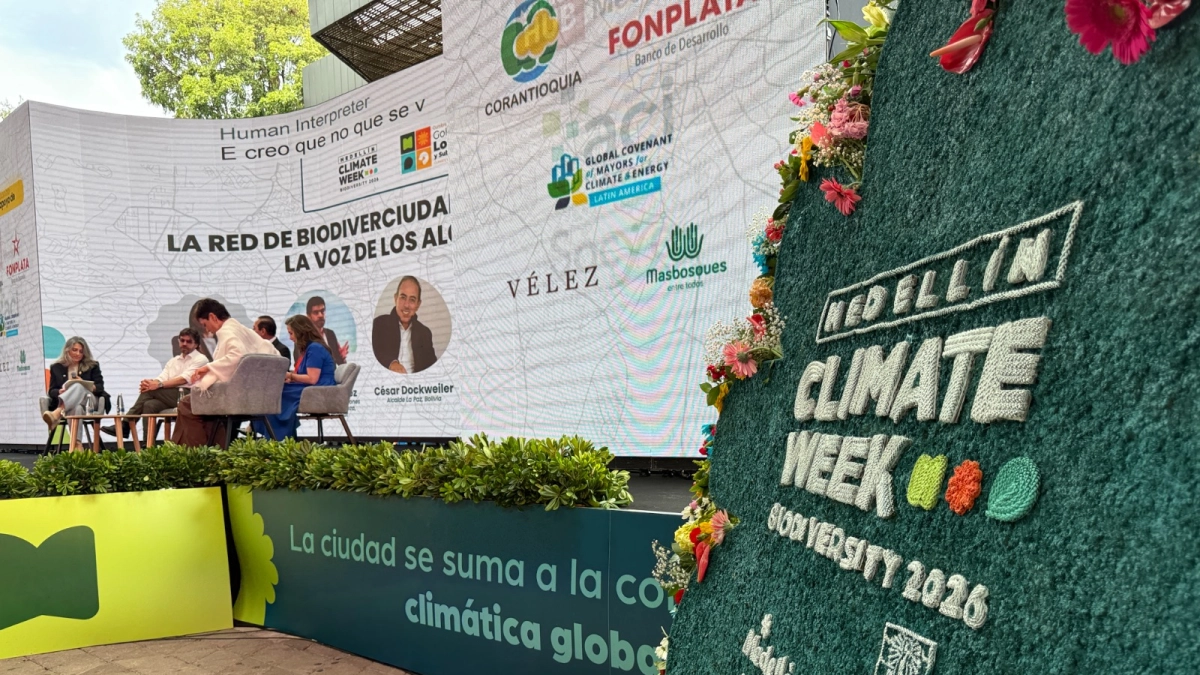
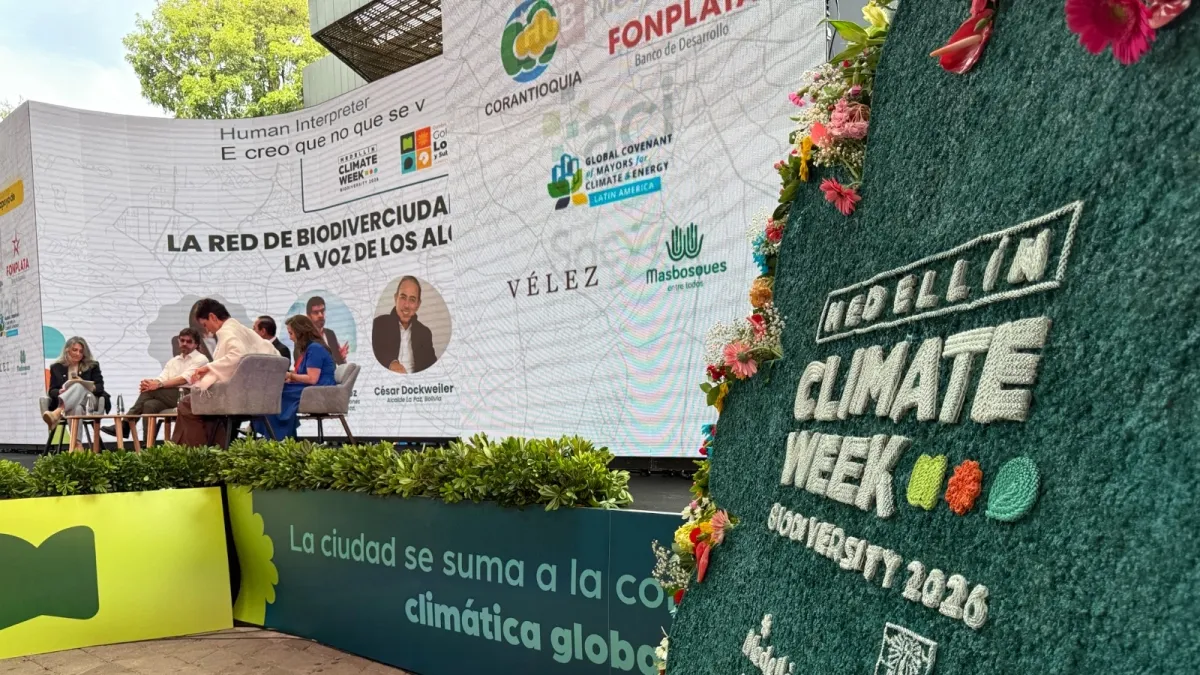
Medellín has transformed into a global laboratory this week, hosting an unprecedented gathering of over 13,000 attendees from 30 nations. Governments, multilateral organizations, private sector leaders, academia, and biodiversity experts have converged to address the dual crisis of climate change and the rapid loss of global biodiversity. The focal point of these discussions is the concept of the "Biodivercity"—a model of urban planning where ecological health is not a luxury, but the primary indicator of a city’s resilience and economic success.
In collaboration with the Development Bank of Latin America and the Caribbean (CAF), the Humboldt Institute has curated an expansive program at the iconic Parque Explora. This agenda aims to demonstrate how scientific rigor, community knowledge, and nature-based solutions can be integrated into the concrete reality of modern urban expansion.

Chronology and Scope: A Marathon of Sustainability
The event, which officially commenced on September 28, is scheduled to run through October 10. The scale of the Climate Week is massive, featuring over 240 distinct activities and more than 150 high-level speakers.
Key Milestones of the Opening Days:
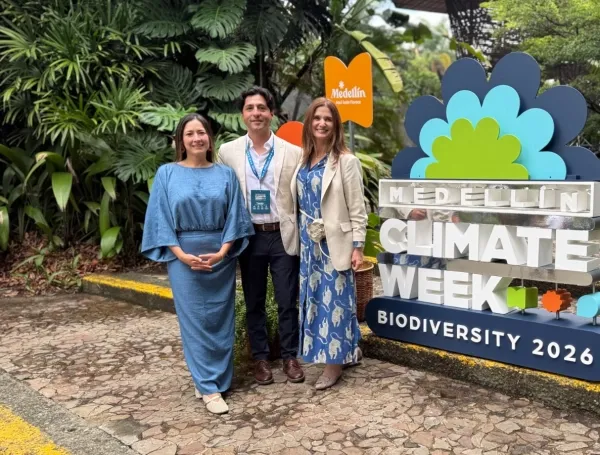
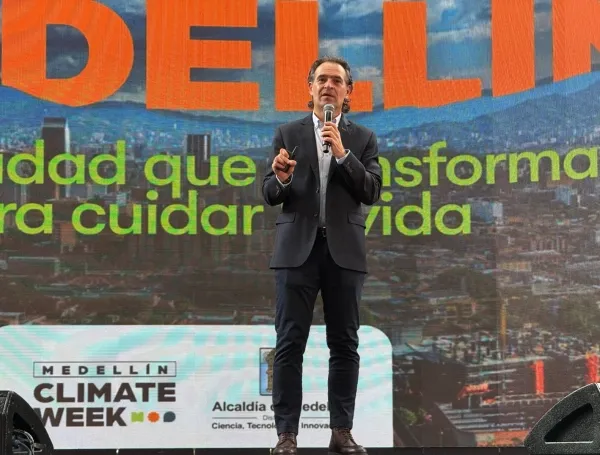
- September 28: The inaugural day was headlined by Medellín Mayor Federico Gutiérrez, who presided over the formal signing of the Medellín Declaration. This historic document establishes a permanent dialogue mechanism for Latin American cities to share best practices, mobilize green finance, and create scalable solutions for urban climate adaptation.
- September 29: The second day shifted focus toward operationalizing these commitments through a series of "Cities in Action" panels, bringing together national ministers, international bank presidents, and local mayors to debate the future of sustainable development.
Official Responses and the "Medellín Declaration"
The commitment to a greener urban future was solidified by the active participation of regional leaders. During the roundtable “The Network of Biodivercities through the Voices of Mayors,” local executives shared their frontline experiences.
César Luis Dockweiler Suárez, Mayor of La Paz, Bolivia, joined Alexandra Quintanilla (Prefect of Azuay, Ecuador) and Mayra Mendoza (Intendant of Quilmes, Argentina) to discuss the hurdles of incorporating bioeconomy into municipal budgets. Wilson Ariel Ramírez Hernández, Manager of Nature-Based Solutions at the Humboldt Institute, acted as the technical anchor, emphasizing that the "Biodivercity" model requires moving beyond policy rhetoric toward tangible infrastructure changes.
As a testament to their leadership, the Alcaldía de Medellín awarded the Humboldt Institute and CAF the Gold Medal for Ecological Merit in the "Resilient and Sustainable Cities" category. This recognition highlights the success of their collaborative efforts in bridging the gap between scientific research and public policy.
Supporting Data: A Multi-Faceted Approach to Urban Resilience
The program at Parque Explora is segmented into critical thematic pillars designed to address the complexity of urban survival:

1. Biodiversity, Territory, and Business
On the morning of September 29, experts including Francesco María Orsini (Comfama), Laura Gallego Moscoso (Proantioquia), and Angelica Ospina (Colombian Council for Sustainable Construction) addressed the role of the private sector. The consensus was clear: urban development must move away from traditional models of extraction and toward "nature-positive" construction. The discussion centered on how businesses can serve as catalysts for restoration rather than just participants in consumption.
2. The Avian Indicator
Perhaps the most poignant session of the week, “Birds and Climate: What Dinosaur Descendants Teach Us About the Climate Emergency,” framed avian species as the "canaries in the coal mine" for urban environments. With experts like Santiago Aparicio (Americas Flyways Initiative) and Ana María Castaño (Antioquian Ornithology Society), the panel explored how the decline of bird populations serves as a warning of failing ecosystem services. The restoration of forests and wetlands in Medellín and its surroundings is not merely for conservation; it is an economic driver for ecotourism and a necessity for climate regulation.

3. Technology and Community Monitoring
The integration of technology is a core pillar of the current movement. The screening of documentaries such as “Ecos del gran Cumbal,” “Después del Silencio,” and “Ojos en el bosque” showcased how artificial intelligence, camera traps, and bioacoustic recorders are democratizing science. By involving local communities in monitoring, cities can reduce costs and create a sense of ownership over the natural resources within their urban perimeters.
Implications: From Concept to Implementation
The implications of the Climate Week Biodiversity 2026 are profound. By pushing the "Biodivercity" agenda, organizers are advocating for a fundamental change in how the global south conceptualizes development.

The strategy relies on three main levers:
- Financial Mobilization: Creating pathways for international climate finance to reach municipal governments directly.
- Scientific Integration: Ensuring that local mayors have access to real-time data provided by institutions like the Humboldt Institute.
- Governance Continuity: Through the Medellín Declaration, cities are committing to a long-term cooperation framework that survives election cycles.
Looking Ahead
As the event progresses into October, the focus will shift from high-level agreements to specific technical instruments. Panels involving ICLEI Brasil, the Bogotá District Secretariat of the Environment, and regional autonomous corporations will focus on the "how-to" of policy implementation.

The overarching message of the week is one of urgency tempered by practical optimism. The Humboldt Institute’s vision for 2026 and beyond is that the "Biodivercity" is not a utopian dream but a logistical necessity. Whether through the preservation of páramos, the acoustic monitoring of biodiversity in the Guaviare region, or the integration of AI into urban planning, the message is uniform: the city that ignores its natural surroundings is a city without a future.
In the words of the organizers, the transformation of urban territories is not about choosing between "development" and "nature." It is about recognizing that, in the 21st century, there is no development without the conservation of the natural systems that sustain human life. As the delegates disperse from Medellín, the challenge remains to turn the energy of this conference into the concrete, green, and resilient reality that the climate crisis demands.

For further updates and ongoing coverage of the Climate Week Biodiversity 2026, follow the official channels of the Humboldt Institute and the Climate Week digital portal. Stay connected with our weekly newsletter for in-depth analysis of the panel outcomes.