By Editorial Staff, Global Environmental Desk
October 28, 2026
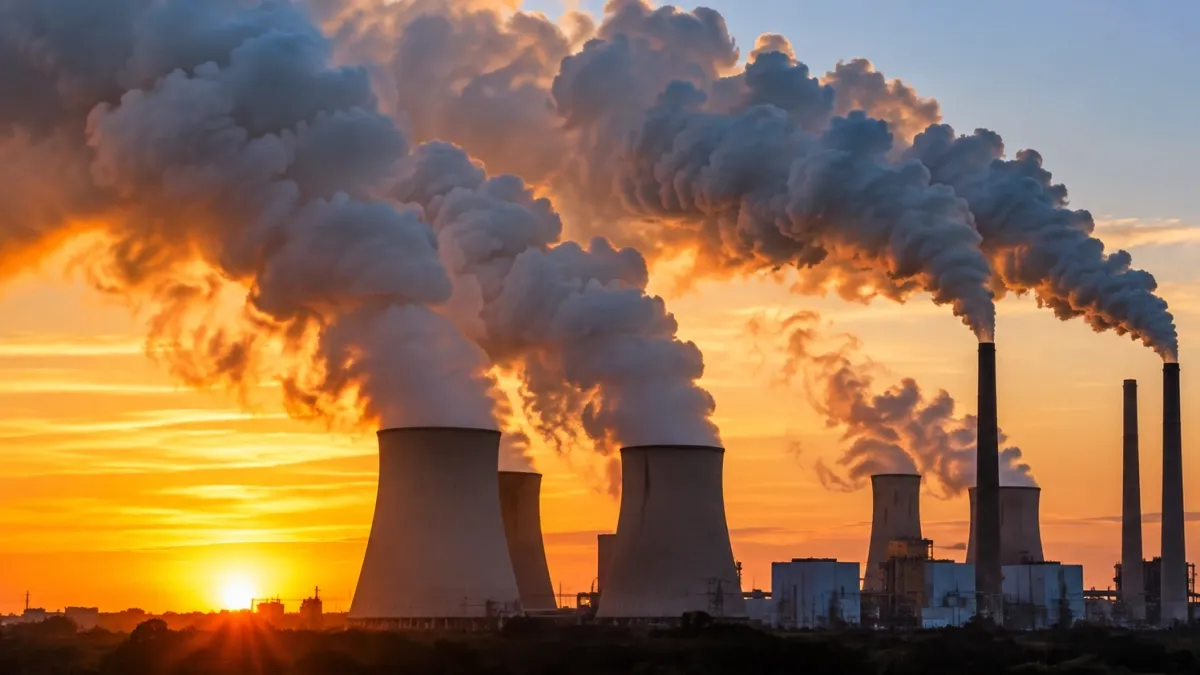
In a sobering report that serves as a grim prelude to the upcoming United Nations Climate Change Conference (COP31) in Antalya, Turkey, the World Meteorological Organization (WMO) has confirmed that 2025 was a year of catastrophic milestones for the Earth’s atmosphere. According to the WMO’s annual bulletin, the three primary greenhouse gases—carbon dioxide (CO2), methane (CH4), and nitrous oxide (N2O)—have reached their highest concentrations in recorded history.
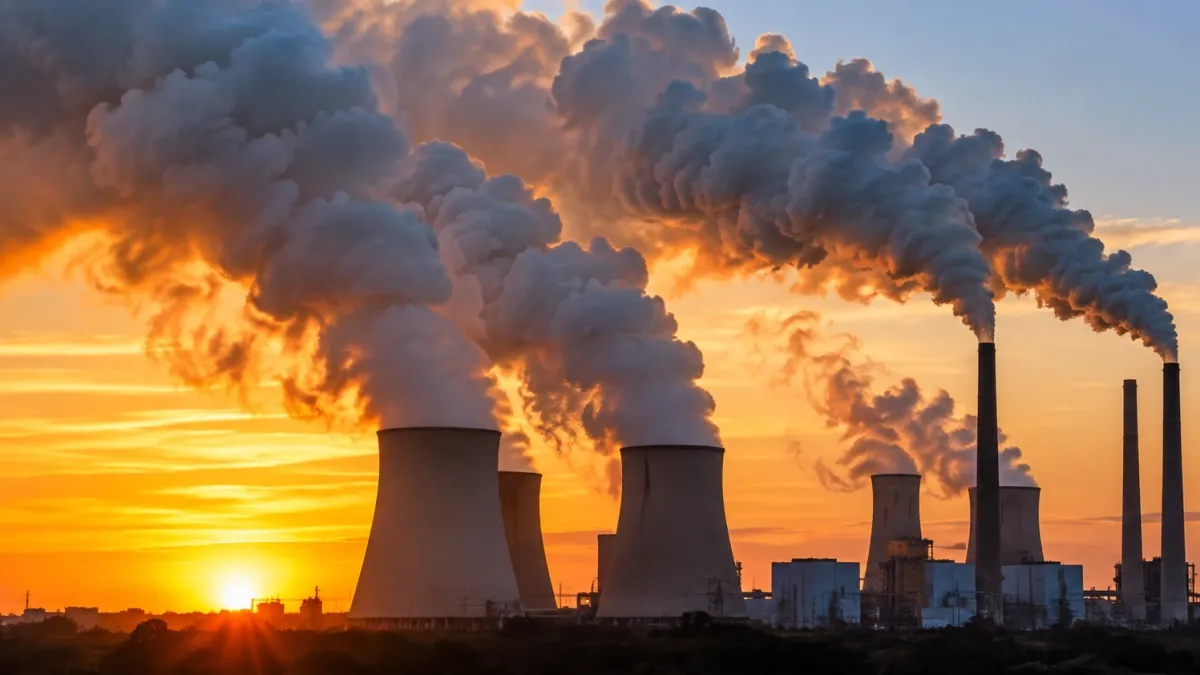
The data, verified through an extensive network of atmospheric monitoring stations, indicates that the planet’s thermal insulation layer is thickening at an accelerating rate. This surge in atmospheric toxicity is not merely a statistical anomaly; it is the fundamental driver behind the increasing frequency and intensity of global weather extremes. As world leaders prepare to convene in Turkey, the scientific consensus is clear: the climate system is entering a period of unprecedented instability.
The Core Data: A Rapid Departure from Pre-Industrial Norms
The WMO report presents a harrowing comparison between current atmospheric conditions and those of 1750, the baseline year used to represent the pre-industrial era. The findings are unequivocal: humanity has fundamentally altered the chemical composition of the atmosphere in a mere 275 years.

Carbon Dioxide (CO2)
The concentration of CO2, the primary culprit in anthropogenic global warming, reached an average of 426.8 parts per million (ppm) in 2025. This figure represents 153% of the pre-industrial baseline. What is particularly alarming to climatologists is that this reading is 13% higher than the levels observed in 2004, the year the WMO began publishing these specific annual reports. Because CO2 lingers in the atmosphere for centuries, the emissions released today will continue to trap heat for generations, regardless of future mitigation efforts.
Methane (CH4)
Often overshadowed by CO2, methane is a far more potent heat-trapping agent in the short term. In 2025, methane concentrations climbed to 1,948 parts per billion (ppb), a staggering 267% of the 1750 level. Its rapid rise is attributed to a combination of agricultural practices, fossil fuel extraction leaks, and the thawing of permafrost in polar regions.

Nitrous Oxide (N2O)
Nitrous oxide, largely a byproduct of industrial agriculture and fertilizer use, reached 339.1 ppb, representing 126% of pre-industrial values. While less abundant than CO2, N2O has a global warming potential approximately 300 times greater than carbon dioxide over a 100-year horizon, making its unchecked growth a critical policy blind spot.
The "Invisible" Threat: Hexafluoruro de Azufre (SF6)
While the "Big Three" greenhouse gases receive the most public attention, the WMO has issued a specific warning regarding sulfur hexafluoride (SF6). This synthetic gas, used extensively in the global electrical power grid for insulation, is a potent climate threat.
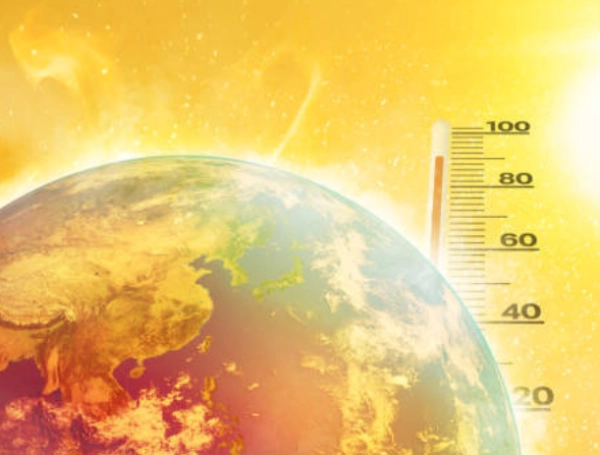
Though its absolute concentration remains low compared to CO2, its impact is disproportionately high. SF6 can persist in the atmosphere for over 1,000 years, and its global warming potential is 24,300 times greater than that of CO2. With the world’s aggressive push toward electrification and grid modernization, the steady rise of SF6 over the last three decades has become a major point of concern. The WMO is now urging international regulators to expand monitoring to include these high-impact trace gases.
The Ocean’s Diminishing Role as a Carbon Sink
Perhaps the most distressing finding in the 2026 report is the degradation of the Earth’s natural "carbon sinks." For decades, the world’s oceans and forests have absorbed roughly half of all human-generated CO2 emissions, acting as a vital buffer against runaway warming.

Dr. Oksana Tarasova, a lead scientist at the WMO, warned that this natural defense system is beginning to falter. As the ocean warms, its chemical capacity to dissolve and sequester CO2 decreases. Furthermore, shifts in marine ecosystems and circulation patterns are reducing the efficacy of biological sequestration. If the oceans lose their capacity to act as a carbon "sponge," the rate of atmospheric accumulation will accelerate, potentially leading to a feedback loop that humans will be unable to control.
Forecasting 2027: The Shadow of "El Niño"
The WMO’s analytical models point toward a potentially volatile period in 2027, with the prospect of an exceptionally intense El Niño event. Meteorologists suggest that if this phenomenon manifests as projected, sea surface temperatures could spike by as much as 3.8 degrees Celsius in specific regions.
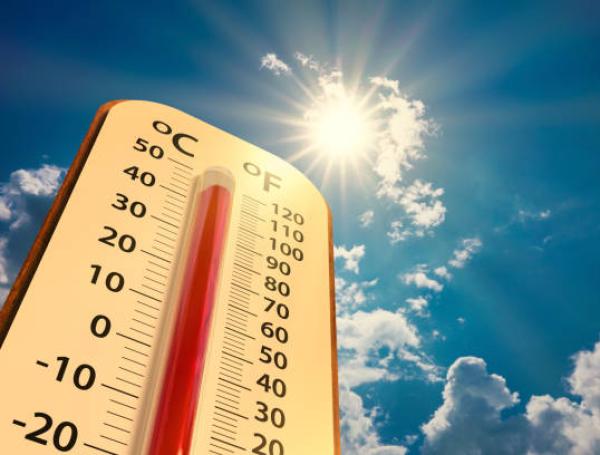
This thermal surge would not occur in a vacuum. It would likely catalyze a cascade of environmental disasters, including:
- Extreme Heatwaves: Prolonged periods of record-breaking temperatures across the Northern and Southern Hemispheres.
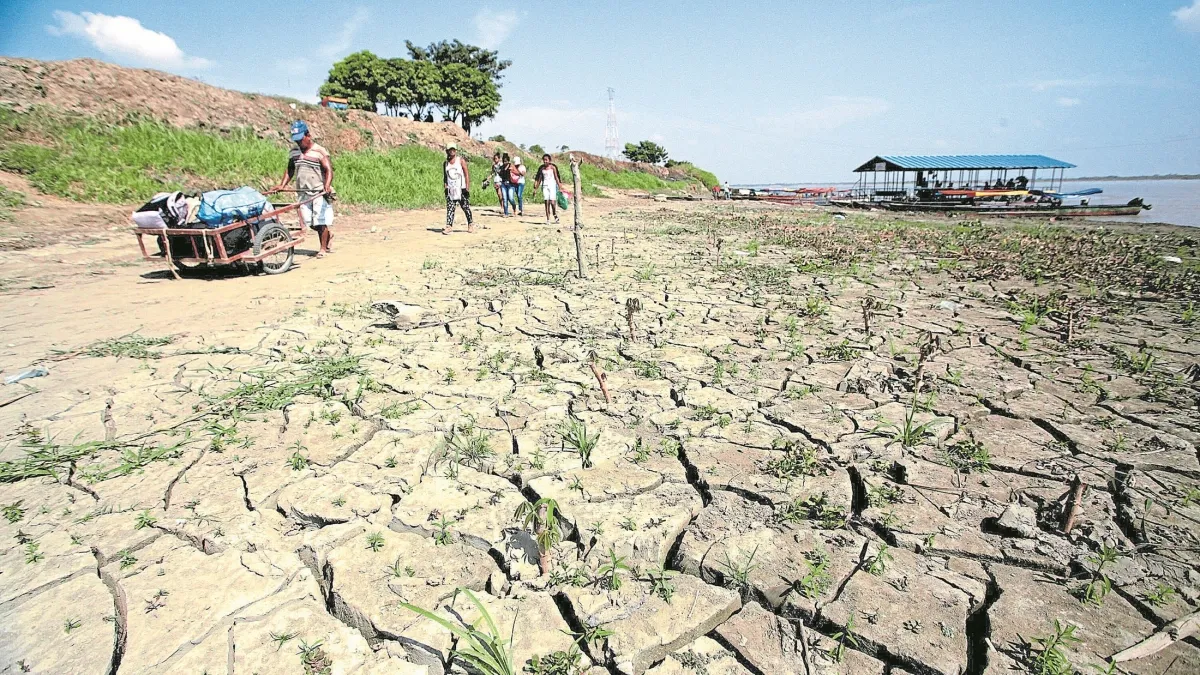
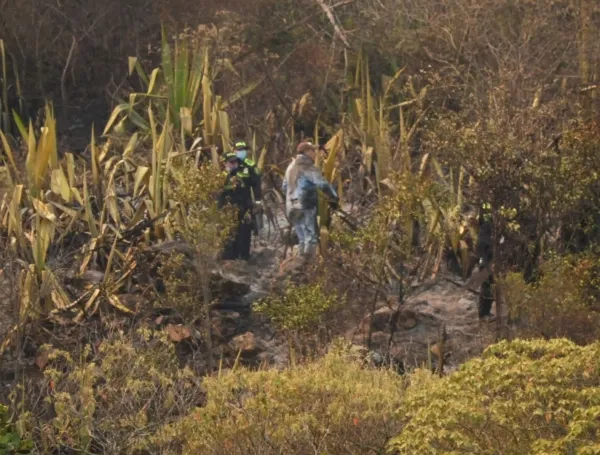
- Wildfire Proliferation: Drier conditions providing the fuel for catastrophic forest fires, similar to those that have devastated regions across the Americas and Eurasia in recent years.
- Inundations: Altered precipitation patterns leading to severe flooding in areas unaccustomed to such deluges.
While the WMO clarifies that this is a projection rather than a certainty, the high concentration of greenhouse gases currently in the atmosphere provides the "fuel" for these extreme events to manifest with far greater intensity than in previous decades.

Official Responses and the Urgency of COP31
Ko Barrett, the Deputy Secretary-General of the WMO, did not mince words during the presentation of the report. "The greenhouse gases are trapping an unprecedented amount of heat in the atmosphere," she stated. "This is not a distant threat; it is an active driver of the extreme weather that is currently dismantling our economic stability and threatening societal infrastructure."
The report highlights that the last 11 years have been the warmest on record. This trend is no longer a historical curiosity—it is the new baseline. As representatives from across the globe prepare for COP31 in Antalya, the pressure to move beyond non-binding climate pledges has reached a boiling point. The scientific data presented by the WMO provides a grim reality check: the "window of opportunity" to prevent the most catastrophic outcomes is rapidly closing.
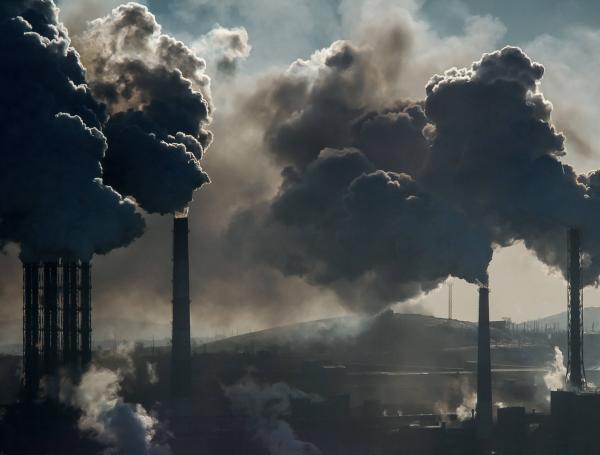
Implications for Global Policy
The findings pose a direct challenge to current international climate policies. If emissions do not peak and begin a steep decline immediately, the cumulative effect of these gases will render the climate targets set in previous decades obsolete.
- Industrial Accountability: The report puts renewed pressure on industries that rely on SF6 and heavy methane-emitting supply chains.
- Agricultural Reform: The steady increase in N2O necessitates a global overhaul of agricultural practices, moving toward nitrogen-efficient farming.
- Investment in Natural Sinks: Protection of the oceans and forests must now move from a conservation goal to a survival imperative. If these sinks continue to lose their efficacy, the burden of carbon removal will fall entirely on humanity, requiring technological interventions that do not yet exist at scale.
As the world looks toward Antalya, the message from the scientific community is unequivocal: the atmosphere is saturated, the oceans are reaching their limit, and the time for incremental change has passed. The data from 2025 is not just a report on the state of the air—it is a map of the risks that await us in the coming years.

Note: This article was produced with the assistance of artificial intelligence, synthesizing publicly available data from the World Meteorological Organization and related climate research. It has been reviewed by professional journalists to ensure factual accuracy and editorial integrity.