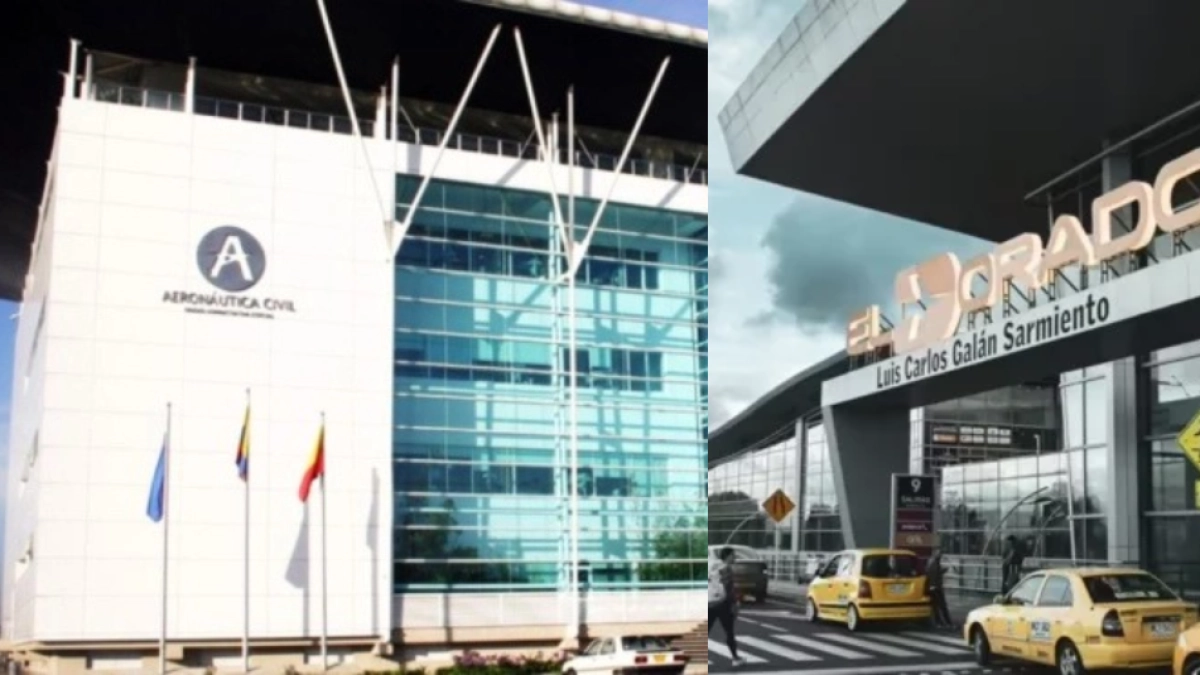
Bogotá, Colombia — Air travel across Colombia experienced widespread disruptions and mounting passenger frustration on Wednesday afternoon, November 4, 2026. A critical technical failure in the radar visualization systems at Bogotá’s El Dorado International Airport—the nation’s primary aviation hub—brought departures to a near-standstill, forcing a cascade of delays that affected multiple domestic and international carriers.
While aviation authorities initially downplayed the severity of the incident, reports from flight decks, ground operators, and stranded passengers quickly revealed a more complex scenario. The disruption not only delayed dozens of flights connecting major cities like Medellín and Rionegro but also underscored the vulnerability of modern air traffic management infrastructure in Latin America’s busiest skies.
Main Facts: What Happened at El Dorado?
The disruption centered around a technical anomaly within the radar display and air traffic control systems managed by the Unidad Administrativa Especial de Aeronáutica Civil (Aerocivil). These systems are vital for providing air traffic controllers (ATC) with real-time positional data, altitude tracking, and vectoring information for aircraft moving through terminal airspace.
When the visualization systems suffered a glitch on Wednesday afternoon, the immediate consequence was a severe loss of system efficiency and safety margins. To prevent mid-air conflicts or navigation errors under compromised visibility conditions, the airport was forced to implement emergency protocols.
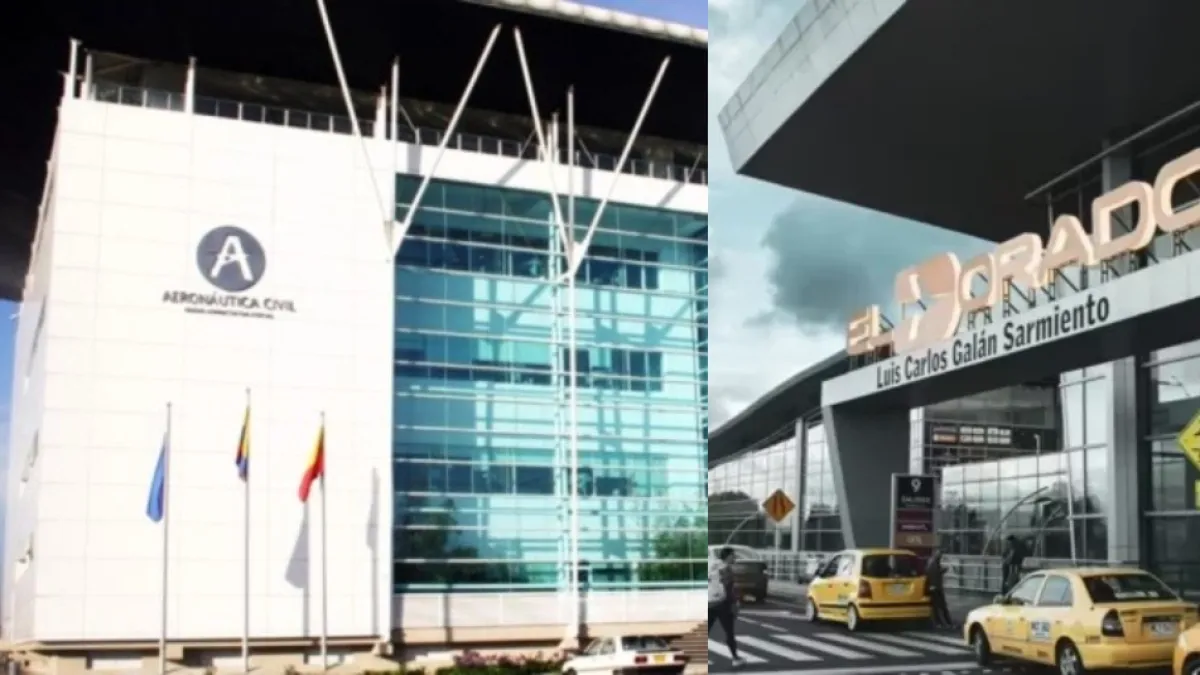
Key elements of the disruption included:
- The Implementation of a Ground Stop: Extraofficial reports confirmed that authorities enacted a temporary "ground stop" for flights departing El Dorado.
- Reduced Capacity Operations: According to data attributed to OPAIN, the private operator of El Dorado International Airport, operations had to pivot to conventional, non-radar procedures with significantly reduced hourly capacities.
- Widespread Cascading Delays: Major carriers—including LATAM, Avianca, and Wingo—reported schedule slippages ranging from one hour to multiple hours, stranding thousands of travelers in terminal waiting areas and inside aircraft parked on tarmac aprons.
Chronology of Events: From Cockpit Warnings to Official Resolution
The operational crisis unfolded progressively throughout the midday hours of Wednesday, catching both passengers and airline crews off guard.
12:15 PM – The First Warnings
The disruption first became apparent to the traveling public shortly after midday. Flight LA4024 operated by LATAM, scheduled to fly the heavily trafficked Bogotá-to-Medellín route at 12:15 PM, failed to push back on time. As passengers settled into their seats, waiting for the aircraft to taxi toward the active runway, the flight captain addressed the cabin over the public address system.
The pilot informed travelers that departure clearances had been suspended due to an unexpected radar failure at El Dorado International Airport. What initially seemed like an isolated communication quickly proved to be a systemic issue, as passengers on subsequent flights operated by various airlines began receiving identical explanations from their respective flight decks.

Mid-Afternoon – Public Confusion and Media Inquiry
As frustration mounted in the terminal and social media feeds filled with complaints from delayed passengers, news outlets sought clarification from regulatory authorities. Initially, representatives from Aerocivil denied that any major operational failures were occurring. However, as independent reporting and airline statements contradicted the official stance, the narrative shifted.
Airlines began proactively notifying their customers. Wingo, a low-cost carrier operating out of Bogotá, published an official advisory on social media channels: "Due to developments affecting national air operations, we recommend staying attentive to updates regarding your flight through our official channels and the airport display screens." Similar advisories were disseminated by Avianca and LATAM.
Late Afternoon – The "Ground Stop" and Manual Procedures
Behind the scenes, the situation at air traffic control required drastic intervention. Information obtained from sources close to OPAIN revealed that the airport had entered a ground stop status.
During a ground stop, departing flights are held at their origin gates or hardstands, forbidden from pushing back until the controlling agency lifts the restriction. Concurrently, the control tower resorted to legacy fallback procedures: managing arriving and departing traffic using conventional, non-radar separation methods. Controllers had to manually coordinate towing sequences, assign departure slots, and evaluate shifting wind conditions to potentially alter active runway headwaters, all of which heavily throttled the airport’s throughput.

Late Afternoon to Evening – Gradual Normalization
By late afternoon, technical teams managed to isolate and stabilize the software and hardware anomalies affecting the radar displays. Aerocivil subsequently issued an official statement confirming that the technical novelty had been resolved and that air operations were steadily returning to normal schedules.
Supporting Data and Technical Context: Understanding the "Ground Stop"
To the average passenger, a delayed flight is a frustrating inconvenience, but in the realm of aviation, the decisions driving these delays are rooted in uncompromising safety protocols.
What is a Ground Stop?
A ground stop is one of the most restrictive traffic management initiatives available to air navigation service providers. It is an emergency measure utilized to regulate traffic volume and maintain absolute safety margins when a facility experiences:
- Severe weather phenomena (e.g., severe thunderstorms, microbursts, or heavy fog).
- Catastrophic or intermittent technical failures in navigation, communication, or surveillance (radar) infrastructure.
- Security threats or runway blockages.
While a ground stop is in effect, aircraft targeted by the restriction are not permitted to take off for the affected airports or sectors. This keeps the airborne volume manageable, preventing congested airspace from overwhelming air traffic controllers who may be working with degraded tools.
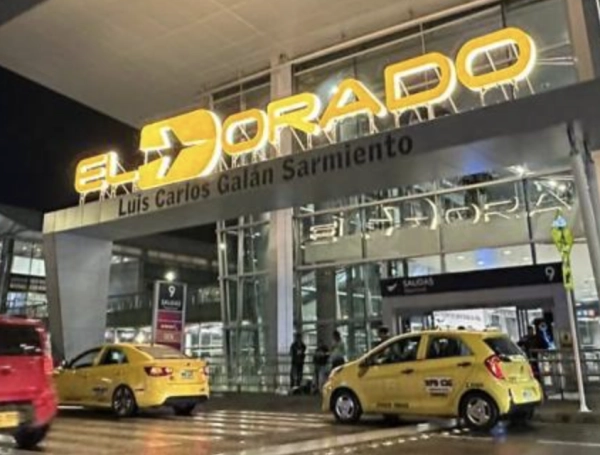
The Role of Manual Air Traffic Control
Modern aviation relies heavily on digital automation, radar transponders, and computer-generated separation alerts. When radar visualization systems fail, controllers lose their primary "eyes" in the sky, forcing them to revert to procedural control.
Procedural control relies on pilots reporting their exact positions via radio communications at designated fixes, while controllers manually plot these positions on paper strips or secondary boards. This method requires vastly larger physical distances and time intervals between aircraft, which explains why El Dorado’s capacity plummeted during the incident. Instead of dozens of aircraft landing and taking off every hour, throughput was restricted to a fraction of normal operations to guarantee that no two aircraft compromised their mandatory separation limits.
Official Responses and Institutional Accountability
The response from Colombia’s aviation authorities evolved significantly as the afternoon progressed, highlighting the tension between maintaining public relations composure and addressing infrastructural realities.
Aerocivil’s Stance
Following initial denials, Aerocivil released a detailed statement outlining the nature of the technical anomaly and the steps taken to restore normalcy:

"The Civil Aviation Authority (Aerocivil) informs that air operations at the El Dorado International Airport in Bogotá are progressing toward normalization, following the resolution of a technical novelty that occurred in the radar visualization systems used for air traffic management."
The agency emphasized that safety remained paramount throughout the incident:
"Once the situation was identified, operational and technical protocols established for these types of contingencies were immediately activated, with the objective of guaranteeing the safety of air operations at all times and minimizing impacts on air transport users."
Aerocivil further noted that its Air Traffic Control (ATC) personnel and specialized technical teams maintained continuous, real-time monitoring of operations as despegues (takeoffs) gradually resumed their standard sequence.

Airport Management and Airline Cooperation
OPAIN, the concessionaire responsible for the administration, modernization, and maintenance of El Dorado, worked in tandem with airline dispatchers to manage the congestion. Ground crews faced the dual challenge of accommodating stranded passengers inside the terminal—many of whom required rebooking, meal vouchers, or hotel accommodations—while carefully sequencing aircraft on the tarmac once the ground stop was lifted.
Airlines utilized SMS notifications, mobile applications, and gate announcements to urge passengers to verify their flight statuses before heading to the airport, mitigating the accumulation of crowds in already packed boarding areas.
Implications: Vulnerabilities in National Infrastructure
Wednesday’s incident at El Dorado International Airport serves as a stark reminder of the fragile interdependencies that govern modern commercial aviation. As one of the premier aviation hubs in Latin America, handling millions of passengers and cargo tons annually, Bogotá’s airspace operates at near-maximum capacity during peak hours.
1. The Ripple Effect on the National Network
Because El Dorado functions as the primary operational backbone for Colombia’s domestic network, a disruption in Bogotá instantly ripples across the entire country. Delays originating at 12:15 PM on a Bogotá-Medellín route translate directly into late inbound aircraft for subsequent legs stretching to Cali, Cartagena, Santa Marta, or international destinations. An aircraft stuck in a ground stop in Bogotá cannot fly its afternoon rotations, disrupting crew duty time limits and creating a domino effect that can take days to fully absorb.

2. Infrastructure Resilience and Modernization Needs
The technical glitch underscores the urgent need for continuous investment, redundancy, and modernization of Colombia’s air navigation infrastructure. While aviation authorities maintain rigorous contingency plans—as evidenced by the successful fallback to procedural control—relying on manual methods in the 21st century highlights a technological bottleneck. Ensuring secondary and tertiary redundancies for radar visualization systems is critical to preventing similar large-scale disruptions in the future.
3. Passenger Rights and Communication
The incident also placed a spotlight on corporate communication and passenger transparency. The initial discrepancy between airline crew announcements (attributing delays to a radar failure) and initial official denials from regulatory bodies caused momentary confusion among travelers. Experts note that prompt, transparent, and synchronized communication between airport operators, airlines, and civil aviation regulators is essential to maintaining public trust and managing crowd control during operational crises.
Conclusion
By Wednesday evening, operations at El Dorado International Airport had largely resumed their regular rhythms, and the backlog of delayed flights began clearing out. However, the temporary ground stop and subsequent delays left an imprint on thousands of travelers and highlighted the hidden complexities of air traffic management.
As Aerocivil conducts internal technical audits to determine the root cause of the radar system malfunction, the aviation sector remains on high alert, emphasizing that system reliability and robust technological backups are non-negotiable pillars for keeping Colombia’s skies safe and operational.