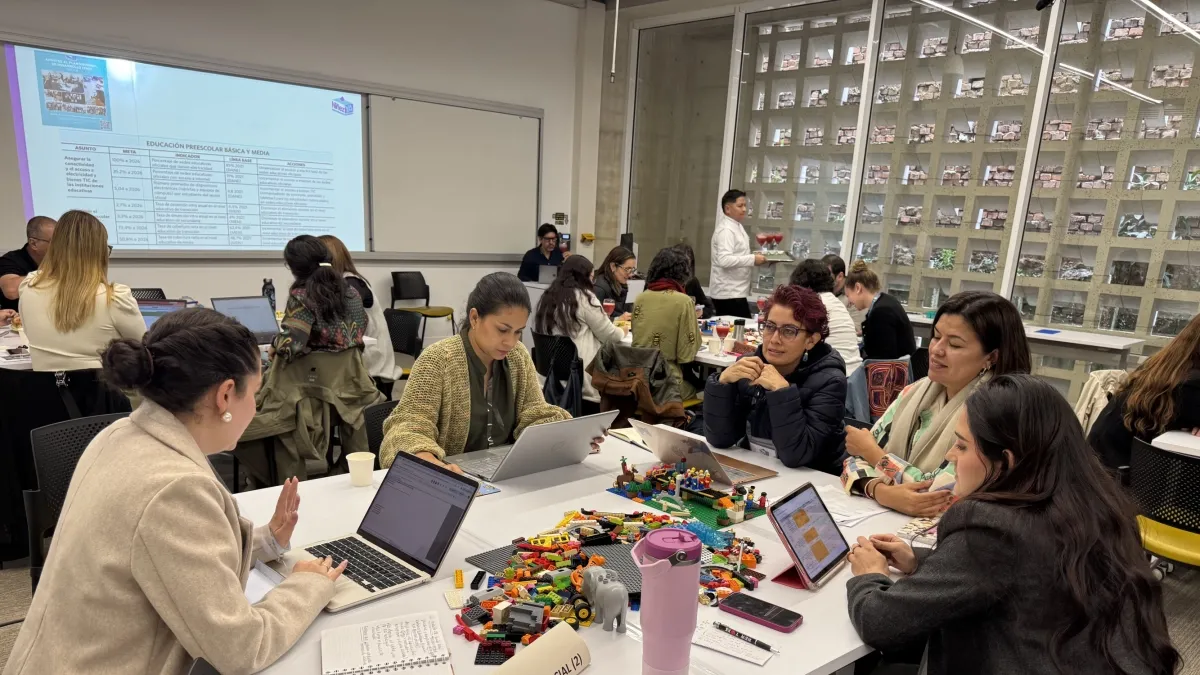
In a decisive move to reshape the national agenda for the upcoming term, the coalition NiñezYA has mobilized a diverse assembly of 65 civil society organizations and international cooperation partners. Their objective is clear: to ensure that the fundamental rights of children, adolescents, and youth are not merely abstract ideals, but the cornerstone of the Colombian National Development Plan for 2026-2030.
Through a comprehensive document titled "Agreements for Childhood, Adolescence, and Youth," this collective has presented 40 strategic proposals to the government. These recommendations address a multifaceted crisis—ranging from severe nutritional deficiencies and mental health challenges to the devastating impacts of climate change and conflict—demanding an immediate and structural transformation of how the state protects its most vulnerable citizens.
The Landscape of Crisis: A Data-Driven Reality
The urgency behind NiñezYA’s proposal is rooted in alarming statistics that paint a harrowing picture of childhood in Colombia today. According to the data compiled in the report, the nation is facing a systemic failure to provide basic stability for its youth.
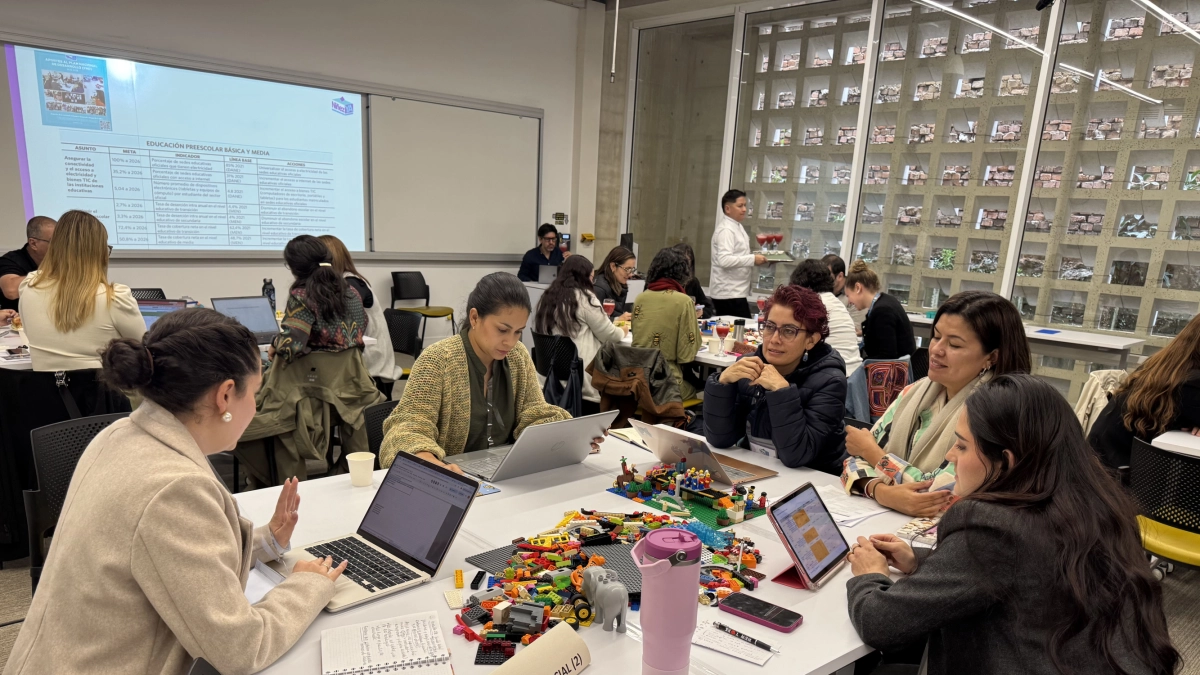
Nutritional and Mental Health Indicators
The nutritional status of the country’s youngest population remains a grave concern. Citing the 2015 National Nutritional Health Survey (ENSIN), the report highlights that 10.8 percent of children under the age of five suffer from chronic malnutrition. Compounding this physical toll is a silent epidemic of mental health issues: the 2025 Mental Health Survey reveals that 10.4 percent of children aged 7 to 12 struggle with emotional disorders, while 2.1 percent of those between 7 and 11 report suicidal ideation.
Educational Disparities and Infrastructure Decay
The educational sector faces a dual challenge of access and quality. While urban areas boast a 76.5 percent enrollment rate in early childhood education, that figure plummets to under 25 percent in regions such as Vaupés, Vichada, and Guainía.
Furthermore, the physical infrastructure of the nation’s schools is in a state of collapse. Following recent seismic events, 7,653 educational facilities across 22 departments were affected. Of these, 1,282 are in critical condition, directly impacting the learning environment of 227,165 students. These structural vulnerabilities are further exacerbated by a secondary school dropout rate of 4.48 percent and declining performance in standardized assessments like the PISA tests, which show significant regressions in reading and mathematics.

Chronology of Advocacy: From Awareness to Policy Formulation
The journey toward these "Agreements" did not happen in a vacuum. It is the culmination of years of advocacy and the synthesis of fragmented data.
- 2015-2024 (The Information Gap): During this decade, civil society frequently sounded the alarm regarding the lack of updated data. The failure to conduct a new National Nutritional Health Survey (ENSIN) since 2015 left policymakers operating in the dark.
- Early 2025 (Data Synthesis): The release of the 2025 Mental Health Survey served as a catalyst, revealing the alarming rates of suicidal ideation among pre-teens and forcing a national conversation on the necessity of integrated psychosocial support.
- Late 2025 – Early 2026 (Coalition Building): NiñezYA solidified its network, bringing together NGOs, academic institutions, and international observers to consolidate a unified voice.
- October 2026 (The Presentation): The formal delivery of the 40-point proposal to the national government marks the current phase of the advocacy cycle. This phase is characterized by an insistence on institutionalizing the recommendations within the 2026-2030 National Development Plan.
Strategic Pillars for Change: What is Being Proposed?
Ángela Constanza Jerez, the national coordinator of the coalition, emphasizes that the proposed actions are designed to ensure "complete, continuous, flexible, and inclusive educational trajectories." The proposal rests on several key pillars:
1. Restoration of Academic Quality
The coalition calls for the reinstatement of standardized census testing for grades 3, 5, 7, and 9 to better track progress. They also demand robust training programs for teachers, educators, and school administrators, alongside the strengthening of the Individualized Reasonable Adjustment Plans (PIAR) to ensure inclusivity.

2. Integrated Health and Nutrition
Beyond addressing malnutrition, the group advocates for a "real and effective" approach to integrated health services. This includes a mandatory, intersectoral focus on pregnant mothers and adolescents, prioritizing access to healthy food systems and immediate, accessible psychosocial support.
3. The "Triple Crisis" Framework
The coalition argues that 2.4 million children are growing up under the constant threat of a "triple crisis": climate change, armed conflict, and forced migration. The statistics are chilling:
- Recruitment: On average, one child is recruited into armed groups every 20 hours.
- Displacement: 80 children are victimized by displacement or forced refuge every single day.
- Environmental Impact: 1.7 million children are affected annually by natural disasters.
Official Responses and Governance Requirements
The coalition is not merely asking for more resources; they are demanding a shift in governance. A primary point of contention is the current lack of a unified information system regarding violence, recruitment, and child protection.

The report suggests that the existing National System for Family Welfare (SNBF) must be overhauled to create a model of "clear governance and sufficient financing." This includes the full implementation of the Integrated Route of Care for Families (RIAF) and a dedicated effort to prevent family separation—a recurring issue in social protection cases.
Digital Safety and Corporate Responsibility
A modern addition to the advocacy agenda is the protection of children in digital spaces. With increasing reports of online recruitment and exploitation, the coalition argues that the burden of safety cannot rest solely on parents. They are calling for:
- Stricter state regulation of social media and digital platforms.
- Legal accountability for technology companies that fail to implement safety protocols.
- The establishment of clear, accessible, and anonymous channels for reporting digital violence.
Implications: The Long Road to Implementation
The implications of this proposal extend far beyond the immediate 2026-2030 window. By pushing for a "citizenship that begins in early childhood," the coalition is attempting to redefine the relationship between the state and the youth.

The Right to Play as Public Policy
Perhaps the most distinctive element of the proposal is the categorization of "play" as a vital right and a matter of public policy. The coalition urges the government to allocate specific infrastructure and resources to ensure that children have safe, public, and high-quality spaces to play. This is presented not as a luxury, but as an essential component of psychological development and community building.
The Challenge of Intersectoral Coordination
The ultimate success of the NiñezYA proposal depends on the government’s willingness to break down bureaucratic silos. The current system often isolates health, education, and justice, preventing a holistic approach to child welfare. The coalition’s insistence on an "intersectoral" approach means that the Ministry of Education, the Ministry of Health, and the justice system must operate under a shared set of indicators and reporting mechanisms.
Final Outlook
As the administration reviews these 40 proposals, the eyes of the international community and domestic stakeholders remain fixed on the government’s commitment to the next generation. The data provided by NiñezYA serves as an indictment of the status quo and a roadmap for a more equitable future.

The question remains: will the 2026-2030 National Development Plan reflect these urgent, evidence-based needs, or will the "triple crisis" continue to erode the foundations of Colombia’s future? The civil society coalition has made their position clear: the time for incremental change has passed. What is required now is a fundamental, systemic, and adequately funded transformation of the state’s approach to the most important stakeholders in the nation’s history—its children.
As the government moves toward the finalization of its development agenda, the pressure from these 65 organizations will likely serve as the primary litmus test for the administration’s social policy credentials. Whether these "Agreements" become law or remain a collection of well-intentioned observations will define the social trajectory of Colombia for the next decade.