By Editorial Staff
Updated: October 30, 2026
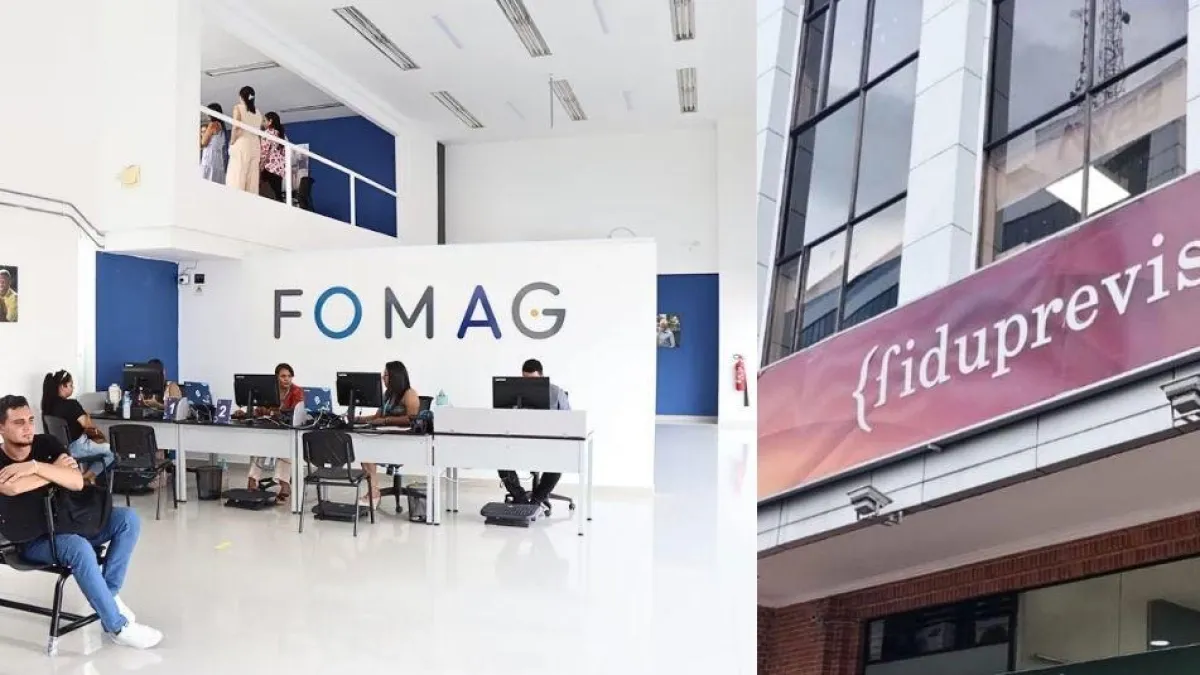
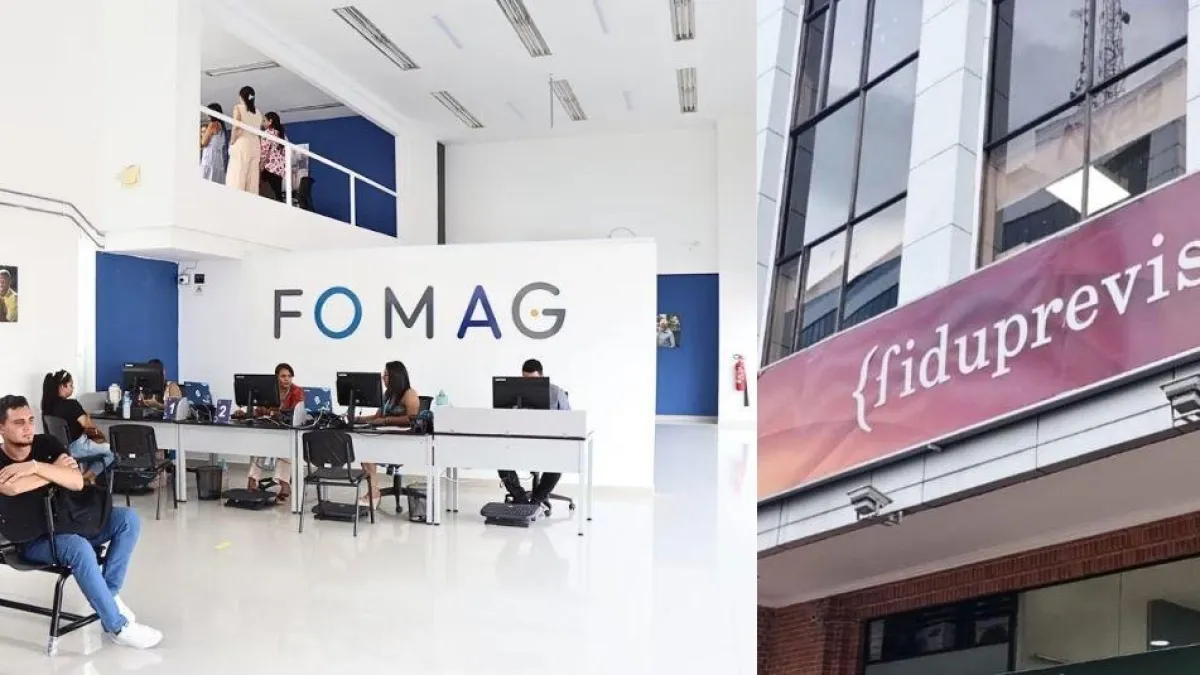
In a decisive move that marks a turning point for the Colombian educational system, the National Government, through the Ministry of Education, announced on Friday, October 30, 2026, that it will not renew the trust contract (contrato de fiducia) with Fiduprevisora. This contract, which has been the backbone of the National Fund for the Social Benefits of the Teaching Profession (Fomag) since 1990, is set to expire on October 31. The decision follows an extraordinary session of the Fomag Board of Directors, where authorities assessed the severe systemic failures that have plagued the management of social benefits for the country’s public school teachers.
The End of an Era: The Context of the Decision
For over three decades, the contract with Fiduprevisora served as the primary mechanism for managing the pensions, severance pay, and healthcare services of Colombia’s official teaching force. However, the operational reality of recent years has been characterized by deep structural decay.
The Minister of Education, Ilva Myriam Hoyos, emphasized that the decision was not taken lightly but was necessitated by a mountain of evidence pointing to administrative inefficiency. "The non-renewal of the contract does not signify, in any case, the suspension of health services," Minister Hoyos stated in a video address. "We are committed to all Colombians, to our teachers and their families, to ensure that during the transition phase beginning November 1, their rights to life, health, pensions, and severance payments will remain fully protected."

The Ministry revealed that the decision was underpinned by 59 critical technical findings, a staggering negative equity of 3.2 trillion pesos, and over 109,000 formal complaints filed by beneficiaries since 2024. These grievances predominantly concern restricted access to medical specialists, shortages of vital medications, and the denial of essential treatments.
Chronology of a Collapse: From 2024 to 2026
To understand the magnitude of the current crisis, one must look back at the radical shift implemented in May 2024. Under the administration of former President Gustavo Petro, the health model for teachers underwent a controversial transformation. The previous decentralized scheme, which utilized nine different contractors, was replaced by a centralized model where Fiduprevisora became the sole payer and administrator of health resources.
- May 2024: The government shifts the Fomag model, centralizing all payments and contracts under Fiduprevisora. This was touted as a pilot program for the broader national health reform.
- Late 2024 – 2025: Initial reports of service interruptions surface. Hospitals and clinics begin to complain about delayed payments, leading to the unilateral termination of service contracts by major healthcare providers.
- May 2026: The Superintendency of Health reports 38 new findings related to contractual obligations, financial mismanagement, and systemic risk failures.
- August 2026: Complaints reach a critical peak, with over 4,000 monthly reports filed by teachers regarding their inability to access basic health services.
- October 30, 2026: The Government officially announces the end of the contract with Fiduprevisora, citing a total failure of the administrative model and an unmanageable financial burden.
Financial Disarray: The 2.4 Trillion Peso Debt
The financial health of Fomag has been a subject of intense scrutiny in the Senate. During a political control hearing, the Superintendent of Health, María Andrea Godoy, painted a grim picture of the fund’s fiscal stability. The entity, responsible for the well-being of over 820,000 affiliates, is currently grappling with accounts payable amounting to more than 2.4 trillion pesos.
Perhaps more concerning is the nature of this debt. As of June 30, 2026, 51 percent of the total liability—approximately 1.24 trillion pesos—was categorized as "critical overdue debt," meaning it had been unpaid for more than 180 days. This has paralyzed the relationship between Fomag and its network of clinics and pharmacies.

The absurdity of the situation is highlighted by a startling statistic: despite the billions owed, the system has only one fully legalized contract out of a potential network of nearly 4,000 providers. This legal void has left teachers in a state of administrative limbo, where care is often provided without formal guarantees or financial certainty.
Official Responses and the Path to Transition
The government has outlined a clear, albeit challenging, path forward. The transition period will last for one year, during which the Ministry of Education intends to define the terms for a new, robust public tender to restore order to the system.

"We have requested the accompaniment of the Superintendency of Health and the Office of the Inspector General (Procuraduría) to oversee this transition," the Ministry stated via their official social media channels. The government has stressed that current obligations—including the payment of pensions, the dispensation of chronic medication, and the coverage of emergency services—will be maintained throughout the next twelve months to prevent further harm to the teaching community.
However, critics of the government’s past approach point to the paradox of the current spending levels. Government records indicate that the cost of operating the teachers’ health model surged from 2.39 trillion pesos in 2023 to 4.85 trillion in 2025, effectively doubling in two years, despite a decline in the number of active affiliates. The government currently pays a per-capita unit (UPC) for teachers that is 46.36 percent higher than the standard rate for other citizens, yet the quality of service has plummeted.

Implications for the Future of Colombian Public Health
The failure of the Fomag model serves as a cautionary tale for the broader national health reforms being debated in the legislative branch. If a centralized, high-budget model could not function effectively for a population as organized as the teachers’ union, questions arise regarding the feasibility of similar nationalized models.
Key Implications:
- Restoration of Trust: The new tender must address the massive financial deficit left by the previous management. Restoring the confidence of hospitals and specialized medical providers is the immediate priority.
- Accountability: With the Office of the Attorney General (Fiscalía) and the Comptroller’s Office (Contraloría) now involved in the review of the 59 technical findings, there is a high probability of criminal or disciplinary investigations into those responsible for the financial mismanagement of the last two years.
- Stability for Teachers: For the 820,000 people relying on this system, the coming year will be one of uncertainty. The Ministry’s promise of continuity will be tested daily as they attempt to reconcile debts while simultaneously structuring a new administrative framework.
As November 1 dawns, the Colombian government finds itself in a race against time. The transition is not merely a bureaucratic shift but a survival strategy for a system that has, for too long, prioritized ideological experimentation over the fundamental health and security of those who educate the next generation of Colombians. Whether the new tender can provide the necessary transparency and efficiency remains to be seen, but for now, the message from the Ministry is clear: the status quo is no longer an option.