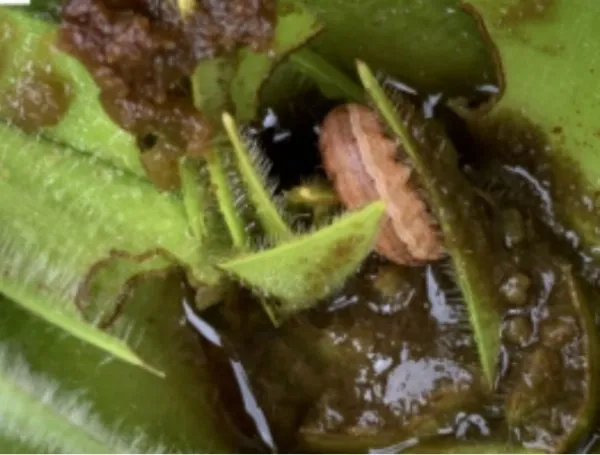
In a discovery that has sent ripples through the scientific community, researchers have documented for the first time the presence of a notorious agricultural pest within the fragile, high-altitude ecosystems of the tropical Andes. The finding, published in the scientific journal Ecosphere, details how Mythimna unipuncta—a moth species traditionally associated with lower-altitude crop devastation—has begun feeding on Paepalanthus alpinus, an endemic plant species thriving in the Matarredonda paramo of Choachí, Cundinamarca, Colombia.
This unprecedented ecological shift serves as a chilling bellwether for the broader consequences of global warming, suggesting that as planetary temperatures rise, the boundaries protecting unique, high-altitude biodiversity are becoming increasingly porous.
The Discovery: A Sentinel of Ecological Change
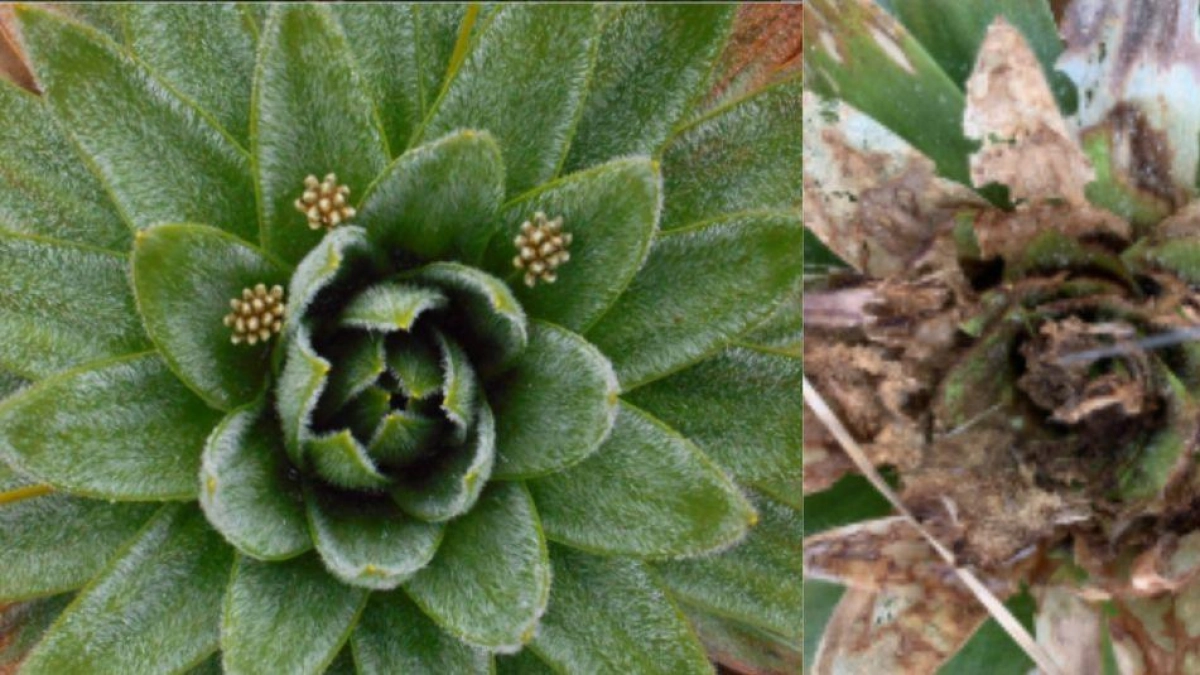
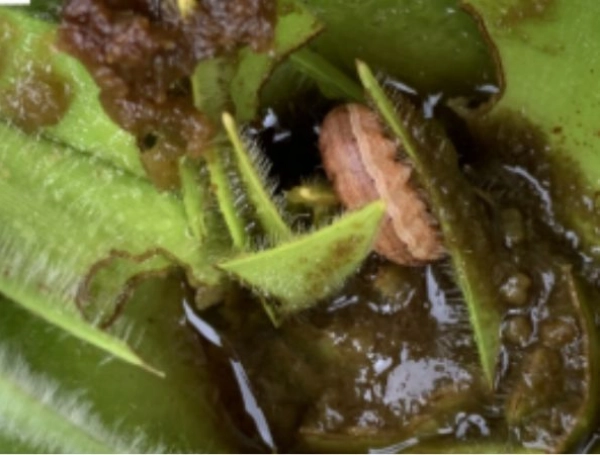
The research team, led by Colombian scientists Paula Torres Quintero, Carolina Pardo Díaz, Camilo Salazar, and Eloísa Lasso, began their investigation after observing recurring episodes of sustained herbivory on Paepalanthus alpinus. For years, this plant has stood as a resilient symbol of the paramo ecosystem, a high-mountain region characterized by its ability to store carbon and regulate water cycles.
However, the team noticed that the plant was being consumed by unidentified larvae. To bridge the gap between observation and identification, the researchers employed cutting-edge genetic analysis. By utilizing DNA barcoding of the mitochondrial cytochrome c oxidase subunit I (COI) gene and performing rigorous phylogenetic analyses, the team confirmed the intruder’s identity: Mythimna unipuncta, commonly known as the "true armyworm."

Historically, this species is a cosmopolitan pest, known to wreak havoc on corn, wheat, and rice fields worldwide. Its appearance at 3,500 meters above sea level in the Matarredonda paramo represents a significant biological anomaly, as these insects were previously thought to be physiologically incapable of thriving in the extreme, chilly conditions of the Andean alpine environment.
A Chronology of the Investigation
The study was not a fleeting observation but a longitudinal effort conducted over several months in 2021. Between March and November, the researchers systematically sampled six distinct locations within the Matarredonda Ecological Park. During this window, they successfully collected 55 specimens of the larvae, establishing a baseline for what would become an intense laboratory examination of the species’ resilience.
Timeline of the Study:
- March – November 2021: Systematic collection of 55 larvae specimens across six sites in the Matarredonda complex.
- Late 2021: Extraction of DNA and molecular identification using COI barcode markers.
- 2022 – 2025: Controlled climate laboratory experiments to observe growth rates, survival, and life-cycle completion under varying temperature regimes.
- October 2026: Formal publication of findings in Ecosphere, alerting the global community to the shifting range of the species.
Supporting Data: The Temperature Thresholds
One of the most compelling aspects of the study is the experimental data regarding the insect’s survival. The researchers were driven by a fundamental question: How does a temperate-region pest survive in the frigid, 8.8°C average temperatures of the Matarredonda paramo?
To answer this, the team gathered an additional 111 larvae and placed them into climate-controlled growth chambers. The results were both fascinating and alarming. The team subjected the insects to three distinct thermal treatments:
- The "Cold" Treatment: Mimicking the current paramo environment, this group saw higher initial survival rates, but mortality spiked drastically as the larvae reached maturity.
- The "Intermediate" Treatment (25/15°C): This environment produced a 56% survival rate, with 23 of 38 individuals successfully reaching the adult stage between 50 and 80 days.
- The "Warm" Treatment (Simulated Global Warming Scenarios): While these larvae developed faster, their mortality rate was extreme, with only a 5% survival rate (four out of 40 reaching adulthood).
These data points suggest that while global warming may indeed be "opening the gates" for the pest to migrate higher, the species is currently navigating a narrow physiological tightrope. The insects are caught between the inability to handle the current cold and the lethal stress of rapidly increasing temperatures.
Implications for the Paramo Ecosystem
The paramo is a "sky island"—an isolated habitat that hosts high levels of endemism. Many species found in the Matarredonda complex exist nowhere else on Earth. The arrival of Mythimna unipuncta is not merely an agricultural concern; it is a threat to the evolutionary integrity of the Andean flora.

The Risk to Native Vegetation
If Mythimna unipuncta successfully adapts to the cold, it could shift its dietary preferences entirely toward native species like Paepalanthus alpinus. Unlike agricultural crops that receive pesticides and human management, the delicate paramo vegetation has no defense mechanisms against an opportunistic, generalist herbivore. The potential for the decimation of endemic plant populations could trigger a cascade effect, altering the water-retention capacity of the soil and potentially impacting the water supply for millions of people in the surrounding regions, including Bogotá.
The Climate Connection
The study authors emphasize that their findings provide strong circumstantial evidence that climate change acts as a catalyst for range expansion. By raising the mean ambient temperature of high-mountain zones, the barrier that once acted as a thermal shield for alpine ecosystems is thinning. However, the researchers remain cautious: "These findings do not prove that global warming is the sole cause of their presence, nor do they confirm that the species will establish itself permanently."
Scientific and Official Response
The academic community has received these findings with a mix of scientific curiosity and environmental apprehension. Dr. Eloísa Lasso and her colleagues have underscored that this is the beginning of a long-term monitoring necessity.
Official conservation bodies are now faced with the challenge of integrating "climate-driven pest migration" into their management plans. Currently, the Matarredonda Ecological Park serves as a natural laboratory, but there is growing pressure to expand surveillance to other complexes within the Cruz Verde region.
The researchers have identified three critical areas for future study:
- Reproductive Success: Determining if the adult moths are successfully mating within the paramo or if the current population is being "replenished" by migration from lower altitudes.
- Vegetation Impact: Quantifying the total area of Paepalanthus consumption to determine if the damage is sustainable or if it poses an extinction risk to the plant.
- Cross-Species Dynamics: Investigating whether other native insects are being displaced or if the local predator-prey balance can mitigate the population growth of the Mythimna larvae.
Conclusion: A Canary in the Coal Mine
The discovery of Mythimna unipuncta in the paramo of Matarredonda is a sobering reminder that the impacts of climate change are not limited to melting ice caps or rising sea levels. They are manifesting in the quiet, hidden corners of our mountain ranges, where ancient species are being forced to contend with new, invasive threats.

As we look toward the future, this study serves as a "canary in the coal mine." It highlights the urgent need for a more comprehensive understanding of how high-altitude ecosystems respond to the anthropogenic acceleration of the climate. The resilience of the Andes depends on our ability to monitor these shifts, protect the integrity of native habitats, and perhaps most importantly, acknowledge that the "alpine" is no longer the sanctuary it once was.
For now, the scientific team continues their work, watching the larvae in the lab and the plants in the field, waiting to see if the paramo will succumb to the pressure of the changing world or if its inherent, hard-won resilience will hold firm against the incoming tide of global change.