
The Pulse of a Movement
The heartbeat of Colombian urban music pulsed through the Movistar Arena in Bogotá this past Friday, October 23, 2026. In an industry often dominated by ephemeral trends, the artist Kris R demonstrated that his vision for "El Trap de Kolombia" is not merely a brand, but a cultural phenomenon that has firmly established itself at the center of the Latin music landscape.
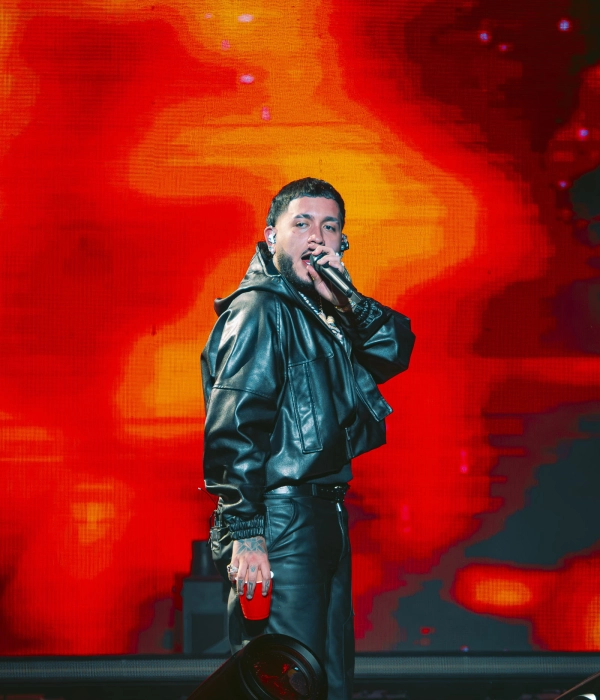
With a sold-out crowd of over 12,000 screaming fans, the evening was more than a concert; it was a carefully curated narrative journey. The show began with a cinematic flourish—a rhythmic heartbeat echoing through the arena, followed by a video projection detailing Kris R’s origins in the United States, effectively bridging his international roots with his deep-seated connection to Colombia. When the opening notes of "HABLALES KENDO" rang out and the artist emerged in a striking, avant-garde ensemble, the message was clear: this was the arrival of a new era for Colombian trap.

Chronology of a Spectacle
The performance was meticulously structured to guide the audience through the multifaceted life of the artist. By moving away from a linear setlist, Kris R transformed the stage into a theater of his own life story.
The first act focused on his artistic ascent, blending aggressive trap rhythms with intimate storytelling. The production value was immense, utilizing advanced lighting and screen technology to frame his journey from obscurity to the pinnacle of the charts. However, the emotional core of the night occurred midway through the show. In a poignant departure from the high-energy production, the music faded, and Kris R left the main stage to walk among his fans, embracing his mother and brother. This raw, unscripted moment served as a grounded reminder of the personal sacrifices behind the public persona.

As the show progressed, the spatial dynamics changed. The artist moved to a secondary stage situated directly in the heart of the audience. This "satellite" stage allowed for an unprecedented level of intimacy, turning the massive arena into a communal gathering.
The narrative took a romantic turn when Karina García, the artist’s partner, joined him on stage for an acoustic-led performance of "4 Life." The chemistry was palpable, shifting the mood of the venue and showcasing the versatility of his discography. Perhaps the most unexpected highlight was the digital cameo of legendary Colombian television host Jorge Barón. In a pre-recorded clip, the icon jokingly labeled the artist’s music as "grosero" (vulgar), a nod to the cultural friction between traditional Colombian media and the gritty, unfiltered nature of modern trap music.

A Gathering of Titans: The Collaborative Network
A central pillar of the night was the extensive guest list, which served to validate Kris R’s influence within the urban scene. The concert functioned as a summit of sorts, bringing together legends and rising stars from both Colombia and Puerto Rico.
The guest appearances read like a “who’s who” of the genre: Cosculluela, Jory Boy, Tury, Guelo Star, GeezyDee, Fanta Rosario, and the iconic Nanpa Básico. These collaborations did more than just satisfy the audience; they illustrated the deep, interconnected web of artists that has propelled the "El Trap de Kolombia" project forward. By sharing the stage with multiple generations of urban talent, Kris R reinforced his position as a bridge-builder, a central node through which the past and future of the genre flow.

Supporting Data: An Unprecedented Recognition
The success of the Bogotá concert coincides with a pivotal moment in the artist’s professional career. Only eight days prior to the show, on October 15, 2026, Kris R released ETDK 2, the highly anticipated second installment of his "El Trap de Kolombia" album series. The 14-track project boasts an A-list roster of features including industry giants such as Arcángel, Nicky Jam, De La Ghetto, Cris MJ, and the Colombian sensation Blessd.
The commercial impact of these efforts was formally recognized during the concert. In a significant industry gesture, representatives from Warner Music presented Kris R with 30 distinct certification plaques. These awards honor the cumulative streaming and sales performance of his work over the last 15 months. For the artist and his management, these plaques are not just trophies; they are tangible evidence of a shift in market appetite—confirming that Colombian audiences are hungry for locally produced, high-quality trap.
Implications for the Industry
The success at the Movistar Arena serves as a critical indicator for the trajectory of the Colombian music industry. For years, the global perception of Colombian music was largely tethered to reggaeton and pop. Kris R’s ability to sell out a major venue with a trap-centric repertoire suggests that the genre has matured beyond its underground origins.
The Institutional Shift
The involvement of major labels like Warner Music in awarding 30 plaques reflects a broader institutional acknowledgment of the genre’s profitability. The "El Trap de Kolombia" concept is essentially a localized business model that prioritizes regional identity while utilizing the technical standards of international urban music. By anchoring his brand in the pride of his home country, Kris R has created a template for emerging artists who wish to compete globally without sacrificing their cultural specificity.

A New Standard for Live Performance
The technical execution of the night—specifically the use of secondary stages and the integration of personal, non-musical storytelling—sets a new benchmark for urban artists in the region. It signals that the era of "just a microphone and a beat" is fading; audiences now expect a narrative arc that justifies the price of admission. The emotional resonance of the family reunion on stage, combined with the professional polish of the light and sound design, suggests that Colombian urban artists are now firmly in the "arena era" of their careers.
Looking Ahead: The Road to Sabaneta
While the Bogotá show was a celebration of past achievements, it also served as the opening act for a broader regional expansion. With the momentum from the capital, all eyes are now on the next major milestone: November 20, 2026, at the DAVIarena in Sabaneta, near Medellín.

Medellín, often cited as the heartbeat of the urban movement in Colombia, will provide a different kind of test for the artist. Performing in the region that arguably birthed the current Colombian urban sound will be a statement of confidence. If the Bogotá show was about introduction and validation, the upcoming Sabaneta date will be about consolidation.
As Kris R prepares for his next performance, the broader industry is watching closely. The success of "El Trap de Kolombia" has proven that the audience is not just consuming songs; they are investing in the narrative of a movement. By effectively blending the gritty, street-level energy of trap with the high-production values of a stadium tour, Kris R has not only carved out a space for himself—he has legitimized a subgenre that is now poised to influence the next decade of Latin music.

The story of the artist from the United States who returned to his roots to redefine the sound of Colombia is far from over. As he continues to traverse the country, the question remains not whether he can sustain his popularity, but how far the influence of "El Trap de Kolombia" will reach across the international stage.