By Edwin Caicedo, Environmental and Health Correspondent
September 16, 2026
The Amazon rainforest, often described as the "lungs of the planet," is currently facing a systemic collapse that transcends the mere loss of timber. In a critical report released this week, Greenpeace Colombia has sounded a definitive alarm: the rapid deforestation of the Colombian Amazon is not just a statistical decline in tree cover; it is a violent unraveling of the complex biological networks that sustain life.
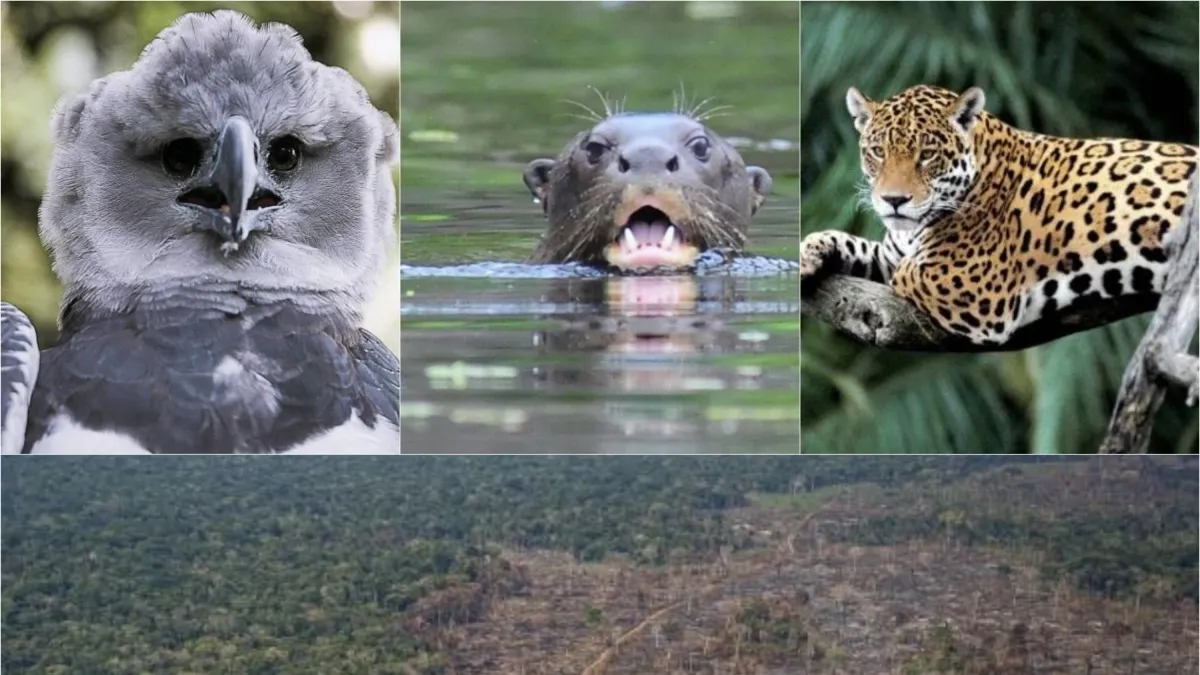
From the apex predators that regulate population dynamics to the elusive creatures of the riverbanks and the majestic hunters of the canopy, the transformation of these territories is destroying the fundamental habitats, food sources, and breeding grounds essential for survival.
Main Facts: The Anatomy of a Fragmented Forest
At the heart of the crisis is the misunderstanding of what a forest represents. Biodiversity is not a static inventory of species; it is a dynamic, interdependent web. When a forest is leveled for cattle ranching, illegal crops, or infrastructure, that web snaps.

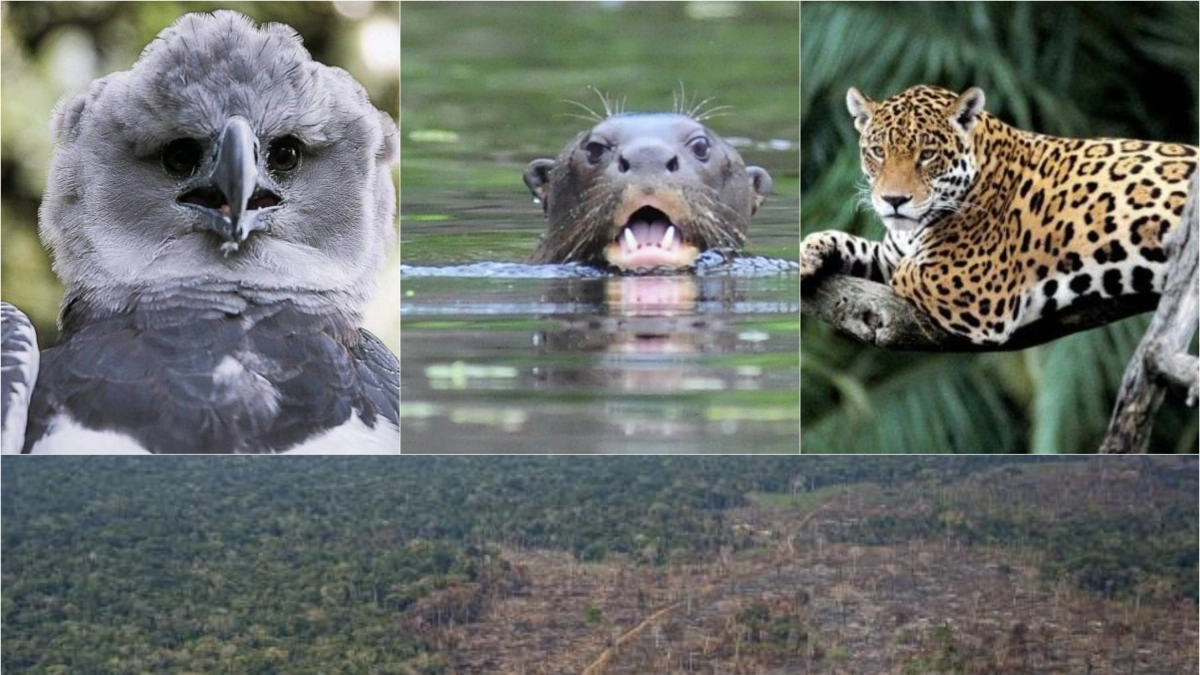
Greenpeace Colombia’s analysis centers on three iconic species—the jaguar (Panthera onca), the giant otter (Pteronura brasiliensis), and the harpy eagle (Harpia harpyja)—to illustrate the cascading failures occurring in the Amazonian ecosystem. Each of these animals plays a specialized role, and their decline acts as a "canary in the coal mine" for the broader health of the biome.
The Jaguar: A Predator Without a Realm
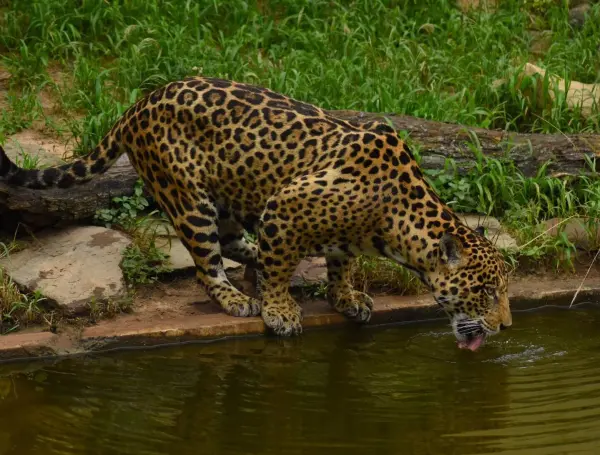
The jaguar is the undisputed monarch of the American wilderness. As an apex predator, its presence is a biological indicator of ecosystem integrity. By controlling the populations of prey species, the jaguar ensures that vegetation is not over-grazed, which in turn maintains the structural health of the forest.

However, as the frontier of cattle ranching pushes deeper into the Amazon, the forest is carved into disconnected "islands." For a jaguar, which requires massive, contiguous ranges to hunt and reproduce, this fragmentation is a death sentence. When the forest is reduced to small, isolated patches, jaguars are forced into closer contact with human settlements, inevitably leading to conflict and retaliatory killings.
The Giant Otter: The Silent Victim of the Waters
The crisis extends far beyond the canopy. The giant otter, a species already categorized as endangered, relies on a delicate balance of riverine health. These animals require pristine riverbanks, lagoons, and flooded forests for their dens and nursery sites.
Deforestation near waterways triggers a chain reaction: the loss of riverside vegetation increases soil erosion, leading to the sedimentation of rivers and the destruction of the aquatic habitats where these otters hunt. Furthermore, the encroachment of illegal mining—a byproduct of forest clearing—introduces toxic mercury into the water cycle. This heavy metal bioaccumulates in the food chain, poisoning the otters at the top of the aquatic trophic level.
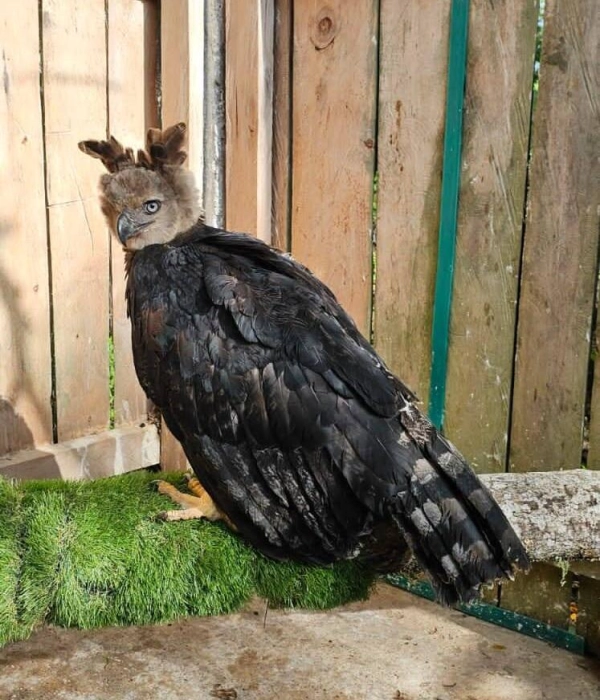
The Harpy Eagle: The Architect of the Canopy
High above the forest floor, the harpy eagle relies on the tallest "emergent" trees—often those 40 to 60 meters high—to build its massive nests. The loss of a single giant tree might seem insignificant to a logger, but for the harpy eagle, it is the destruction of an entire nursery. With a slow reproductive cycle—often producing only one surviving chick every few years—the species is exceptionally vulnerable to the loss of its nesting architecture.
Chronology of a Disappearing Frontier
The current state of the Amazon is the result of decades of policy shifts, economic pressures, and environmental neglect.
- 1940s–1970s: A period marked by intense, unregulated exploitation. Giant otters, in particular, were decimated during this era due to the international trade in furs, pushing them to the brink of extinction.
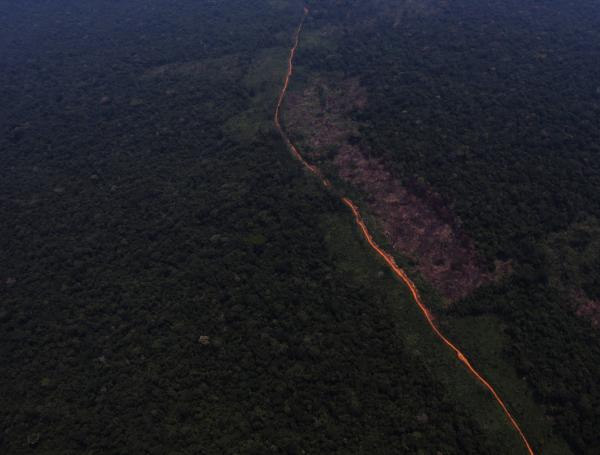
- 2000s–2015: The rise of large-scale infrastructure and industrial agriculture began to carve "fishbone" patterns into the forest, creating the primary corridors for fragmentation.
- 2018–2024: A period of heightened instability. Data from satellite monitoring showed consistent spikes in deforestation rates, often linked to land grabbing and the expansion of the cattle industry.
- 2026 (Present): Environmental organizations have officially signaled that the "tipping point" is near. The focus has shifted from simple reforestation to the urgent need for "connectivity conservation"—the protection of biological corridors that allow species to migrate and adapt to a changing climate.
Supporting Data: Why "Trees" Are Not the Only Metric
Greenpeace Colombia’s report emphasizes that conservation efforts must shift away from "hectares planted" as the only metric of success. While planting trees is vital, it does not restore the thousands of years of evolutionary relationships that define a mature, primary rainforest.
Scientific surveys indicate that even if total forest cover remains, the quality of the forest is plummeting. Edge effects—where the border of a forest meets a pasture—are characterized by drier, hotter microclimates. These conditions are inhospitable to the specialized species mentioned above. Data confirms that fragmentation leads to a 30% to 50% decrease in species richness within five years of the initial clearing of a surrounding forest tract.
Official Responses and Expert Perspectives
Laura Caicedo, Coordinator of Campaigns at Greenpeace Colombia, argues that the destruction of the Amazon is not an accidental by-product of progress, but a direct consequence of policy failures and industrial choices.

"The biodiversity is not separate from the decisions we make about the territory," says Caicedo. "Each hectare of forest that is transformed can mean the loss of food, refuge, corridors, and breeding grounds for species that fulfill essential functions. Protecting the Amazon requires us to know exactly what is happening with its forests, to halt their transformation, and to guarantee that productive activities stop advancing into these living ecosystems."
Government officials have acknowledged the severity of the situation, with the Ministry of Environment recently stressing that environmental licensing can no longer be used as a "weapon" or a mere formality. However, environmental leaders on the ground remain skeptical, citing that Colombia remains one of the most dangerous countries in the world for those defending the environment.
Implications: A Future at Stake
The implications of this ongoing destruction are global. The Amazon acts as a critical carbon sink and a regulator of regional rainfall patterns. If the forest continues to be treated as a collection of commodities—timber, land for cattle, or soil for crops—the cost will be paid in the form of climate instability and irreversible biodiversity loss.
The Path Forward
Greenpeace Colombia proposes a multi-pronged approach to reverse the current trend:
- Traceability: Implementation of strict supply chain monitoring to ensure that products—particularly beef and soy—do not originate from deforested areas.
- Corridor Protection: Prioritizing the legal protection of biological corridors that connect existing national parks and reserves.
- Community Empowerment: Supporting indigenous and local communities who have historically served as the most effective guardians of the forest.
- Ecological Restoration: Moving beyond monoculture plantations to restore the complex structural diversity of the Amazon, focusing on the specific trees and plants required by keystone species.
As we look toward the end of 2026, the message from the forest is clear: the Amazon is not just a resource to be managed; it is a life-support system. When we destroy the habitat of the jaguar or the nesting tree of the harpy eagle, we are not just losing animals; we are dismantling the very mechanisms that keep our planet habitable.
The time to transition from an extractive economy to one that values biological integrity is not in the future—it is today. The survival of the Amazon, and the species that depend on it, is the ultimate measure of our global commitment to the future of life on Earth.