In the rugged, mist-covered mountains of rural Colombia, where the terrain often dictates the limits of human movement, one woman has defied the geographical and socioeconomic barriers that threaten to isolate her son. The story of Yeimi and her son, Misael, has captured the hearts of thousands across digital platforms, evolving from a simple social media post into a powerful narrative of maternal resilience, community solidarity, and the enduring struggle for dignity in the face of disability.
The Daily Ascent: A Testament to Maternal Strength
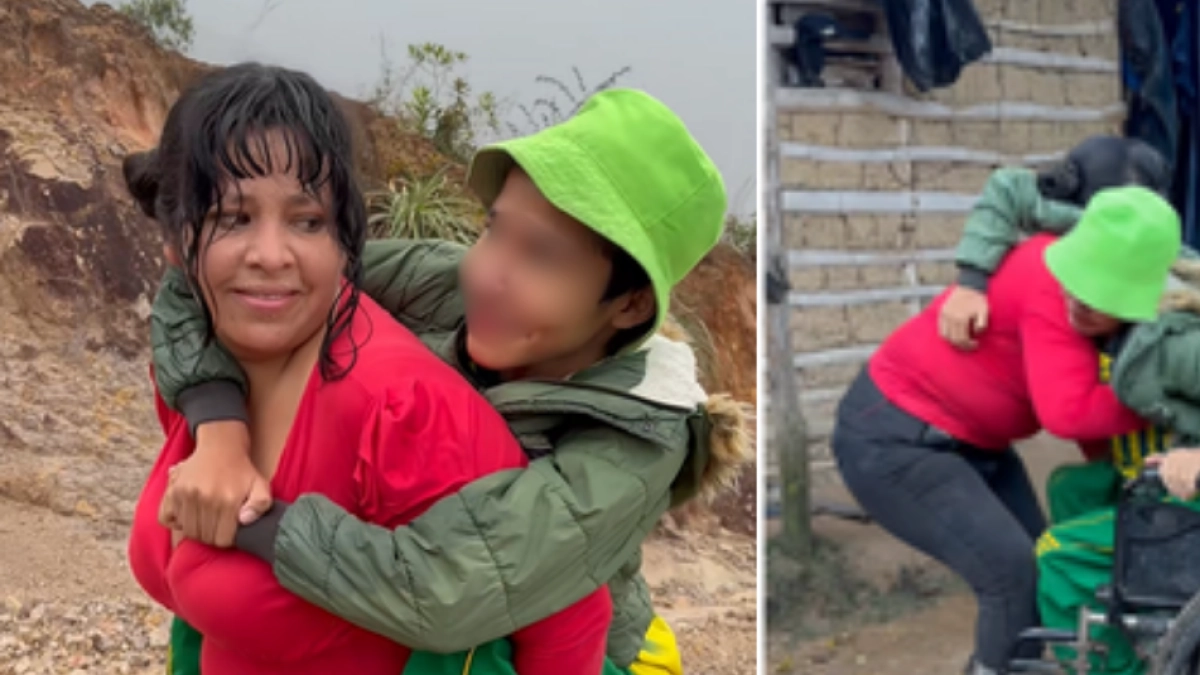
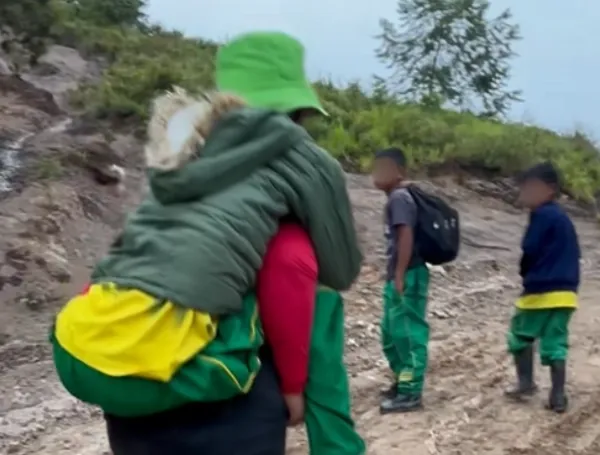
Every morning, long before the sun fully crests the Andean peaks, Yeimi begins a journey that most would consider an impossible feat. She prepares her son, Misael, a young boy whose mobility is severely restricted by a chronic physical condition, for the trek to the Buenavista rural school. Because the terrain is unpaved, steep, and treacherous, there is no transport capable of navigating the path.
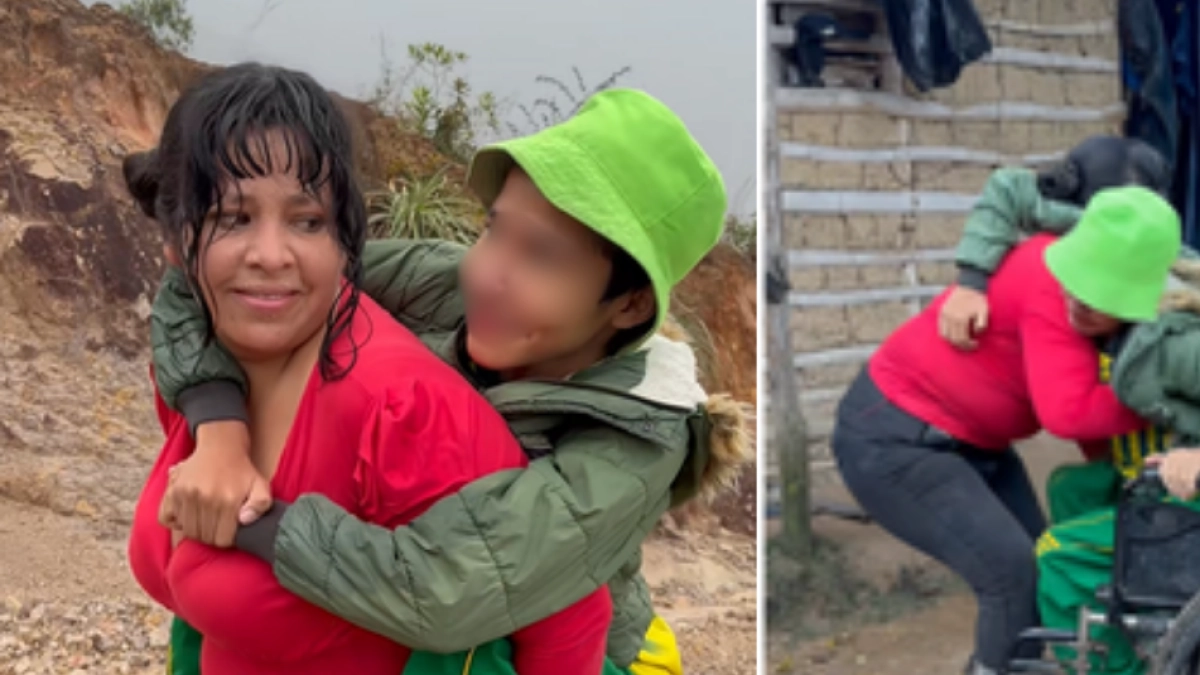
For Yeimi, the solution is not an option; it is an act of necessity. She physically carries Misael on her back, navigating the winding mountain trails to ensure he receives an education. When asked about the physical toll of this daily routine—a task that requires immense stamina and unwavering resolve—Yeimi’s response is as modest as it is poignant: "No, I carry him. I am used to it."
This simple sentence conceals a reality of back-breaking labor. Yeimi does not merely act as his transport; she remains by his side, attending to his every need, managing his physical discomfort, and ensuring that his path to knowledge remains open despite the formidable obstacles nature has placed in their way.

Chronology of a Viral Movement
The visibility of their struggle began when they crossed paths with a digital content creator known as "El Agricultor." Known for documenting the realities of life in the Colombian countryside, El Agricultor captured the raw, unfiltered footage of Yeimi’s morning trek.
- Initial Discovery: Upon witnessing the daily commute, El Agricultor began documenting the family’s life, highlighting not only the commute but the precarious economic situation of the household.
- The Identification of Needs: During a follow-up visit, the creator asked a pivotal question: "What do you need?" Yeimi, who had been struggling to provide basic comfort for her son, identified three critical items: a proper bed, an orthopedic mattress, and a functional orthopedic chair.
- The Mobilization of Community: The video reached a massive audience. Within weeks, the digital community—moved by the stark contrast between Yeimi’s selflessness and her lack of resources—began donating funds and equipment.
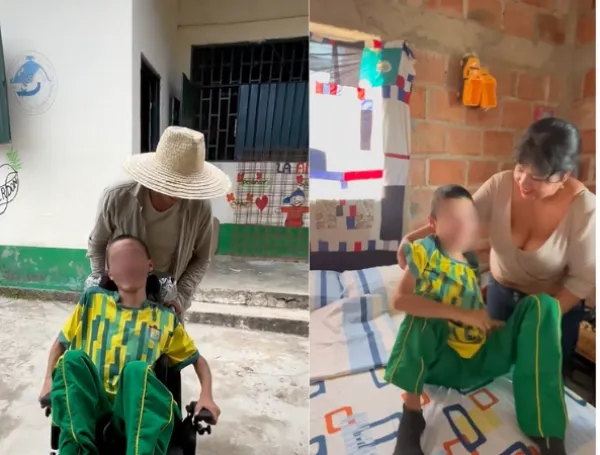
- The Fulfillment of a Promise: Months later, El Agricultor returned to the mountain residence. The scene was transformed as he delivered the requested items. The new orthopedic chair, in particular, was a landmark improvement over the previous, dilapidated equipment that had been causing Misael significant physical strain.
Supporting Data: The Reality of Rural Disability
The case of Yeimi and Misael is not an isolated incident; it serves as a microcosm for the broader challenges faced by families living with disabilities in rural regions.

Infrastructure and Access
In rural areas of Colombia, the "infrastructure gap" is a primary determinant of quality of life. According to local development reports, rural schools often lack the specialized equipment necessary for inclusive education. When transportation infrastructure is nonexistent, the burden of accessibility shifts entirely to the primary caregiver, who is often a woman, further exacerbating the "care burden" gap.
Economic Precariousness
Yeimi’s economic profile reflects the struggle of the rural working class. To sustain their household, she engages in a cycle of seasonal and informal labor:
- Coffee Harvesting: A labor-intensive sector subject to volatile market prices.
- Product Packaging: Often performed in small, local facilities with low wage stability.
- Culinary Assistance: Cooking for local farm estates.
The irony remains that while Yeimi contributes to the agricultural economy, her income is insufficient to cover the specialized medical equipment required for her son’s well-being. This creates a cycle where the cost of disability care consumes the limited earnings of the household, leaving little for long-term stability.
Official Responses and the Need for Systematic Support
While the intervention of social media influencers provided immediate relief, experts in social welfare argue that such "charity-based" solutions highlight a deeper failure in state-led support systems.

Historically, the state’s response to rural families with special needs has been hampered by bureaucratic bottlenecks. Families are often required to travel to urban centers to process documentation for disability support, a requirement that, for people like Yeimi and Misael, is functionally impossible.
"We need to move beyond spontaneous generosity," notes a representative from a local social advocacy group. "While the aid provided by the online community is life-changing, Misael requires a sustainable support structure—reliable transportation, consistent physical therapy, and financial support for the family that does not depend on the whims of an algorithm."
Implications: The Power and Limits of Digital Solidarity
The story of Misael and Yeimi offers a compelling case study on the role of digital media in modern humanitarian efforts.
The Positive Impact
Digital platforms have effectively decentralized the humanitarian response. In this case, the "crowd" functioned as an efficient logistics network, identifying a specific need and fulfilling it in record time. For Misael, the result was immediate: improved posture, better sleep quality, and a greater sense of dignity.

The Ethical Considerations
However, scholars of digital media ethics warn of the "spectacle of suffering." While sharing such stories can incite necessary aid, it also risks reducing individuals to their pain. The challenge lies in maintaining the privacy and dignity of the individuals involved while ensuring that the public remains engaged in the long-term resolution of their plight.
The Path Forward
The journey is far from over. Even with the new equipment, the family remains in a precarious position. The need for specialized medical attention, which requires frequent travel to cities with specialized facilities, remains the primary hurdle.

The community of followers has begun to transition from one-off donors to a support network, with many calling for a more permanent "sponsorship" or "apadrinamiento" program. This would allow for a steady stream of resources to cover the family’s transportation costs and Misael’s ongoing therapy.
Conclusion: A Call to Sustained Action
Yeimi’s commitment to Misael is a poignant reminder of the invisible efforts that sustain our society. Her daily climb up the mountain is not just a journey to a school; it is a profound declaration of love and a demand for equality.

As we look at their story, it serves as a mirror for society at large. While we may celebrate the "happy ending" of the new chair and bed, we must also ask why the state and local authorities have not addressed the foundational issues of accessibility in these rural zones.
The story of Yeimi and Misael is a testament to the fact that while technology can bridge the gap between people, it is the tenacity of the human spirit that remains the most powerful force for change. Misael now has a better chair, and Yeimi has a moment of relief, but their struggle continues. It is a story that invites us not just to click "like," but to consider how we can support systems that ensure no mother is left to climb the mountain alone.

As the international community watches, the hope is that this case will serve as a catalyst for local policy reform, ensuring that future generations of rural children, regardless of their physical abilities, have a path to education that does not require the literal weight of the world on their mothers’ shoulders.