By Edwin Caicedo, Environment and Health Correspondent
September 22, 2026
Colombia’s environmental heritage is currently facing a grave test as Parques Nacionales Naturales (PNN) grapples with multiple simultaneous wildfire emergencies across the country. From the high-altitude paramo ecosystems of the Andes to the dense wilderness of the Valle del Cauca, fire brigades, local authorities, and disaster response teams are engaged in a desperate race against time to protect the nation’s most sensitive biodiversity hotspots.
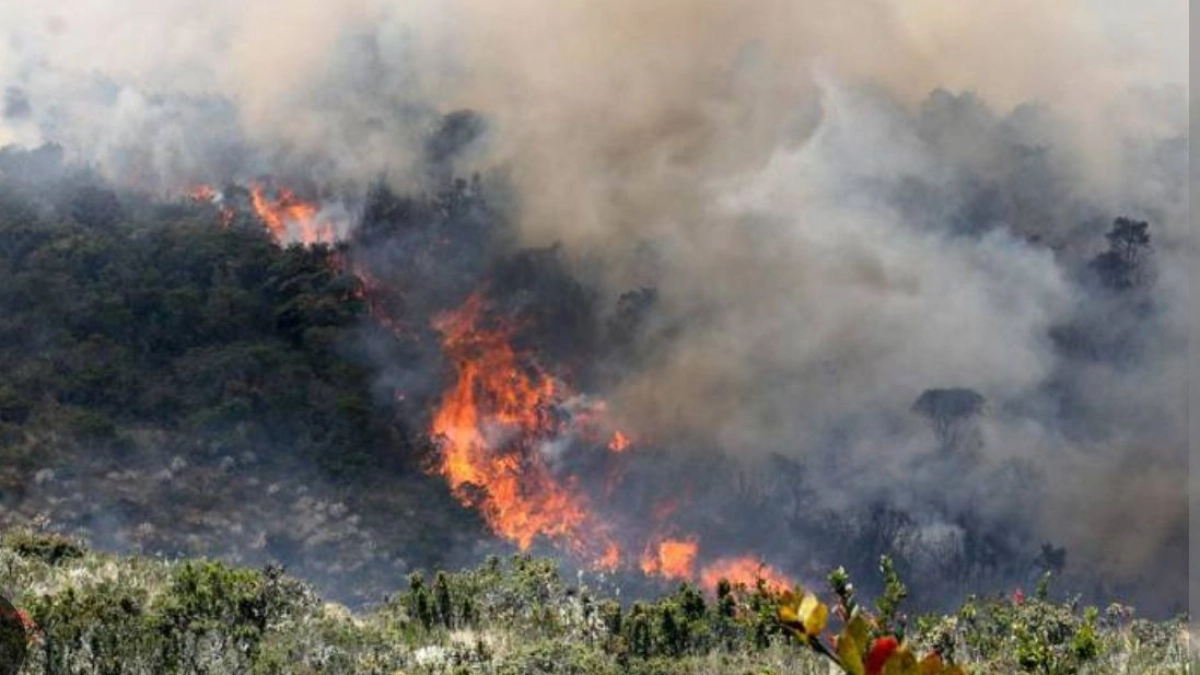
As of late September 2026, the situation has mobilized hundreds of personnel, including specialized forest firefighters, military aviation units, and local community volunteers. While some fronts have been brought under control, the core of the crisis remains concentrated in the Boyacá region, where an out-of-control blaze continues to threaten the Santuario de Fauna y Flora Iguaque.
The Iguaque Crisis: A Biodiversity Jewel at Risk
The most critical point of concern is undoubtedly the Santuario de Fauna y Flora Iguaque. Located in the department of Boyacá, this sanctuary is not merely a stretch of land; it is a vital water source and a sanctuary for endemic species.

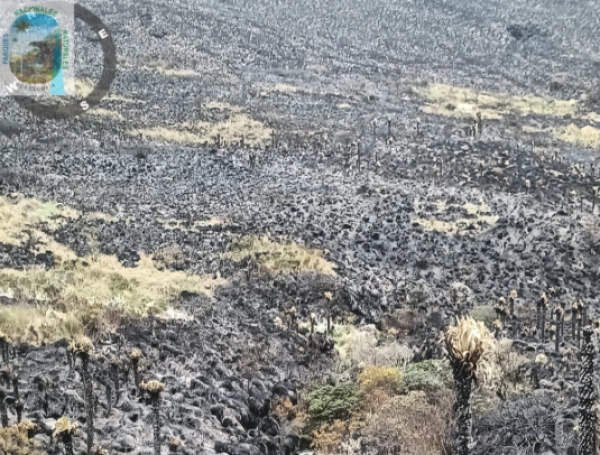
Preliminary assessments suggest that approximately 1,200 hectares have been affected by the fire, which originated on September 19 near the San Marcos hill in Villa de Leyva. While the fire began outside the boundaries of the protected area, it crossed into the sanctuary’s territory on September 20, propelled by dry conditions and shifting winds. Of the total affected surface, nearly 720 hectares are located within the protected sanctuary itself, primarily consisting of delicate herbazal (grassland) ecosystems.
The ecological stakes here are extraordinarily high. Iguaque is home to the frailejón tunjano, the venado soche (dwarf brocket deer), and the rare Lepanthes bachue orchid. These species are highly sensitive to thermal fluctuations and habitat loss. The destruction of this vegetation cover not only threatens local wildlife but also compromises the hydric regulation functions of the paramo, which provides water to surrounding municipalities.

Chronology of the Emergency
The escalation of these fires followed a rapid and aggressive trajectory:
- September 19: The emergency was first reported at the San Marcos hill, Villa de Leyva. Initial efforts focused on containment near local farms and rural infrastructure.
- September 20: Despite initial suppression efforts, the fire intensified, crossing the perimeter and entering the Santuario de Fauna y Flora Iguaque.
- September 21: Recognizing the magnitude of the threat, the response was escalated. A joint task force involving 12 fire departments, the Red Cross, and national authorities was established, mobilizing over 250 personnel.
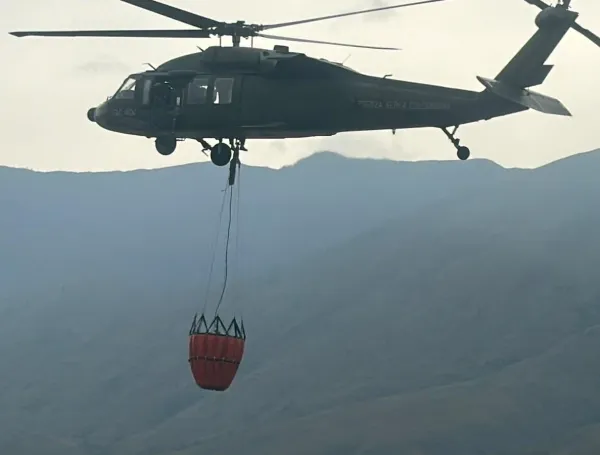
- September 22: Parques Nacionales reinforced the front line with 15 additional guardaparques (park rangers) drawn from the Tamá, Pisba, Chingaza, and Guanentá Alto Río Fonce parks. Aerial support from the Colombian Aerospace Force and the National Army began conducting bucket drops to suppress the most inaccessible hotspots.
Success and Struggle: The Regional Landscape
While the Iguaque blaze occupies the majority of the national attention, the regional landscape reveals a mixed outcome of success and ongoing struggle.
The Triumph at Los Nevados
In the department of Tolima, the Parque Nacional Natural Los Nevados faced a dangerous situation on September 19. A fire broke out in the El África sector, a high-mountain region located 4,200 meters above sea level. The terrain, characterized by treacherous cliffs and thin air, made traditional firefighting nearly impossible.
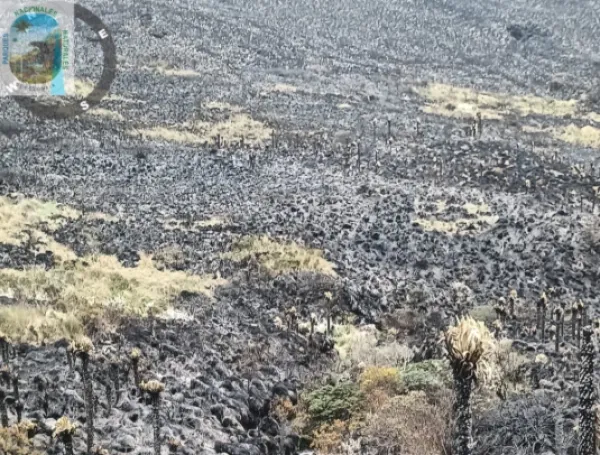
A dedicated team of three guardaparques undertook a grueling 12-hour journey—involving hours of trekking and horseback riding—to reach the summit. Their success in controlling and liquidating the fire stands as a testament to the commitment of Colombia’s conservation staff. However, the damage to the local paramo vegetation is currently under assessment, and experts warn that while the fire is out, the fragile ecosystem may take years to recover.
The Standoff at Las Hermosas
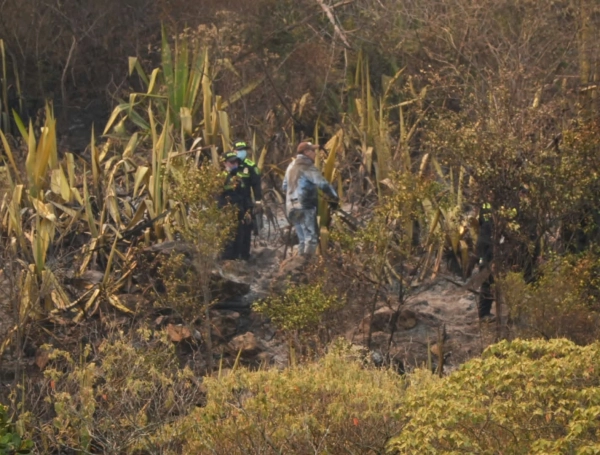
In the Valle del Cauca, the situation at the Parque Nacional Natural Las Hermosas remains active. Since September 20, the fire has continued to rage in the vicinity of the park, with the National Directorate of Firefighters reporting that the blaze remains roughly 70 percent active. Nine specialized units—including rangers from the Farallones de Cali and Las Hermosas parks—are working in tandem with municipal firefighters. Their primary mission is the containment of the perimeter to prevent the flames from breaching the park’s core, which serves as a critical biological corridor for the central Andes.
Supporting Data and Environmental Impact
The current wildfire wave is not an isolated event but part of a broader trend of climate-induced environmental stress in Colombia. According to meteorological data, the combination of low precipitation and fluctuating temperatures has left large swathes of the country in a state of high fire vulnerability.
The "Environmental Loss and Damage" evaluation, currently being spearheaded by Parques Nacionales and Corpoboyacá, is tasked with quantifying the true extent of the destruction. This process is essential for two reasons:
- Ecological Recovery: Understanding the loss of specific endemic plant species allows for targeted restoration efforts.
- Liability: The government is currently exploring legal avenues to hold those responsible for starting these fires accountable. Legislation regarding environmental crimes in Colombia has stiffened, and individuals found guilty of causing forest fires face significant prison sentences and heavy fines.
Official Responses and Strategic Coordination
The response to this crisis is a collaborative effort between the Ministry of Environment, the National Unit for Disaster Risk Management (UNGRD), and local territorial authorities.

Parques Nacionales has emphasized that their strategy is twofold: immediate suppression and long-term surveillance. By rotating staff from other protected areas, the agency ensures that the "frontline" has fresh, specialized personnel, preventing the burnout of rangers who have been working in high-altitude conditions for several days.
"Our priority is the protection of life and the integrity of our ecosystems," stated a representative from the agency. "We are utilizing every tool at our disposal, from traditional ground-based fire lines to the latest in aerial support technology, to ensure that these national treasures are not lost to negligence or climate volatility."
Implications for the Future
The events of September 2026 serve as a stark reminder of the vulnerability of Colombia’s protected areas. As the climate continues to shift, the window of risk for forest fires is expanding. Experts argue that the country must move toward a more proactive model of fire prevention, which includes:
- Improved Fire Breaks: Creating more robust fire-suppression infrastructure around the perimeters of high-risk national parks.
- Community Engagement: Involving local rural populations as "first responders" and educators in fire prevention. Many fires, while exacerbated by weather, are triggered by agricultural burning practices that escape control.
- Technological Monitoring: Utilizing satellite imagery and drone reconnaissance to detect smoke plumes earlier, allowing for a "surgical" response before a fire reaches a scale that necessitates massive mobilization.
As the smoke begins to clear in some areas, the task of reforestation and monitoring begins. The resilience of the paramo and Andean forest is legendary, but it is not infinite. The current mobilization of state resources highlights the gravity with which the Colombian government views the protection of its natural capital.
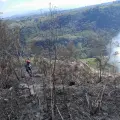
For now, the eyes of the nation remain on the smoke-filled skies of Boyacá. The battle for Iguaque is not just a fight against a fire; it is a fight for the future of the water, the wildlife, and the natural heritage that defines the Colombian landscape.
For ongoing updates regarding the wildfire situation in Colombia, readers are encouraged to consult the official bulletins from the Ministry of Environment and Parques Nacionales Naturales. The investigation into the origins of these fires remains ongoing, and updates will be provided as authorities conclude their forensic analysis of the impacted zones.