By Edwin Caicedo, Environmental and Health Correspondent
September 15, 2026
For those who have committed their lives to defending the water, the soil, and the rich biodiversity of Colombia, the daily struggle is defined by a harrowing existential question: How can one protect the territory without becoming a casualty in the process?
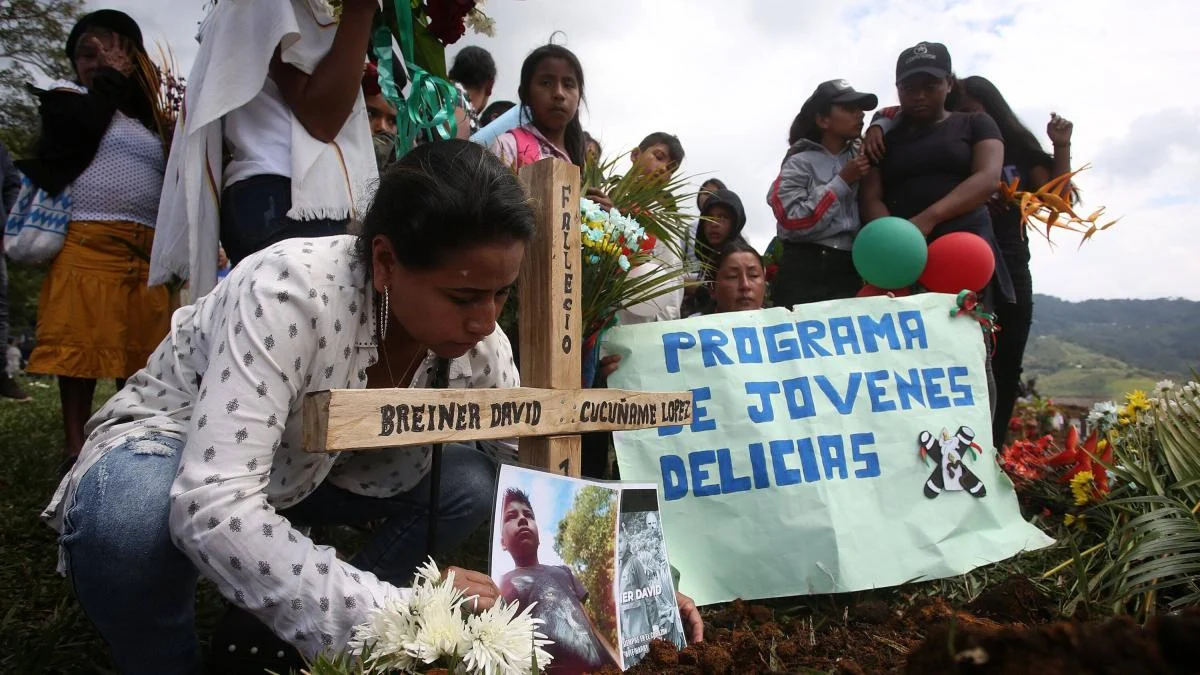
For the fourth consecutive year, Colombia has been identified as the most dangerous country in the world for land and environmental defenders. According to the latest report from the international watchdog Global Witness, released today, 39 individuals were murdered in Colombia during 2025 for their efforts to protect the environment. This grim statistic confirms that, despite national and international discourse on human rights, the risk to those standing on the front lines of ecological preservation remains at a critical, historic high.
The Global Context: A Regional Crisis
The data released by Global Witness paints a bleak picture of global environmental activism. In 2025 alone, at least 124 land and environmental defenders were killed worldwide. The report underscores a stark geographical concentration: 85 percent of these fatal attacks occurred in Latin America.

Since Global Witness began its rigorous documentation in 2012, the organization has recorded a staggering 2,375 murders and disappearances globally. The 2025 report highlights that over half of these killings were directly linked to territorial disputes, often involving land grabs by extractive industries, mining conglomerates, logging interests, and large-scale agribusiness. Furthermore, more than a third of these cases are directly attributed to organized crime groups or hired hitmen, suggesting that environmental defense has become a high-stakes confrontation against both legal corporate interests and illegal armed actors.
Chronology of a Persistent Threat
The trajectory of violence against environmental leaders in Colombia has not been a series of isolated events, but rather a persistent, escalating pattern.
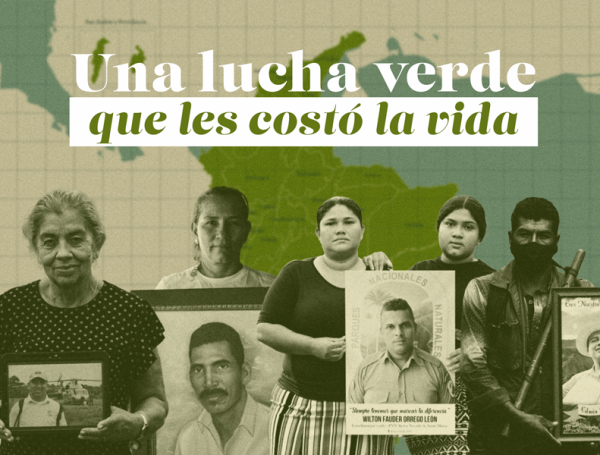
- 2022–2023: The rise in violence began to solidify as a national crisis, with post-conflict power vacuums in rural areas allowing illegal armed groups to exert control over natural resources.
- 2024: Despite the signing of various international agreements and promises of increased state presence, the death toll remained among the highest in the world, cementing Colombia’s status in the Global Witness rankings.
- 2025: A year defined by the continued targeting of indigenous communities, who accounted for nearly half of the 39 victims. The persistence of the violence through this period highlights the systemic failure of protection mechanisms.
- September 2026: The release of the current report serves as a somber reminder that the cycle of violence remains unbroken, with activists and human rights organizations demanding a complete overhaul of the state’s approach to rural security.
Voices from the Frontline: Living Under Siege
Behind the cold statistics lies a lived experience of terror, resilience, and an unwavering commitment to the land.
"The State Arrives After the Murder, or Never at All"
Amarilys Llanos, a prominent member of the Alianza Colombia Libre de Fracking (Colombia Free of Fracking Alliance), articulates the central frustration of the movement. "A defender in Colombia doesn’t just think about how to save the water or the soil; they spend every day calculating how to do it without dying," she says.
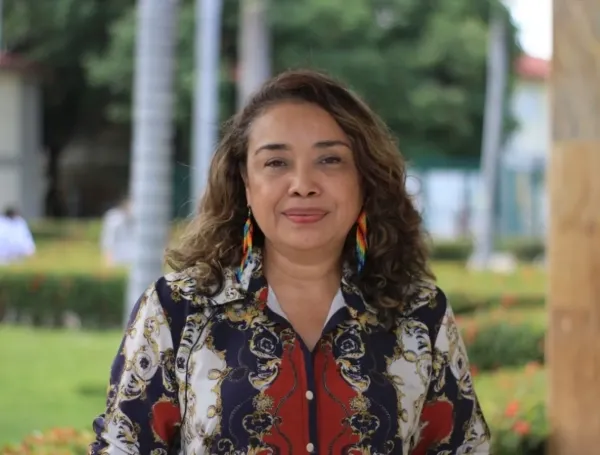
Llanos is critical of the National Protection Unit (UNP), the state agency tasked with safeguarding vulnerable leaders. She argues that the state’s current response is purely reactive—arriving only when a threat has already materialized into a tragedy. "In this country, there are countless cases where the ‘protection’ arrives after the murder, or it never arrives at all," she asserts. For many, the only options are to flee, relocate, or go into hiding, effectively ceding the territory to those who wish to exploit it.
The Discipline of Conviction
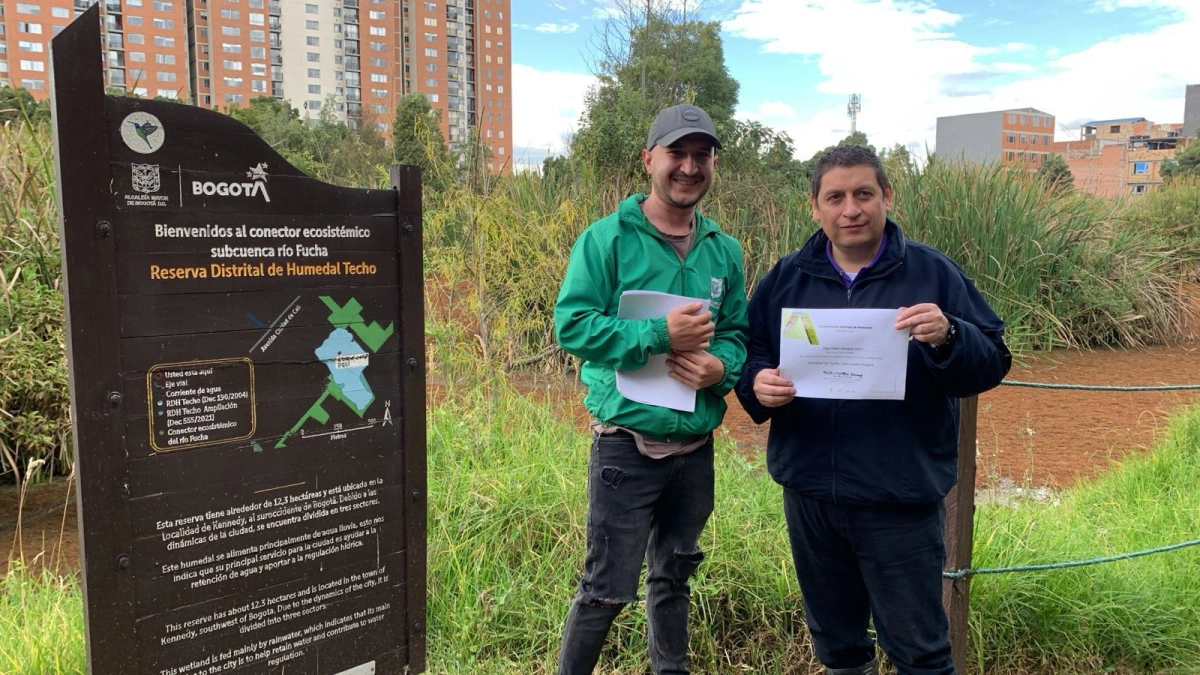
In the municipality of Jericó, Fernando Jaramillo, an environmental leader facing the pressures of local mining conflicts, views the situation through the lens of duty. He believes that the state has failed to integrate environmental defenders into the broader governance of the country.
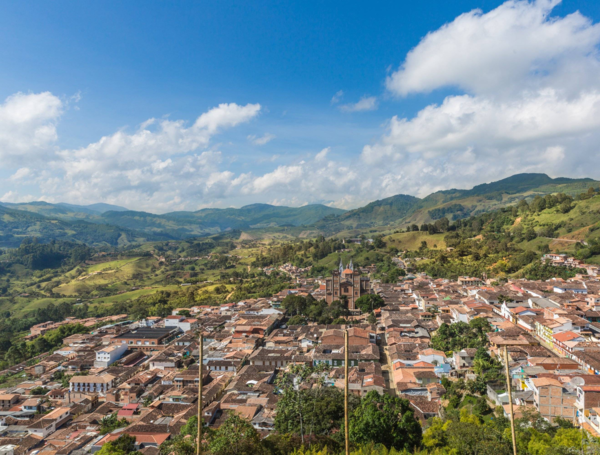
"Being an environmental leader in Colombia… requires a deep inner peace," Jaramillo explains. He emphasizes that while the danger is a daily, "real" reality, the commitment to protecting the nation’s future provides a sense of clarity. His plea to the government is for the full implementation of the Escazú Agreement, a regional treaty that provides legal tools for environmental protection, access to information, and justice. "When you defend the environment, you are defending the nation," he insists.
A Generational Burden
For younger activists, such as Juan David Amaya, director of Life of Pachamama, the fight is colored by the fear of being at the very start of a life that is constantly under threat. "It feels like loving something while keeping your body tense at all times," he says.
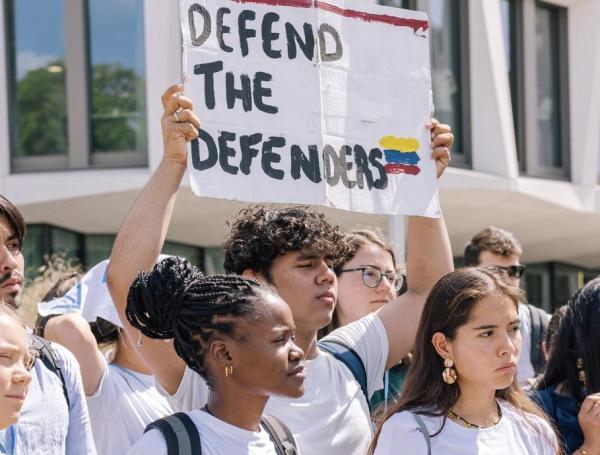
Amaya describes the mundane, terrifying rituals of his life: checking the rearview mirror for trackers, keeping quiet about threats to avoid alarming his family, and walking the streets wondering if it will be his last time. Yet, he maintains that his generation—which inherited a climate crisis they did not create—is driven by a force stronger than fear: hope. "It is not that we aren’t afraid; it’s that there is something bigger than the fear, and that is our hope for a future," he states.
The Structural Roots of the Violence
The violence in Colombia cannot be analyzed in a vacuum. It is a confluence of multiple factors:
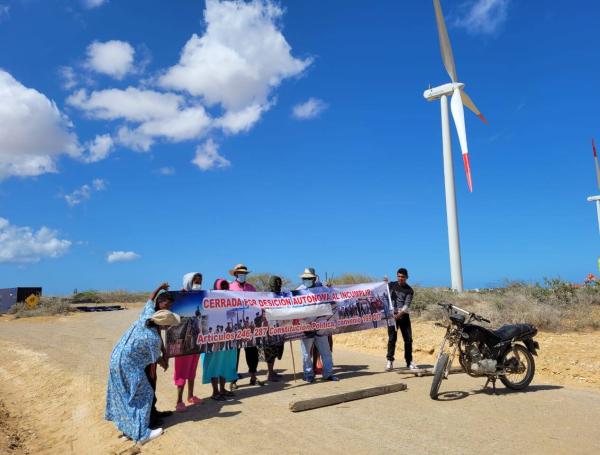
- Economic Interests: The collision between multinational extractive projects and ancestral land rights.
- Illegal Economies: The presence of drug trafficking networks and illegal mining operations that view environmental activists as obstacles to their illicit revenue streams.
- Institutional Absence: In many regions, the state is physically absent, leaving a power vacuum filled by armed groups that exert authoritarian control over rural populations.
- Impunity: The lack of effective investigations into the murders of leaders emboldens perpetrators, as there is little fear of judicial consequence.
Implications and the Demand for Change
The report serves as a damning indictment of the current protective infrastructure. While the government has often pointed to the creation of new protocols, the victims and their families argue that these measures are disconnected from the reality of rural Colombia.
The experts and leaders interviewed for this report agree on several urgent requirements:
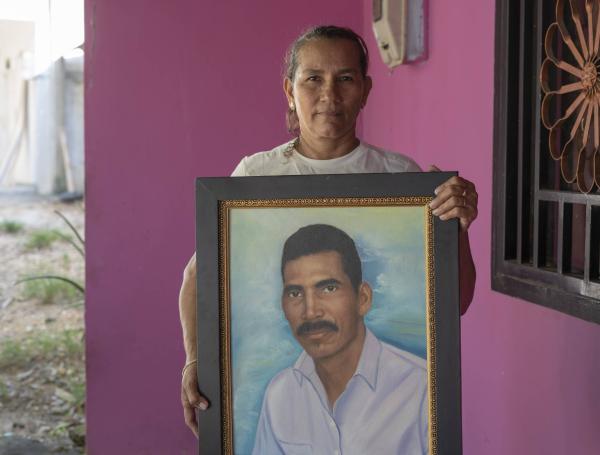
- Preventative Protection: Security must be community-based and proactive, rather than focused solely on providing bodyguards to high-profile individuals after they have been marked for death.
- Judicial Results: The justice system must prioritize the investigation and prosecution of those who order and execute the murders of defenders to break the cycle of impunity.
- Recognition of Collective Rights: Protection must be extended to entire communities, indigenous groups, and families, rather than treating leadership as an individual, isolated act.
- Political Will: As Amaya notes, the problem is not a lack of diagnostic data. The reports are clear; what is lacking is the political courage to prioritize human life over the short-term gains of extractive industries.
A Call to Action
As the sun sets on another year of mourning for Colombia’s environmental movement, the call from the territories is louder than ever. The activists do not ask for pity; they ask for the right to exist.
"We shouldn’t have to be brave to defend life," says Amarilys Llanos. "It should be safe to do so."

Until the state moves beyond rhetoric and addresses the structural links between economic exploitation, organized crime, and the lack of governance, the defenders of Colombia’s natural heritage will continue to face the impossible choice: to guard the earth and risk their lives, or to step aside and watch their home be destroyed. For now, they continue to choose the former, hoping that the world is watching, and that the "next number" on the list of casualties is never reached.