By Editorial Desk | July 4, 2026
In the theater of the FIFA World Cup, narratives are often dominated by the gilded superstars—the Mbappés, the Bellinghams, and the Messis. Yet, the 2026 edition of the global showpiece will forever be etched in history for a different kind of protagonist: a 40-year-old goalkeeper from the archipelago of Cabo Verde who, with little more than raw courage and a nickname born of childhood vulnerability, brought giants to their knees.
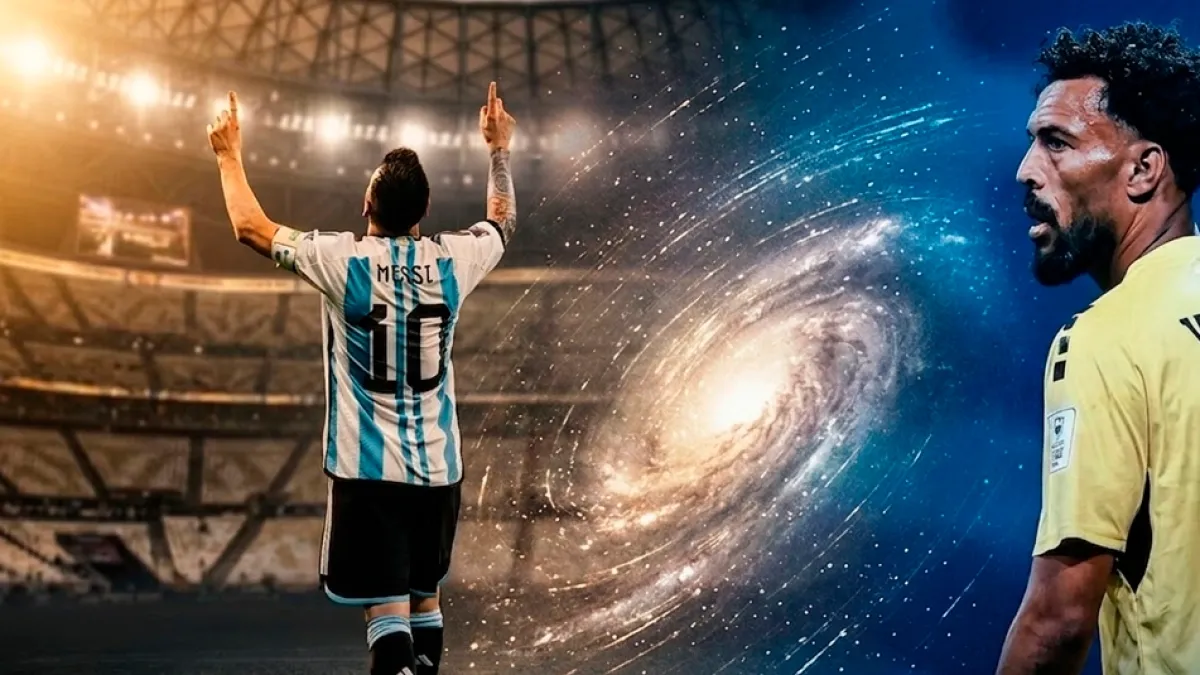
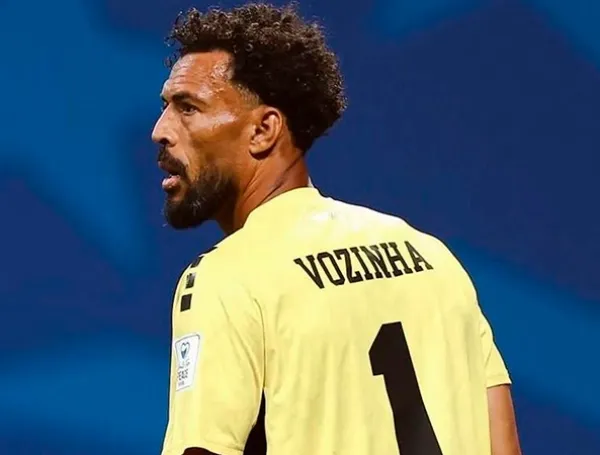
Josimar José Évora Dias, known to the world simply as "Vozinha," has emerged as the most endearing figure of this tournament. Behind his seasoned gloves lies a story of perseverance that transcends the sport, moving from the dusty streets of Mindelo to the high-stakes pressure of an elimination match against the reigning champions, Argentina.
The Genesis of an Icon: From Electrician to Global Stage
Before the cameras were fixed on him in the Round of 16, Vozinha’s life was defined by the humble realities of a professional path less traveled. Born and raised in the city of Mindelo on the island of São Vicente, his early years were marked by a lack of traditional stability. With his father serving in the military and his mother working tirelessly to provide, the young Josimar found solace and protection under the watchful eyes of his grandparents.

It was during these formative years that the nickname "Vozinha"—the Portuguese diminutive for "granny" or "little grandmother"—was coined. It was not a title of honor, but a taunt. When the boy played soccer in the neighborhood and found himself outmatched or bullied by older children, he would instinctively run to his grandparents for safety. The neighborhood children, sensing his vulnerability, mocked him with the label.
"At first, I hated it. It drove me crazy," the goalkeeper later admitted to FIFA. Yet, as fate would have it, the name stuck. Years later, when playing for the Angolan club Progresso, he found himself sharing a roster with another player named Josimar. Rather than settling for a "Josimar II" designation, he embraced the childhood moniker, transforming a symbol of perceived weakness into a banner of resilience.
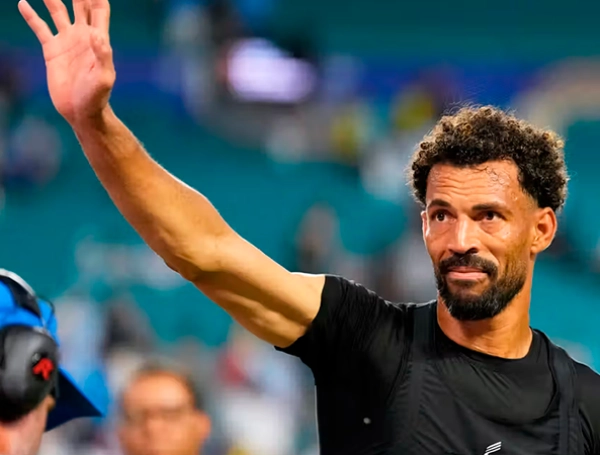
Before finding his footing in the professional ranks at the age of 25, Vozinha worked as an electrician, a trade he learned from his father. This blue-collar background served as the foundation for his stoic approach to goalkeeping. His journey through the modest leagues of Angola, Moldova, Cyprus, and the second tier of Portugal was a slow burn, culminating in a 2026 tournament appearance where, according to Transfermarkt, he arrived with a market value of just 50,000 euros and no club affiliation.
Chronology of a Cinderella Run: A Tournament Defined by Defiance
The 2026 World Cup served as the ultimate stage for the underdog. Cabo Verde’s journey was not expected to extend past the group stages, yet the team’s defensive organization, spearheaded by their veteran keeper, defied all projections.

The Opening Statements
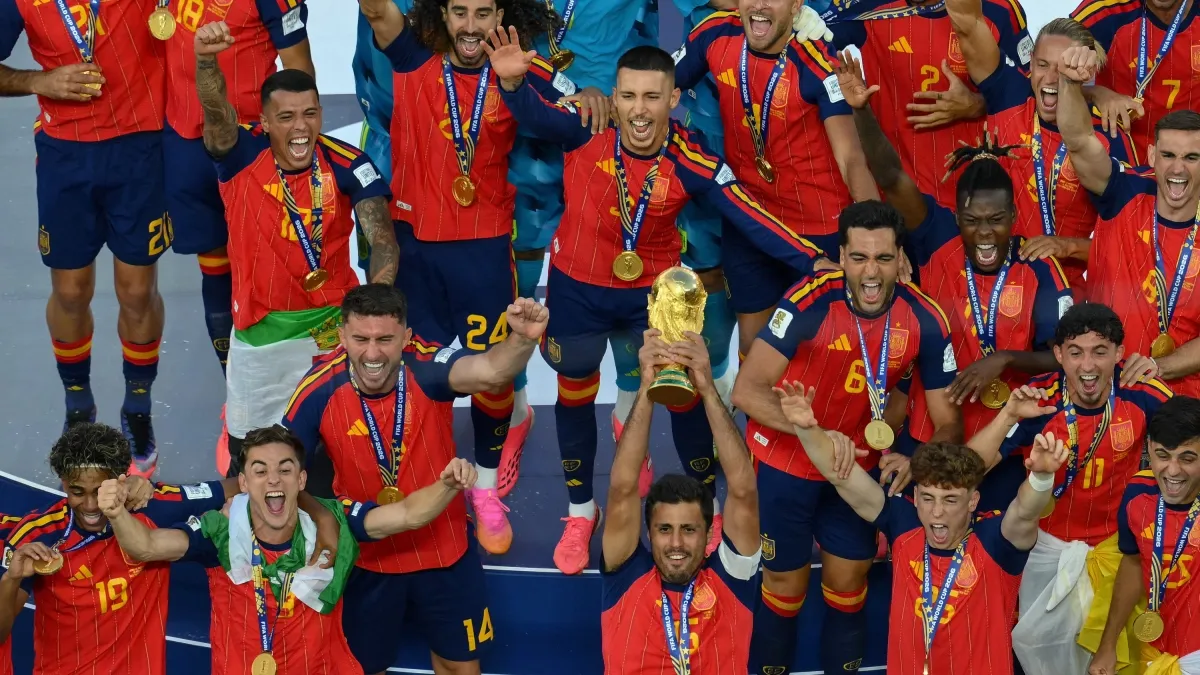
The tournament began with a baptism of fire. Facing footballing powerhouses like Spain and Uruguay, few gave Cabo Verde a chance. However, it was in the match against Spain that the world truly took notice. Vozinha was a wall, executing seven crucial saves against a frontline featuring the likes of Ferran Torres and Lamine Yamal. His performance earned him the Player of the Match (MVP) award and catapulted him into the global spotlight.
Following the final whistle, the veteran was seen overcome with emotion. In a poignant moment captured by broadcast cameras, he wept on the pitch, later revealing that he was thinking of his grandparents—the very people who inspired his nickname, and who were not alive to witness his finest hour.
The Argentine Encounter: A Dream Realized
The climax of his journey occurred during the Round of 16 against Argentina. Having openly stated in interviews with TNT Sports that Lionel Messi was the greatest player of all time and that he longed for the opportunity to face him, the universe aligned.
The match was a tactical masterclass in resistance. Argentina, forced to "exhale" every ounce of their talent, struggled to break down the Cabo Verdean defensive block. Though the match ultimately ended in a 3-2 victory for Argentina after extra time, the result felt like a moral victory for the island nation. Vozinha’s performance was clinical; he commanded his area with the authority of a veteran who had nothing to lose and everything to gain.

Supporting Data: The Statistics of Resilience
While his story is sentimental, the data backs his status as a standout performer. His transition from a free agent with a 50,000-euro valuation to a hero of the Round of 16 is one of the most drastic value shifts in recent memory.
- Market Value Pre-Tournament: €50,000.
- Club Status: Unattached (Free Agent).
- Tournament Impact: 7 saves in the match against Spain; crucial shot-stopping in the loss to Argentina.
- Social Media Surge: Following his stellar performance against Spain, his social media following ballooned from 50,000 to 1.5 million in less than 120 minutes.
These figures illustrate a reality that modern scouting often misses: the psychological fortitude of a player who has spent a decade in the shadows of the European elite.
Official Responses and Public Sentiment
The admiration for Vozinha has crossed borders. Even the President of Cabo Verde commented on the team’s historic run, stating, "If Cabo Verde beats Argentina, we can officially consider ourselves world champions." The sentiment reflects the national pride that the team—and their keeper—instilled in a country that had never before seen such heights on the global stage.
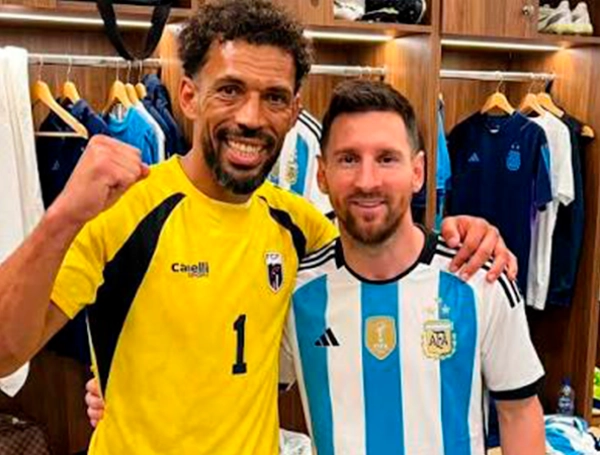
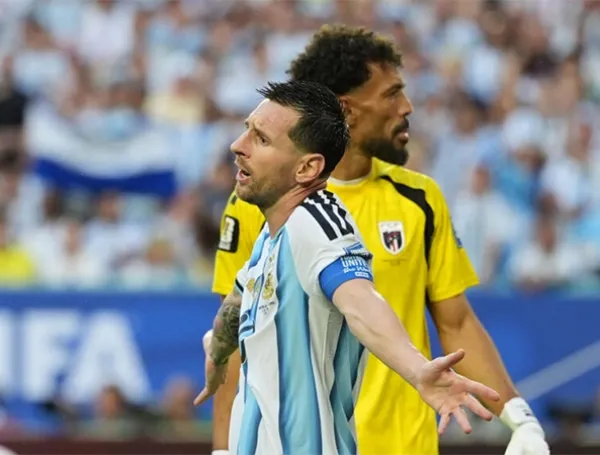
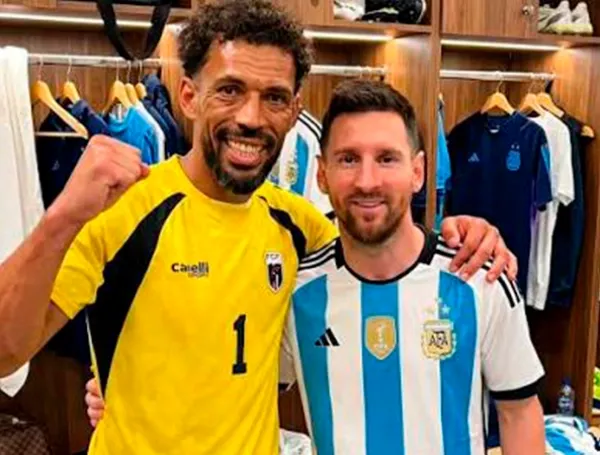
Lionel Messi himself, in a gesture of mutual respect, was seen exchanging jerseys with the goalkeeper after the match. The images of the two standing together in the tunnel—the undisputed king of modern football and the 40-year-old electrician turned national hero—became the definitive photograph of the tournament.
Implications: The Legacy of the "Abuelita"
The rise of Vozinha serves as a vital reminder of the human element in professional football. In an era where the sport is often reduced to transfer fees, tactical algorithms, and commercial branding, his story reinforces the romantic ideal of the beautiful game.
- Scouting Paradigms: The success of veteran, unattached players like Vozinha suggests that tactical maturity and mental resilience are undervalued metrics in modern scouting.
- Inspiration for Minor Footballing Nations: The performance of Cabo Verde proves that structural disadvantages can be mitigated by collective identity and a "fearless" goalkeeper.
- The Humanizing Effect of the Game: By embracing his nickname—a relic of his childhood vulnerability—Vozinha allowed fans to see him not as a cold professional, but as a man shaped by his past. His vulnerability became his greatest asset.
As the 2026 World Cup moves into its final stages, the absence of Cabo Verde is felt, but the presence of Vozinha’s story remains. He leaves the tournament not just as a goalkeeper, but as a symbol. He proved that at 40, one does not have to be a superstar to touch the hearts of millions; one only needs to hold their ground when the world is watching, and perhaps, remember the people who helped them get there.

Vozinha’s journey is a testament to the fact that while the name on the back of the jersey may define a player’s reputation, the story behind the nickname defines the man. From the streets of Mindelo to the global stage, he has shown that it is never too late to write one’s own legend.
For more coverage on the 2026 World Cup, subscribe to our newsletter and follow our live updates on all social media platforms.