By Edwin Caicedo Environmental and Health Journalist September 16, 2026
Main Facts
The relentless threat of climate variability, driven by recurring climatic anomalies such as the El Niño phenomenon, has placed Colombia’s energy matrix under intense scrutiny. With a heavy historical reliance on hydroelectric power, the nation faces severe vulnerabilities whenever prolonged droughts diminish water reserves and exert critical pressure on hydrologic resources.
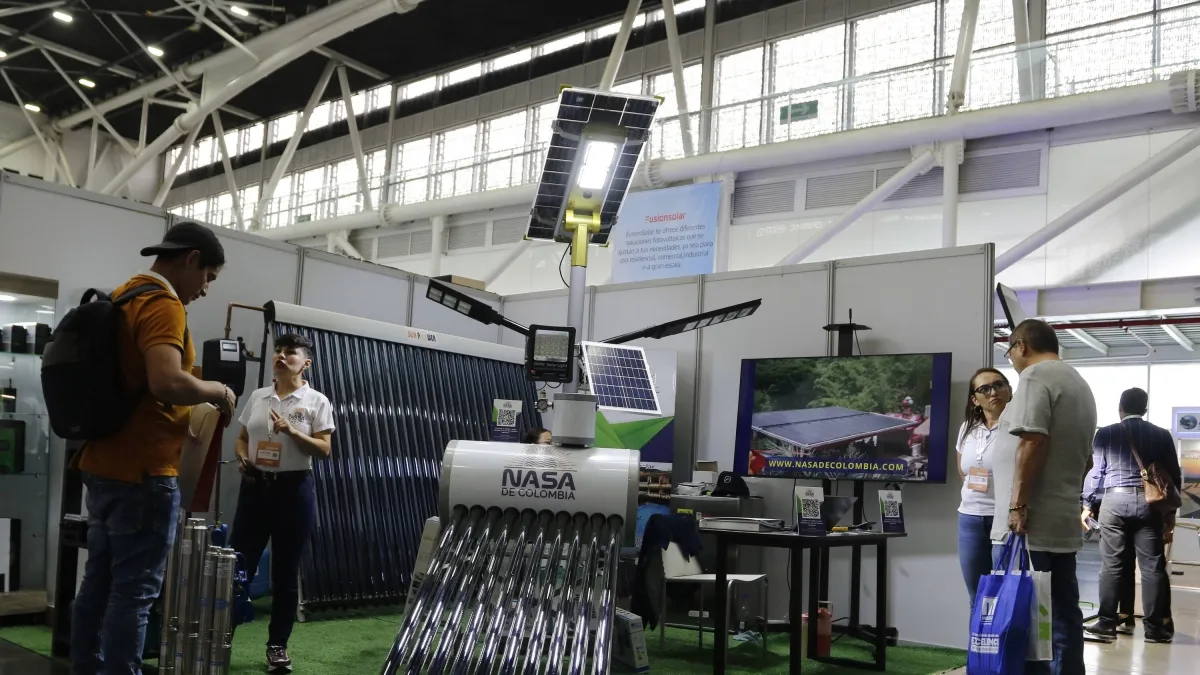
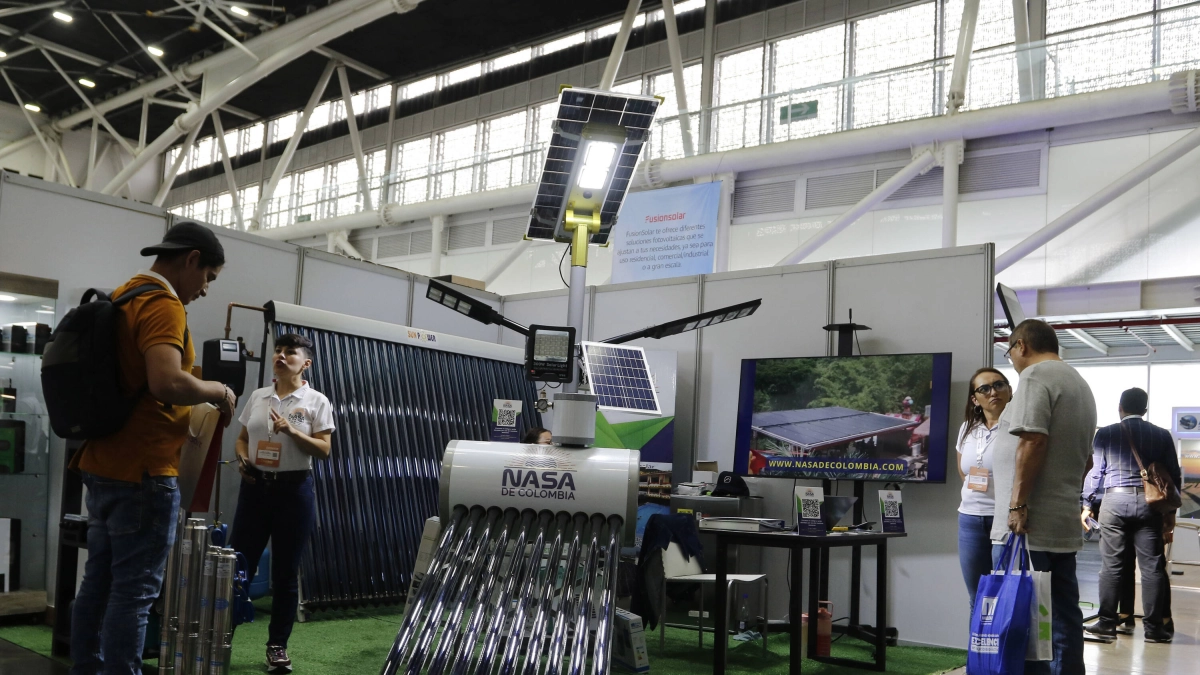
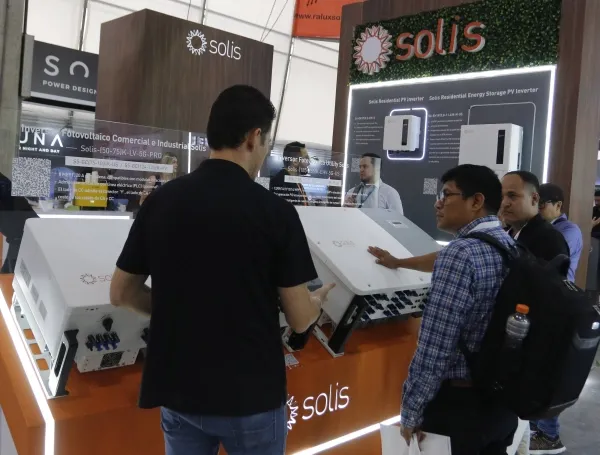
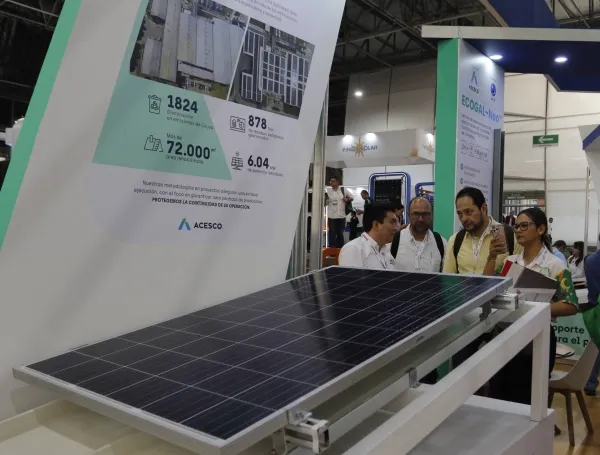
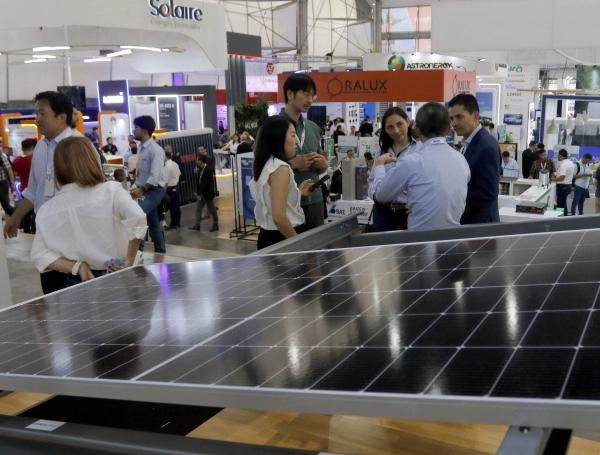
To address these vulnerabilities and fortify the national energy infrastructure, the renewable energy sector is gearing up for a monumental milestone: the tenth edition of ExpoSolar Colombia. Scheduled to take place from October 28 to 30, 2026, at Corferias in Bogotá, this flagship event will serve as the premier epicentre for discussing, analyzing, and deploying cutting-edge solutions in power generation, advanced energy storage, and optimal energy efficiency.
Moving far beyond simple panel installations, ExpoSolar 2026 will assemble a diverse ecosystem of manufacturers, international distributors, integrators, private enterprise leaders, public sector entities, and academic pioneers. Together, they will evaluate the pressing challenges currently confronting the Latin American energy landscape and showcase pragmatic, scalable technologies applicable to residential homes, commercial enterprises, and heavy industries alike.
Chronology: A Decade of Scaling New Heights
The trajectory of ExpoSolar Colombia mirrors the meteoric rise of the clean energy sector across Latin America and the Caribbean. Tracing its roots back to its inaugural event, the fair has evolved from a nascent trade showcase into a globally respected, highly professionalized convention that heavily influences regional energy policies.
2017 (The Genesis): ExpoSolar held its very first edition, laying the groundwork for solar technology adoption in the region. Despite being a relatively novel concept for the general public at the time, the event managed to attract 9,000 visitors and gathered 130 commercial brands, signaling an untapped appetite for sustainable alternatives.
2018–2024 (Rapid Expansion): Throughout these years, as government incentives shifted and corporate sustainability goals matured, the fair experienced exponential growth. Exhibitors expanded their portfolios beyond thermal and photovoltaic solar energy to incorporate LED lighting, green hydrogen, and sustainable urban mobility.
2025 (The Turning Point): Demonstrating the sheer momentum of the green transition, the fair surged past previous benchmarks, welcoming more than 19,000 attendees and hosting over 400 participating brands. Crucially, the event’s dedicated business matchmaking platform facilitated more than 5,000 active business appointments, translating environmental consciousness into high-value commercial transactions.
2026 (The Decennial Milestone): Marking its tenth anniversary, ExpoSolar shifts its strategic focus. Moving away from a purely volumetric approach of "more panels," the 2026 edition zeroes in on sophisticated technological integration—specifically prioritizing electricity storage, grid digitalization, and industrial energy efficiency to safeguard Colombia’s power supply against recurring climate shocks.
Supporting Data and Market Dynamics
The urgency of ExpoSolar 2026 is underscored by structural realities within Colombia’s power grid. While the country boasts a relatively clean matrix due to its vast network of hydroelectric dams, this very strength is its Achilles’ heel. During intense El Niño cycles, plummeting reservoir levels force the activation of costly, fossil-fuel-backed thermal backup plants, driving up electricity tariffs and increasing carbon emissions.
Industry metrics highlight why the conversation at Corferias must expand into new technological vectors:
Hydrological Dependence: Historically, over 65% to 70% of Colombia’s electricity is generated via large-scale hydroelectric plants, leaving the nation acutely vulnerable to meteorological shifts.
The Storage Imperative: Non-Conventional Renewable Energy Sources (NCRES)—predominantly solar and wind—have experienced double-digit growth rates annually. However, their intermittent nature creates supply-demand mismatches that can only be mitigated through utility-scale and commercial-grade battery energy storage systems (BESS).
Diversification Metrics: Current national planning initiatives project that integrating distributed solar generation alongside localized storage can reduce peak-hour strain on transmission lines by up to 25% in urban industrial zones.
Exhibition Scale (2026 Projections): Building on the 19,000+ visitors of previous iterations, the tenth anniversary aims to break records in international delegations, hosting delegations from across the Americas, Europe, and Asia to foster cross-border technological transfer.
Official Responses and Strategic Vision
Leadership figures behind ExpoSolar 2026 emphasize that the energy transition has reached a critical inflection point where sheer capacity expansion must be matched by structural intelligence and resilience.
Lilián Conde, Project Manager at Corferias, points out that the modern consumer—whether a suburban household or a heavy manufacturing plant—demands a holistic approach to energy security:
"Colombia and the wider region possess an enormous, undeniable potential to advance in renewable energies. However, the principal challenge is no longer solely about installing more solar capacity. We must aggressively talk about energy storage, systemic efficiency, robust infrastructure, and continuous innovation, ensuring these technological solutions directly answer the real, everyday needs of households, businesses, and heavy industries."
Echoing this sentiment, Carlos Yepes, Director of ExpoSolar Colombia, reflects on the maturation of the sector over the past ten years and the heavy responsibility the industry now carries in shaping public policy and corporate strategy:
"Reaching our tenth anniversary allows us to look back and evaluate how an industry that was once just fighting to open a path has professionalized itself. Today, it commands a deeply relevant seat at the table regarding energy decision-making in the region. Our collective challenge now is to steer that exponential growth toward tangible, resilient solutions that successfully solve the pressing demands of the present."
Implications for Colombia’s Future
The discussions, alliances, and technological unveilings slated for ExpoSolar 2026 carry profound implications for Colombia’s socio-economic and environmental landscape:
1. Grid Resilience and Climate-Proofing
By championing decentralized photovoltaic systems coupled with advanced battery storage, Colombia can effectively buffer itself against the cyclical shocks of El Niño. Industrial parks and commercial hubs equipped with autonomous storage capabilities will no longer face catastrophic production halts or exorbitant spot-market energy prices during water shortages.
2. Broadening the Technological Spectrum
While solar photovoltaic generation remains a cornerstone, the 2026 agenda deliberately broadens the scope to include multidisciplinary innovations:
Agrovoltaics: Harmonizing agricultural crop production with elevated solar panel arrays, maximizing land use efficiency while protecting sensitive crops from scorching UV radiation.
Building-Integrated Photovoltaics (BIPV): Transforming architectural facades and windows into active power-generation membranes.
Electric Mobility and Smart Lighting: Integrating urban fleets and intelligent LED grids into localized microgrids, creating synergistic ecosystems where electric vehicles can both draw power and feed energy back into buildings (V2G technology).
3. Economic Competitiveness and Job Creation
As the market shifts toward specialized niches like energy management software, microgrid engineering, and battery recycling, the demand for highly skilled local labor increases. The business matchmaking sessions at Corferias are projected to generate millions of dollars in cross-border investments, cementing Colombia’s status as the renewable energy hub of Andean South America.
As ExpoSolar Colombia opens its doors this October, it does so not merely as a trade show, but as a strategic defense mechanism for the nation’s energy sovereignty—proving that through innovation, storage, and efficiency, Colombia can weather any climate storm.
By Angie Rodríguez | July 22, 2026 The city of Cali, Colombia, is preparing to cement its position as the epicenter of Afro-descendant culture and political discourse in the Americas. As the iconic Petronio Álvarez…
By: Angie Rodríguez | Medellín, Colombia As the global fashion industry converges on Medellín for the 37th edition of Colombiamoda—the premier textile and fashion showcase in Latin America—the air is thick with anticipation. Under the…
The landscape of men’s fashion is undergoing a tectonic shift. Recent runways in Paris have signaled more than just seasonal trends; they have unveiled a fundamental transformation in how society perceives, designs, and consumes masculine…