
Main Facts
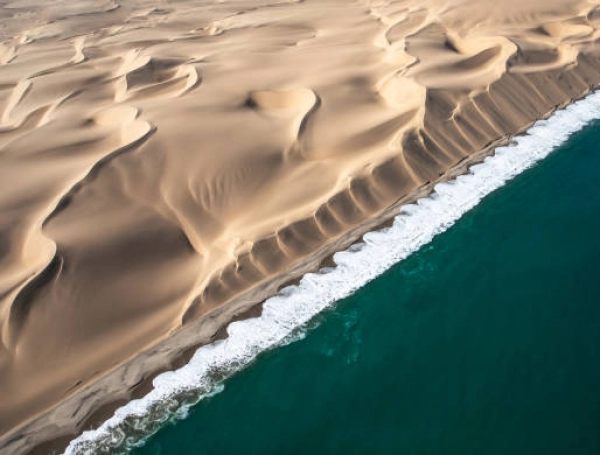
In one of the most daring agricultural experiments of the 21st century, the Kingdom of Morocco is spearheading a transformative initiative to conquer the arid expanse of the Dakhla desert. For years, the government and agricultural stakeholders have sought viable, long-term solutions to convert thousands of hectares of barren, sun-scorched terrain into fertile, productive farmland. Historically, producing food in this hyper-arid corner of North Africa was considered an impossible feat due to chronic water scarcity, dwindling subterranean aquifers, and punishing climatic conditions.
Today, that paradigm is shifting dramatically. The cornerstone of this monumental project relies on a resource previously deemed unusable for inland agriculture: the vast expanse of the Atlantic Ocean. By extracting seawater directly from the coast, desalinating it through state-of-the-art facilities, and powering the entire infrastructure with renewable energy from a nearby wind farm, Moroccan authorities are turning an environmental bottleneck into an economic engine.
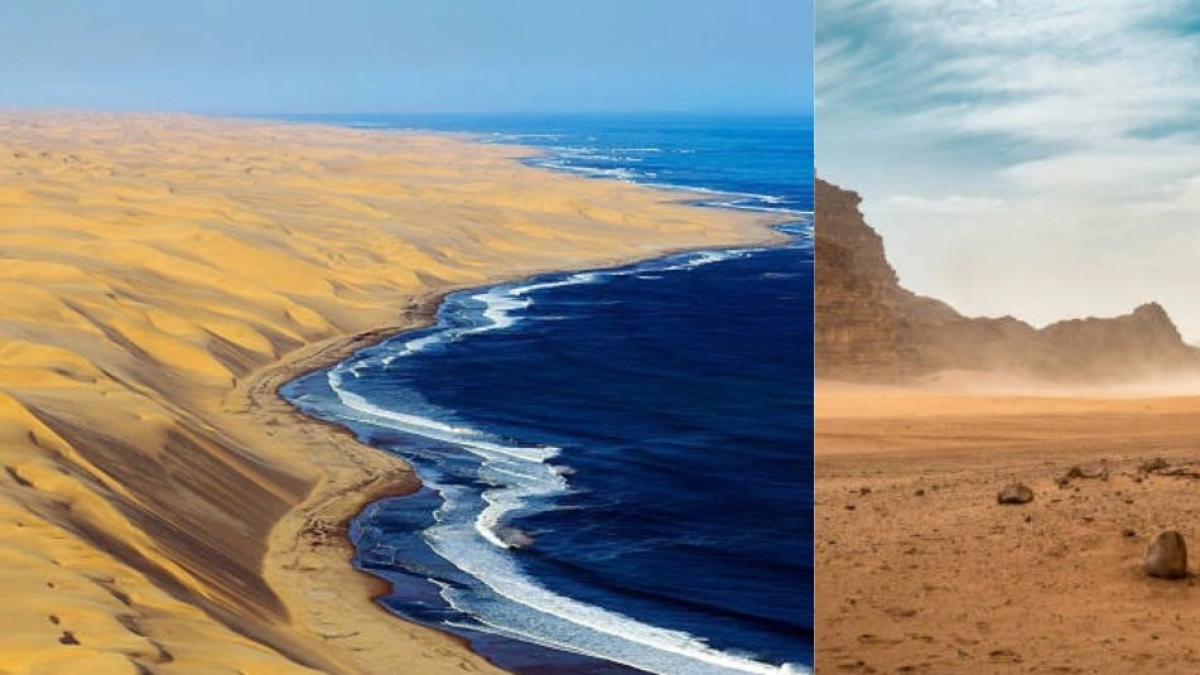
The initiative centers on Bir Anzarane, located within the Dakhla-Oued Ed-Dahab region. The comprehensive master plan targets an astonishing total of approximately 5,196.56 hectares of land earmarked for agricultural development. To bring this vision to life, the Agricultural Development Agency (ADA) of Morocco has systematically rolled out targeted calls for projects, allocating substantial plots to private and commercial producers eager to pioneer farming in the desert.
Far from being a localized garden experiment, the endeavor operates on an industrial scale. The facilities are projected to utilize roughly 100,000 cubic meters of water per day, culminating in an annual production capacity of approximately 37 billion liters of desalinated water. Of this total output, an overwhelming 30 billion liters will be strictly dedicated to agricultural irrigation, while the remaining 7 billion liters will be channeled directly into the municipal supply to provide vital drinking water for the growing population of Dakhla.

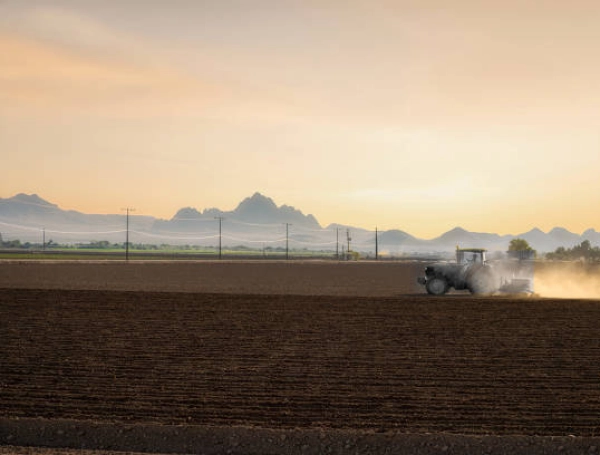
The crops selected for this pioneering venture are primarily commercial staples well-suited for regional and international markets, notably round tomatoes and onions. However, the operational framework remains flexible enough to accommodate the cultivation of other agricultural and organic commodities, building upon prior regional successes with high-value crops such as melons and blueberries. By breaking free from the finite limits of underground water reserves, Morocco is laying the groundwork for a secure, scalable, and climate-resilient agricultural future.
Chronology
To fully understand the magnitude of Morocco’s desert agriculture strategy, it is essential to trace the deliberate steps, policy shifts, and infrastructural milestones that have shaped the Dakhla project over the years.

The Foundation Phase and Conceptualization (Pre-2020)
For decades, agricultural development in southern Morocco was severely constrained by geography. Local farmers relied almost exclusively on underground aquifers to irrigate small-scale plots. Over time, however, hydrologists and regional planners issued persistent warnings that over-extraction was rapidly depleting these subterranean water tables, threatening ecological balance and economic stability. Recognizing that traditional irrigation was unsustainable, the Moroccan government—through the Ministry of Agriculture and the Agricultural Development Agency (ADA)—began exploring unconventional alternatives. The conceptual leap from inland freshwater dependence to coastal desalination marked the true turning point for Dakhla’s development.
Integration of Renewable Energy and Pilot Testing (2020–2023)
A critical hurdle for large-scale desalination is its immense energy consumption. Desalinating seawater traditionally relies on fossil fuels, which introduces high operational costs and a heavy carbon footprint—a contradiction for a project aimed at sustainable food security. To circumvent this, planners integrated a dedicated wind farm into the blueprint. By pairing the desalination plant with wind-generated electricity, the project achieved a vital synergy, ensuring that the heavy machinery required to pump and treat Atlantic water would run on clean, abundant coastal wind power. During this period, pilot programs demonstrated that non-traditional crops, such as melons and blueberries, could indeed thrive in the Dakhla microclimate if provided with consistent, high-quality irrigation.
The Launch of Tenders and Bir Anzarane Expansion (Summer 2025 – 2026)
The transition from conceptual planning to large-scale execution accelerated significantly. During the summer, the Agricultural Development Agency officially launched a series of high-profile public calls for projects. These tenders were designed to award approximately 35 distinct agricultural production projects spanning roughly 1,090 hectares in the strategic zone of Bir Anzarane. This milestone signaled that the infrastructure was sufficiently advanced to invite private sector participation. Investors and agricultural conglomerates were invited to submit proposals, marking the formal rollout of the broader 5,200-hectare master plan.
Current Status and Future Outlook (Late 2026 and Beyond)
As of late 2026, the project has transitioned into an active development phase. Infrastructure construction, including intake pipelines from the Atlantic, the central desalination complex, and the wind energy distribution network, continues to scale up. Concurrently, initial plots in Bir Anzarane are being prepared for commercial planting, focusing initially on resilient crops like round tomatoes and onions. As the first wave of production takes root, planners are already evaluating the long-term potential to expand arable acreage further, positioning Dakhla as an international model for coastal desert agriculture.

Supporting Data
The feasibility and economic viability of the Dakhla agricultural project rest upon hard metrics, engineering capacities, and strategic resource allocation. Below is a detailed breakdown of the quantitative data driving the initiative:
- Total Target Acreage: Approximately 5,196.56 hectares of land in the Dakhla-Oued Ed-Dahab region designated for conversion from arid desert to productive agricultural fields.
- Initial Tender Allocation: Roughly 1,090 hectares distributed across 35 distinct production projects centered in the Bir Anzarane area, as outlined by the Agricultural Development Agency.
- Daily Water Consumption: An estimated 100,000 cubic meters of water utilized daily to sustain the agricultural and municipal framework.
- Annual Water Production: A projected total output of 37 billion liters of desalinated water per year.
- Resource Distribution:
- Agricultural Irrigation: 30 billion liters annually dedicated entirely to crop production.
- Municipal Potable Water: 7 billion liters annually allocated to supply drinking water to the urban population of Dakhla.
- Primary Crop Selections: Initial large-scale cultivation focuses heavily on round tomatoes and onions, with secondary provisions for organic produce, melons, and blueberries.
- Power Source: 100% clean energy integration powered by a dedicated regional wind farm, mitigating both carbon emissions and operational energy costs.
Official Responses and Stakeholder Perspectives
The monumental scale and pioneering nature of the Dakhla desert cultivation project have elicited significant commentary from government agencies, agricultural experts, and environmental analysts.
The Agricultural Development Agency (ADA)
The ADA has consistently championed the initiative as a masterclass in modern, adaptive resource management. According to official statements from the agency, the overarching goal has never been merely to farm the desert, but to do so in a way that respects the ecological limits of the region. Agency representatives have emphasized that relying exclusively on groundwater was a ticking clock for local agriculture. By pivoting to the Atlantic Ocean, the ADA believes it has unlocked an inexhaustible resource. Furthermore, government officials have underscored that the inclusion of municipal drinking water in the project’s output demonstrates a holistic approach to regional development—ensuring that economic growth directly benefits local communities and residential infrastructure.
Private Investors and Commercial Producers
The private sector response to the ADA’s public tenders has been overwhelmingly positive. Commercial agricultural firms, drawn by the prospect of tapping into emerging export markets and utilizing state-of-the-art infrastructure, view Bir Anzarane as a lucrative frontier. Industry leaders have noted that the integration of wind energy significantly de-risks the operational overhead of the farms, protecting producers from the volatile pricing of traditional fossil fuels. For commercial growers accustomed to fighting droughts in more traditional agricultural zones, the controlled, predictable output of a seawater desalination plant offers a highly attractive, climate-proof investment.

Environmental and Scientific Observers
The scientific community has observed the Dakhla project with a mixture of cautious optimism and intense academic interest. Environmental analysts acknowledge that combining renewable energy with desalination is the holy grail of arid-zone engineering. However, independent researchers have also highlighted the need for rigorous monitoring of brine management—the highly saline byproduct of the desalination process—to ensure it is safely dispersed back into the Atlantic without harming fragile marine ecosystems. Overall, ecologists view the project as a vital case study in how nations can adapt to intensifying global climate change and desertification through technological innovation.
Implications
The transformation of the Dakhla desert holds far-reaching implications, extending well beyond the borders of Morocco and touching upon global food security, geopolitical stability, climate adaptation, and economic development.

A New Blueprint for Global Desertification
With vast portions of the planet facing accelerated desertification due to rising global temperatures and shifting precipitation patterns, the traditional agricultural playbook is rapidly becoming obsolete. Morocco’s success in Dakhla provides a tangible, scalable blueprint for other nations grappling with extreme aridity. By proving that coastlines adjacent to deserts can be leveraged for industrial-scale food production using seawater and wind power, the project offers a beacon of hope for regions in the Middle East, Australia, the Americas, and other parts of Africa facing similar environmental constraints.
Economic Diversification and Regional Development
Historically, the economy of southern Morocco and the broader Sahara region faced severe limitations in diversification, often relying heavily on fisheries, nomadic herding, or tourism. Transforming thousands of hectares into high-yield agricultural hubs introduces an entirely new economic pillar. The project generates thousands of direct and indirect jobs—ranging from engineering and plant maintenance to agronomy, harvesting, logistics, and packaging. This influx of economic activity helps stabilize local populations, attracts domestic and foreign capital, and stimulates urban development in Dakhla and surrounding municipalities.

Food Security and Export Markets
At a time when global supply chains are increasingly vulnerable to geopolitical shocks, extreme weather events, and water wars, domestic food security is a top priority for sovereign nations. By producing millions of kilograms of staple crops like tomatoes and onions—alongside high-value exports like berries—Morocco is insulating its domestic markets from external shortages. Simultaneously, the strategic geographic location of Dakhla serves as a natural gateway to European, West African, and Atlantic trade routes, positioning the kingdom as a dominant agricultural exporter on the international stage.
Environmental Trade-offs and Sustainability Challenges
While the implications are largely positive, the project also underscores the complex trade-offs inherent in geo-engineering and intensive resource management. The intensive use of energy, even when sourced from renewable wind farms, requires continuous infrastructure maintenance and vast capital investment. Furthermore, the long-term ecological footprint of large-scale seawater extraction and brine discharge requires vigilant oversight. Ensuring that the pursuit of food security does not inadvertently compromise coastal marine biodiversity remains a critical challenge for the project’s administrators.

Ultimately, Morocco’s bold experiment in the Dakhla desert transcends local farming. It stands as a profound testament to human ingenuity—a defiant response to the encroaching sands of climate change, demonstrating that with the right combination of vision, technology, and natural resources, even the most formidable desert can be coaxed into bloom.