By Financial Desk Reporter
November 12, 2026
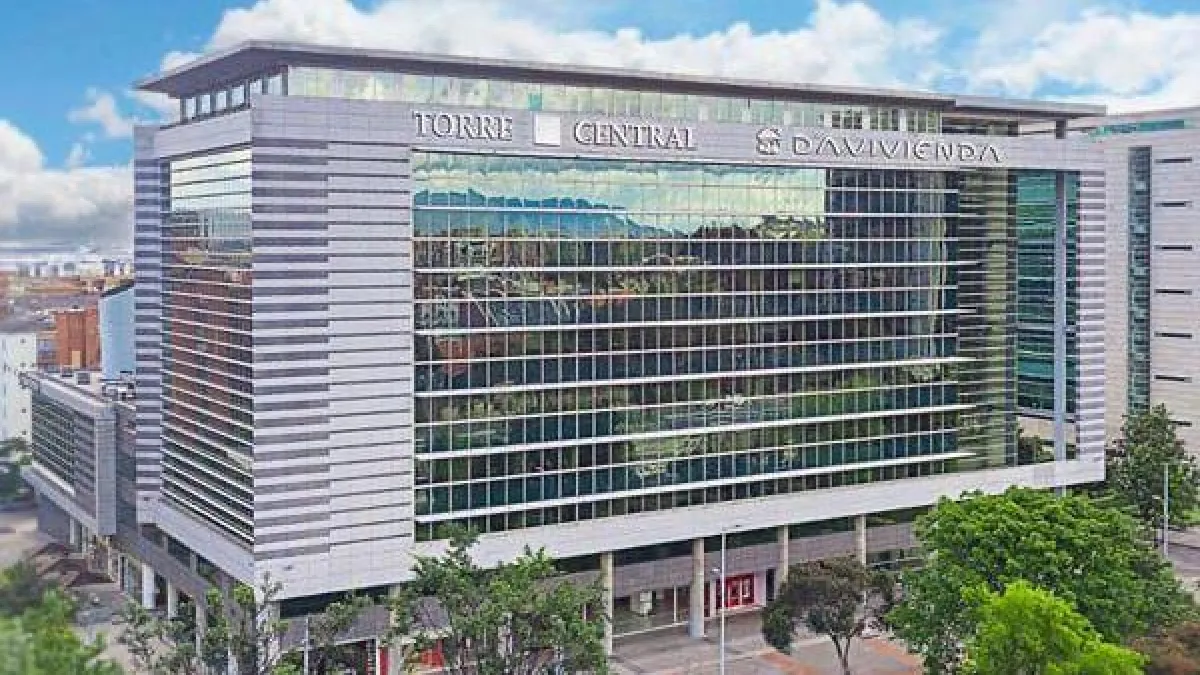
The financial landscape for the Grupo Davivienda in 2026 has been defined by a complex interplay of high-interest-rate environments, aggressive regional integration, and a rigorous commitment to operational efficiency. According to the latest financial disclosures covering the period from January to September 2026, the organization reported accumulated profits of 1.85 trillion Colombian pesos. This result, achieved against a backdrop of macroeconomic uncertainty, underscores the group’s ability to leverage its scale and diversify its revenue streams while navigating the challenges of credit risk management.
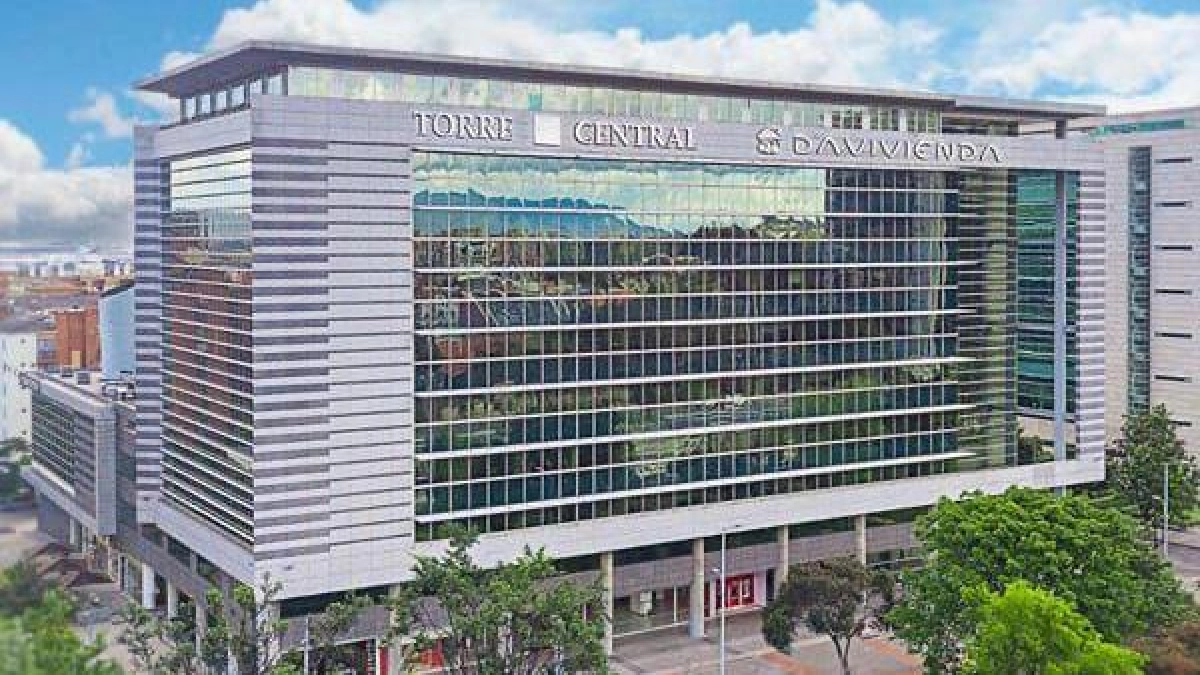
The current fiscal year marks a pivotal transformation for the institution, particularly following the successful integration of the banking operations of Davibank, which was finalized on November 1, 2026. This move is intended to consolidate the organization’s footprint and streamline service delivery across its multi-national presence, which now services over 27.8 million customers across six countries.
Main Financial Highlights: A Robust Balance Sheet
The group’s financial performance for the first nine months of the year is characterized by stability in core earnings despite significant market headwinds. Total interest income reached approximately 21 trillion pesos, with credit-related activities contributing 18.34 trillion pesos to this total. After accounting for the costs of funding and financial liabilities, the group reported a net interest margin of 10.09 trillion pesos—a figure that serves as the foundation before provisioning for potential credit losses and administrative expenditures.

The strategy employed by Davivienda’s leadership focused on three main pillars:
- Risk Management of Interest Rates: Proactive hedging and balance sheet positioning allowed the bank to mitigate the volatility inherent in a high-interest-rate environment.
- Operational Discipline: By maintaining strict control over operating expenses, the bank was able to absorb the complexities of recent acquisitions without compromising efficiency ratios.
- Proactive Provisioning: The group maintained a conservative stance regarding potential loan defaults, ensuring that its coverage ratios remained resilient against fluctuations in the credit cycle.
Chronology of Strategic Growth: The Path to Integration
The trajectory of Davivienda throughout 2026 has been one of deliberate expansion. The year began with a focus on organic growth in Colombia, Costa Rica, and Panama, followed by the rigorous preparation required for the integration of Davibank.

- January – March 2026: Initial focus on strengthening the digital ecosystem and stabilizing the loan portfolio in the face of persistent inflation.
- April – June 2026: A period of significant investment valuation gains, which bolstered bottom-line results, although these levels were not sustained in the third quarter.
- July – September 2026: Intense operational focus on preparing the technical and administrative infrastructure for the merger of Davibank’s assets and liabilities.
- November 1, 2026: Formal completion of the Davibank integration, marking the beginning of a new chapter for the organization, characterized by greater operational scale and combined product offerings.
Supporting Data: Dissecting the Loan Portfolio
The group’s total loan portfolio stood at 202.9 trillion pesos as of the end of September. When adjusted for exchange rate fluctuations, this represents a 2 percent growth compared to the figures reported in June, reflecting sustained demand across key sectors.
Regional and Segment Performance
- Corporate Banking: Leading the growth were corporate clients in Panama and Costa Rica, pushing total business loans to 88 trillion pesos.
- Consumer Credit: This segment reached 53.9 trillion pesos, with the Colombian market remaining the primary engine of volume and activity.
- Housing Loans: Residential financing totaled 61 trillion pesos, supported by steady demand in Colombia and strong performance in the Costa Rican market.
Commission Income
Beyond interest-based revenue, Davivienda generated 2.54 trillion pesos in accumulated commissions. Notably, in the third quarter alone, these revenues saw a 7.5 percent increase compared to the second quarter. This growth was driven primarily by credit card usage, payment processing services for merchants, insurance products, and corporate cash management services.

The Rise of DaviPlata: A Digital Powerhouse
Perhaps the most compelling narrative in the group’s 2026 performance is the explosive growth of its digital wallet and low-amount deposit platform, DaviPlata. The platform has evolved from a simple convenience tool into a significant revenue driver.
Accumulated income for DaviPlata reached 222.9 billion pesos, representing a staggering 57.4 percent increase year-over-year. This growth is attributed to two factors: the interest income generated from the deposits it channels into the bank’s funding operations and the increased volume of small-ticket loans granted through the platform.

The scale of the platform is reflected in its deposit base, which maintained a daily average of 1.3 trillion pesos—a 26.8 percent increase compared to the previous year. Furthermore, the loan portfolio specific to DaviPlata reached 159 billion pesos, a 130.4 percent jump, highlighting the effectiveness of the platform in reaching underserved segments of the population.
Official Responses and Market Pressures
While the year-to-date performance is positive, the third quarter faced distinct challenges. The group reported a net profit of 720 billion pesos for the quarter, a 13.3 percent decline compared to the April-June period.

Leadership at Davivienda attributed this to the reversal of extraordinary valuation gains on investment portfolios that had characterized the second quarter. In a competitive market, these fluctuations are expected, and the company’s internal hedging operations were credited with absorbing the impact of market volatility.
"The disciplined management of our operational expenses has allowed us to integrate our new acquisitions without compromising our fundamental efficiency," noted senior executives during the presentation of the quarterly results. The organization emphasized that while the integration process is formally complete, the operational synergy—optimizing technology, staff, and customer experience—will be a gradual process that will unfold fully throughout 2027.

Implications for the Future
The integration of Davibank and the ongoing performance of the group’s regional subsidiaries indicate that Davivienda is positioning itself as a dominant regional player rather than just a national institution.
Strategic Outlook
- Synergy Realization: The real test for 2027 will be the degree to which the bank can convert the integration of Davibank into sustainable cost savings and cross-selling opportunities.
- Interest Rate Sensitivity: With economists suggesting that significant interest rate relief may not fully materialize until late 2027, the bank’s ability to manage its net interest margin will remain a critical metric for investors.
- Digital Transformation: The continued success of DaviPlata suggests that the future of banking in the region is increasingly digital and mobile-first. The bank is likely to continue investing in these high-margin, high-volume segments to capture a younger and more tech-savvy customer base.
In conclusion, Davivienda has demonstrated remarkable resilience. By successfully balancing a large-scale structural integration with steady, diversified growth, the organization has laid a stable foundation. However, as it enters the final quarter of 2026 and looks toward 2027, the focus will shift from the mechanics of integration to the realization of the potential of a larger, more unified organization in a market that remains sensitive to the cost of credit and global economic trends.

Disclaimer: This report is based on verified financial data provided by the organization and current market analysis. Readers are encouraged to consult the full financial disclosure documents for a comprehensive review of the group’s performance.