By Felipe Santanilla Ayala Redacción Últimas Noticias Published: April 6, 2026 | Updated: April 6, 2026
Main Facts
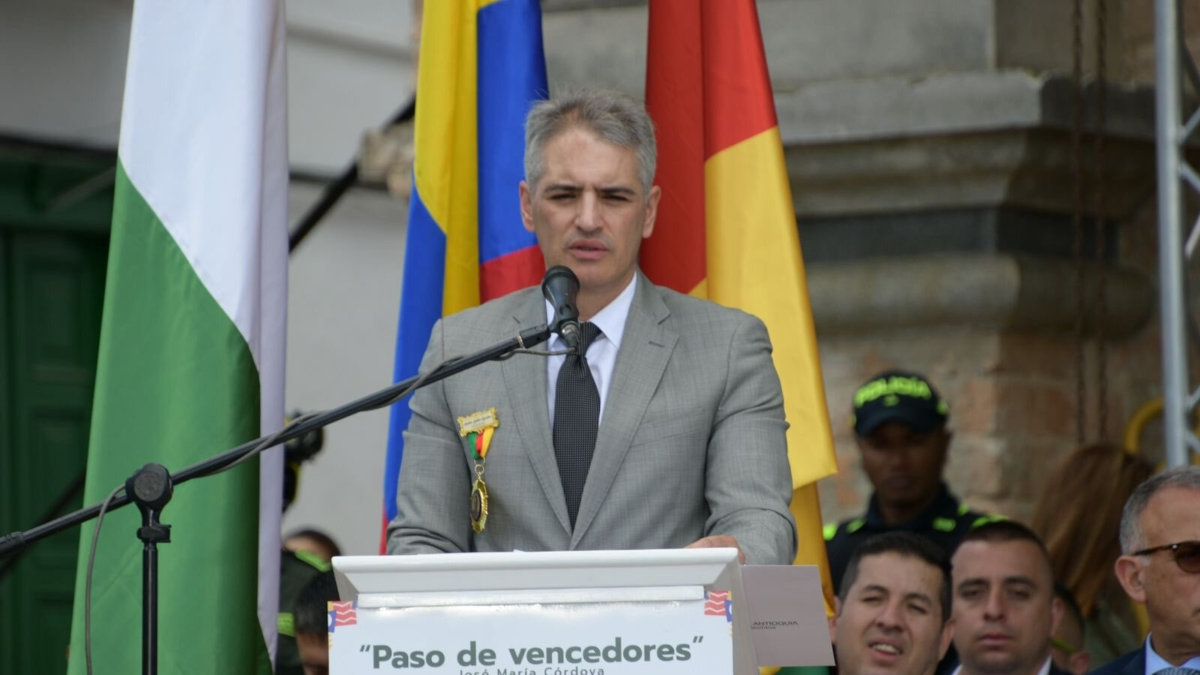
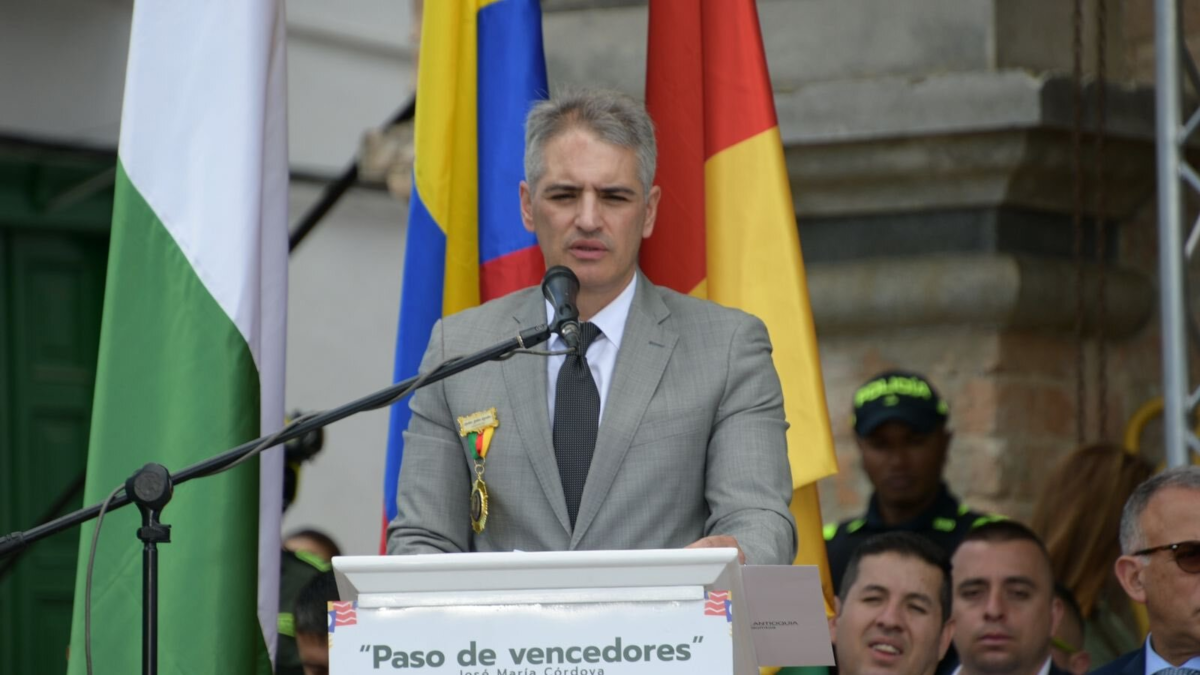
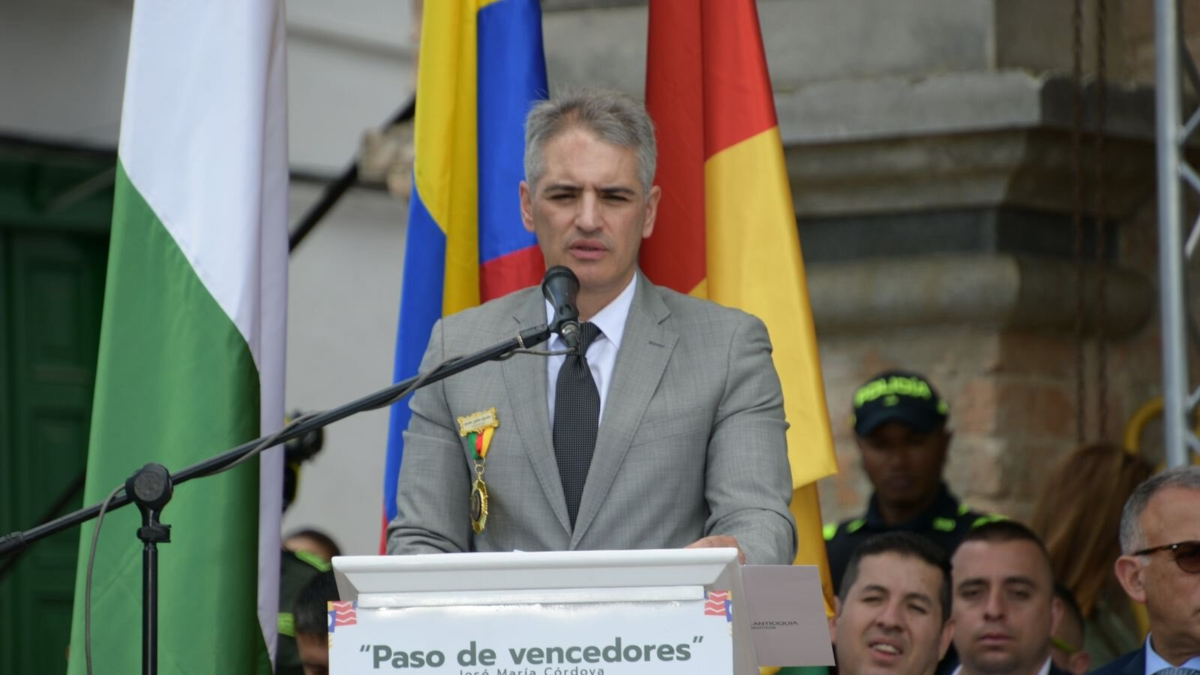
The political friction between local authorities in Antioquia and the central government reached a boiling point following a definitive announcement by the Governor of Antioquia, Andrés Julián Rendón. During a high-stakes security council meeting alongside local mayors from the Aburrá Valley, Rendón confirmed that his administration is initiating a robust legal offensive against recent directives issued by the National Government and the Office of the Attorney General.
At the core of this legal challenge is a formal lawsuit for nullification (demanda de nulidad) accompanied by a request for an emergency precautionary measure. Filed before the Council of State, the legal action aims to immediately halt the enforcement and effects of an official resolution that suspends the arrest warrants of 23 high-profile leaders belonging to dominant criminal structures operating in Medellín and its metropolitan area.
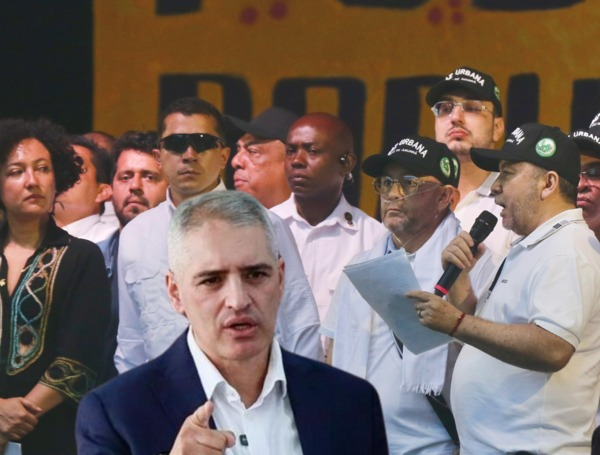
The disputed government resolution directly benefits key spokespersons and commanders of notorious urban gangs currently participating in government-sponsored peace and dialogue tables. However, Governor Rendón and other regional leaders argue that granting judicial reprieves to hardened criminals constitutes a severe blow to public institutions, undermines the rule of law, and introduces unprecedented risks to the security and peace of Antioquian citizens.
The legal challenge represents one of the most aggressive institutional confrontations between a regional government and the executive branch in recent history, laying bare deep fractures over national peace policies and public safety strategies in urban centers.
Chronology
To fully understand the current legal and political standoff, it is necessary to examine the timeline of events leading up to the governor’s announcement:
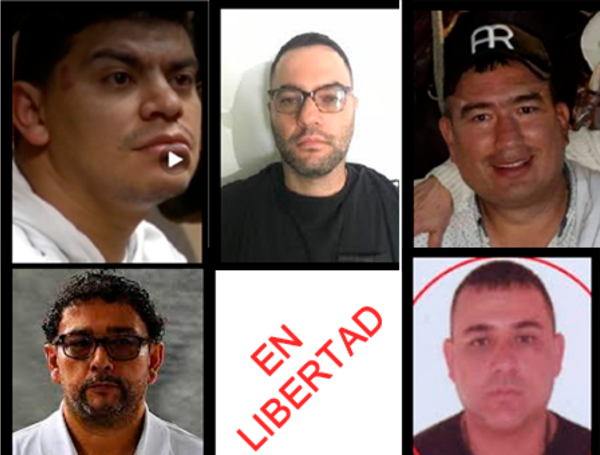
Early April 2026: The National Government and the Office of the Attorney General advance the formal mechanisms to suspend arrest warrants for 23 high-ranking leaders of criminal organizations in Medellín, allowing several of these individuals to transition into exploratory dialogue frameworks. Reports indicate that at least seven of these designated cartel and gang leaders have already been granted physical freedom.
April 5, 2026: Governor Andrés Julián Rendón takes to social media and public platforms to formally announce his decision to challenge the resolution. He qualifies the measures as a "highway of impunity" and vows to pursue judicial intervention at the highest levels.
April 6, 2026 (Morning): During a security council meeting with mayors of the Aburrá Valley, Rendón formalizes the strategy, detailing the specifics of the nullification lawsuit and the urgent request for a precautionary injunction from the Council of State.
April 6, 2026 (Afternoon): The Governor’s office updates the public on the broader resistance movement, noting that additional local figures—such as the President of the Medellín City Council, Alejandro De Bedout—are preparing to file parallel legal actions within hours to block the implementation of the government’s security decrees.
Supporting Data and Context
The controversy centers on a specific government policy designed to facilitate negotiations with criminal syndicates operating in Colombia’s second-largest city. Medellín and the broader Aburrá Valley have historically contended with complex networks of legacy cartels, extortion rings, and drug-trafficking militias—often referred to locally as combos—which exert territorial control over neighborhoods and commercial districts.
According to institutional records, the resolution in question impacts 23 primary kingpins. While the government defends these measures as a necessary evil to achieve structural dismantling of armed groups through negotiation, regional authorities point to deeply troubling statistics:
7 Out of 23: Out of the 23 targeted criminal leaders granted legal relief, at least seven have already been released from custody, sparking immediate anxiety among local residents, law enforcement, and municipal officials.
Institutional Vulnerability: The regional government emphasizes that granting concessions to individuals linked to homicide, extortion, drug trafficking, and forced displacement undercuts the morale of police and military personnel who routinely risk their lives in operational theaters.
The policy has also drawn unfavorable comparisons to other controversial national peace initiatives, such as those involving high-profile commanders like alias "Calarcá," which critics argue signal a broader institutional leniency toward armed actors across multiple departments.
Official Responses and Public Declarations
The confrontation has triggered sharp rhetoric from both regional leaders and the national administration, illustrating a profound ideological and tactical divide regarding how to achieve long-term peace and security.
Governor Andrés Julián Rendón did not mince words when criticizing the collaborative actions of President Gustavo Petro and the Attorney General’s Office. In a public statement shared via his official digital channels, Rendón declared:
"I am filing a nullification lawsuit with a precautionary measure before the Council of State: Gustavo Petro and the Attorney General are releasing criminals, undermining justice, and betraying victims, judges, prosecutors, police officers, and soldiers who have risked their lives to capture them. They are building a highway of impunity…"
Rendón further argued that these judicial benefits are not isolated policy adjustments, but rather tools utilized to exert undue political and territorial pressure, ultimately compromising regional autonomy.
"On the one hand, Prosecutor [Luz Adriana] Camargo recently mentions that arrest warrants against figures like alias ‘Calarcá’ must be lifted, and now she gives a free pass to the worst thugs in Antioquia. Good grief, it infuriates them that our people vote with freedom at the ballot box," Rendón emphasized, linking the security concessions to broader political maneuvers. "Now they use this to intimidate Antioquians and constrain their decisions. This is an affront against the victims and against our public force."
While national authorities maintain that judicial suspensions are legal instruments permitted under peace-building frameworks to incentivize demobilization, the lack of coordination with local administrative bodies has intensified the rift. Regional leaders argue that national peace architectures are being implemented at the direct expense of local governance and urban security.
Implications
The legal offensive launched by the Governorate of Antioquia carries profound implications for the legal, political, and security landscapes of Colombia:
1. Legal Precedent and Judicial Overreach
If the Council of State accepts the precautionary measures and ultimately rules in favor of the nullification demand, it could establish a critical legal boundary regarding the executive branch’s authority to suspend criminal proceedings and arrest warrants unilaterally. It would test the delicate constitutional balance between presidential powers in conducting peace policies and the judicial branch’s mandate to enforce criminal penalties.
2. Escalation of Regional-National Tensions
The move signals a hardening stance by regional entities against centralized security policies. As other local leaders—such as Medellín City Council President Alejandro De Bedout—prepare to file supplementary legal challenges, Antioquia is positioning itself as an institutional bastion of resistance against national peace initiatives, potentially inspiring similar pushback from other departments governed by opposition figures.
3. Impact on Local Security and Public Trust
With several high-ranking gang leaders already released under the disputed resolution, local law enforcement agencies face heightened challenges in maintaining order. Municipal authorities warn that the premature liberation of key figures could trigger internal turf wars, spike extortion rates, and severely damage public trust in the judicial system among citizens and victims who fought for years to see these criminals brought to justice.
4. The Future of Urban Peace Talks
Ultimately, the legal battle threatens the viability of the ongoing dialogue processes in Medellín. If the Council of State halts the resolution, the government’s framework for negotiating with urban combos could collapse or require a complete overhaul to secure buy-in from regional authorities, forcing a renegotiation of how peace is pursued in Colombia’s major metropolitan areas.
By Edwin Caicedo Environment and Health Journalist Updated: September 7, 2026 For generations, home cooks and seasoned chefs alike have shared a quiet, unconventional culinary secret: if you want a piece of fried fish or…
By: Editorial Desk (Reporting from Medellín, Colombia) Date: April 6, 2026 In an escalating confrontation that pits regional autonomy against national policy, the Governor of Antioquia, Andrés Julián Rendón, has officially declared a "judicial war"…
Gastronomy — Cooking is a fundamental daily activity carried out in millions of households worldwide, yet mastering culinary techniques remains far more complex than it appears at first glance. Following a recipe to the letter…