The landscape of higher education is undergoing a profound transformation, shifting its focus from purely academic output to a more holistic mandate of global stewardship. The release of the 2027 QS World University Rankings: Sustainability marks a pivotal moment in this evolution, as nearly 2,000 institutions across 107 countries are held accountable for their environmental and social impact. As climate change accelerates and social inequality remains a global concern, the world’s leading universities are increasingly being measured not just by the caliber of their research, but by their footprint, their governance, and their contribution to a sustainable future.
The Global Leaders: A New Guard in Sustainability
In the 2027 edition, the University of Lund in Sweden has retained its position as the global leader in sustainability for the second consecutive year. Lund’s commitment to carbon neutrality and sustainable campus operations continues to set a benchmark for institutions worldwide. Following closely is the ETH Zurich, which climbed to the second position, reflecting a robust integration of sustainable engineering practices into its core curriculum and research frameworks. The University of Toronto, a perennial leader that held the top spot in 2024 and 2025 and took second place last year, now secures the third position.
This year’s ranking, which expanded to cover 107 territories—an increase from the previous 106—demonstrates a growing consensus among higher education leaders: sustainability is no longer an elective value, but an essential operational and strategic pillar.
Latin America’s Evolving Academic Footprint
Latin America and the Caribbean have shown significant engagement with the QS sustainability framework. Approximately 150 universities from the region are featured in the 2027 report, representing a remarkable surge from the 31 institutions that participated in the inaugural 2023 edition.

Brazil leads the region with 36 represented institutions, followed by Chile (22) and Mexico (21). The Universidade de São Paulo (USP) remains the regional powerhouse, climbing to the 62nd position globally and placing itself within the top 3% of all ranked institutions worldwide. Despite these highlights, the region faces challenges; 63 Latin American institutions experienced a decline in their rankings, while 34 maintained their positions, and 34 saw improvements. Notably, 15 new institutions from the region entered the rankings for the first time, signaling an increasing desire for accountability and external benchmarking in countries like Mexico and Ecuador.
The Methodology: Decoding the "Triple Bottom Line"
The QS methodology evaluates universities across three distinct categories: Social Impact (45%), Environmental Impact (45%), and Governance (10%). This "triple bottom line" approach ensures that institutions are not merely performing well in research, but are also acting as ethical employers and contributors to societal well-being.

Social Impact: Education, Health, and Equality
The Social Impact pillar is perhaps the most complex, encompassing equality, knowledge exchange, the impact of education, employability, and health and wellbeing. While Latin American universities have excelled in knowledge exchange—with eight regional institutions placing in the global top 100—there remains a persistent gap in "employability and outcomes" and "health and wellbeing." These metrics suggest that while the region’s universities are excellent at producing research, they are still struggling to translate that knowledge into sustainable career pathways and internal health support systems that mirror the standards of top-tier global institutions.
Environmental Impact: The Research Gap
The environmental category focuses on three indicators: environmental sustainability, environmental education, and environmental research. A concerning trend highlighted in the 2027 report is that no Latin American university currently ranks in the top 300 for environmental research. This suggests a significant disconnect between the urgent environmental challenges facing the region—such as biodiversity loss in the Amazon or climate-related shifts in agriculture—and the volume of high-impact, peer-reviewed environmental research being generated by the region’s top universities. However, progress is being made in environmental education, with five institutions breaking into the top 100 globally.

Governance: Ethical Leadership and Transparency
The Governance indicator, though weighted at 10%, has become a critical differentiator. It evaluates ethics, transparency, hiring practices, and decision-making transparency. This is where regional institutions are making the most strides in institutional maturity. The Universidad del Rosario (Colombia), the Pontificia Universidad Católica de Chile, and the Universidade Federal de Minas Gerais have all ascended into the top 100 in this category. The Universidade de São Paulo further cemented its leadership by securing the fifth position globally in governance, proving that transparency is the bedrock upon which institutional sustainability is built.
Official Perspectives: The Mandate for Change
Jessica Turner, Executive Director of QS, emphasized that the rankings serve as a catalyst for institutional reform. "The QS World University Rankings: Sustainability seeks to incentivize higher education institutions to take ownership of their social and environmental impact," Turner stated. She noted that universities are not merely centers of learning; they are vast ecosystems—large-scale employers, research hubs, and civic anchors.

"In Latin America, the growth in participation—from 31 universities in 2023 to over 140 in 2027—is a testament to a region that is increasingly aware of its role in the global climate agenda," Turner added. She specifically highlighted the progress in Ecuador, where 60% of existing institutions improved their rankings, and the debut of Guatemala, which signals a broadening regional commitment to sustainability reporting.
Colombia’s Positioning: A Strategic Overview
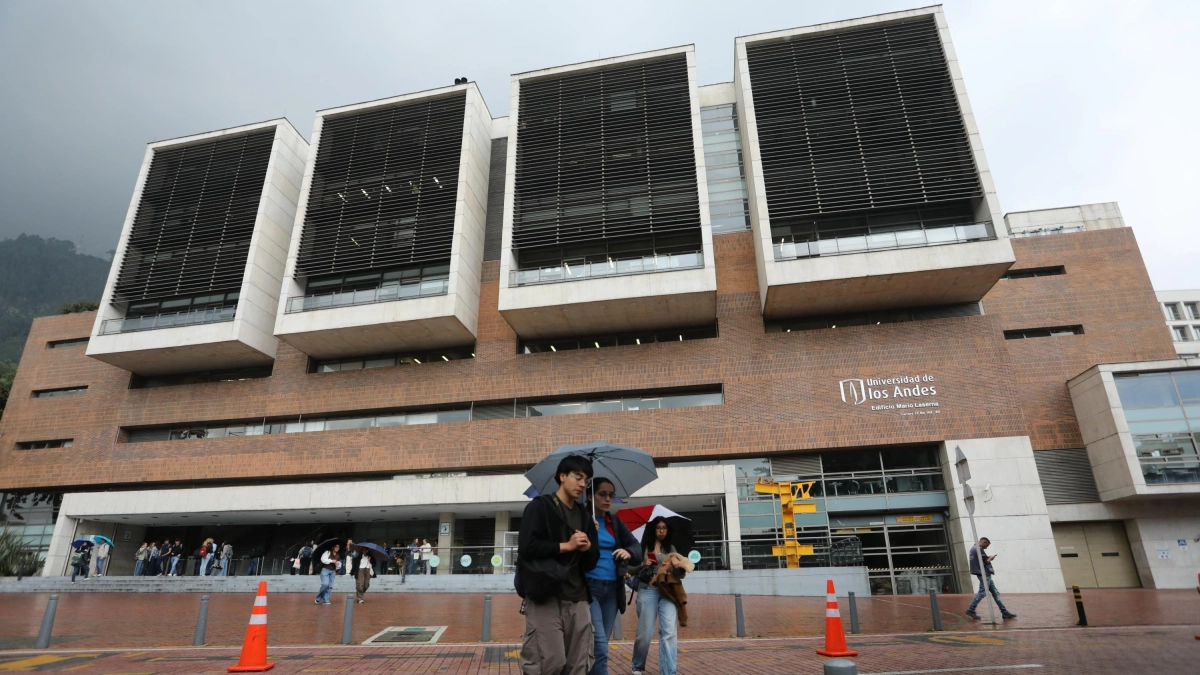
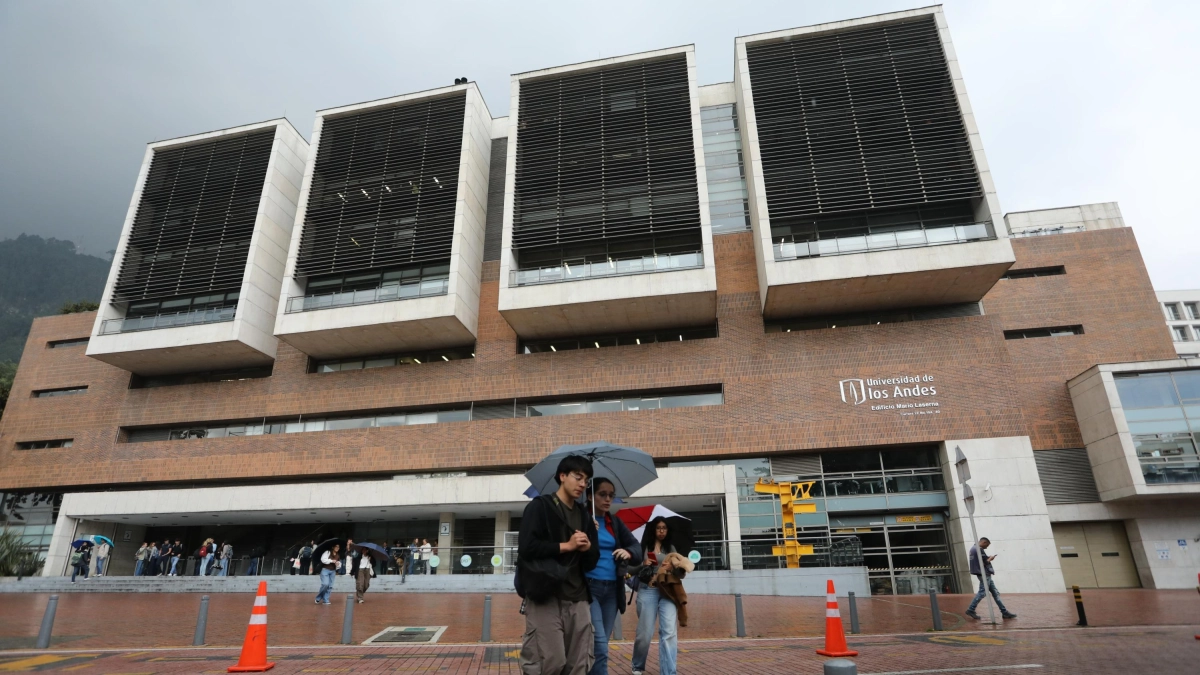
For Colombia, the results are a mix of pride and a call for acceleration. The Universidad de los Andes leads the country, ranking 346th globally and 9th in Latin America. The Universidad Nacional de Colombia follows at 509th globally and 16th regionally, while the Pontificia Universidad Javeriana occupies the 627th global spot and 24th in the region.

While these rankings reflect a respectable standing, they also underscore the need for Colombian institutions to invest more heavily in environmental research infrastructure and cross-disciplinary sustainable development programs if they are to compete with the regional giants from Brazil and Chile.
Implications for the Future of Higher Education
The 2027 QS Sustainability rankings offer more than just a list; they provide a roadmap for the future of academia. The implications for universities are threefold:

- Transparency as a Competitive Advantage: Institutions that openly report their carbon footprint, ethical hiring policies, and diversity statistics are finding themselves more attractive to students, faculty, and international partners. The data shows that transparency is no longer a "nice-to-have" but a core metric of institutional quality.
- The Shift from Theoretical to Operational: Universities are now being judged by their campus operations. Whether it is renewable energy transition, waste management, or the implementation of fair-wage policies for staff, the "campus as a lab" model is becoming the gold standard.
- Regional Cooperation: The rise of Latin American participation in these rankings suggests that regional academic networks will become increasingly important. By sharing best practices in governance and social impact, these universities can create a regional block capable of addressing common sustainability challenges more effectively than they could in isolation.
Conclusion: A Long Road Ahead
The 2027 rankings serve as both a snapshot of current progress and a mirror reflecting the areas where academia must do better. The move toward sustainable education is a marathon, not a sprint. While the leaders in Sweden and Switzerland show that it is possible to achieve top-tier sustainability, the trajectory of Latin American universities—with their rapid growth in participation and notable improvements in governance—suggests that the coming years will see a more balanced and environmentally conscious global academic landscape.
As the academic world moves toward 2030, the pressure on these institutions to prove their value to society will only intensify. The QS World University Rankings: Sustainability provides the empirical framework necessary to ensure that the universities of tomorrow are not just educating the leaders of the future, but actively preserving the planet they will inherit.