By Edwin Caicedo
Environment and Health Journalist
Published: November 17, 2026
Main Facts: The Staggering Economic and Environmental Toll of Maritime Transport
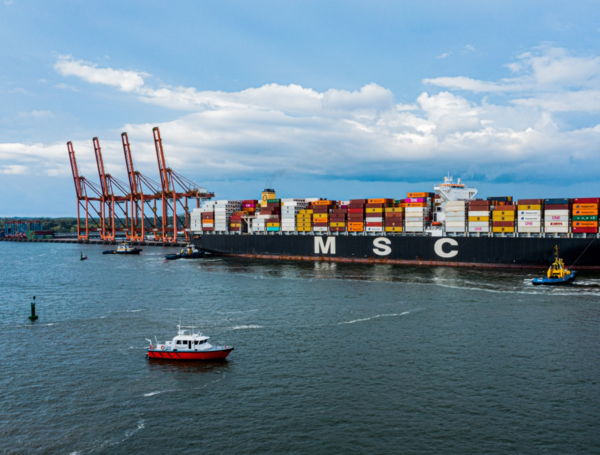
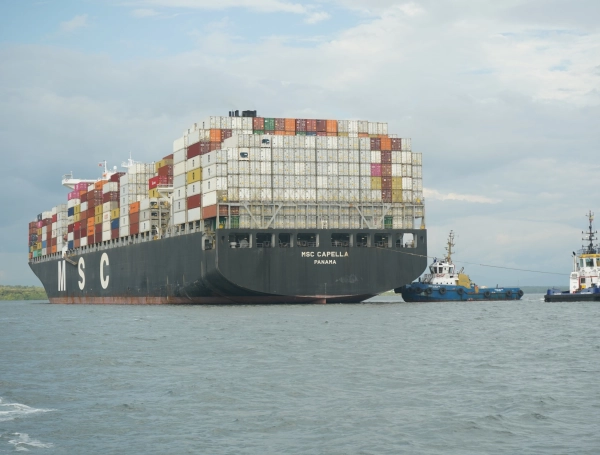
International maritime transport—the invisible backbone of global trade responsible for moving approximately 90% of all traded goods across the globe—has left a profound and costly scar on the earth’s climate. According to a landmark analysis published in October 2026 by Zero Carbon Analytics and authored by researcher Victoria Kalyvas, the greenhouse gas emissions generated by international shipping caused an estimated $962.7 billion in cumulative economic damages between 1990 and 2020.
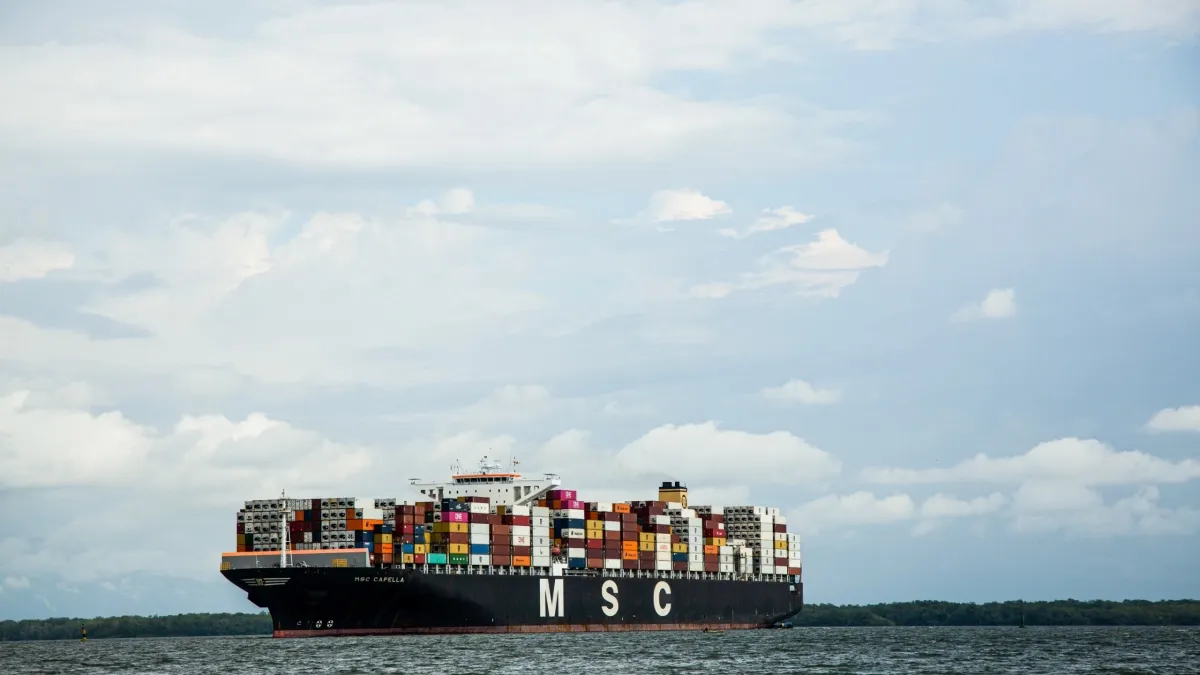
This staggering figure brings the true cost of maritime-induced climate change to nearly the $1 trillion threshold. The study calculated these losses by analyzing an accumulated 19.029 million metric tons of carbon dioxide ($CO_2$) emitted by the global shipping fleet over those three decades. By cross-referencing emissions inventories from the International Maritime Organization (IMO)—processed by Climate Action Tracker—with advanced damage-cost methodologies established by climate researchers at Stanford University, the analysis exposes the immense financial burden that commercial shipping places on global economies.
While international shipping accounts for roughly 2% of global energy-related $CO_2$ emissions, its relative footprint has expanded dramatically since 1990. Emissions from the sector nearly doubled between 1990 and 2008, peaking at 776 million metric tons of $CO_2$ annually before fluctuating at stubbornly high plateaus.

The economic fallout, however, is not distributed evenly. Superpowers and major manufacturing hubs bear the heaviest absolute losses:
- United States: $280.7 billion
- China: $113.5 billion
- Japan: $66.8 billion
- India: $49.2 billion
- Brazil: $31.1 billion
- Italy: $27.8 billion
- Germany: $26.9 billion
- France: $25.7 billion
Yet, when examined through a proportional lens relative to national economic output (GDP), the narrative shifts dramatically toward developing nations, revealing systemic climate inequities. Nations in the Middle East and Africa shoulder the most severe proportional hits. In 2020 alone, damages linked to international shipping emissions shaved off 0.35% of the United Arab Emirates’ GDP, 0.34% of Saudi Arabia’s GDP, 0.32% of Mali’s GDP, and 0.30% of Burkina Faso’s GDP. Mauritania, Niger, and Sudan also suffered severe relative contractions ranging from 0.28% to 0.29%. These figures underscore a harsh reality: countries bearing the lowest historic responsibility for maritime emissions are disproportionately subsidizing the environmental costs of global supply chains.

Chronology: Three Decades of Rising Emissions and Regulatory Battles
To understand how the maritime industry arrived at this critical juncture, it is essential to trace the historical trajectory of its emissions and the international community’s sluggish regulatory response:
- 1990–2008 (The Era of Unchecked Expansion): Fueled by globalization, a surge in manufacturing, and expanding international trade routes, maritime emissions grew exponentially. Between 1990 and 2008, the sector’s carbon output nearly doubled, culminating in a historic peak of 776 million metric tons of $CO_2$ in 2008.
- 2009–2019 (Post-Crisis Plateaus and Delayed Action): Following the 2008 global financial crisis, economic slowdowns caused brief dips in shipping volumes, but structural changes within the fleet failed to drive down absolute emissions. Instead, emissions stabilized at historically elevated levels, consistently outpacing baseline 1990 measurements.
- 2020 (The IMO’s Fourth GHG Study): The International Maritime Organization published its fourth comprehensive greenhouse gas study, projecting that under a "business-as-usual" trajectory, maritime emissions would rebound to between 90% and 130% of 2008 levels by 2050, completely undermining global climate targets.
-
July 2023 (Historic Emissions Targets Set): Recognizing the existential threat of unchecked growth, IMO member states reached a consensus on revised greenhouse gas reduction goals. They committed to cutting annual emissions by at least 20% (aiming for 30%) by 2030, reducing them by 70% to 80% by 2040,
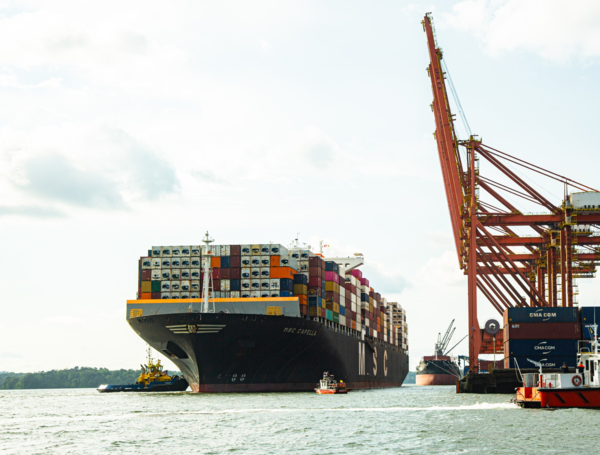
and achieving net-zero greenhouse gas emissions by or around 2050.
- April 2025 (The Birth of the Net Zero Framework): Moving beyond voluntary agreements, the IMO engineered the Net Zero Framework (NZF). This regulatory blueprint combined hard emissions limits with greenhouse gas pricing mechanisms—marking the first time a binding global decarbonization framework was proposed for an entire international industrial sector.
- November – December 2026 (The Crucial Showdown): Political friction, economic anxieties, and intense lobbying by shipping companies over operational costs stalled the framework’s adoption. Member states scheduled a high-stakes working session for the week of November 23, 2026, culminating in a definitive vote on December 4, 2026, to determine whether the NZF will become legally binding.
Supporting Data: The High Stakes of Action Versus Inactivity
Critics of the Net Zero Framework often point to the high upfront costs associated with transitioning commercial fleets to green technologies, alternative fuels, and modern infrastructure. However, Zero Carbon Analytics argues that focusing strictly on transition expenses ignores the catastrophic price of climate inaction.

A 2024 IMO impact assessment projected that executing a robust decarbonization framework like the NZF would demand an aggregate investment of $13.78 trillion between 2023 and 2050. In comparison, maintaining a business-as-usual trajectory would still cost the global economy an estimated $9.62 trillion in unmitigated climate damages over the same timeframe.
While the nominal difference between the two scenarios stands at $4.16 trillion, the study emphasizes that this gap does not represent a net economic loss. A substantial portion of the funds channeled into the NZF would be actively reinvested directly into the maritime sector through fleet modernization, efficiency retrofits, and the development of zero-emission bunker fuels.
Furthermore, the environmental and human dividends of reaching net-zero by 2050 are immense:
- Carbon Abatement: Implementing the NZF would prevent approximately 14.2 billion metric tons of $CO_2$-equivalent emissions between 2026 and 2050 compared to baseline projections.
- Temperature Stabilization: This reduction would avert 0.00641°C of global warming by 2050. While seemingly modest, this fraction represents roughly 10% of the remaining global carbon budget before breaching the critical 1.5°C threshold established by the Paris Agreement.
- Human Lives Saved: Unmitigated warming driven in part by maritime emissions threatens to expose nearly 8 million additional people to unprecedented, life-threatening heat stress conditions by 2070, and could trigger approximately 1.5 million temperature-related deaths by 2100.
- Marine Ecosystem Preservation: Using the Australian Great Barrier Reef as a baseline—where a devastating 2016 marine heatwave impacted 93% of surveyed corals—the study projects that unchecked warming from maritime emissions could cause the loss of an additional 260 million coral colonies during a single comparable bleaching event.
Official Responses and Political Friction
The debate surrounding the decarbonization of international shipping has laid bare deep geopolitical fractures. On one side, developed economies and climate-vulnerable nations argue for aggressive regulatory enforcement, emphasizing that the shipping industry must internalize the environmental costs of its operations.

Conversely, developing economies, major cargo-handling nations, and shipping associations have repeatedly voiced deep concerns regarding the inflationary pressures that carbon pricing and fuel levies could impose on consumer goods, supply chains, and export competitiveness. Because shipping costs directly influence the price of food, energy, and manufactured goods worldwide, nations heavily reliant on maritime imports fear that sudden regulatory changes could destabilize their domestic economies.
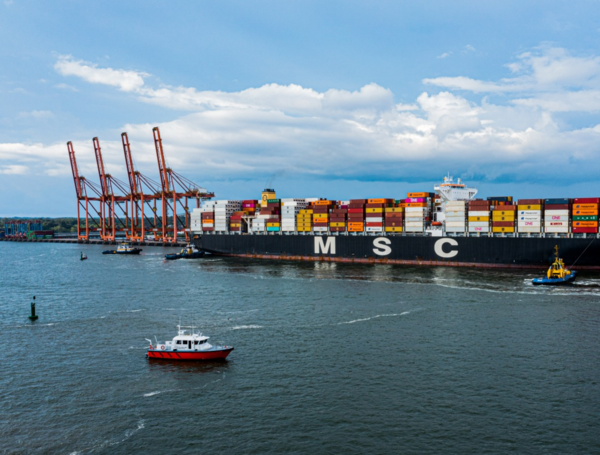
This friction has turned the IMO’s upcoming December 4, 2026 vote into a historic crucible. Industry representatives argue that transition timelines must remain flexible to accommodate the technological challenges of scaling green fuels—such as green ammonia, green hydrogen, and advanced biofuels—across transoceanic routes. Meanwhile, environmental advocates maintain that every delay compounds the ecological debt, locking vulnerable nations into cycles of climate-induced economic distress.
Implications: A Crossroads for Global Climate Governance
The findings from Zero Carbon Analytics pull back the curtain on an inconvenient truth: global trade has operated for decades under an ecological subsidy subsidized by the atmosphere and borne by the world’s most vulnerable populations.
As member states of the International Maritime Organization prepare for their decisive December 2026 summit, the implications extend far beyond the balance sheets of shipping conglomerates. The choice before the international community is stark:

- Adopt and Enforce Rigorous Regulation: Ratify the Net Zero Framework, establish enforceable carbon pricing, and mobilize the trillions needed to transition global fleets to clean energy. This path ensures equitable climate protection, prevents millions of premature deaths, and shields vulnerable developing nations from disproportionate economic collapse.
- Yield to Political Stalemate: Delay binding regulations in the name of short-term cost containment. Under this scenario, maritime emissions will continue to accumulate trillions of dollars in climate damages, push global temperatures closer to catastrophic tipping points, and force low-income nations to pay the ultimate price for the cargo vessels that sustain modern consumerism.
Ultimately, the future of the oceans, the stability of coastal and inland economies, and the health of millions hang in the balance. The December 2026 vote will determine whether the international shipping industry continues to accumulate environmental debts, or finally steers toward a sustainable, net-zero horizon.