By: Justice Desk Editorial Team
The devastating forest fires that have recently ravaged the rural landscape of Coyaima, in the southern region of Tolima, Colombia, have left more than just scorched earth in their wake. While the destruction of hectares of vegetation is a recurring environmental tragedy, the human and animal cost often remains hidden in the shadows of the flames. This week, however, a glimmer of hope emerged from the devastation: the successful rescue of two horses, Golondrina and her foal, Llamarada, who were severely burned while trapped in the remote vereda of Totarco Piedras.
Their survival is not merely a tale of animal welfare; it is a testament to the power of digital advocacy, the efficiency of inter-institutional coordination, and the profound, often overlooked bond between rural families and the working animals upon which their survival depends.
The Digital Catalyst: How a Video Sparked a Rescue Mission
The story of Golondrina and Llamarada might have ended in tragedy had it not been for the vigilance of the local community. As the fires consumed the dry brush and trees surrounding the rural properties of Coyaima, the two equines were caught in the path of the advancing wall of heat. Suffering from painful burns and trapped within the isolation of the rural terrain, the animals were in critical condition.
The turning point came when a concerned citizen captured a video of the injured pair and disseminated it across social media platforms. The footage, which clearly showed the animals struggling with the physical trauma of their burns, acted as an immediate alarm. In an era where digital connectivity often facilitates rapid responses, this specific post bypassed traditional bureaucratic delays, reaching the eyes of authorities and animal welfare advocates who were monitoring the fire’s progress.
The viral nature of the post galvanized local residents to demand action. Recognizing the urgency, the Seccional de Carabineros y Protección Ambiental (Carabineer and Environmental Protection Section) of the Tolima Police Department took immediate note. Within hours, a specialized team was dispatched from Ibagué, the capital of the department, equipped with institutional transport to navigate the rugged, fire-prone terrain of Totarco Piedras.

Chronology of a High-Stakes Extraction
The rescue operation was a logistical challenge, performed under the persistent threat of active fire pockets.
- Initial Discovery: Following the digital alert, law enforcement and environmental officials mapped the location of the animals. The fire had rendered much of the traditional path impassable, requiring the tactical team to identify safe access routes.
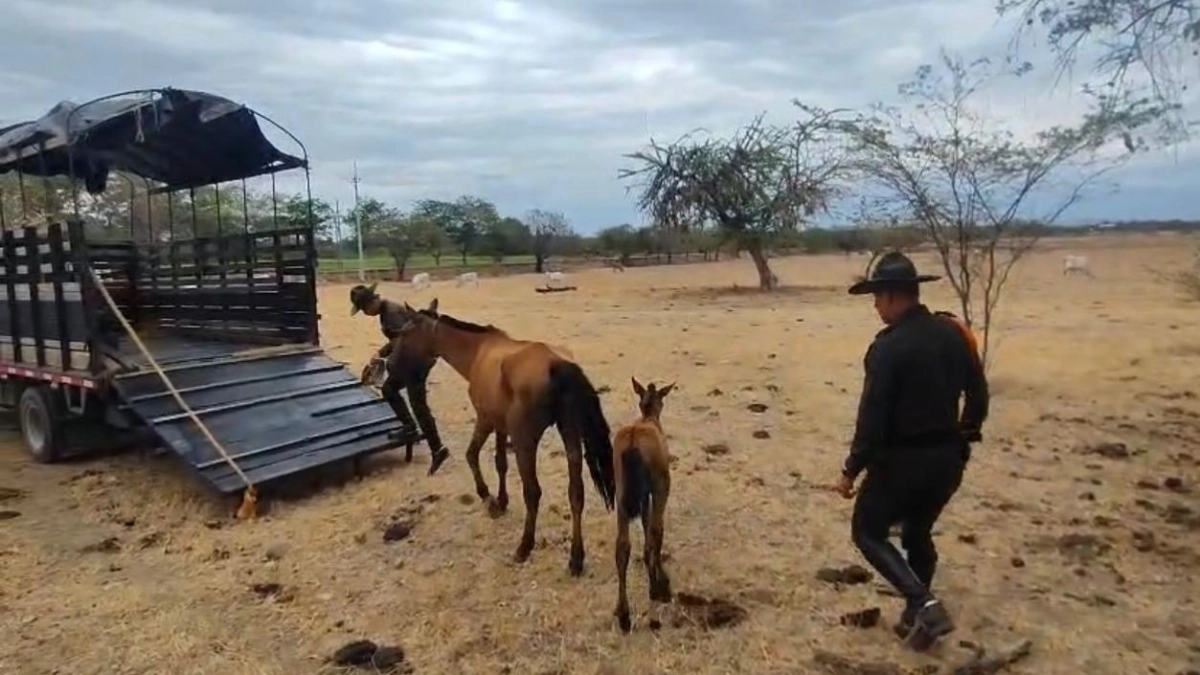
- The Arrival: Upon reaching the site, officers found Golondrina and her young foal, Llamarada, exhibiting signs of severe dehydration and thermal trauma. The visual evidence of the fire’s intensity was etched onto the animals’ hides.
- On-Site Stabilization: Before transport could be attempted, a primary assessment was conducted. The team, supported by local officials from the Mayor’s Office of Coyaima and representatives from the Governor’s office of Tolima, ensured the animals were stable enough to withstand the journey to the city.
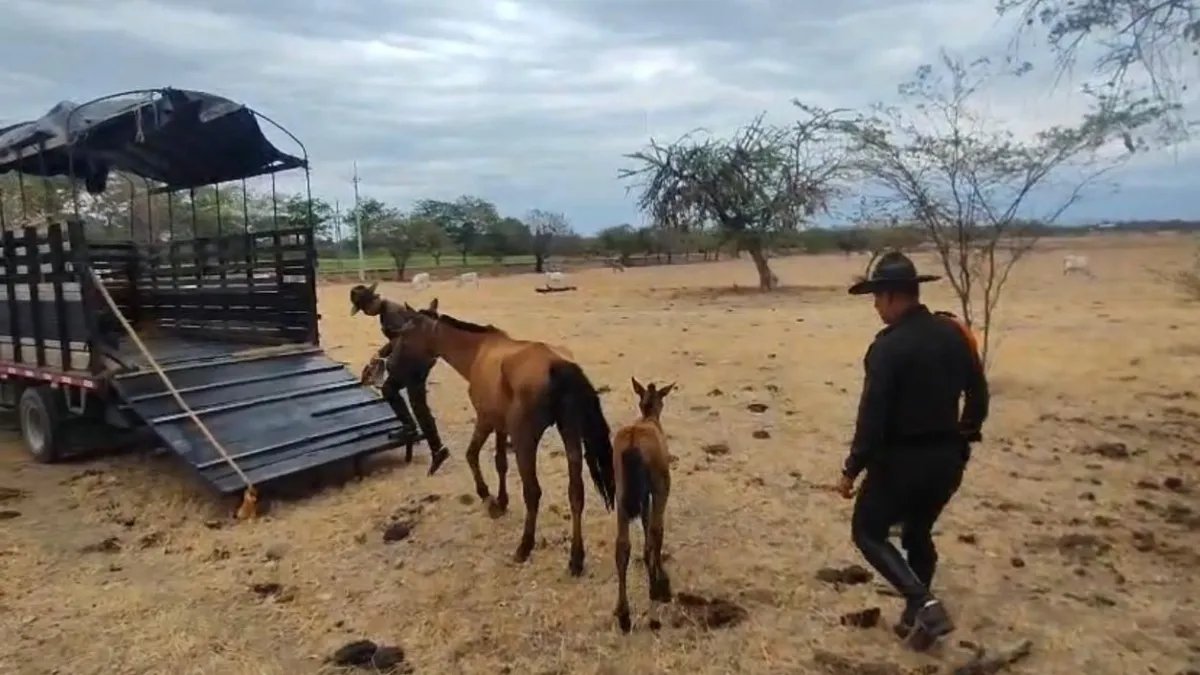
- The Journey to Ibagué: The equines were carefully loaded into a transport vehicle. The journey back to Ibagué was tense, with veterinarians monitoring the animals’ vitals to prevent shock.
- Clinical Admission: Upon arrival in the capital, the duo was immediately transferred to the Veterinary Clinic of the University of Tolima, a facility renowned for handling complex animal trauma cases. There, they entered a rigorous recovery protocol that continues to this day.
The Human Impact: A Livelihood in Ashes
While the focus has been on the animals’ recovery, the story of Golondrina and Llamarada is inextricably linked to the plight of a local campesino family. For the owner of these equines, the loss of the animals would have meant more than the loss of beloved companions; it would have signaled economic collapse.
The owner relies on these horses for the transport of "hojas de cachaco" (a traditional leaf used for wrapping food), a vital commodity in the regional economy. In the mountainous geography of southern Tolima, these animals are not luxury items; they are the primary mode of transport for moving harvests from steep, inaccessible plots to local markets.

When the fire reached the property, it didn’t just burn the grazing land; it effectively crippled the family’s logistical capability. This case highlights a silent crisis in Colombia: the impact of environmental disasters on the "working animals" of the agricultural sector. When these animals are injured, the household income ceases, leading to long-term cycles of poverty that are rarely accounted for in standard disaster relief metrics.
Official Responses and Institutional Coordination
The successful rescue operation has drawn praise from high-ranking officials, who see it as a model for future disaster response.
Colonel Ferney Martín Romero, Commander of the Tolima Police Department, emphasized that the rescue was the result of a symbiotic relationship between the public and the state. "This procedure evidences the importance of the active participation of the citizenry and the articulated response of the institutions when faced with situations that put the life and welfare of sentient beings at risk," Colonel Romero stated during a press briefing.
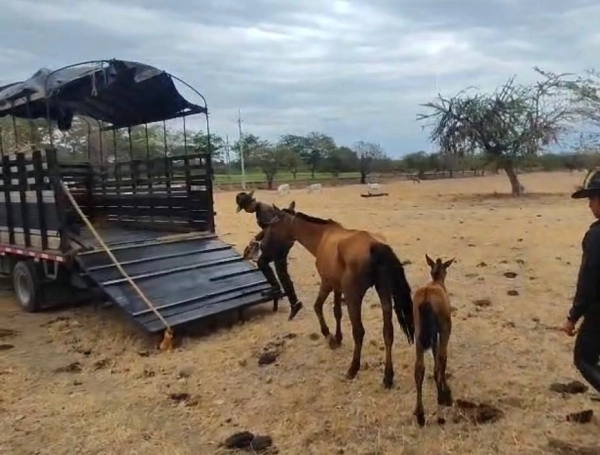
The participation of the University of Tolima’s Veterinary Clinic has been instrumental. By providing high-level medical care, the institution has given Golondrina and Llamarada a second chance at life. The university’s involvement underscores the necessity of having specialized medical infrastructure ready to respond to the surge in animal casualties that inevitably follow wildfires.
Implications: The Shadowed Cost of Climate Emergencies
The tragedy in Coyaima serves as a stark reminder of the escalating risks posed by forest fires, which are becoming more frequent and intense due to shifting climate patterns. While national attention is often directed at the loss of forest cover and potential threats to human settlements, the "animal factor" is frequently overlooked.
1. The Vulnerability of Domesticated Animals
Domesticated animals and livestock in rural areas are often left to fend for themselves during evacuations. There is a clear need for municipal governments to integrate animal rescue and evacuation protocols into their Emergency Risk Management plans.

2. Economic Fragility
The case of the cachaco leaf producer illustrates the precarious nature of rural livelihoods. If the state does not provide support for the veterinary recovery of working animals, the owners are often forced to sacrifice their capital, pushing them further into economic instability.
3. Community Vigilance as a Defensive Tool
The use of social media as a tool for public safety cannot be understated. It highlights a shift in community power; citizens are no longer passive witnesses to environmental catastrophes but active participants in the mitigation process.
Looking Forward: A Path to Recovery
As of the latest reports, Golondrina and Llamarada remain under constant observation. Their recovery is a long-term process, involving specialized wound care, pain management, and nutritional support to help them regain the strength lost during the fire.

The story of these two equines has become a symbol of hope for the people of Tolima. It has sparked a broader conversation about the need for better preparedness, more robust animal welfare laws, and a deeper appreciation for the animals that work alongside human laborers in the heart of Colombia’s rural regions.
For now, the focus remains on the clinic. Every day that Golondrina and Llamarada show improvement, the community of Coyaima celebrates a small victory against the overwhelming forces of nature. Their journey back to health is a reminder that even in the face of widespread environmental destruction, the commitment of a few can save a life—and by extension, preserve the hope of a family.
As the fires are finally brought under control across the region, the lessons learned from this rescue must be codified. Future disaster prevention strategies in Tolima should prioritize not only the protection of homes and forests but also the establishment of rapid-response networks for the animals who, through no fault of their own, are caught in the path of the inferno.