By Justice Desk, EL TIEMPO
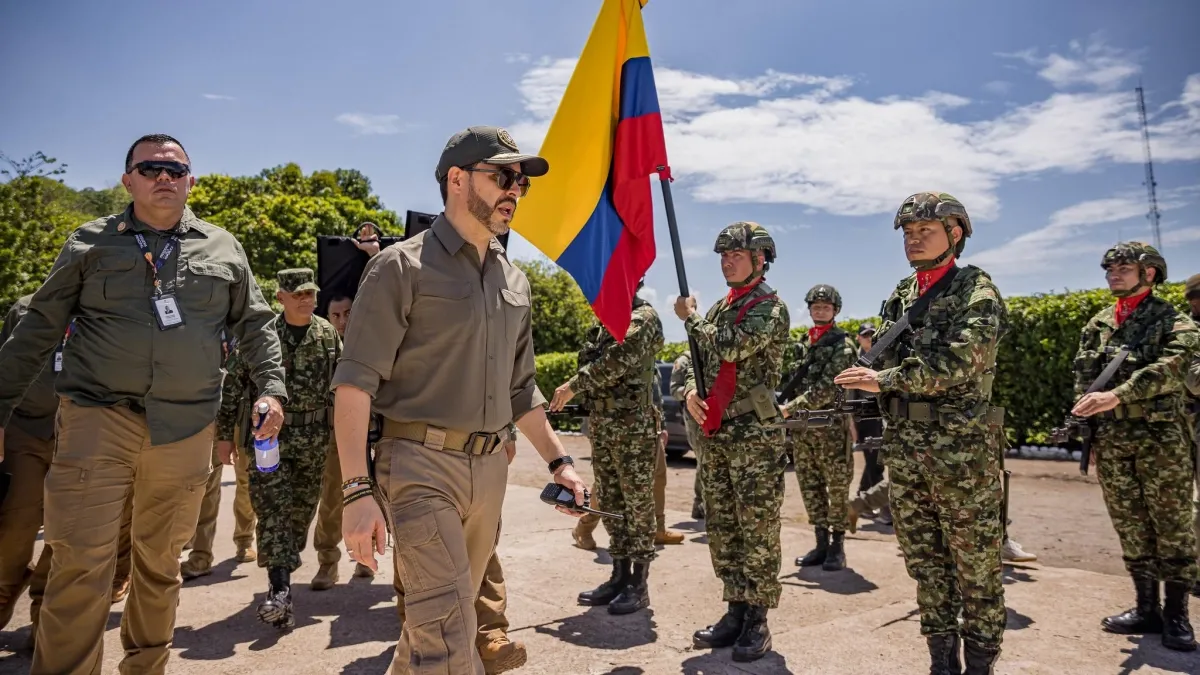
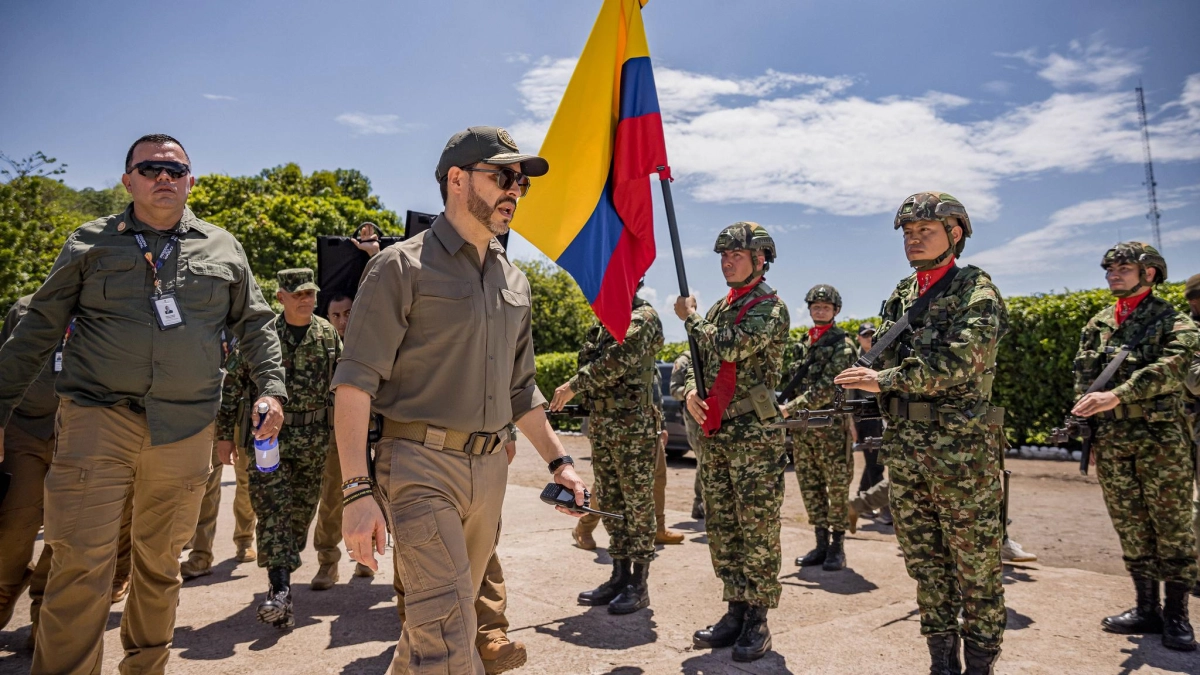
In a decisive move to reclaim territorial control and restore public order in the volatile border region of Norte de Santander, President Abelardo De La Espriella announced this Thursday a temporary but aggressive militarization of Cúcuta. The decision follows a harrowing week of targeted violence that has rattled the capital city, prompting the central government to deploy specialized military and police units to neutralize criminal syndicates and terror groups.
Starting November 3, the city will fall under the jurisdiction of two specialized security frameworks: the "Esparta" military-police campaign and the Urban Security Operational Block (BOSUR). This escalation represents a significant shift in the administration’s strategy, moving from standard police containment to a proactive, integrated offensive against the armed groups vying for control of the Venezuelan border.
The Trigger: A Week of Targeted Terror
The administration’s decision was not made in a vacuum; it comes as a direct response to a rapid degradation of security in Cúcuta. Over the last several days, the city has been the site of two high-profile acts of violence that signaled a blatant defiance of state authority.
On Monday, the city was stunned by the assassination of Miguel Castellanos, a former Secretary of Government and a retired police officer. Castellanos, who had reportedly been navigating threats against his life for years, was traveling along the Western Peripheral Ring Road (Anillo Vial Occidental) in an armored vehicle. Accompanied by his 12-year-old son, Castellanos stopped his vehicle—a move that investigators believe may have been a trap or an arranged encounter. Two assailants on a motorcycle approached the vehicle, and at least one opened fire, killing the former official instantly before fleeing the scene. The Attorney General’s Office has launched a comprehensive investigation to determine whether Castellanos knew his attackers or was lured into a fatal ambush.
The security situation deteriorated further on Tuesday morning. At approximately 7:15 a.m., a powerful explosive device detonated in the Nuevo Escobal neighborhood, in the immediate vicinity of the Francisco de Paula Santander International Bridge—a critical artery connecting Cúcuta to the Venezuelan town of Ureña. The blast left six people injured, including two police officers and four civilians, and caused significant structural damage to surrounding residential buildings. While the explosion occurred near the facilities of the National Tax and Customs Directorate (DIAN), officials have yet to confirm if the agency was the intended target. George Quintero, Secretary of Security for Norte de Santander, noted the tactical nature of the site, stating, "This is an area where the public forces have been targeted in the past."

The Presidential Directive: "Esparta" and BOSUR
During his national address, President De La Espriella outlined four core directives aimed at dismantling the criminal apparatus currently operating in the region. The cornerstone of this strategy is the activation of two operational pillars on November 3:
1. The "Esparta" Campaign
The "Esparta" campaign is a comprehensive military and police initiative designed to pursue high-value targets responsible for acts of terror. It focuses on disrupting the financial networks that sustain criminal organizations. By targeting the illicit revenue streams—largely derived from drug trafficking, extortion, and smuggling—the government aims to "starve" these groups of the resources necessary to sustain their operations.
2. The Urban Security Operational Block (BOSUR)
Recognizing that the violence has moved from rural hinterlands into the urban fabric of Cúcuta, the BOSUR is specifically tasked with urban stabilization. This unit will focus on intelligence-led operations within city neighborhoods, increasing patrol density, and conducting surgical strikes against the cell-based structures that facilitate urban terror.
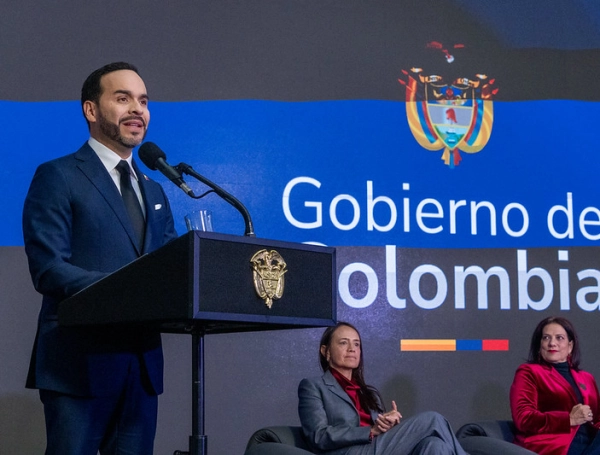
"This is not merely about increasing the number of uniforms on the street," President De La Espriella emphasized during his address. "It is about the reclamation of authority and the absolute protection of our citizens. We are dealing with groups that act with total depravity, and we will meet them with the full force of the law."
Strategic Context: The Border Security Challenge
Cúcuta’s position as a border city has long made it a strategic prize for illegal armed groups. The proximity to Venezuela creates a complex "revolving door" effect for criminal actors, who often commit crimes in Colombian territory and retreat across the border to escape the reach of local authorities.
The President highlighted that the government’s intervention is as much about national sovereignty as it is about internal security. "We must guarantee our security and our sovereignty because narcoterrorist groups are attacking our population with extreme cruelty," De La Espriella stated. He underscored that the influx of armed groups and their deep integration with transnational drug trafficking organizations requires a military response that transcends municipal borders.
The presence of the National Liberation Army (ELN), alongside various dissident factions of former FARC rebels and criminal syndicates, creates a fragmented but lethal security landscape. These groups often contest territory not just for the control of drug routes, but for the lucrative proceeds of illegal human smuggling and extortion of local merchants.
Official Responses and Tactical Coordination
The administration has made it clear that "coordination" is the keyword for this new phase. In his address, the President demanded absolute synchronization between the Military Forces and the National Police. He expressed his intention to personally oversee the implementation of these measures, announcing that he will be in Cúcuta next week to review the progress of the operations on the ground.
"I have demanded absolute coordination between our Military Forces and the National Police, with concrete and verifiable results," the President asserted. "We are operating within the framework of the Constitution and the law, but we will not hesitate to use all available resources to bring stability to this region."
Local officials have expressed cautious optimism regarding the deployment. The influx of specialized troops is expected to provide a buffer for local police forces, who have been stretched thin while trying to manage the double burden of rising urban crime and the protection of critical infrastructure.
The Human and Economic Cost
The impact of this violence extends far beyond the physical casualties. The explosion in the Nuevo Escobal neighborhood, a route frequently used by school children commuting between Ureña and Cúcuta, highlights the psychological toll on the population. The constant threat of improvised explosive devices and targeted killings has created an atmosphere of fear that stifles the regional economy.
Commerce in the border region is highly dependent on stability. Small business owners, transporters, and cross-border traders have been the primary victims of extortion rackets, which have effectively become a "tax" on local livelihoods. The government’s commitment to restoring economic activity is seen as a vital step in preventing the further marginalization of the border population, which often serves as a recruitment pool for illegal groups when formal economic opportunities vanish.

Looking Ahead: A Test for the Administration
The upcoming deployment of "Esparta" and BOSUR on November 3 will be a litmus test for the De La Espriella administration’s security policy. The challenge lies in transitioning from short-term "shock" measures to long-term sustainable security.
As the President prepares to arrive in Cúcuta, the eyes of the nation will be on the efficacy of these new operational units. The government’s promise of "verifiable results" sets a high bar. The citizens of Cúcuta, long accustomed to the ebb and flow of security crises, are looking for more than just a temporary military presence; they are demanding a sustained strategy that can permanently weaken the grip of the criminal organizations that have held the city in a state of anxiety for too long.
The state’s ability to curb the influence of illegal armed groups in the coming weeks will determine not only the safety of the residents of Norte de Santander but also the political credibility of the current administration’s "security-first" approach to governance. As of this writing, the situation remains tense, with increased military patrols being reported in key sectors of the city, signaling that the "temporary" transition to a hardened security posture has already begun.

For ongoing updates, subscribe to EL TIEMPO’s Justice Desk newsletter and follow our real-time coverage on social media channels.