By Edwin Caicedo, Environmental and Health Correspondent
The landscape of modern music festivals is shifting. No longer content with merely providing entertainment, organizers and corporate partners are increasingly under pressure to address the environmental footprint of large-scale events. During the 2026 edition of the Festival Cordillera, a notable shift in strategy was on display. PepsiCo, in collaboration with the event production company Páramo Impacta, unveiled a comprehensive sustainability model that moved beyond simple waste management, focusing instead on resource circularity and long-term infrastructure legacy.
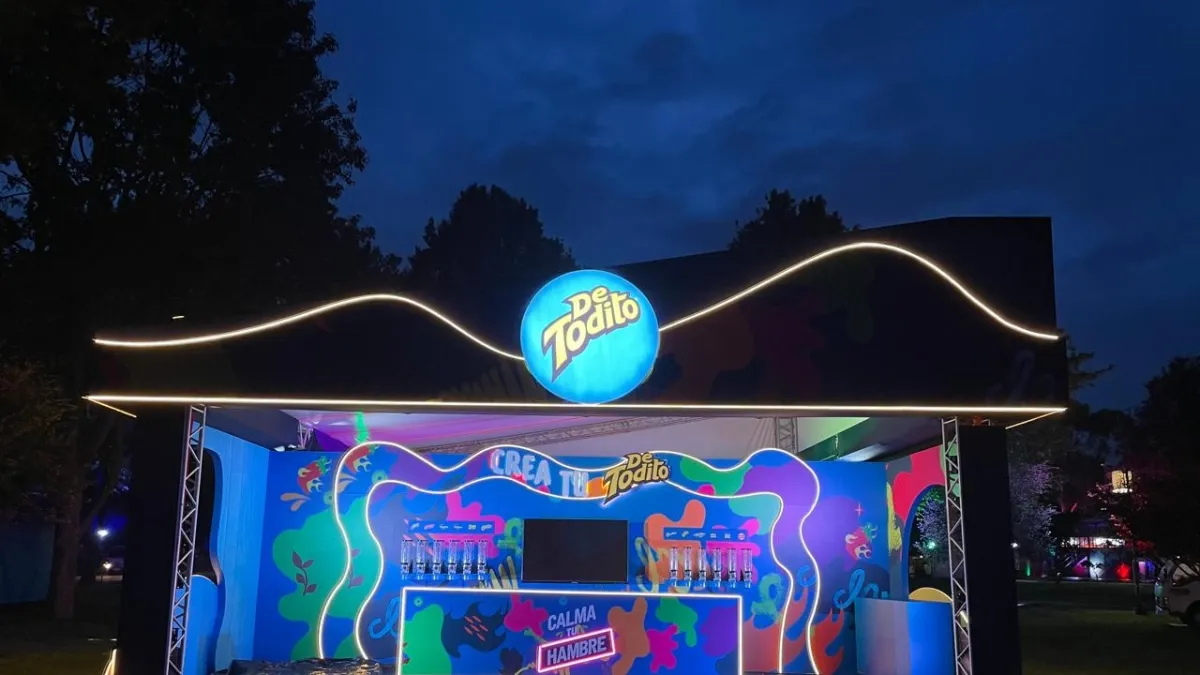
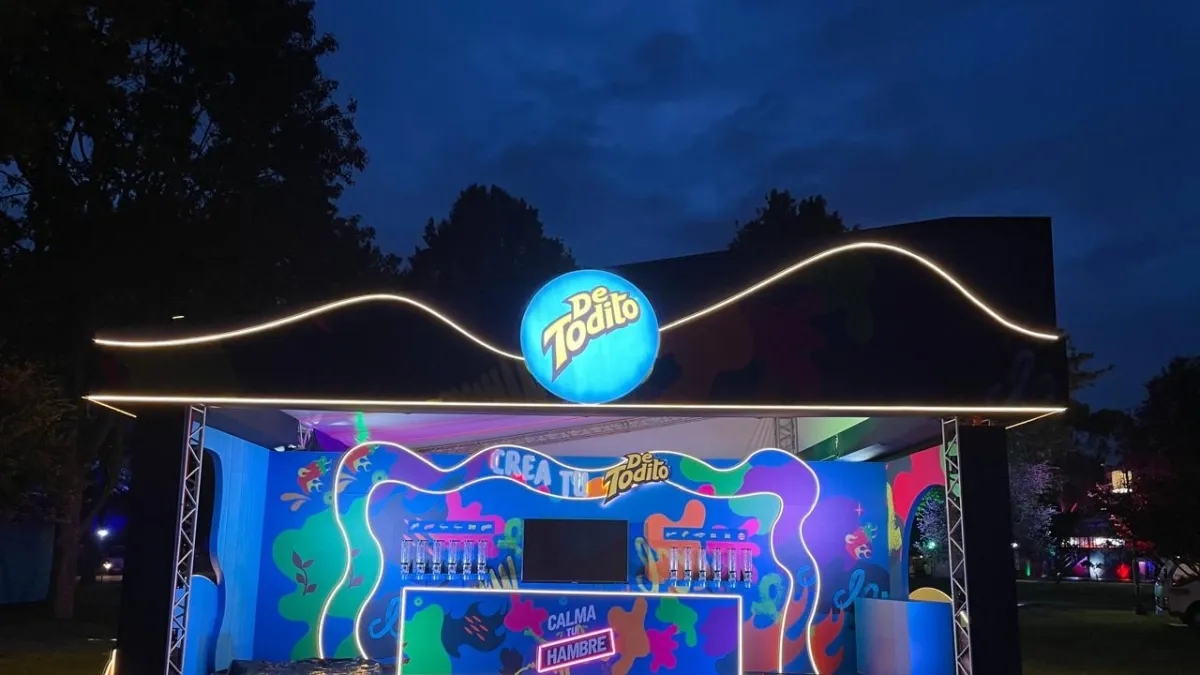
At the heart of this initiative was the "Aldea Sostenible" (Sustainable Village), a space designed to showcase how corporate presence at massive public events can transition from passive marketing to active environmental stewardship.
The Core Innovation: Water Harvesting at Scale
The cornerstone of PepsiCo’s participation at the festival was a high-capacity rainwater harvesting system developed in partnership with Ekomuro H2O+. This installation was not merely a decorative feature; it was a functional engineering project designed to capture and filter precipitation for operational use.

The system is capable of storing up to 750 liters of water at any given time and has a projected collection capacity of 4,000 liters per month. This initiative addresses one of the most critical environmental challenges facing urban centers and major event venues: the efficient management of hydrological resources. By demonstrating that water can be harvested and repurposed within the high-traffic environment of a music festival, PepsiCo and its partners provided a replicable blueprint for sustainable urban infrastructure.
A Legacy Beyond the Festival: The Jaime Duque Donation
One of the most significant aspects of this intervention is its permanence. Recognizing that sustainability initiatives often fail when the event concludes and the stages are dismantled, PepsiCo has committed to donating the entire Ekomuro H2O+ system to the Jaime Duque Park.
This decision ensures that the technology will continue to serve a practical purpose long after the last chord has been struck at the festival. By integrating this system into a permanent public space, the project transforms from a temporary marketing activation into a lasting community asset. This approach signals a departure from the "disposable" nature of event sponsorship, favoring instead a model where the environmental investment provides utility for years, rather than days.
Chronology of Sustainability: From Estéreo Picnic to Cordillera
The success of the 2026 initiative is the result of years of trial and error. PepsiCo’s foray into sustainable event management began in earnest in 2019, during the Festival Estéreo Picnic. That initial experiment served as a testing ground for integrating environmental responsibility into the brand experience.
- 2019: First major pilot program at Festival Estéreo Picnic, focusing on basic waste reduction.
- Post-2019: Expansion of sustainable strategies to other high-profile events, including the Shakira concert tour, which achieved a certified sustainable status through the implementation of rigorous waste and energy protocols facilitated by Páramo Impacta.
- 2026: Implementation of the "circularity" model at Festival Cordillera, featuring advanced water harvesting and the commitment to permanent infrastructure donation.
Throughout this timeline, the company has refined its approach, moving from simple recycling bins to complex, closed-loop systems that prioritize the reuse of physical structures.
Circular Economy: The Gatorlit Experience
While water harvesting formed the backbone of the "Aldea Sostenible," the brand Gatorlit introduced a parallel focus on material circularity. Recognizing the high volume of plastic waste typically generated at festivals, Gatorlit incentivized consumer participation through a reward-based recycling system.

Attendees were encouraged to return their empty bottles to dedicated collection points. These items were not merely discarded; they became the raw material for future community projects. According to Johana Bermúdez, Brand Manager for Gatorlit, the plastic caps collected during the festival are processed and transformed into durable goods, such as playgrounds and furniture for schools and foundations—notably including the foundation led by professional footballer Luis Díaz in La Guajira.
This strategy serves two purposes: it mitigates the environmental impact of single-use plastic and fosters a sense of responsibility among festival-goers. By framing recycling as a prerequisite for exclusive experiences and merchandise, the brand integrates the "circular economy" into the consumer’s emotional journey.

Official Perspectives: Aligning Brand Purpose with Global Priorities
The executive leadership at PepsiCo views these initiatives as a natural evolution of their corporate responsibility mandates. Maria Alejandra Cerón, Communications Manager for PepsiCo Beverages Latam, emphasized that the company’s involvement in sustainability is not a side project, but a core component of its business model.
"In our beverage division, we are hyper-focused on two primary pillars: water stewardship and the optimization of packaging to reduce plastic use," Cerón stated.
She highlighted that the systems showcased at the festival are already active within the company’s own supply chain. For example, at the Agro Storage facility in Funza, Cundinamarca, similar Ekomuro systems are used to capture water for the washing and processing of potatoes. "We have living examples of how this technology works," she noted. "This is not just about showmanship; it is about scaling operational efficiencies that save resources."
The "Reuse" Mandate: Redefining Infrastructure
Perhaps the most practical commitment made by the company is the policy of structural reuse. In an industry where booths and stands are often built from new materials only to be demolished after the event, PepsiCo has adopted a "look and feel" rotation strategy.

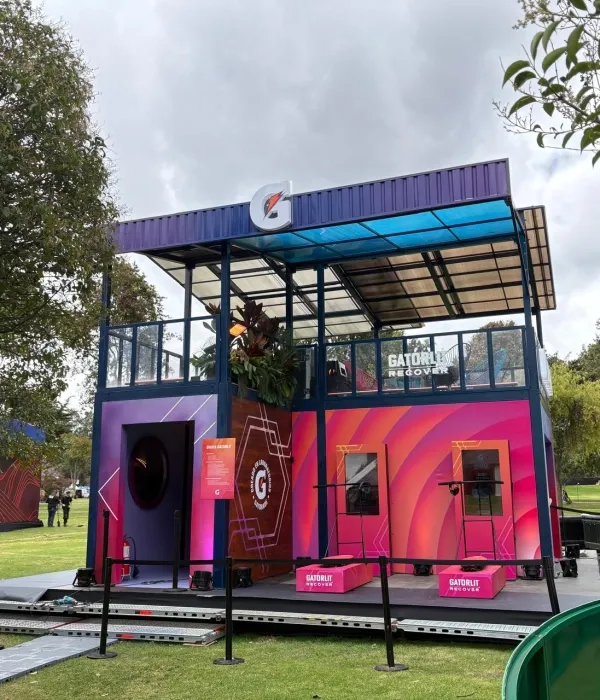
The Gatorlit stand seen at the 2026 Festival Cordillera was the exact same structure used in previous events. Rather than producing new waste, the company modifies the aesthetics of the existing stand to fit the current campaign. This "design for reuse" philosophy is essential for the future of large-scale event production, where the carbon footprint of construction and transport often dwarfs the impact of the event’s daily operations.
Broader Implications: The Future of Environmental Advocacy
The integration of these projects into public life has wider implications for corporate accountability. PepsiCo’s ongoing collaboration with Páramo Impacta—which has included employee volunteer programs focused on the restoration of the Bogotá River basin—demonstrates that the company is attempting to align its public-facing initiatives with its internal environmental targets.

However, the scale of these efforts must be viewed within the context of global environmental challenges. While the collection of 4,000 liters of water per month is a significant achievement for a local community center, the industry at large faces much larger hurdles regarding carbon neutrality and plastic waste reduction.
The significance of the 2026 festival activations lies in the normalization of these practices. By making sustainability a central theme of a major cultural event, the organizers and their partners are signaling to a younger generation that environmental stewardship is a non-negotiable part of social and economic life.

Conclusion: A New Standard for Festivals?
The Festival Cordillera 2026 may be remembered not just for its musical lineup, but for the quiet, effective systems operating in the background. By combining technological innovation (rainwater harvesting), social investment (donations to the Jaime Duque Park), and behavioral economics (plastic recycling incentives), PepsiCo has laid a new foundation for corporate participation in the arts.
As the company looks toward future festivals, the challenge will be to scale these solutions further. If the "Aldea Sostenible" can transition from a pilot project to a mandatory standard for all major events in Latin America, the cumulative impact could be profound. For now, it serves as a powerful reminder that with the right partnerships and a commitment to circularity, even the most resource-intensive industries can find a path toward a more sustainable future.