By Edwin Caicedo, Environmental & Health Correspondent
September 6, 2026
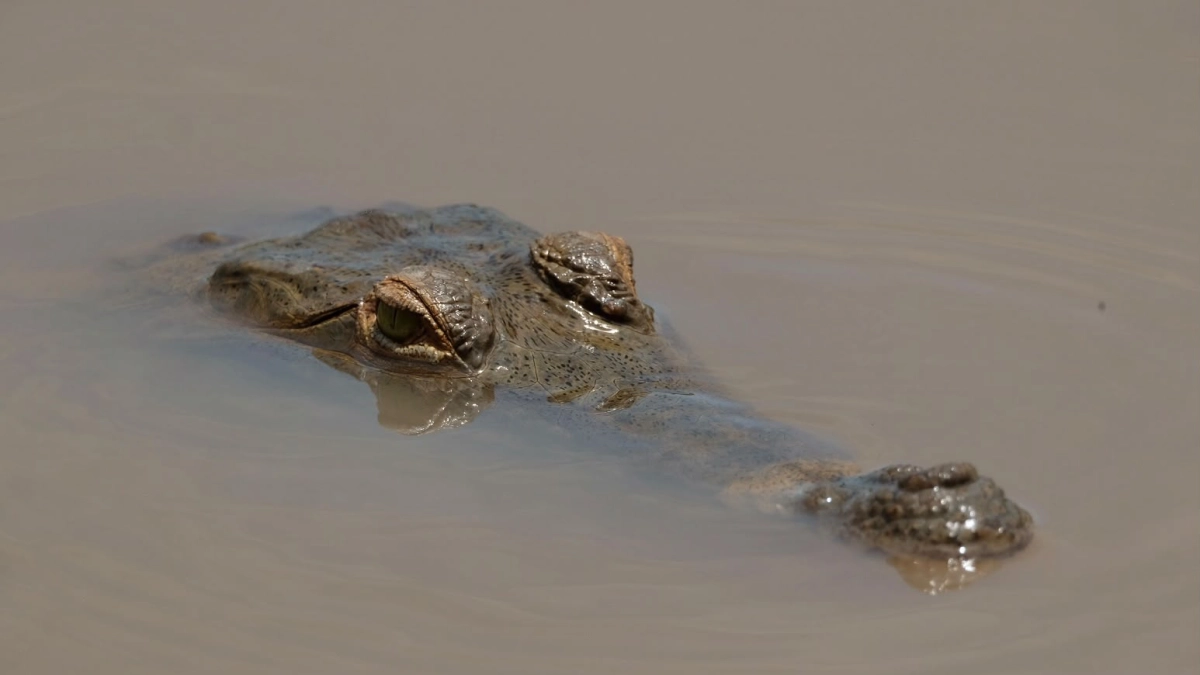
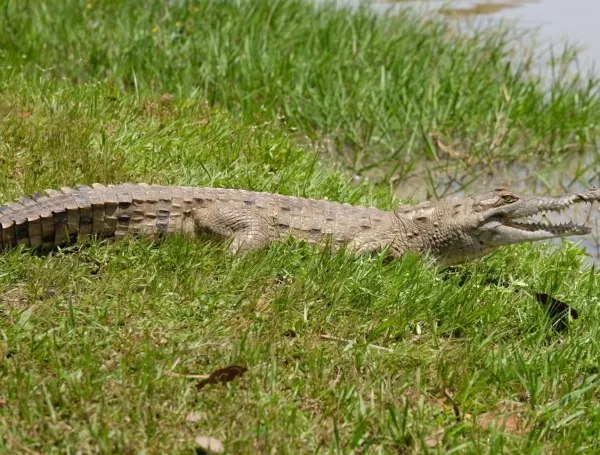
In a significant milestone for South American biodiversity, the Colombian government, in partnership with an expansive coalition of academic institutions, environmental authorities, and non-governmental organizations, has officially restarted the recovery program for the Orinoco crocodile (Crocodylus intermedius). Following a two-year hiatus that began in 2024 due to inter-institutional logistical challenges, the release of 17 specimens at the Wisirare Biopark in Casanare marks the beginning of a renewed, more aggressive strategy to pull this apex predator back from the brink of extinction.
A Legacy of Peril: The State of the Orinoco Crocodile
The Crocodylus intermedius, often referred to as the "Llanero Caiman," is not merely an iconic inhabitant of the Orinoquia region; it is an ecological keystone species currently classified as Critically Endangered and protected under Appendix I of the Convention on International Trade in Endangered Species of Wild Fauna and Flora (CITES).
The species has suffered a catastrophic population decline over the last century. Historically decimated by the commercial hide trade in the mid-20th century, modern survivors face a multifaceted existential threat. These include the widespread degradation of riparian ecosystems, the destruction of critical nesting beaches due to agricultural expansion and mining, accidental entanglement in fishing nets, and the illegal poaching of eggs and juveniles.

The pause in official releases since 2024 served as a sobering reminder of how fragile these conservation efforts remain. While the period between 2010 and 2024 saw a commendable 217 crocodiles successfully reintroduced into the wild, the lack of a unified inter-institutional roadmap for identifying and securing safe, stable reintroduction sites had brought the program to a temporary standstill. The new agreement signed this week aims to rectify these gaps, fostering a collaborative framework that aligns the efforts of the Ministry of Environment with local, national, and international partners.
Chronology: A Path to Recovery
The history of the conservation of the Orinoco crocodile is a complex tapestry of scientific dedication and political willpower.
- 1900s–1970s: The "Great Slaughter." Driven by the global demand for luxury leather, the Orinoco crocodile was hunted to near-oblivion across the basins of Colombia and Venezuela.
- 1990s–2009: Emergence of organized conservation. Initial captive breeding programs began, but lacked the scale and regional integration required to move the needle on wild population growth.
- 2010–2024: The era of the "Procaimán." The launch of the National Program for the Conservation of the Orinoco Crocodile saw the successful release of 217 individuals. This period established the protocols for captive rearing and health monitoring.
- 2024: The suspension. Internal bureaucratic gridlock and disagreements regarding the selection of release sites, coupled with shifting regional governance, forced a suspension of the release program.
- 2026 (September): The "Reset." A new inter-institutional agreement is signed. The release of 17 new specimens marks the transition from simple reintroduction to a comprehensive management strategy focusing on long-term ecological viability.
A Holistic Approach: Beyond Numbers
The fundamental shift in this current iteration of the conservation strategy lies in its metrics. As Minister of Environment Fabio Arjona Hincapié emphasized, the goal is no longer just "the count."
"This release is not a one-off event; it is the culmination of years of persistent labor by the Palmarito Foundation, Corporinoquia, the Government of Casanare, and the local communities," Arjona stated. "We are moving away from the simplistic goal of ‘number of animals released’ to a more robust metric: the survival and reproductive success of these animals in the wild."
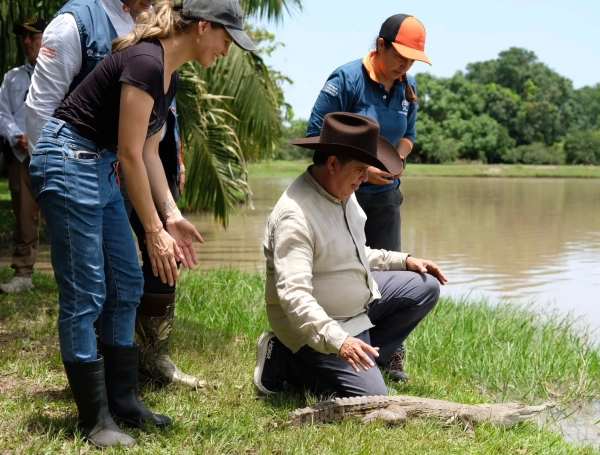
This new philosophy requires that the crocodiles not only survive the initial transition into the rivers and wetlands but also find suitable nesting grounds and demonstrate the ability to sustain themselves without human intervention. This shift in focus is designed to move the species toward a self-sustaining wild population, capable of performing its role as an apex predator, which in turn helps regulate the health of the entire aquatic ecosystem.
The Human Factor: Communities as Guardians
One of the most innovative aspects of the new agreement is the formal integration of the Orinoquia’s local populations. For too long, conservation was viewed as a top-down mandate that often alienated the people living closest to the habitats.
The current strategy prioritizes the "ABC" of environmental policy: Agua (Water), Biodiversidad (Biodiversity), and Comunidades (Communities). By involving local stakeholders, the government aims to create a culture of stewardship. Education programs will be paired with the development of "bio-economy" initiatives. These projects offer communities sustainable income streams that depend on the preservation of the crocodile’s habitat, turning the local population from potential poachers into the primary monitors and defenders of the species.
Official Responses and Collaborative Synergy
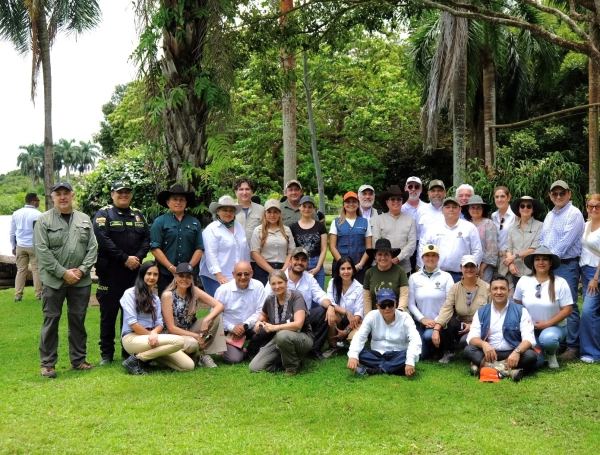
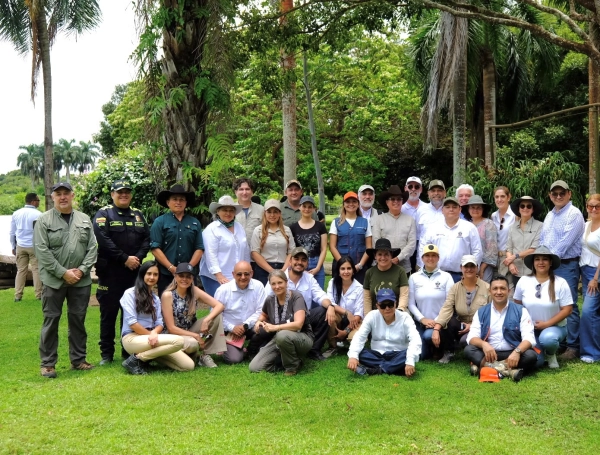
The breadth of the coalition involved in the September 2026 release underscores the importance of this initiative. The effort was bolstered by the logistical support of the Colombian Air Force, while technical and scientific guidance was provided by the Alexander von Humboldt Biological Resources Research Institute and the National University of Colombia.
International support remains a cornerstone of the effort, with groups like the World Wildlife Fund (WWF), the Wildlife Conservation Society (WCS), and The Nature Conservancy (TNC) providing expertise and funding. Additionally, the legislative branch was represented by figures such as Senator Andrea Padilla Villarraga and Representative Arledy Alvarado, signaling that the conservation of the Orinoco crocodile has become a cross-party priority in the national legislative agenda.
"This is the very essence of our environmental policy," Minister Arjona added. "We are working across borders—Colombia and Venezuela share this species—and we are working across sectors. We are saving a symbol of our shared natural heritage."
Global Context and Future Implications
The renewed commitment to the Orinoco crocodile is not an isolated effort. It is intrinsically linked to Colombia’s international obligations under the Kunming-Montreal Global Biodiversity Framework. Specifically, this initiative directly addresses "Target 4," which mandates urgent management actions to halt human-induced extinction and, where possible, recover threatened species.
However, the road ahead remains treacherous. Climate change continues to alter the hydrological cycles of the Orinoco basin, making seasonal floods less predictable and potentially destroying traditional nesting sites. Furthermore, the persistent threat of habitat fragmentation due to agricultural and infrastructure development means that the long-term success of the program will depend as much on land-use policy as it does on biology.
The government’s decision to move toward a more integrated model—combining top-tier scientific monitoring with bottom-up community participation—is a blueprint that other nations in the region are watching closely. If the 17 crocodiles released at the Wisirare Biopark can successfully integrate into the wild, it will provide the empirical data needed to scale up the project across larger swaths of the Colombian Orinoquia.
Conclusion: A Fragile Hope
The release of 17 crocodiles is, in the grand scope of the species’ history, a small step. Yet, it represents a significant psychological and political victory. By breaking the stalemate of the last two years, the Colombian government has signaled that it is willing to prioritize the long-term health of its ecosystems over short-term bureaucratic convenience.

The "Llanero Caiman" has survived for millions of years, navigating the evolutionary pressures of the South American landscape. It now stands as a test of whether modern society can coexist with the remnants of the prehistoric world. With the new agreement now in place, the path toward a stable, wild population of the Orinoco crocodile is, for the first time in a decade, once again open. The success of this effort will depend on the sustained commitment of the coalition, the resilience of the habitat, and the willingness of the human inhabitants of the Orinoquia to protect a creature that is, in every sense, a vital part of their shared identity.