
In the heart of the average Colombian kitchen—and indeed, in households across the globe—the humble egg remains a nutritional cornerstone. It is a versatile, affordable, and nutrient-dense staple. However, a common point of confusion persists among consumers: why do supermarkets display eggs on open, ambient-temperature shelves, while experts insist they must be refrigerated immediately upon arriving home?
This dichotomy often sparks debate among shoppers who worry about the safety of their food. To understand the best practices for egg storage, one must look beyond mere habit and delve into the science of food safety, the physics of condensation, and the recommendations of international health authorities.

The Science of Cold Chains: Why Supermarkets Keep Eggs at Room Temperature
To the average consumer, an unrefrigerated egg at a supermarket might appear to be a lapse in safety standards. However, industry experts and food safety agencies, including the Catalan Agency for Food Safety, explain that this practice is intentional and grounded in the prevention of bacterial contamination.
The primary concern is the "cold chain." If eggs were refrigerated during the entire distribution process, they would inevitably experience a temperature shock once placed in a shopping cart and transported home. This transition from a cold environment to room temperature causes condensation to form on the porous surface of the eggshell.

The eggshell is not an impermeable barrier; it contains thousands of microscopic pores. When moisture collects on the shell due to condensation, it creates a bridge for bacteria—such as Salmonella—to travel from the exterior of the shell into the nutrient-rich interior of the egg. By keeping eggs at a consistent ambient temperature during the retail phase, supermarkets avoid this "sweating" process, thereby maintaining the integrity of the shell’s natural protective coating.
Chronology of Best Practices: From Farm to Table
The lifecycle of an egg is a delicate process that requires careful management to ensure it remains safe for human consumption. Understanding this timeline is essential for the modern consumer:
- Collection and Cleaning: Immediately after laying, eggs are collected. In many countries, they are washed and sanitized to remove dirt and debris. This process removes a thin, protective layer known as the "cuticle." Once the cuticle is removed, the egg becomes more susceptible to bacterial infiltration, which is why subsequent storage is so critical.
- Distribution: Eggs are moved from farms to sorting centers, where they are graded and packed. During this phase, they are kept in controlled, stable environments.
- The Retail Environment: As previously noted, retail displays prioritize temperature stability over constant refrigeration to prevent the aforementioned condensation issues.
- Consumer Acquisition: This is the most critical juncture. Once the consumer purchases the eggs, the clock begins to tick. The transition from the store to the home refrigerator should be as rapid as possible.
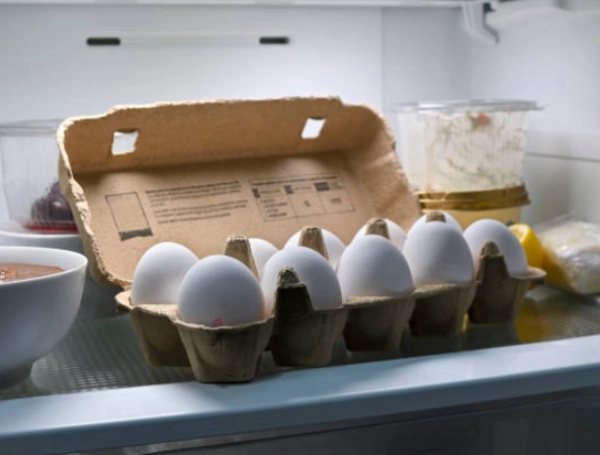
- Home Storage: Once in the home, the refrigerator becomes the new, permanent environment for the eggs until they are ready to be used.
Supporting Data: Why Refrigeration is Essential at Home
The National Federation of Poultry Farmers (Fenavi) in Colombia, along with various international agricultural organizations, provides clear guidance: once the eggs have entered the home, they must be refrigerated.
The benefits of home refrigeration are twofold:

- Preservation of Physical Properties: Refrigeration slows the natural degradation of the proteins in the white (albumen) and the yolk. It helps maintain the viscosity of the white and the structural integrity of the yolk, ensuring that the egg remains "fresh" for longer periods.
- Extension of Shelf Life: Proper refrigeration can extend the viable shelf life of an egg by more than a week. In tropical climates, where ambient temperatures are high, this is not just a recommendation; it is a necessity to prevent the rapid evaporation of the internal water content, which serves as a protective buffer for the yolk.
Furthermore, statistics regarding foodborne illnesses consistently show that the risk of bacterial proliferation increases significantly when eggs are stored above 20°C (68°F). By maintaining a steady temperature below 4°C (40°F), the growth rate of pathogens is effectively neutralized.
Official Guidelines: Advice from Health Authorities
Food safety regulators, including the National Institute for Food and Drug Surveillance (Invima), emphasize that safety is a shared responsibility between the producer and the consumer. Their guidelines for the home include:

The "Door" Myth
A common mistake among households is storing eggs in the built-in racks found on the door of the refrigerator. Health experts warn against this. Every time the refrigerator door is opened, the eggs are exposed to a fluctuation in temperature, which, like the transition from the store to the home, can encourage bacterial growth. Eggs should always be stored on an internal shelf, preferably toward the back, where the temperature is most consistent.
Handling and Hygiene
Invima emphasizes the importance of hygiene before and during the cooking process:

- Hand Washing: Always wash hands thoroughly with soap and water after handling eggs to prevent cross-contamination.
- Avoid Using the Shell: Do not use the eggshell to separate the yolk from the white, as the exterior of the shell may harbor bacteria.
- Proper Cooking: Ensure that eggs are cooked until both the yolk and the white are firm. Soft-boiled or undercooked eggs carry a higher risk of transmitting foodborne infections.
Implications for the Consumer: Quality and Economic Value
The implications of these storage practices are significant for both the health of the household and the household budget.
Economic Efficiency: By following proper storage techniques—keeping eggs in their original carton, storing them on an internal shelf, and avoiding extreme temperature changes—consumers can reduce food waste. Purchasing only the quantity of eggs that the household can reasonably consume within a week or two ensures that the eggs remain fresh and minimizes the risk of having to discard spoiled food.

Quality Assurance: When selecting eggs at the store, consumers are encouraged to inspect them carefully. Avoid purchasing any eggs that have visible cracks or damage to the shell. A cracked shell is an open door for bacteria, and no amount of refrigeration can rectify the safety risks posed by a compromised egg. Additionally, pay close attention to expiration dates printed on the packaging, even if the eggs have been properly refrigerated.
Conclusion
The apparent contradiction between how supermarkets store eggs and how we are instructed to store them at home is, in fact, a carefully orchestrated strategy to preserve food safety. By understanding the science behind the "cold chain" and the risks of condensation, consumers can make informed decisions that protect their families.

Ultimately, the goal of these guidelines is to ensure that the nutritional benefits of the egg—a high-quality source of protein, vitamins, and minerals—can be enjoyed without the unnecessary risks associated with improper handling. Remember: keep them cool, keep them inside the fridge (not the door), and always prioritize hygiene when preparing your meals. By adhering to these simple yet scientifically backed steps, you can ensure that the eggs in your kitchen remain a safe and healthy staple for every member of your household.