By Cultural Desk | Updated: September 20, 2026
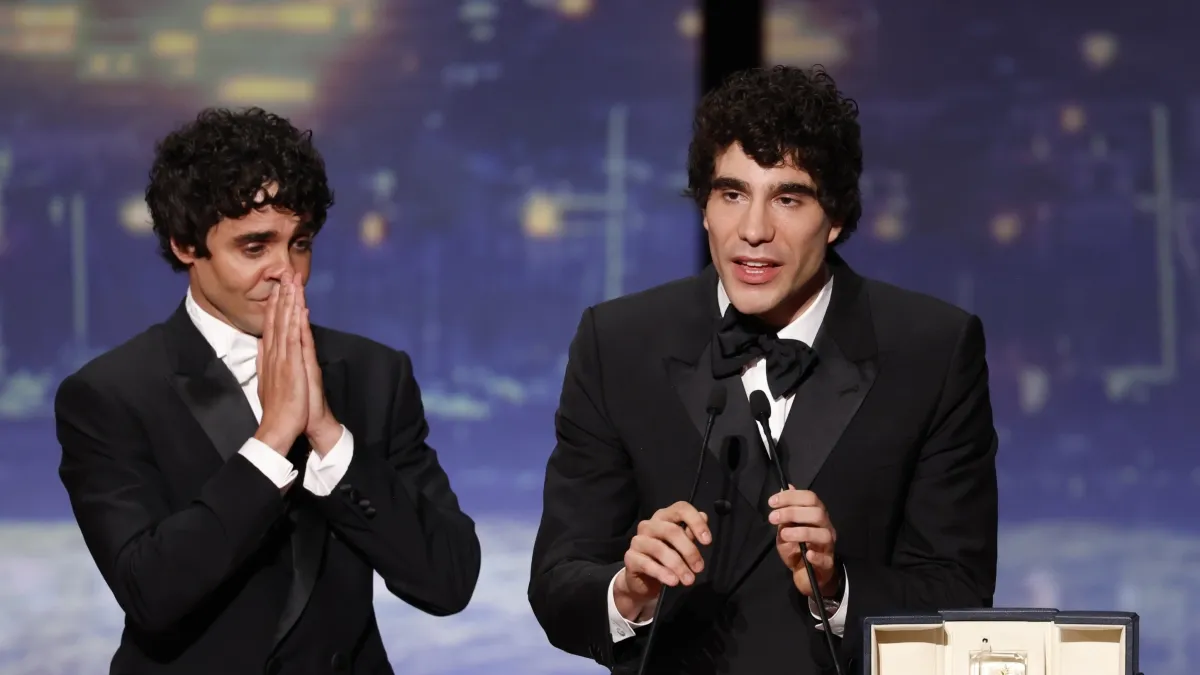
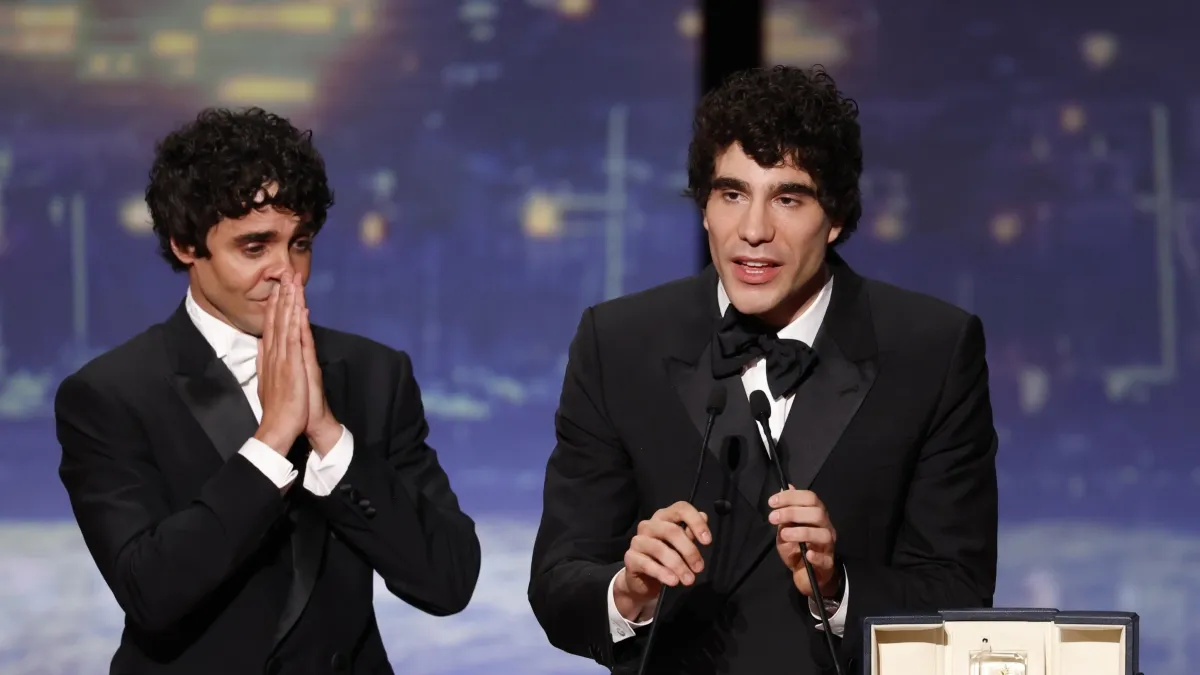
The 51st edition of the Toronto International Film Festival (TIFF) concluded this Sunday, September 20, 2026, leaving an indelible mark on the global cinematic landscape. As the curtains fell on this year’s festivities, the festival solidified its reputation as the ultimate launchpad for the awards season, unveiling a diverse and politically resonant list of winners. Among the standout victors were the Spanish drama La bola negra, directed by the visionary duo Javier Calvo and Javier Ambrossi, and the Indian revelation Angh, helmed by Theja Rio.
This year’s edition, which showcased 294 films from 72 countries, was characterized by a profound focus on human resilience and the power of storytelling to bridge geopolitical divides.
The Big Winners: A Global Stage for Bold Visions
‘La bola negra’ Captures the Public’s Heart
The most coveted accolade at the TIFF, the People’s Choice Award, was bestowed upon the Spanish production La bola negra. The film, an intimate and visceral exploration of the queer experience set against the backdrop of Spain’s complex historical evolution, resonated deeply with Toronto audiences.
Beyond its critical and popular success in Canada, the film’s victory carries massive weight for its future trajectory. It has been officially confirmed that La bola negra will represent Spain in the upcoming Academy Awards, positioning it as a frontrunner in the international film category. The win marks a significant milestone for Calvo and Ambrossi, whose signature style—blending raw emotion with high-concept aesthetics—has finally reached the pinnacle of global film festival recognition.
‘Angh’ and the New Standard for Platform Prizes
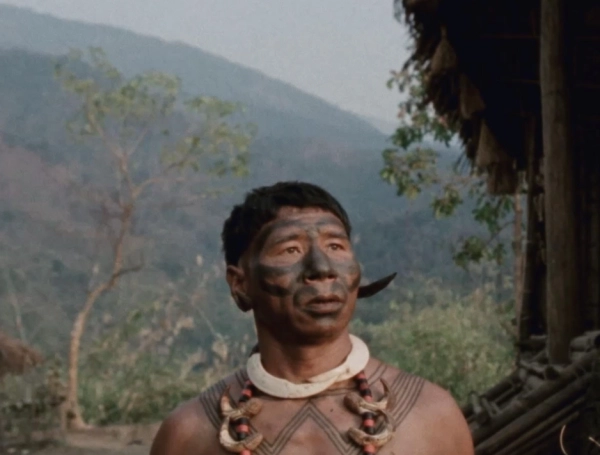
If La bola negra won the hearts of the public, the Indian film Angh commanded the respect of the critics. Awarded the prestigious Platform Prize—the festival’s main juried award—Angh has set a new benchmark for excellence.

Under the leadership of jury president and renowned Argentine filmmaker Pablo Trapero, the jury lauded the film for its "refreshing perspective, the strength of its realization, and its deeply resonant portrait of a world often ignored by mainstream cinema." The jury specifically highlighted the "vision, audacity, and bravery" of director Theja Rio.
This year’s Platform Prize carries added significance. In a strategic shift, TIFF has integrated the award into the official path for the Oscars. For the first time, winners of the Platform Prize (when the work is in a non-English language) receive direct access to the qualifying process for the Academy Award for Best International Feature Film, aligning TIFF with the world’s most influential festival circuits.
Chronology of a Festival Defined by Diversity
The 2026 edition was a logistical and creative feat. Spanning eleven days, the festival hosted over 800 international guests across 98 red carpet events. From the opening gala to the closing night, the narrative threads of the festival moved from high-octane industry buzz to quiet, introspective storytelling.

- September 10: Opening night festivities marked the start of the 51st edition, with a record turnout of industry professionals.
- September 12–15: Mid-festival, the focus shifted to the "Platform" section, where Angh began to generate significant "word-of-mouth" buzz, eventually positioning it as the favorite for the top jury prize.
- September 18: The FIPRESCI (International Federation of Film Critics) jury announced its winner, further diversifying the distribution of awards.
- September 20: The closing ceremony confirmed the final results, cementing the festival’s legacy for this year and looking forward to the 2027 edition, scheduled for September 9–19.
Supporting Data: A Landscape of Global Cinema
The 51st TIFF was not merely a competition; it was a comprehensive survey of global film trends. With nearly 300 films screened, the festival maintained its status as the most important North American film event.
| Category | Winner | Director |
|---|---|---|
| People’s Choice (International) | La bola negra | Javier Calvo & Javier Ambrossi |
| Platform Prize | Angh | Theja Rio |
| FIPRESCI Prize | Ancestors | David Turpin |
| NETPAC Award | Thirteen in Gaza | Hosam Abu Dan |
| Canadian Discovery Award | Smudge the Blades | Cody Lightning |
| Best Canadian Feature | Sunburn | Serville Poblete |
The inclusion of films from 72 nations reflects the festival’s ongoing commitment to "de-centering" Hollywood, inviting audiences to engage with perspectives from emerging cinematic hubs in India, the Middle East, and beyond.
Official Responses: Voices from the Edge
Perhaps the most poignant moment of the closing ceremony was the acknowledgment of filmmakers working in zones of conflict. The NETPAC award, which honors the best in Asian and Pacific cinema, went to Thirteen in Gaza, directed by Hosam Abu Dan.
The jury noted that the film avoids the pitfalls of turning suffering into a spectacle, opting instead to portray the complexities of daily life under duress. In a message sent from Gaza, Abu Dan expressed the profound importance of this recognition: "It is a great honor. This award signifies that the voice of Gaza has traveled beyond the borders of our reality, allowing us to share a human story with the world."
Similarly, Theja Rio, upon receiving the Platform Prize, offered a humble reflection on his roots. "I come from a small town in the northeast of India," Rio stated. "To have a film that comes from an indigenous region and speaks in a tribal language receive this visibility is a dream come true for my people, where such dreams are rarely realized."
Implications: The Road to the Oscars and Beyond
The results of the 51st TIFF have immediate implications for the upcoming awards season. The "TIFF-to-Oscar" pipeline is more robust than ever, particularly with the new classification rules for the Platform Prize.

The Spanish Contender
By securing the People’s Choice Award, La bola negra has essentially guaranteed itself a strong campaign presence in Los Angeles. History shows that winners of this award often secure nominations in major categories, particularly Best Picture or Best International Feature. The "queer drama" genre, when handled with the narrative complexity shown by Calvo and Ambrossi, has historically performed well with the Academy’s voting body.
A New Era for Independent Voices
The recognition of Thirteen in Gaza and the mention of The Black Box is Orange (directed by Yuula Benivolski) regarding the systematic erasure of Palestinian history, signals that TIFF remains a bastion for political and social discourse. The festival has successfully positioned itself not just as a market for distribution, but as a platform for historical record-keeping through cinema.
The Canadian Domestic Market
The success of Smudge the Blades and Sunburn highlights a thriving domestic industry in Canada. By fostering a strong Canadian Discovery Award, TIFF continues to nurture local talent, ensuring that Canadian filmmakers are not overshadowed by the influx of international blockbusters.

Conclusion: Looking Ahead to 2027
As the industry packs its bags and prepares for the next leg of the film festival circuit—heading toward the BFI London Film Festival and eventually the Academy Awards—the 51st TIFF stands as a testament to the endurance of cinema.
The festival proved that even in an era of digital saturation, the communal experience of the theater remains vital. From the lush, tribal narratives of India to the hard-hitting, urgent realities of Gaza and the vibrant, queer-focused storytelling of Spain, the 2026 TIFF was a mirror of a complex, interconnected world.
Organizers have already begun the gargantuan task of curating the 2027 festival. If this year’s success is any indicator, the bar has been set exceptionally high. As we look forward to next September, the global film community remains united by the belief that, no matter the political or social climate, there will always be a story worth telling, and a screen waiting to show it.