By Global News Desk
Updated: September 27, 2026
Main Facts
A powerful and slow-moving autumn storm battered the northeastern United States on Saturday, September 26, 2026, triggering severe coastal flooding, torrential downpours, hurricane-force wind gusts, and massive storm surges. Coinciding with high tides amplified by a full moon, the ferocious weather system placed millions of residents under urgent meteorological alerts stretching from North Carolina all the way to Massachusetts.
The destructive storm system—driven by a robust area of low pressure churning off the coasts of the Mid-Atlantic and southern New England—wreaked havoc across multiple states. It resulted in historic sea-level rises in parts of New Jersey reminiscent of Superstorm Sandy, paralyzed air and road travel, caused extensive property damage, left tens of thousands without power, and tragically claimed at least one life in Brooklyn, New York.
Emergency management agencies across the affected corridor urged residents in vulnerable, low-lying coastal areas and basement apartments to evacuate or seek higher ground immediately, as the fierce combination of high winds and rising water made travel perilous.
Chronology of Events
Friday, September 25: Pre-Storm Warnings and Initial Escalation
As meteorological models began mapping the trajectory of the intensifying low-pressure system, state and local authorities across the Mid-Atlantic and Northeast issued early weekend storm warnings. Forecasters from the National Weather Service (NWS) warned that the combination of prolonged onshore winds, heavy rains, and a spring tide cycle driven by the full moon would create life-threatening coastal inundations. Citizens were urged to secure outdoor property and finalize preparations ahead of the impending deluge.
Saturday, September 26, Morning: The Storm Makes Its Presence Felt
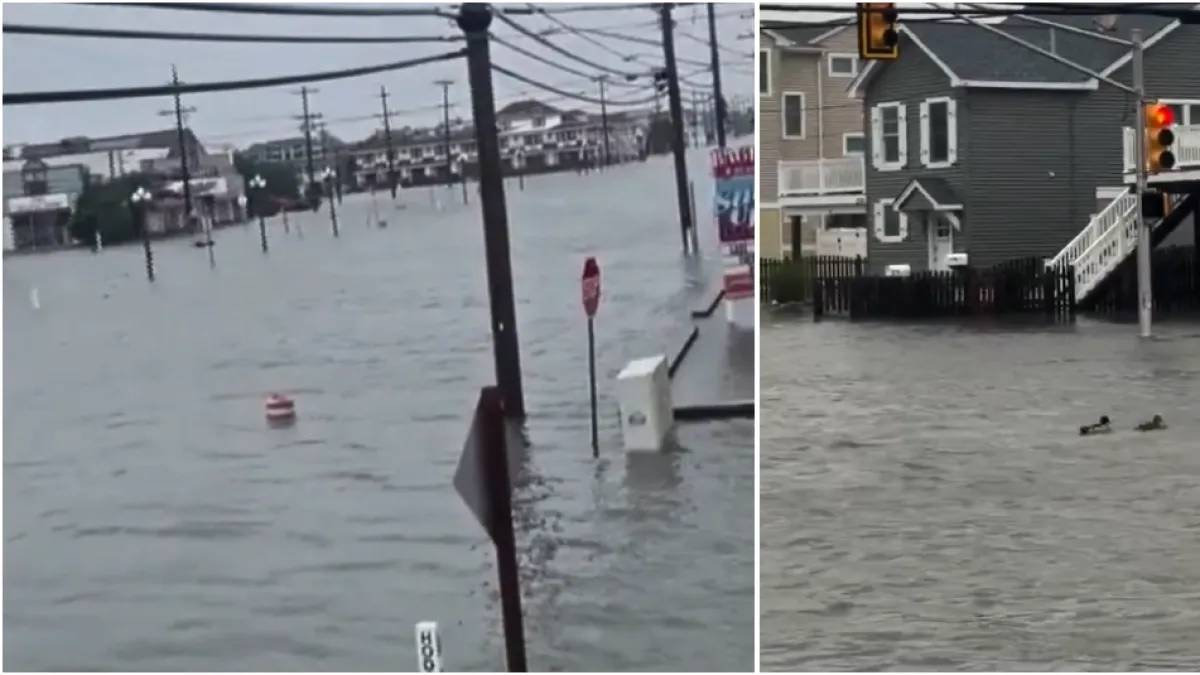
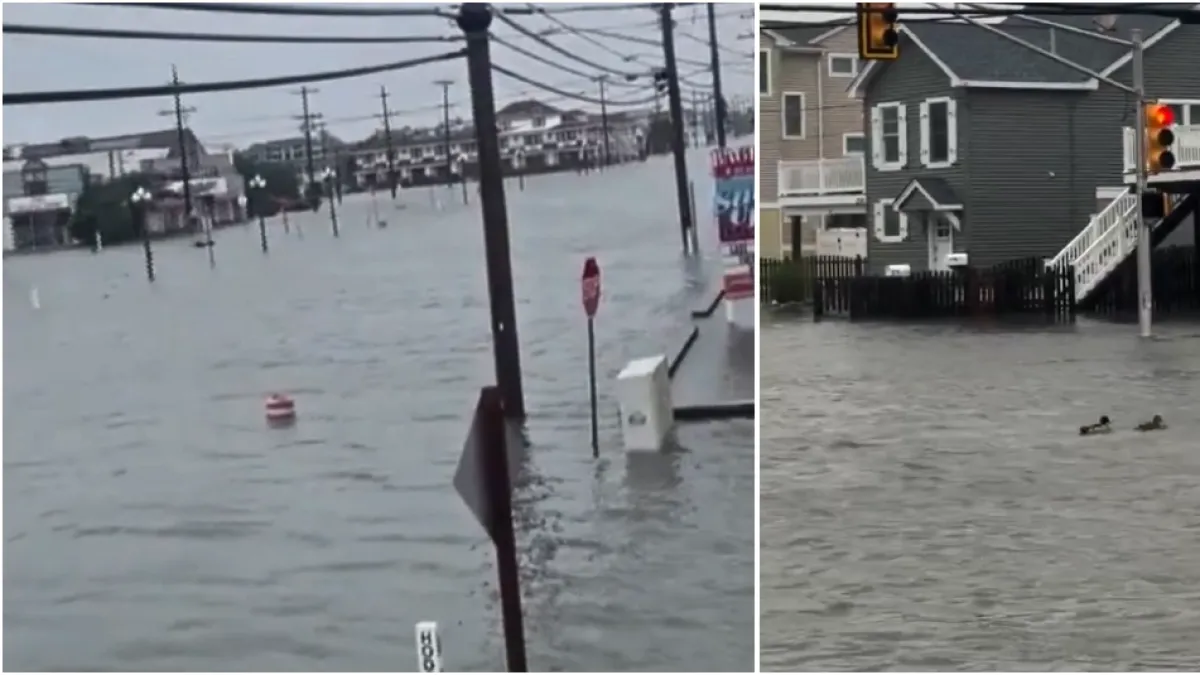
By Saturday morning, the storm’s outer bands reached the coast, bringing moderate to heavy rainfall and escalating wind gusts. In Atlantic City, New Jersey, the situation deteriorated rapidly as coastal waters surged, recording a sea-level rise that rivaled the catastrophic benchmarks set by Superstorm Sandy in 2012. Streets in beachside communities, such as Beach Haven, were completely submerged, cutting off access to several neighborhoods. Further north, in New York City, rising waters began to breach the Hudson River walkways in Manhattan, while high winds battered the five boroughs.

Saturday, September 26, Afternoon and Evening: Peak Intensity and Tragedy
Throughout the afternoon, the storm intensified as high tide cycles arrived, pushing water deep into coastal and riverfront municipalities. Emergency services in New York City were overwhelmed, logging hundreds of calls regarding downed trees, electrical hazards, and flooded roadways.
Tragedy struck in Brooklyn during the height of the storm when a 56-year-old male employee of the city’s public housing agency was killed in a parking lot by a falling tree. As night fell, wind gusts continued to strengthen, whipping through the urban canyons and coastal towns alike, while saturated soils caused thousands of trees and large branches to snap across the region.
Sunday, September 27, Early Hours: Continued Threat and Recovery Efforts
Even as the primary low-pressure center began its slow evolution, residual warnings remained in effect. The NWS cautioned that heavy surf, beach erosion, and strong rip currents would persist through Monday, September 28, from the Carolinas up to southern New England. Municipal crews worked through the night to clear debris, restore downed power lines, and pump water out of flooded subway stations, basements, and thoroughfares.
Supporting Data and Meteorological Impact
The scale of the meteorological event was exceptionally broad, impacting densely populated corridors with severe environmental force. According to data compiled by federal and municipal agencies, the scope of the impact included:
- Tidal Surges: Atlantic City, New Jersey, experienced a historic surge, with water levels reaching benchmarks not seen since October 2012. Several shore communities reported water breaching dunes and flooding interior streets by multiple feet.
- Tree and Structural Damage: In New York City alone, emergency dispatchers received approximately 640 reports of fallen or severely damaged trees, which crushed vehicles, blocked roadways, and downed power lines.
- Aviation Disruption: Flight tracking data via FlightAware revealed immense disruptions across regional airports. On Saturday alone, approximately 2,700 flights were delayed and 400 were canceled nationwide, with Boston Logan International Airport bearing the brunt of the disruptions in both metrics.
- Power Outages: By Saturday night, utility tracking networks reported that roughly 80,000 homes and businesses across the Northeast were left without electricity. This included approximately 30,000 customers in the New York metropolitan area alone, as heavy winds and falling limbs compromised distribution grids.
Official Responses and Emergency Measures
In response to the escalating crisis, local, state, and federal agencies mobilized comprehensive emergency protocols.
The National Weather Service issued continuous, high-priority statements urging citizens to heed evacuation warnings. "Prepare immediately for significant flooding in low-lying areas near the coast, including flooded roadways and impacts to homes and businesses," the NWS stated in an advisory bulletin.

In New York City, the Emergency Management Department enacted rigorous outreach initiatives. Authorities specifically targeted residents living in subterranean basement apartments—historically vulnerable zones during flash-flood events—strongly advising them to relocate to upper floors. City officials also imposed stringent travel advisories, imploring the public to stay off roads to allow emergency responders clear access to accident scenes, flooded zones, and areas affected by downed timber.
Governors and mayors across New Jersey, New York, and surrounding states declared heightened states of alert, mobilizing National Guard units and sanitation crews to assist with debris clearing, traffic control, and pumping operations in inundated sectors. Public transit agencies deployed additional maintenance crews to monitor subway grates, coastal rail lines, and commuter corridors.
Implications and Broader Context
This late-September storm carries significant long-term implications for emergency preparedness, infrastructure resilience, and coastal management along the United States Eastern Seaboard.

Infrastructure Vulnerability
The severity of the flooding in regions like Atlantic City and coastal New Jersey underscores the ongoing vulnerability of mid-Atlantic infrastructure to compound coastal events. The fact that water levels approached those of Superstorm Sandy—despite this system lacking tropical cyclone status—highlights how severe extratropical storms combined with astronomical high tides can produce catastrophic results. Cities are increasingly forced to re-evaluate sea-wall heights, drainage capacities, and zoning laws in flood-prone areas.
Climate and Coastal Resilience
As climate patterns continue to shift, storms interacting with rising sea levels are becoming more frequent and impactful. Municipalities are facing mounting financial and logistical pressures to invest in multi-million-dollar coastal adaptation projects, beach nourishment programs, and elevated utilities. The high volume of localized blackouts also points to the urgent need for underground grid hardening, as overhead power lines remain highly susceptible to wind damage from seasonal gales.
Socioeconomic and Psychological Toll
Beyond the physical destruction of property and infrastructure, events of this magnitude disrupt regional commerce, supply chains, and public safety. The tragic loss of life in Brooklyn serves as a sobering reminder of the lethal hazards posed by falling trees during severe windstorms. For millions of residents, repeated exposure to severe weather alerts fosters a climate anxiety that demands more robust community support networks, improved early-warning communication, and equitable protection for marginalized populations residing in high-risk or substandard housing.

As recovery operations press forward into the coming week, municipal authorities will shift their focus from immediate emergency response to damage assessment, infrastructure repair, and long-term mitigation planning to better withstand the next inevitable coastal assault.