
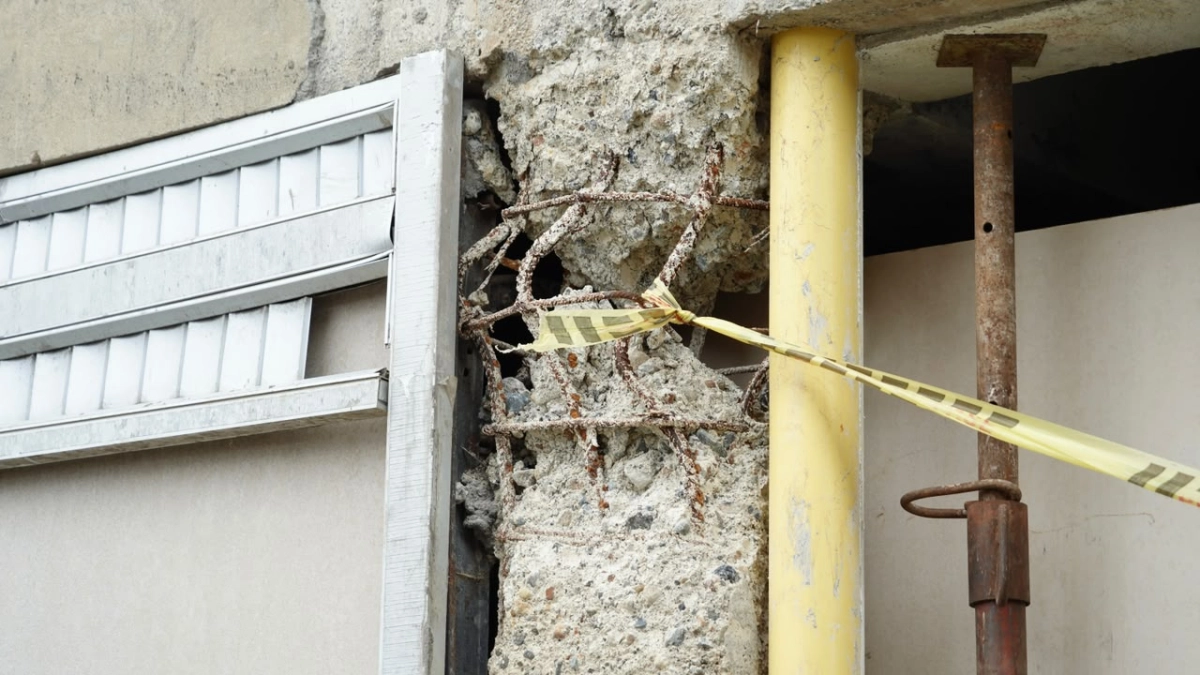
In the immediate aftermath of a significant seismic event, the sight of a crack running along a wall can trigger immediate panic or, conversely, a dangerous sense of denial. For many, the instinct is to reach for the putty knife, grab a bucket of paint, and erase the visual reminder of the disaster. However, structural engineers and safety experts are issuing a stern warning: covering, patching, or repainting a fissure before determining its root cause is one of the most dangerous mistakes a property owner can make.
This guidance has gained critical importance following the devastating magnitude 7.4 earthquake that struck Colombia on August 10, 2026, with its epicenter in San José del Palmar, Chocó. As the nation grapples with the aftermath and ongoing aftershocks, the structural integrity of thousands of buildings remains in question.
The Magnitude of the Crisis: A Chronology of Destruction
The seismic event that shook Colombia in August 2026 left a trail of destruction that will require years to remediate. The tremors were not isolated to the epicenter; they sent shockwaves through multiple regions, testing the resilience of infrastructure across the country.
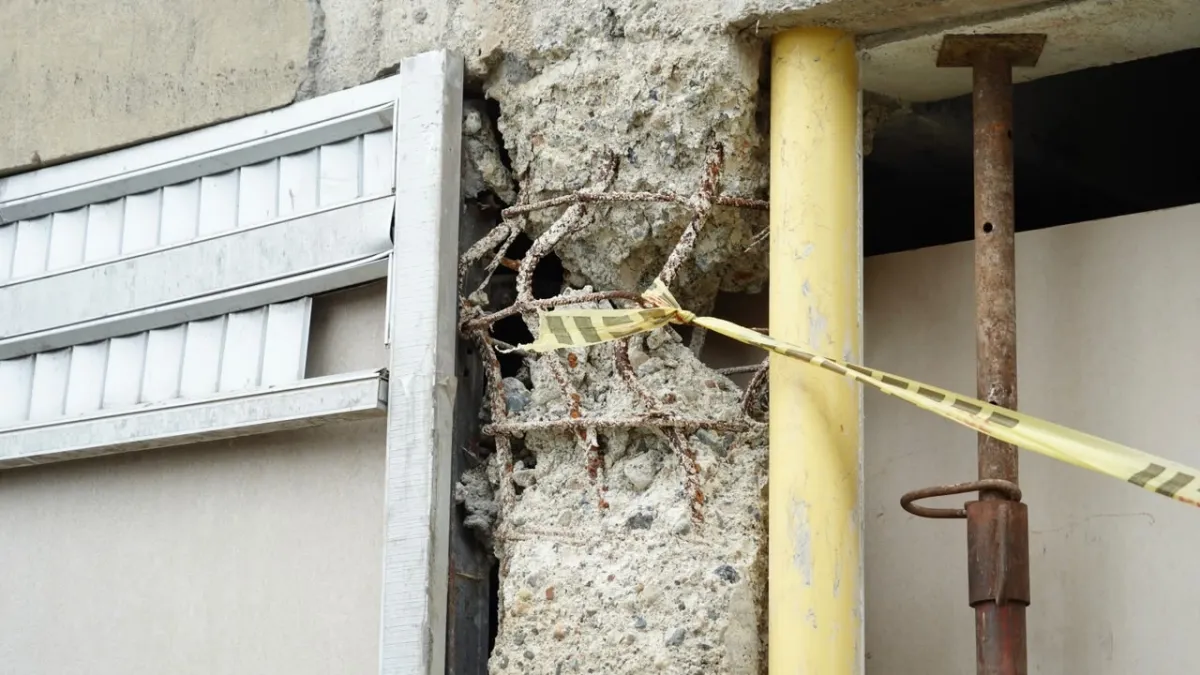
- August 10, 2026: The primary 7.4 magnitude earthquake strikes San José del Palmar, Chocó. The initial jolt causes widespread structural failure in both urban centers and rural municipalities.
- August 11–20, 2026: A series of powerful aftershocks continue to weaken structures already compromised by the main event. Emergency services focus on search and rescue operations.
- Early September 2026: The focus shifts from emergency rescue to damage assessment. The government and engineering firms begin the monumental task of surveying over 486,000 affected individuals and thousands of damaged public and private buildings.
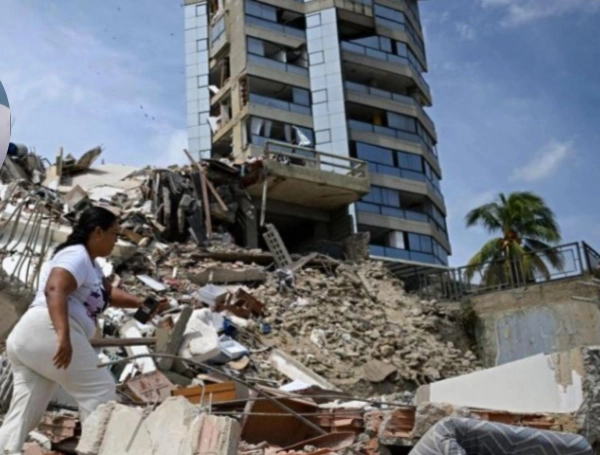
- September 15, 2026 (The Current Status): Official figures confirm a tragic toll: 335 deaths, 4,516 injuries, and 105 people still reported missing. Over 300,000 families have been displaced or lost their homes, with 758 buildings confirmed as total collapses and 4,316 educational facilities reporting significant structural damage.
The scale of this disaster serves as a sobering reminder that a building’s appearance—whether it looks "solid" or not—can be deceiving. In the wake of such volatility, the evaluation of every residential, commercial, and educational property is not merely a bureaucratic requirement; it is a fundamental act of life-saving prevention.
Expert Insight: Why Surface Repairs Hide Fatal Flaws
Luis Manuel Rincón, head of Security and Emergency Management at Colliers Colombia, emphasizes that not all fissures are created equal. The most common error, according to Rincón, is the "cosmetic fix."
"When you patch a crack without understanding why it appeared, you are effectively silencing the building’s warning system," Rincón explains. "A fissure is a symptom. If you treat the symptom by covering it up, you remain ignorant of the disease—the potential structural failure—that could lead to a catastrophic collapse during an aftershock."

The expert recommendation is simple: Observe, document, and consult. Before picking up a trowel, owners should monitor whether the fissure is expanding, changing shape, or penetrating the depth of the wall.
Identifying Critical Warning Signs
A visual inspection is the first line of defense for any property owner. While the presence of a crack does not automatically indicate an imminent collapse, it is a definitive sign that a professional evaluation is required. Here are the five critical signals that demand immediate expert attention:
1. Progressive Expansion
If a crack is "active"—meaning it widens, lengthens, or changes its geometry over the days following a tremor—it indicates that the building is still experiencing stress or settlement. Documenting this with dated photographs is essential for engineers to understand the rate of structural degradation.
2. Deep or Through-Wall Fissures
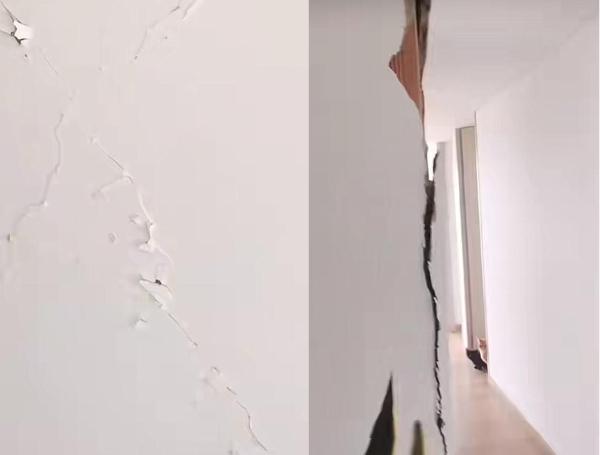
Cracks that allow you to see the interior material of the wall, or that appear in identical patterns on both sides of a partition, suggest that the damage is not merely superficial plaster cracking. Diagonal, "stepped" patterns in masonry are particularly concerning as they often indicate shear stress, a common byproduct of seismic loading.
3. Deformations and Structural Shifts
Walls should remain plumb and level. Any observable "belly" (abombamiento), bowing, or vertical displacement indicates that the internal framework of the building has shifted. In many cases, these deformations are subtle and best observed in areas with fewer finishes, such as stairwells or basement utility rooms.
4. Mechanical Interference: The "Sticky Door" Syndrome
Perhaps the most overlooked sign is the failure of doors and windows to operate correctly. If a door that once closed smoothly now binds against the frame, or a window becomes impossible to slide, this is a clear indicator that the building’s frame has been racked or distorted by the seismic movement.
5. Primary Structural Element Damage
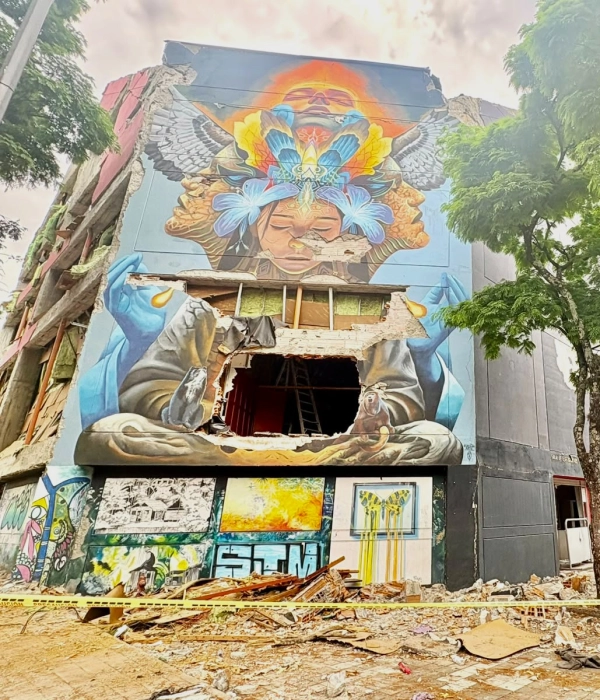
Any damage to load-bearing components—columns, beams, or the connections between them—is an emergency. Furthermore, secondary elements like heavy facade cladding, large glass panels, or suspended ceilings that show signs of detachment present an immediate life-safety risk to occupants.
Beyond the Walls: The Hidden Hazards
The damage caused by an earthquake is rarely confined to the walls. Colliers emphasizes that property owners must extend their inspection to the "veins and arteries" of the building: the utility networks.
Seismic waves can cause internal fractures in plumbing, electrical conduits, and gas lines that are not immediately visible. These invisible leaks can lead to long-term issues like mold growth, electrical fires, or gas explosions weeks after the initial tremor. If you smell gas or notice unexplained dampness on walls, evacuate and contact utility providers immediately.
The Role of the Structural Engineer
A common misconception is that a general inspection by a contractor or a handy-person is sufficient. However, for buildings subjected to major seismic events, a structural engineer is the only professional qualified to issue a diagnostic.
"We do not want people to live in a state of constant, paralyzing fear where they evacuate for every minor hair-line crack," says Rincón. "However, there is a middle ground between panic and negligence: the diagnostic. A structural engineer will use tools and methodology to determine if the building’s load-bearing capacity has been compromised."
In professional circles, this is often handled through a Technical Due Diligence (TDD) process. This comprehensive audit evaluates not just the cracks, but the integrity of the foundation, the state of the structural steel or concrete, and the compliance of the building with current seismic codes.

Conclusion: Prevention Through Transparency
As Colombia continues its recovery, the message to homeowners and property managers is clear: transparency is safety. By refusing to mask the scars left by the earthquake, property owners provide engineers with the data necessary to save lives.
Repairs should only begin once a comprehensive assessment has been completed, a repair plan has been approved by a qualified engineer, and the structural integrity of the property has been verified. In the world of structural safety, the most expensive repair is the one that was done prematurely, and the most dangerous action is the one that hides the truth.
In the coming months, as the nation moves toward reconstruction, the focus must remain on long-term safety. Whether it is a school in Chocó or an office building in the city, the rule remains: Don’t paint over the problem. Understand the structure, ensure its stability, and build back better.