
By Pedro A. Sánchez, Editorial Staff
Updated: September 9, 2026, 16:23
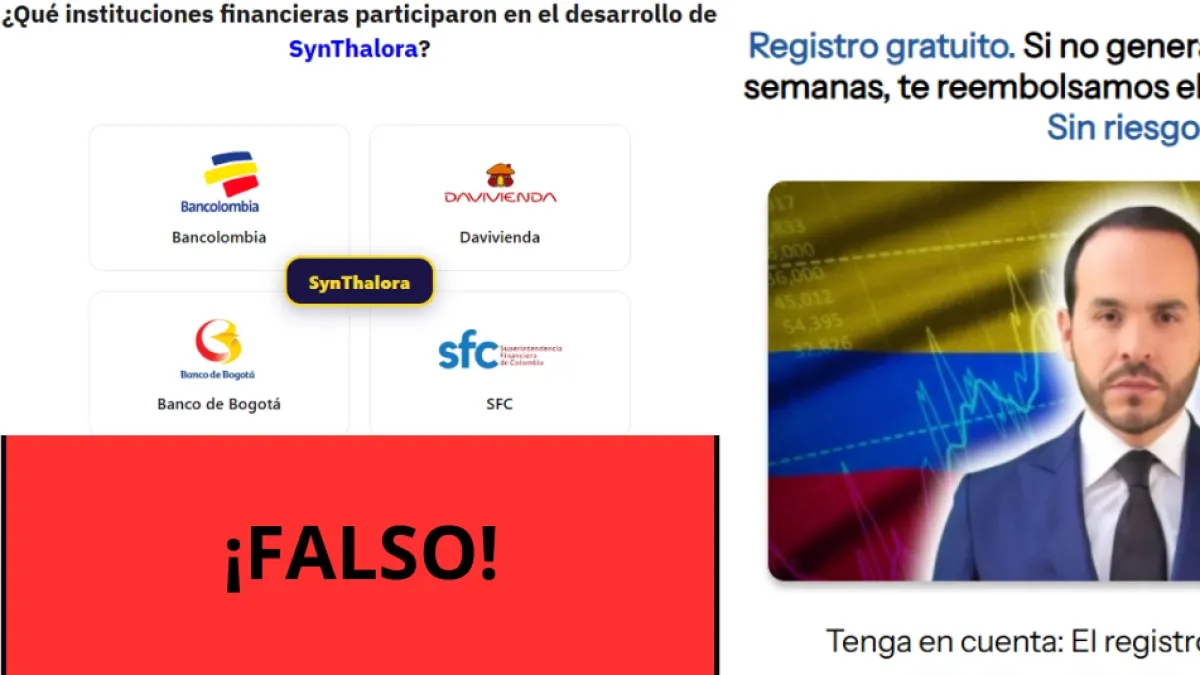
In an era where digital information is ubiquitous, the line between legitimate journalism and malicious fabrication is increasingly blurred by sophisticated cybercriminals. In the last 48 hours, a predatory online scam has surfaced, aggressively targeting unsuspecting internet users by misappropriating the brand identity of EL TIEMPO and the public image of prominent Colombian figure, Abelardo De La Espriella.
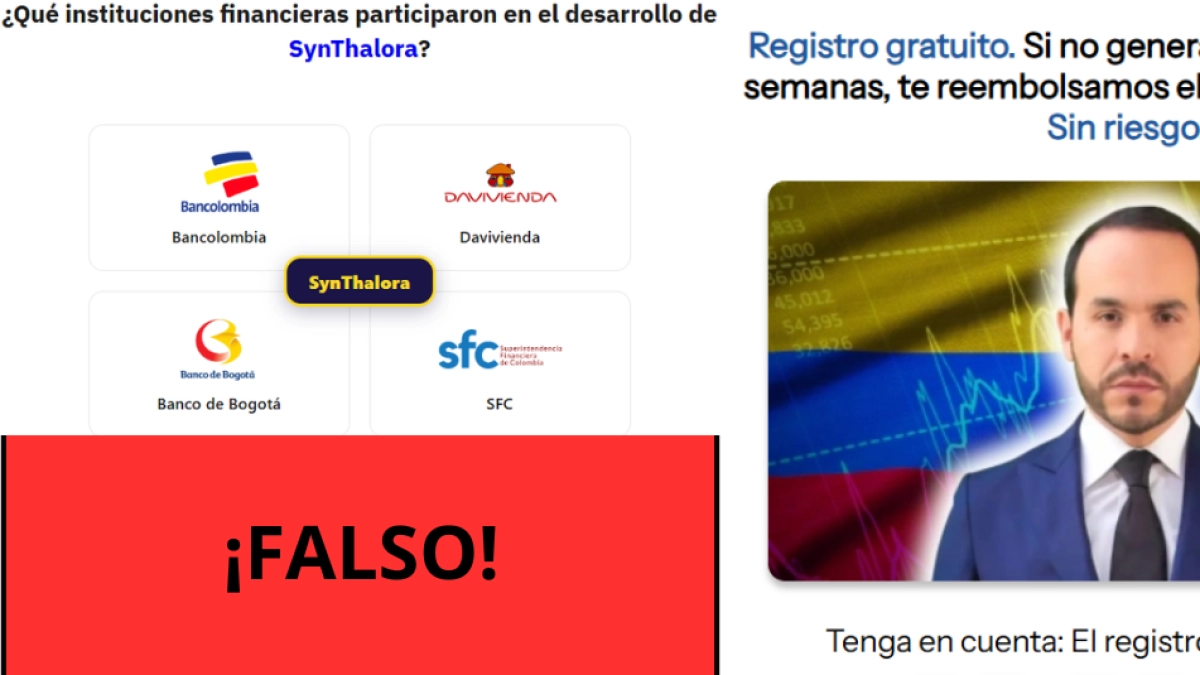
This fraudulent operation, orchestrated through a deceptive platform branded as "SynThalora," represents a sophisticated evolution in social engineering. By mimicking the aesthetic, layout, and authoritative tone of EL TIEMPO, the perpetrators aim to manufacture a veneer of credibility, enticing citizens to invest their capital into a non-existent financial tool.
The Anatomy of the Deception: Main Facts
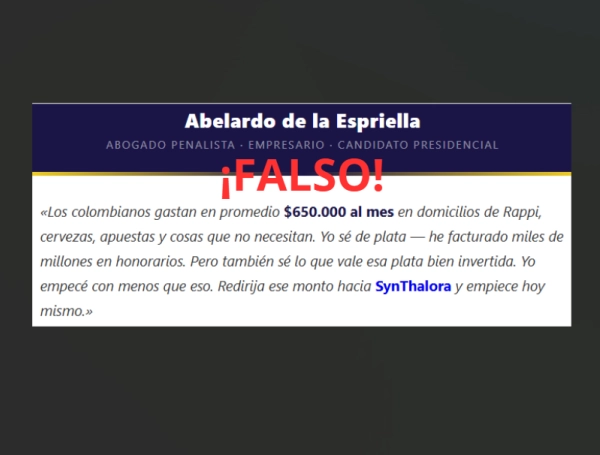
The scam operates through a series of interconnected web portals designed to mimic the infrastructure of a legitimate news outlet. The core of the deception is a fabricated interview, featuring a purported conversation between a reporter from this news organization and Abelardo De La Espriella.

In this falsified narrative, the scammers claim that Mr. De La Espriella—leveraging his dual background as a distinguished attorney and successful businessman—is endorsing "SynThalora." The platform promises astronomical, unrealistic returns: specifically, an income of $13,000,000 COP per week, requiring no prior experience or specialized knowledge.
The modus operandi relies on a psychological trigger: the exploitation of trust. By placing their "news" within a framework that visually mimics EL TIEMPO—using stolen logos, identical typography, and the journalistic style characteristic of this editorial house—the criminals hope to bypass the critical scrutiny of the average reader.

Chronology of the Scam: How the Trap is Set
The progression of this digital fraud follows a well-defined cycle designed to ensnare victims through a funnel of misinformation:
- The Hook (Social Media Outreach): The campaign begins with sponsored or organic posts on social media platforms, often using clickbait headlines that promise financial freedom or link to "secret" investment methods allegedly revealed by celebrities.
- The Landing Page (The Impersonation): Users are redirected to a spoofed version of EL TIEMPO. This site is carefully curated to look like a legitimate article, complete with fake bylines, fabricated comments sections, and high-resolution images of public figures.
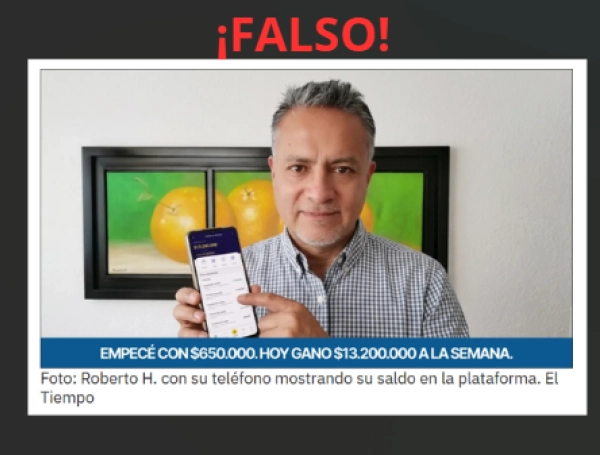
- The "Validation" Phase: The content includes manufactured testimonials from "satisfied users" who claim to have already withdrawn large sums of money. This social proof is intended to create a false sense of security.
- The Financial Demand: Once the user is convinced of the legitimacy of the "opportunity," they are prompted to register on the SynThalora website. The scammers then mandate an initial "investment" or "activation fee" of $650,000 COP.
- The Ghosting: Once the funds are transferred, the platform either locks the user out of their account, presents endless technical errors, or simply disappears entirely, leaving the victim with no recourse and the loss of their initial capital.
Supporting Data and Fabricated Alliances
The sophistication of this specific campaign lies in its attempt to legitimize its operations by citing prominent Colombian financial institutions. The fraudulent site claims that SynThalora is not only approved by the relevant authorities but that it operates in direct partnership with leading banks.
The scammers allege that:
- Bancolombia provided the underlying technological infrastructure for the platform.
- Davivienda contributed its expertise in asset management for individual investors.
- Banco de Bogotá provided oversight to ensure compliance with the regulatory standards of the Superintendencia Financiera de Colombia and the Banco de la República.
These claims are categorically false. There is no such partnership, and these banking institutions have no connection to the SynThalora platform. The inclusion of these names is a classic technique used to provide a sense of "regulatory safety" to victims who might otherwise be wary of investing in a new, unknown website.

The Broader Implications of Digital Identity Theft
This incident is not an isolated event but rather part of a growing trend in Colombia and Latin America. As artificial intelligence and image-generation tools become more accessible, the ability of criminal groups to clone websites and deepfake public figures has reached unprecedented levels.
The consequences are twofold:
- Financial Erosion: Individuals, often those seeking supplemental income in a challenging economic climate, are stripped of their savings, sometimes resulting in catastrophic personal financial outcomes.
- Institutional Erosion: By abusing the reputation of established media houses like EL TIEMPO, these criminals actively undermine the public’s trust in journalism. When users are frequently exposed to "fake news" that looks identical to the real thing, it contributes to a broader atmosphere of skepticism and misinformation, which is detrimental to a healthy democratic society.
Official Responses and Protective Measures
EL TIEMPO has formally denounced these activities. We reiterate that we have no connection to "SynThalora" or any other financial scheme of this nature. This editorial house does not, and will not, endorse specific investment platforms that promise high returns for low effort, nor do we host such content on our digital platforms.
How to Protect Yourself:

- Check the URL: Scammers often use domains that are slightly different from the official site (e.g., changing ".com" to ".net" or adding extra letters). Always verify you are on the official
eltiempo.comdomain. - Beware of "Too Good to Be True" Offers: Any platform promising millions of pesos per week with "no experience" is almost certainly a scam.
- Verify Official Channels: If you see an article that looks suspicious, check the main page of the newspaper. If the news is not featured there, it is likely a spoof.
- Do Not Share Financial Data: Never enter credit card information or perform bank transfers on websites linked from suspicious social media advertisements.
- Report the Fraud: If you encounter these sites, report them to the social media platform where you found them and file a formal complaint with the authorities (such as the CAI Virtual of the Colombian National Police).
Conclusion: A Call for Vigilance
The digital landscape is a place of immense opportunity, but it is also a theater for those who wish to do harm. The recent campaign involving the misappropriation of our brand and the image of Mr. De La Espriella serves as a stark reminder of the need for critical consumption of information.
The battle against these criminal networks requires constant vigilance. EL TIEMPO remains committed to investigating and exposing these fraudulent actors. We urge our readers to remain skeptical of any "get-rich-quick" scheme that attempts to leverage the credibility of reputable institutions.

In an era where technology allows for the rapid creation of deceptive content, the most effective tool against fraud is the informed citizen. Always verify, never rush into financial commitments based on online testimonials, and rely solely on verified, official communication channels.
Stay informed with the latest, verified news by following our official social media accounts on Facebook and Twitter, or by subscribing to our weekly newsletter for curated, reliable content delivered directly to your inbox.