By Juan Pablo Penagos Ramírez Political Desk Updated: September 11, 2026
Main Facts
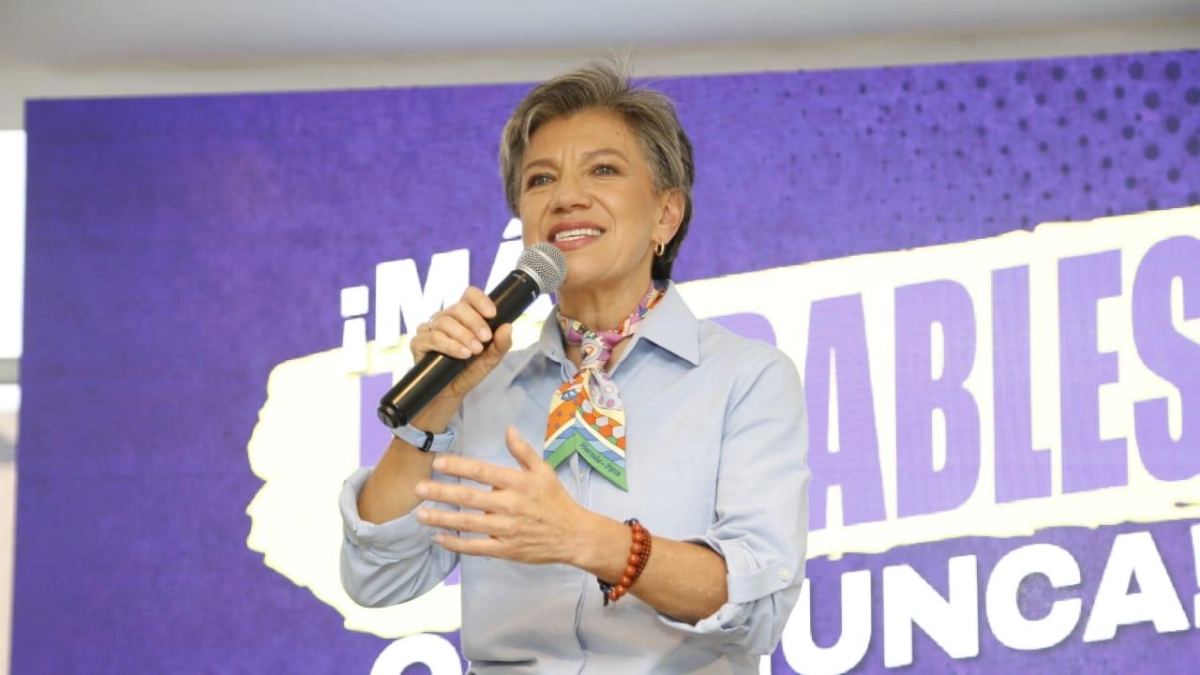
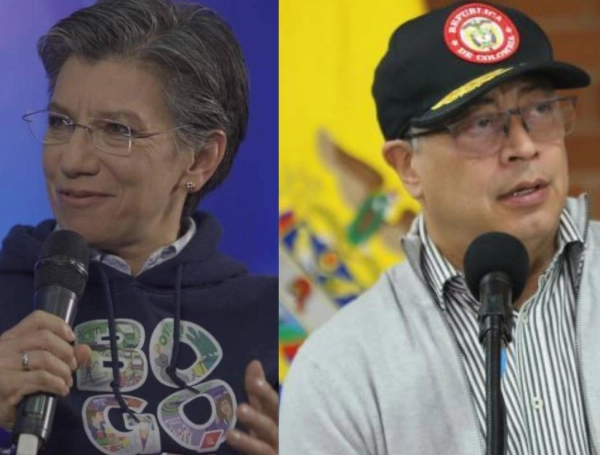
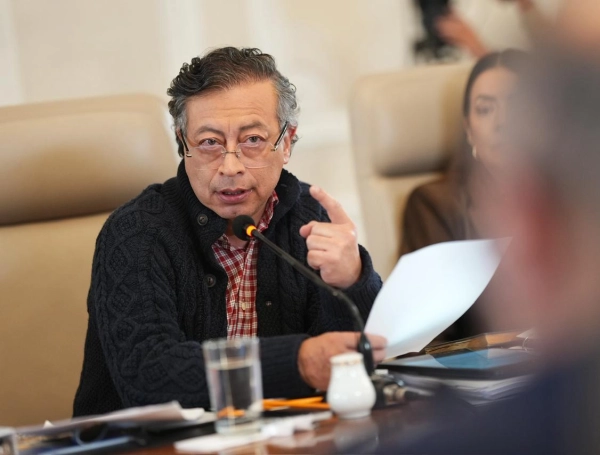
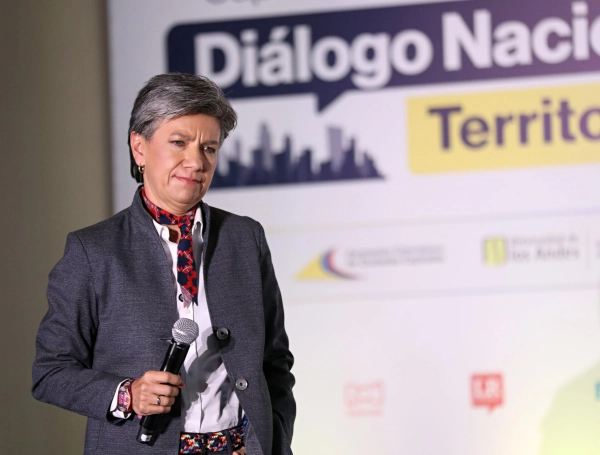
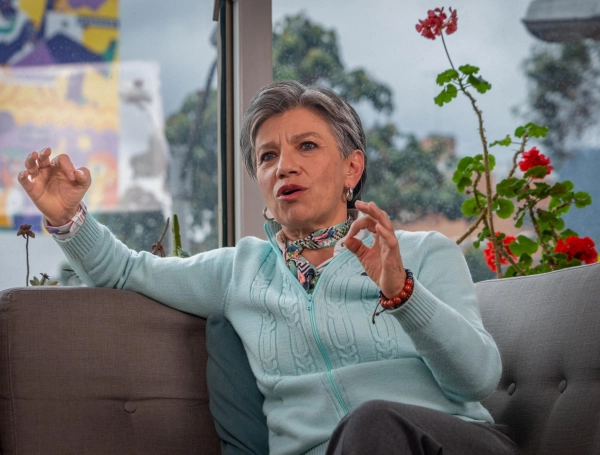
Pestered by years of public bitter rivalries, accusations of corruption, ideological clashes, and a history of mutual betrayal, former Colombian President Gustavo Petro and former Bogotá Mayor Claudia López have crossed political lines to share a cup of coffee. The meeting, which quickly became the epicenter of national political debate, serves a distinct strategic purpose: exploring a potential political alliance ahead of the crucial regional and local elections scheduled for October 2027.
For the Colombian left, the meeting is viewed as a foundational stone—an effort to construct a formidable containment wall against the rising influence of President Abelardo De La Espriella and the potential consolidation of his movement across the nation’s territories.
For Petro, who remains the undisputed leader of a fragmented opposition struggling to recover from the electoral defeat of Iván Cepeda, the encounter represents a continuation of his pragmatic strategy. He aims to prevent the left from retreating into isolated radicalism, preferring instead to broaden its political spectrum to maintain long-term competitiveness. For López, whose political capital took a hit following her latest electoral ventures, the dialogue opens a pragmatic pathway to ensure her continued relevance on the national stage.
However, this newfound dialogue has triggered immediate friction. It has sparked intense questioning from both sides of the political spectrum, reviving ghosts of past administrative clashes, institutional feuds, and allegations of clientelism that once drove a wedge between the two prominent leaders.
Chronology of a Volatile Relationship
To understand the weight of a simple cup of coffee between Petro and López, one must retrace a history defined by shifting alliances, deep-seated ideological friction, and public vitriol:
2018: Claudia López publicly backs Gustavo Petro’s presidential bid, lending her centrist-progressive capital to his campaign. Their alignment, however, proves short-lived.
2020–2023 (The Mayoral Term): As Mayor of Bogotá, López frequently locks horns with President Petro (and later, members of his administration) over major urban projects. The most notable flashpoint centers on the construction of Bogotá’s metro system—López fiercely defends the elevated design, while Petro champions a subterranean alternative.
The Cabinet Clashes: Tensions peak during a televised Council of Ministers when Petro publicly asserts that López had betrayed him on multiple occasions, remarking, "There is no woman who has betrayed me more than her." López fires back, claiming Petro betrayed the millions of citizens who trusted his promise of change.
The Legal Counteroffensive: During her subsequent electoral campaigns, López formally files a complaint before the Investigation and Accusation Commission of the House of Representatives against Petro, accusing him of illicit interference in politics (participación indebida en política).
The Green Alliance Split: López becomes a primary promoter of the fracture within the Green Alliance party. She publicly lambustes the party directorate, accusing the Petro administration of subverting its foundational "Mockusian" values through clientelism and corruption.
September 2026: Following a period of significant political realignment and electoral defeats for the traditional left, Petro and López meet privately to test the waters for a 2027 electoral coalition.
Supporting Data and Political Context
The geopolitical landscape of Colombia has shifted dramatically, creating the pressures that forced this unlikely rapprochement. The traditional center has lost momentum, squeezed between an entrenched institutional and emerging right-wing bloc led by President Abelardo De La Espriella, and a progressive left striving to reinvent itself after the defeat of Iván Cepeda in national contests.
According to political analysts, both figures are operating out of severe political necessity.
The Left’s Electoral Anxiety: The left’s performance in the 2023 regional elections, particularly in the capital, exposed deep vulnerabilities. Progressivism has struggled to capture local governance outside its historical bastions, making strategic recruitment of prominent figures like López a matter of survival.
López’s Strategic Isolation: Having alienated major conservative and traditional right factions during her tenure, and having broken decisively with the centrist establishment, López faces a narrowing path for her political future.
The Split Within the Green Alliance
López’s decision to converse with Petro has cost her internal allies. Representative Catherine Juvinao, one of the few remaining congressional figures in the Green Alliance closely aligned with the former mayor, openly expressed her dissent:
"To Claudia, always my respect and affection. But I cannot betray the people who re-elected me precisely because I dissociated myself from a Petro-led leftist project that is absolutely corrupt, authoritarian, and mediocre."
Conversely, the "pure-blood" (purasangre) faction of petrismo has not forgotten López’s aggressive opposition during her mayoralty. Carlos Carrillo, a prominent leftist voice, did not mince words:
"It was Claudia López who burned the bridges; her acolytes attacked the Historic Pact project without mercy, and particularly President Petro. Welcome the antifascist bloc, but with clear rules, not with closed-door meetings behind the backs of the rank and file. Bogotá does not forget how antipopular López’s mayoralty was."
Official Responses and Perspectives
Faced with inevitable internal backlash, both leaders and independent analysts have defended or scrutinized the motives behind the meeting through various lenses:
Claudia López: Pragmatism Over Dogmatism
Conscious of the immediate criticism, López defended her move by arguing that immediate survival against a dangerous ideological opponent supersedes past grudges.
"Despite all his errors, particularly his lack of transparency and abuse of power from government, they are not equivalent ideological extremes or equivalent visions of the country… What we have in front of us is a mafiosonga, authoritarian, and fascist right that denies the people and their rights," López stated.
Regarding the path forward for the 2027 local elections, she emphasized that simple photo-ops or recycled coalition slogans will not suffice:
"They talk about the alliance for life, but I believe we need to turn the page on the campaign. If maintaining that framework were enough, they would have won. It is not just about a name, but about devising a true strategy. We must be assertive."
Academic and Analytical Assessments
Political scientists and analysts interviewed regarding the meeting view the encounter through a framework of cold, electoral calculation:
Jorge Andrés Rico (Political Analyst): Attributes the meeting to a mix of “political incoherence and extreme flexibility,” noting that López recognizes she has no viable home on the right or the center, forcing her to court the only sector capable of keeping her relevant in the national power structure.
Gonzalo Araújo (Political Analyst): Points out the pragmatic nature of both actors. He describes Petro as acting like a quintessential populist leader consolidating regional progressive movements under his umbrella, while López bides her time, hoping for the center to eventually recover its footing.
Sebastián Bitar (Professor, Universidad de los Andes): Highlights the move as an explicitly electoral maneuver. With progressivism reeling from recent legislative and executive losses, the left is actively scouting for heavy-hitting leadership options—such as a potential mayoral or presidential run by López down the line. However, Bitar notes: “Until now, it is only a photo; we are not talking about defined campaigns yet.”
Implications for Colombia’s Political Future
The Petro-López meeting is much more than a routine coffee date between former adversaries; it is a symptom of a fluid, volatile political ecosystem where traditional ideological purism is increasingly being sidelined in favor of raw electoral arithmetic.
Redrawing the 2027 Electoral Map: If Petro and López manage to cement a working coalition or non-aggression pact for the upcoming regional and local elections, it could dramatically reshape electoral dynamics in major urban centers like Bogotá, preventing the consolidation of President De La Espriella’s political apparatus.
Fracturing the Center-Left and Center-Right: The outreach threatens to further fracture moderate political parties. Figures like Catherine Juvinao demonstrate that the anti-petrista identity remains a core emotional and ideological anchor for a significant segment of the electorate that refuses to ally with the left.
The Re-invention of Claudia López: For López, the gamble is immense. By opening dialogues with her former nemesis, she risks alienating her core centrist base. Yet, if the alliance succeeds in carving out a dominant anti-right front, it could position her once again as a central power-broker in national politics, keeping alive her aspirations for future high office.
As Colombia moves closer to the 2027 regional contests, the coffee shared between Gustavo Petro and Claudia López serves as an early indicator that in Colombian politics, yesterday’s irreconcilable enemies can quickly become today’s most necessary bedfellows.
Bogotá, Colombia – July 21, 2026 – In a significant political development just weeks before a change of presidential guard, Andrés Idárraga, the Secretary of Transparency of the Presidency of Colombia, submitted his "irrevocable" resignation…
By Raúl Andrés García Suárez / Breaking News Desk Updated: November 11, 2026, 6:45 PM EST Main Facts In a decisive move to mend frayed international ties, Colombian Foreign Minister Omar Bula has issued a…
By Global Policy & Latin America Desk Updated: September 29, 2026 Introduction: A Collision Course in Colombia’s Post-Conflict Landscape Nearly a decade after the historic 2016 peace accord between the Colombian government and the now-defunct…