By Edwin Caicedo, Environmental and Health Correspondent
September 28, 2026
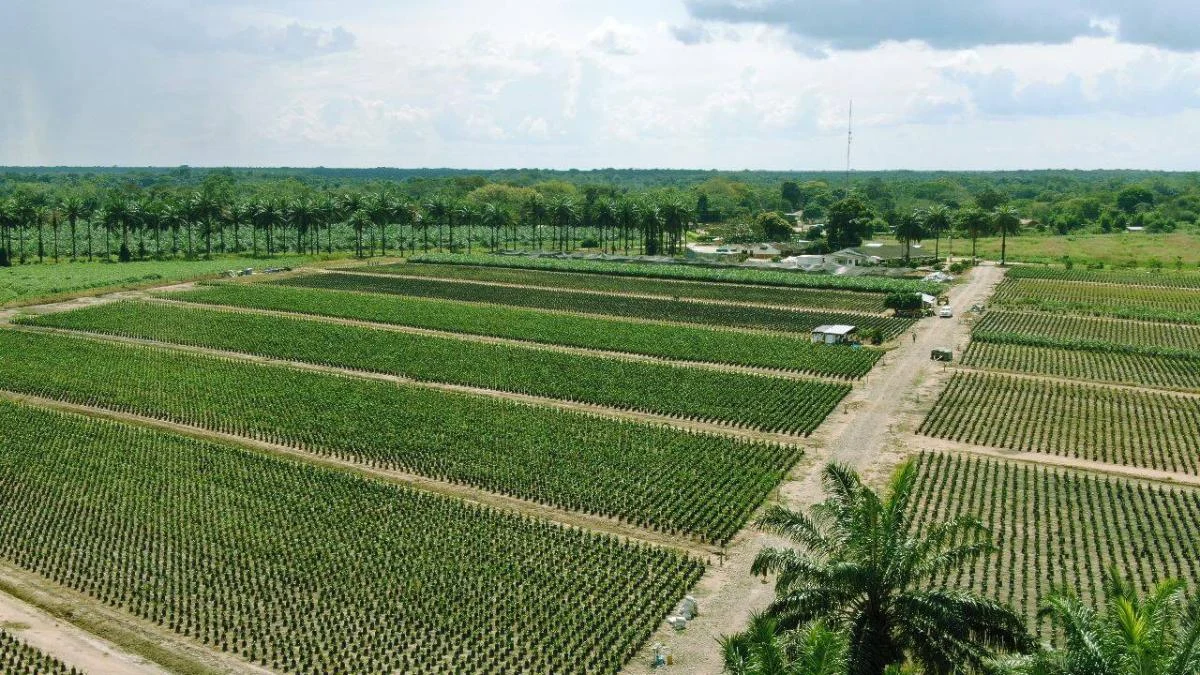
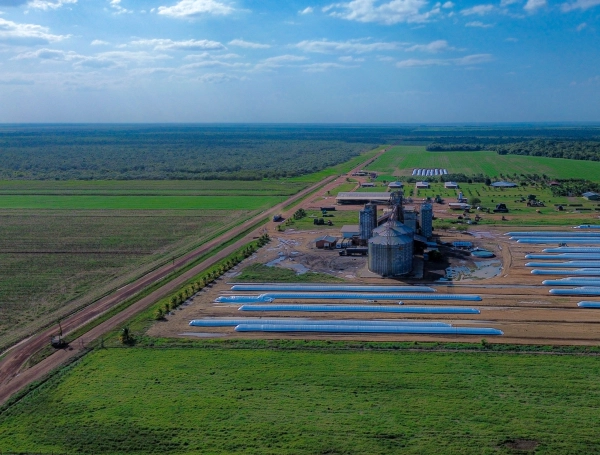
The vast plains of the Colombian Orinoquía stand at a critical crossroads. As one of the nation’s primary agricultural engines, the region is responsible for a staggering 53% of the country’s rice production, 46% of its palm oil, and 28% of its cattle inventory. Yet, beneath these productive fields lies a geological treasure: 41% of Colombia’s total groundwater reserves.
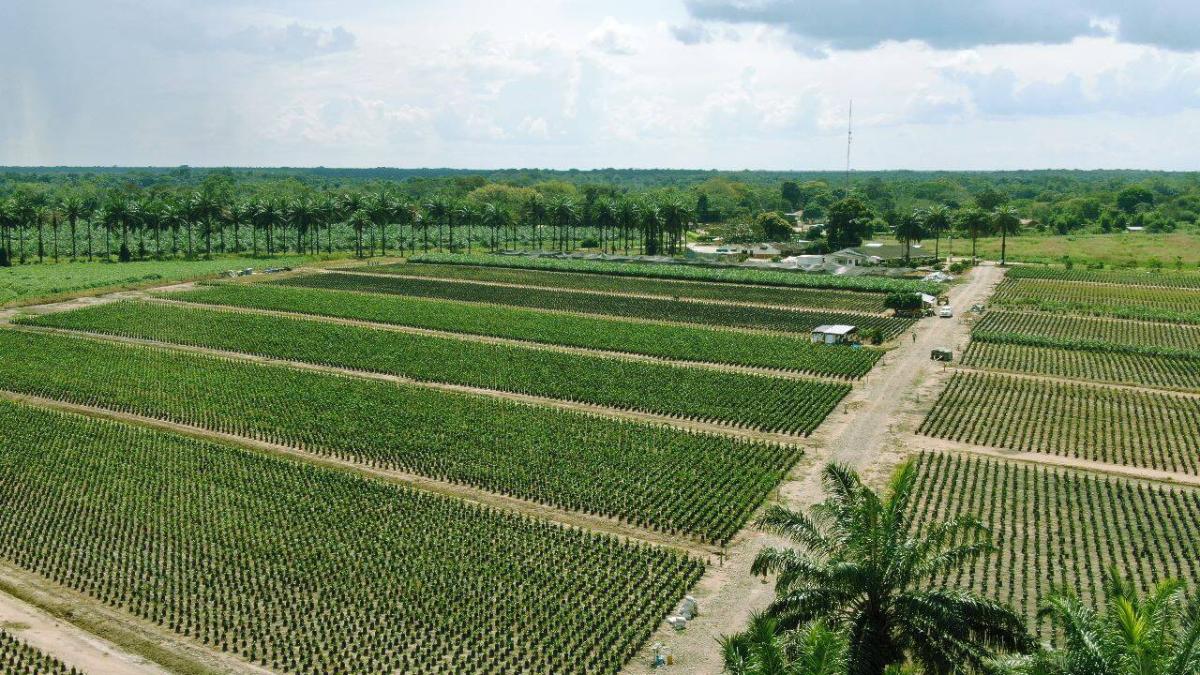
For decades, the expansion of the agricultural frontier has often been viewed as a zero-sum game, pitting economic output against ecological integrity. However, The Nature Conservancy (TNC) Colombia is spearheading a transformative initiative, Orinoquía Foodscape, which aims to dismantle this dichotomy by proving that regenerative agricultural practices, water security, and biodiversity protection are not only compatible but mutually reinforcing.
The Core Challenge: Reconciling Production with Preservation
The Orinoquía is a strategic landscape of immense complexity. Its role as a national food basket is undeniable, but its ecosystem services—ranging from carbon sequestration to water filtration—are under significant strain. Traditional farming and livestock methods, often reliant on intensive land use, have contributed to habitat fragmentation and the degradation of critical watersheds.

"The production of food and the conservation of the landscape have not historically advanced in an integrated manner in the Orinoquía," explains Antonio Solarte, leader of TNC Colombia’s Sustainable Productive Systems team. "The fundamental challenge is to align these two forces so they move in the same direction, ensuring that the natural capital upon which agriculture depends is not eroded."
The global context adds urgency to this local effort. As climate change accelerates, Latin America faces increasing pressure to maintain its status as a global food supplier while grappling with rising temperatures, erratic rainfall, and the loss of biodiversity. TNC argues that the conventional model of horizontal expansion—clearing natural ecosystems to create more pasture or cropland—is reaching its ecological and economic limits.

Chronology and Evolution of the Strategy
TNC’s engagement in the region did not emerge in a vacuum; it is the culmination of over a decade of scientific observation and field collaboration.
- 2015–2018: Diagnostic Phase. TNC began comprehensive mapping of the region, identifying the intersection between high-value agricultural zones and high-risk hydric areas. This period focused on establishing a baseline for biodiversity and water table health.
- 2019–2022: Pilot Implementation. Small-scale trials of regenerative livestock management were introduced in Meta and Casanare. These pilots demonstrated that improved rotational grazing not only increased soil carbon content but also improved the profitability of local cattle operations.
- 2023–2025: Scaling the "Foodscape" Model. The strategy shifted from individual farm projects to a landscape-level approach. This involved the integration of supply chain partners, including major agribusinesses, to ensure that sustainability incentives reached the producers at the base of the pyramid.
- 2026–Present: Regional Integration. Current efforts are focused on policy advocacy, linking the Orinoquía Foodscape model to national land-use planning and international sustainability certifications.
Supporting Data: A Landscape of Ambitious Targets
The Orinoquía Foodscape initiative is not merely conceptual; it is anchored in quantifiable, time-bound objectives that serve as the yardstick for its success. By the end of this decade, TNC has committed to a series of bold environmental and social targets:
Environmental Targets
- Conservation of 1.8 million hectares of terrestrial ecosystems.
- Protection of 1.5 million hectares of wetlands and floodplains.
- Restoration and protection of 41,600 kilometers of riparian corridors and river systems.
- Carbon Mitigation: The initiative aims to avoid, reduce, or sequester 500,000 tons of CO2 equivalent per year.
Social and Economic Impact
- Climate Adaptation: Strengthening the resilience of 252,000 people living in the region.
- Economic Empowerment: Creating better livelihood opportunities and sustainable income streams for 6,500 rural producers.
These figures illustrate a departure from traditional "fenced-in" conservation. Instead of isolating land, TNC is intervening in the productive matrix of the region, emphasizing that the health of the farmer is intrinsically linked to the health of the soil and the water.
Official Responses and Strategic Pillars
The TNC strategy rests on four distinct pillars that facilitate the transition to a regenerative model:

- Technical Assistance: Deploying experts directly to the field to train producers in silvopastoral systems, integrated crop-livestock management, and precision agriculture.
- Green Financing: Collaborating with financial institutions to lower interest rates for projects that demonstrate verifiable sustainability outcomes, thereby reducing the risk for farmers adopting new, greener technologies.
- Supply Chain Alliances: Engaging with corporations in the palm oil and beef sectors to create "premium" markets for sustainable products, ensuring that the consumer ultimately pays for the ecosystem services provided by the farmer.
- Policy Alignment: Working with local governments to integrate these sustainability criteria into municipal and departmental land-use policies, creating a legal framework that encourages long-term stewardship.
Implications for the Future of Colombian Agriculture
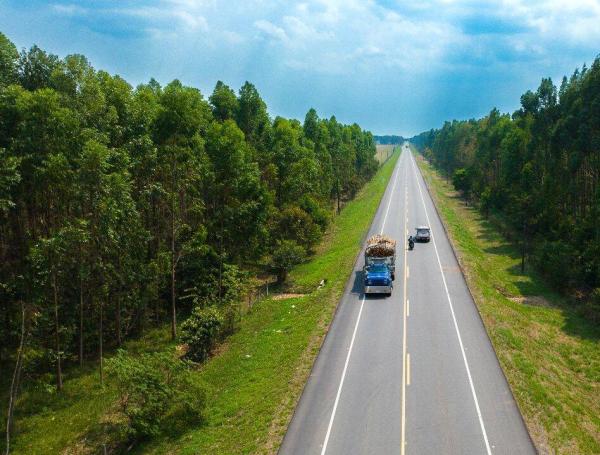
The move toward regenerative agriculture in the Orinoquía carries profound implications for the national economy. As international markets—particularly in Europe and North America—implement stricter regulations regarding "deforestation-free" supply chains, Colombian producers face a critical test.
"The return for the producer does not end in the environmental sphere," notes Solarte. "The transformation of our supply chains is a matter of national competitiveness. By adopting these standards now, we are future-proofing the Colombian agricultural sector against the volatility of international trade barriers that will inevitably favor sustainable practices."
A Model for Latin America
The Orinoquía is being viewed by TNC as a "living laboratory." The lessons learned here—how to reconcile the needs of large-scale commodity producers with the requirements of fragile ecosystems—are intended to be exported to other regions of Latin America. The challenge of balancing the "food-water-biodiversity" nexus is not unique to Colombia; it is the central question for the future of global food security.
Addressing the Climate Crisis
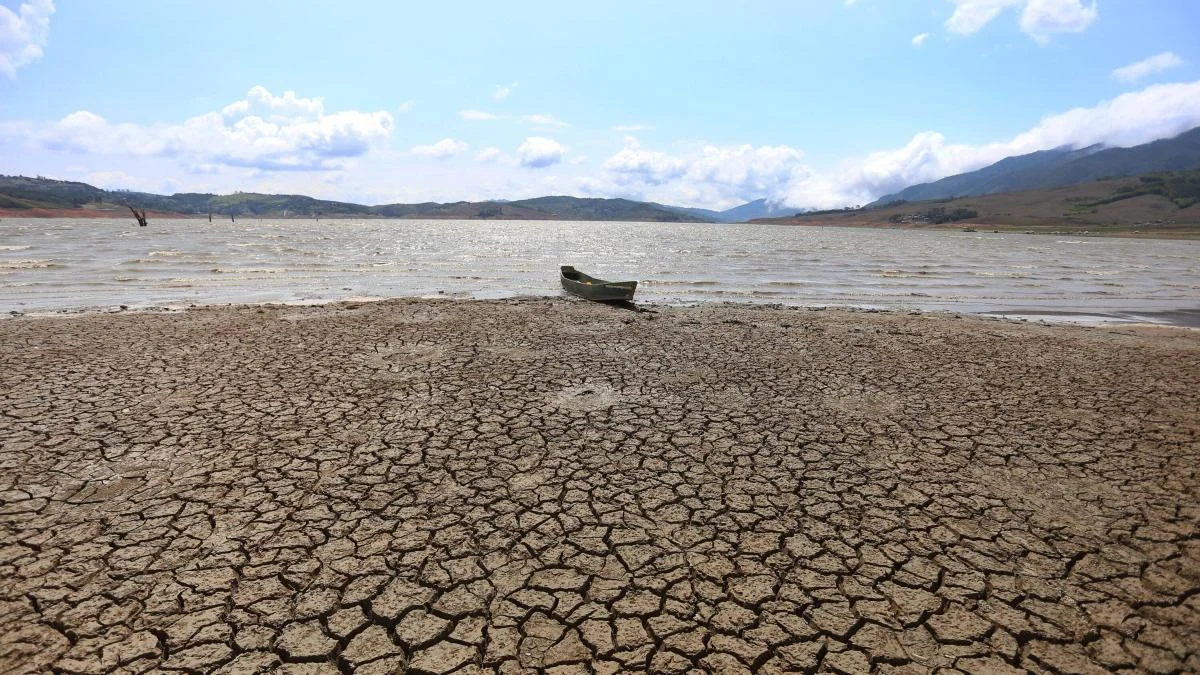
The agricultural sector is often cited as a significant contributor to global greenhouse gas emissions, primarily due to land-use change. By shifting toward regenerative practices, the Orinoquía has the potential to transform from a carbon source into a significant carbon sink. The integration of trees into pastureland and the preservation of wetlands serve as natural buffers against the droughts and floods that have become increasingly common in the region.

Conclusion: The Path Forward
The Orinoquía Foodscape initiative underscores a vital shift in the conservation narrative: the realization that the most effective way to protect the wild is to make the cultivated land more productive and resilient.
As the project enters its next phase, the focus will shift toward scaling these successes to ensure that the transition is not limited to early adopters, but becomes the standard across the entire region. The alignment of government policy, private sector investment, and local community knowledge remains the essential formula for success.

"The future of agriculture in Colombia requires that governments, the private sector, and producers work in the same direction," Solarte concludes. "The decisions we take today, from the boardroom to the farm fence, will define the stability of our region and the security of our food supply for generations to come."
With the Orinoquía serving as a pilot for this grand transition, Colombia is signaling that it is prepared to lead the way in demonstrating that sustainable, regenerative, and highly productive agriculture is not a contradiction, but an absolute necessity for the 21st century.