By Edwin Caicedo
Environment and Health Journalist
Updated October 29, 2026
Main Facts
In a decisive move that reshapes the nation’s fiscal and environmental landscape, the government has introduced sweeping modifications to its green taxation framework as a core component of the newly proposed Economic Rescue Act. The initiative charts a distinct, two-pronged trajectory: it aggressively ramps up economic pressure on greenhouse gas emitters by steadily increasing the national carbon tax, while simultaneously repealing the controversial levy on single-use plastics implemented under the 2022 tax reform.

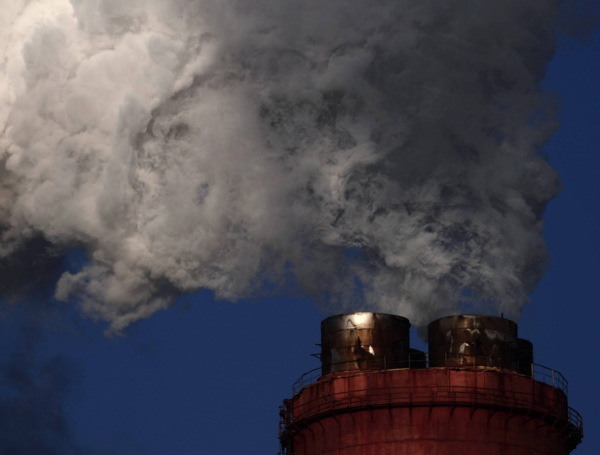
According to the Ministry of Finance’s exposition of motives, the current carbon pricing structure lacks the bite necessary to genuinely accelerate the transition toward a low-carbon economy. To correct this, the state plans to scale up the tax per ton of carbon dioxide equivalent ($textCO_2texte$) progressively between 2027 and 2029, after which rates will be indexed annually to the Tax Value Unit (UVT). Furthermore, the proposal seeks to harmonize pricing across various fossil fuels—such as diesel and natural gas—to ensure that the economic penalty aligns more accurately with the volume of emissions generated.

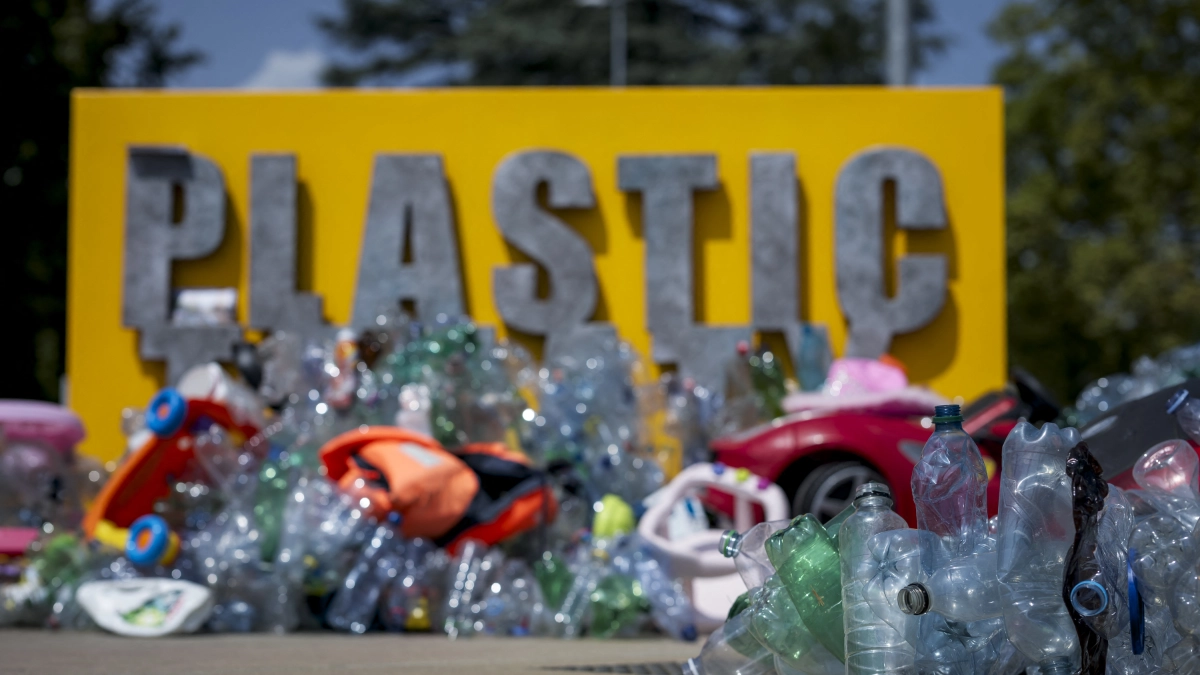
Conversely, the executive branch has opted to dismantle the national tax on single-use plastic products used for packaging, wrapping, and boxing goods. Despite generating notable revenue—bringing in approximately 65,000 million pesos in 2024 and 82,000 million pesos in 2025—the Ministry argues that the administrative burdens, ambiguities in base-tax calculations, and high fiscalization costs outweigh its benefits. Crucially, the government asserts that dedicated environmental statutes, such as Law 2232 of 2022 and extended producer responsibility mandates, already provide a robust, non-fiscal regulatory shield against plastic pollution.

Chronology of Environmental Taxation
To understand the weight of the current legislative proposal, it is essential to trace the evolution of green fiscal policies over the past decade. Environmental taxation has transformed from a theoretical policy discussion into an active instrument of statecraft, marked by several critical milestones:

- 2016 (The Genesis of Carbon Pricing): The national carbon tax is officially established, creating the framework to penalize the consumption of carbon-based fossil fuels according to their greenhouse gas emission potentials. While groundbreaking for the region, initial rates are widely considered conservative.
- 2018–2019 (A Global Wake-Up Call): Atmospheric concentrations of carbon dioxide ($textCO_2$) shatter previous historical records, surpassing 407.8 parts per million (ppm)—a staggering 147% increase over pre-industrial levels dating back to 1750. Environmental pressures mount on governments to deploy stronger market-based deterrents.
- Late 2022 (The Comprehensive Reform): Congress passes Law 2277 of 2022, which dramatically reshapes the country’s tax code. This reform amends the original carbon tax mechanics and introduces an entirely new mechanism: a national tax on single-use plastics used for packaging and commercial distribution. Simultaneously, broader plastic reduction mandates take root through complementary legislative pathways.
- 2024–2025 (The Plastic Tax in Practice): During its first two full years of collection, the single-use plastic tax brings in a combined total of roughly 147,000 million pesos ($65,000$ million in 2024; $82,000$ million in 2025). However, businesses and tax authorities alike grapple with complex implementation hurdles, ambiguous definitions of taxable items, and high compliance monitoring costs.
- October 2026 (The Economic Rescue Act): The government officially files the new fiscal adjustment bill. It maps out a roadmap to tighten carbon taxation from 2027 to 2029 while officially repealing the single-use plastic tax, marking a profound philosophical pivot in how the state chooses to combat waste versus emissions.
Supporting Data and Financial Metrics
A rigorous examination of the data underpinning the Economic Rescue Act reveals the contrasting economic realities of carbon emissions versus plastic waste management.
Carbon Tax Projections and Adjustments
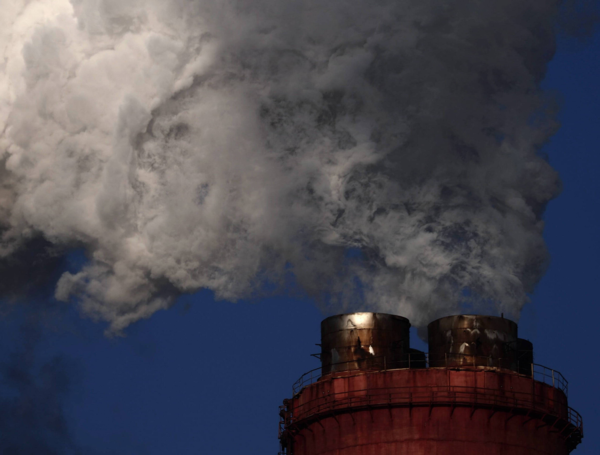
- The Trajectory: Under the new proposal, the tax per ton of $textCO_2texte$ will see phased, compounding increases starting in 2027, culminating in structural adjustments by 2029 that tie future hikes directly to the fluctuating UVT.
- The Carbon-Neutral Incentive: To prevent penalizing avant-garde sustainable industries, the draft bill introduces a major relief valve. Corporations that can rigorously certify their production cycles as carbon-neutral will see their applicable tax rate slashed from 50 percent down to 25 percent, provided they satisfy strict verification metrics.
- Harmonizing Energy Sources: Disparities in how diesel and natural gas are taxed will be systematically ironed out. By eliminating regulatory loopholes between these fuels, the government aims to close off escape hatches for high-emitting industrial sectors.
Single-Use Plastic Revenue vs. Administrative Reality
- Recent Yields: Official data underscores that the plastic tax yielded 65,000 million pesos in 2024 and 82,000 million pesos in 2025.
- Fiscal Share: Despite generating nearly 147,000 million pesos over a 24-month span, the Ministry of Hacienda highlights that these funds represent a minute fraction of overall national tax collection.
- Compliance Costs: The administrative overhead required by tax authorities to audit thousands of small and medium-sized enterprises over plastic packaging definitions proved disproportionately high relative to the revenue collected.
Official Responses and Ministerial Arguments
The rationale driving these dual policy shifts reflects a pragmatic, albeit controversial, reassessment of state intervention tools.

The Ministry of Hacienda has defended the carbon tax hikes by emphasizing that market signals must reflect the true ecological cost of burning fossil fuels. Without continuous, predictable upward pressure on carbon pricing, heavy industries will lack the economic impetus required to overhaul their infrastructure and invest in cleaner technologies. The argument is simple: make pollution increasingly expensive so that decarbonization becomes the rational financial choice.
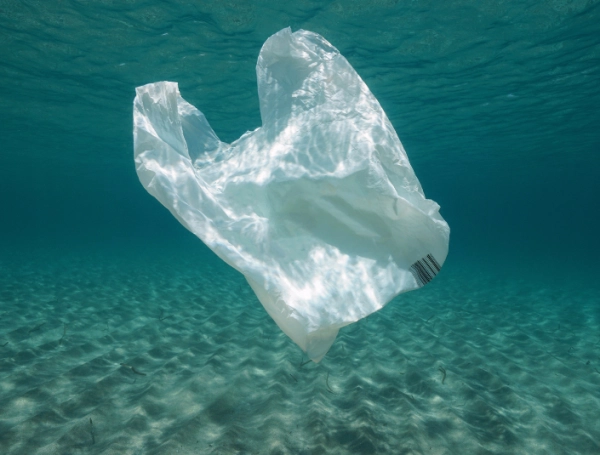
On the other hand, the justification for repealing the plastic tax rests on an institutional philosophy of regulatory efficiency. The government maintains that trying to police single-use plastics through the tax code has created a redundant bureaucratic apparatus. Instead, the administration points to Law 2232 of 2022—which lays out a strict, phased-out prohibition of specific single-use items—as well as Extended Producer Responsibility (EPR) frameworks. These regulatory instruments force manufacturers to manage the end-of-life cycle of their packaging directly, bypassing the complications of collecting a fiscal levy.

Implications of the Fiscal Overhaul
As a journalist observing these structural shifts, the Economic Rescue Act presents a fascinating paradox: while the state is tightening the screws on invisible chemical pollution in the atmosphere, it is simultaneously stepping back from direct fiscal intervention regarding tangible solid waste on our streets and in our oceans.

1. Accelerating the Energy Transition
By raising the carbon tax and tightening the rules around carbon-neutral certifications, the government is sending a clear, unambiguous message to the energy, transportation, and manufacturing sectors. Corporations can no longer treat carbon emissions as a negligible operational expense. However, the success of this policy will depend entirely on how swiftly clean technologies and alternative energy infrastructures can scale to meet industrial demand. If taxes rise faster than technological alternatives become available, the policy risks acting merely as an inflationary pressure rather than a transition catalyst.

2. A Gamble on Regulatory Substitution
Repealing the tax on single-use plastics represents a calculated gamble. Critics may argue that removing a financial deterrent sends the wrong message to consumers and corporations addicted to disposable packaging. However, proponents contend that command-and-control regulations—such as outright bans on specific items and mandatory corporate recycling quotas—are inherently more effective than fiscal levies that companies often simply absorb and pass on to the final buyer.

Ultimately, the burden of proof now shifts to the Ministry of Environment and regulatory agencies. They must demonstrate that existing laws like Law 2232 can pick up the slack left by the disappearing tax, ensuring that the nation does not experience a resurgence in plastic pollution under the guise of fiscal simplification.