By Katherine Bravo Hernández
Digital Reach Redaction, EL TIEMPO
Updated: October 29, 2026
Main Facts
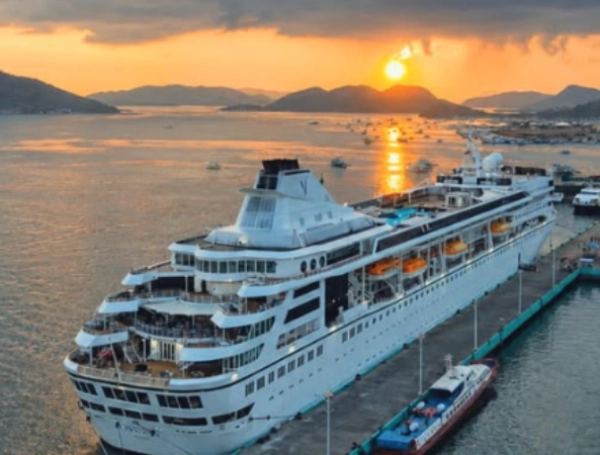
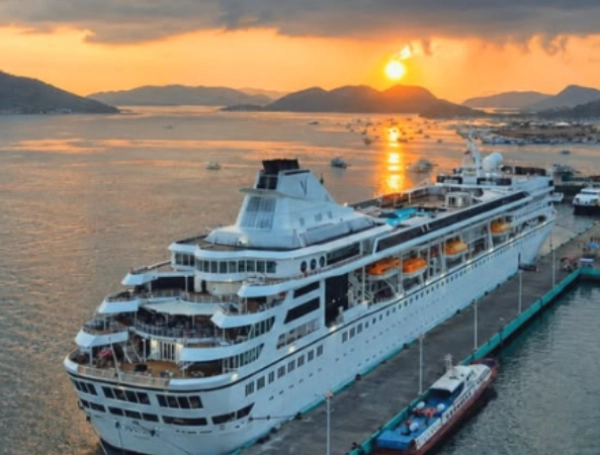
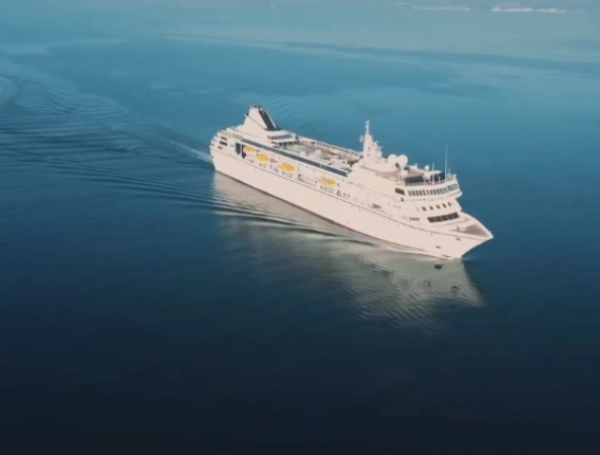
The ambitious dream of a continuous, multi-year global voyage came to a grinding halt in Southeast Asia, leaving more than 200 passengers stranded in Cambodia. The Villa Vie Odyssey, a luxury residential cruise ship operated by Villa Vie Residences, abruptly suspended its round-the-world itinerary after more than 750 days at sea. The primary catalyst for the shutdown was an unsustainable surge in operational expenditures—specifically, skyrocketing fuel costs that rendered the ongoing voyage financially unviable.
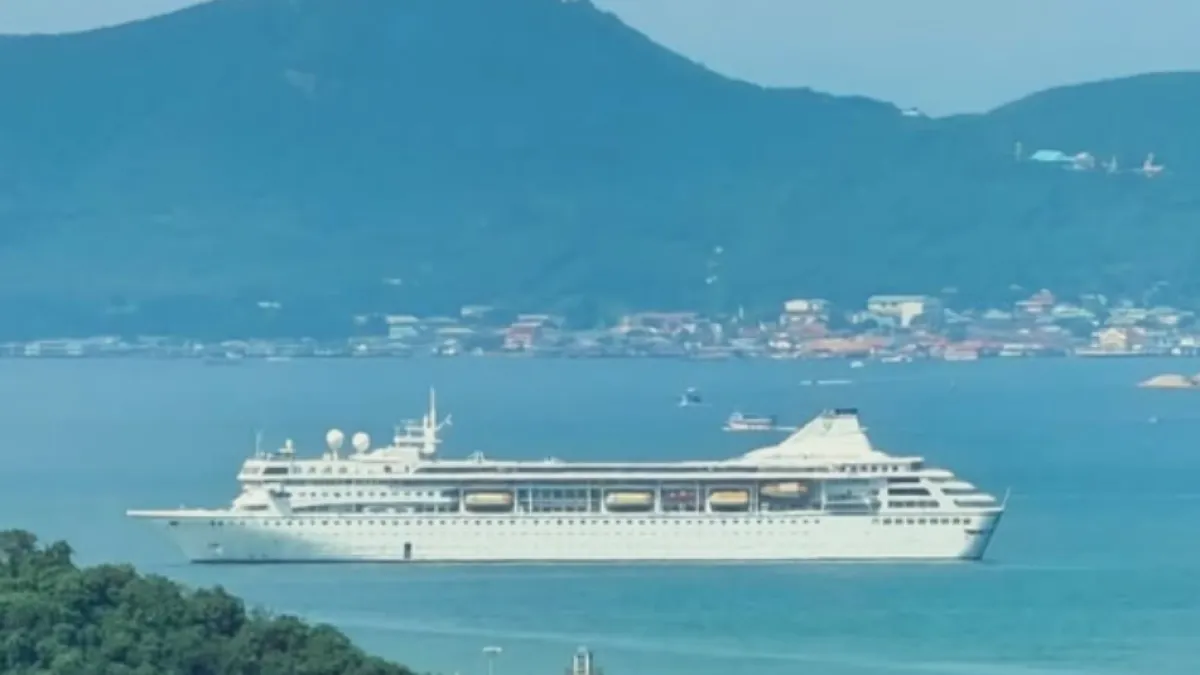
The ship originally set sail from Belfast, Northern Ireland, in October 2024, promising an epic three-and-a-half-year journey across approximately 150 countries. However, mounting macroeconomic pressures, compounded by severe spikes in fuel pricing across various Asian transit zones, forced the operating company to pull the plug on the voyage while it attempts a radical corporate and financial restructuring.
Passengers, many of whom had sold their land-based homes and invested life savings into purchasing or leasing cabins aboard the vessel, were ordered to disembark on short notice. They now find themselves grappling with an uncertain future, temporary lodging in Cambodia, and the wreckage of a maritime adventure that promised an idyllic retirement or remote-work lifestyle.

Chronology of a Voyage Interrupted
October 2024: The Grand Departure
The Villa Vie Odyssey departed with great fanfare from Belfast, Northern Ireland. Designed to appeal to affluent retirees, digital nomads, and long-term travelers, the concept was simple yet revolutionary: instead of booking a standard two-week vacation, passengers could buy cabins outright or sign long-term leases to live permanently at sea as the ship circumnavigated the globe. The mapped-out route promised a comprehensive exploration of 150 countries over 42 months (three and a half years).
2024–2026: Early Turbulence and Resource Management
As the ship pressed forward, completing over 750 days of its anticipated schedule, internal pressures began to mount. The global maritime shipping and cruise sectors faced recurring inflationary pressures, supply chain bottlenecks, and volatile petroleum markets. To mitigate these rising costs, Villa Vie Residences initially implemented conservative operational adjustments. The company deliberately slowed the ship’s cruising speed and extended stays at various ports of call to burn less fuel and minimize transit expenses. Despite these measures, the widening gap between operational revenue and expenses proved insurmountable.
Late October 2026: The Breaking Point in Cambodia
The crisis culminated while the vessel was docked in Cambodia. Citing insurmountable financial hurdles, company leadership made the decision to halt the voyage entirely. Passengers were officially notified of the suspension and given strict, sudden windows to vacate their floating homes. According to accounts from travelers, instructions to disembark were issued rapidly—forcing passengers off the ship within a tightly restricted window on a Tuesday morning—leaving them stranded in foreign ports while management entered a critical 60-day window to seek emergency financial restructuring.
Supporting Data: The Economics of a Floating Neighborhood
To understand the magnitude of the Villa Vie Odyssey collapse, one must examine the staggering financial architecture underpinning modern residential cruising. Living aboard the ship was a high-stakes financial commitment:
- Cabin Ownership Costs: Travelers seeking permanent ownership of a private stateroom on board were required to invest between US$120,000 and US$440,000 (approximately $379 million to $1.391 billion Colombian pesos), depending on the size, location, and amenities of the cabin.
- Rental and Lease Options: For those who preferred not to buy outright, monthly leasing models were available at approximately US$3,500 per month (roughly $11.1 million Colombian pesos), granting access to standard onboard services, meals, and global transit.
- The Fuel Price Shock: The immediate trigger for the collapse was the exponential jump in petroleum expenses. Company disclosures revealed that the monthly cost of fuel per cabin skyrocketed from US$1,800 (about $5.7 million Colombian pesos) to an astronomical US$8,000 (approximately $25.3 million Colombian pesos) in specific operational zones across Asia.
Faced with these figures, corporate management calculated that absorbing the deficit internally was impossible, while passing the entirety of the fuel hikes directly onto the resident-passengers would breach contractual expectations and price out the vast majority of travelers.
Official Responses and Stakeholder Perspectives
Company Stance: The Search for a Financial Lifeline
In official communications, Villa Vie Residences acknowledged the gravity of the situation, noting that passing the full weight of the fuel inflation onto residents was "not a realistic solution." The company announced a strict 60-day moratorium dedicated entirely to resource acquisition, investor outreach, and financial reorganization. However, management maintained a sobering level of transparency with its clientele, openly warning that "no result is guaranteed," leaving the ultimate fate of the vessel and its future sailings hanging in the balance.
Passenger Accounts: Disillusionment and Hopes for a "Miracle Investor"
For the individuals who liquidated their earthly possessions to move aboard, the sudden disruption was both emotionally and logistically devastating.
Passengers Lanette Canen and Johan Bodin spoke candidly about receiving the abrupt order to pack up and leave the ship. They were instructed to begin disembarking at 6:00 a.m. on a Tuesday, with a hard deadline of 2:00 p.m. to clear the vessel. Despite sensing the underlying financial volatility for weeks, the couple admitted they remained tethered to optimism: "We kept waiting for a miraculous investor to show up."
Another passenger, Holly Hennessey, noted that the writing had been on the wall for some time. Travelers had previously been approached regarding potential fuel surcharges, and the original itinerary had already been dramatically trimmed down in an effort to cut corners. Following the sudden eviction, Hennessey and many of her fellow travelers found themselves temporarily sheltered in local Cambodian hotels, forced to map out alternative living arrangements while awaiting definitive news from the corporate office.
Implications of the Collapse
The suspension of the Villa Vie Odyssey sends shockwaves through the emerging niche of residential cruising and long-term maritime living. Several critical takeaways emerge from this crisis:

- Vulnerability of Fixed-Price Models in Volatile Markets: Residential cruise companies operate on delicate financial margins. Unlike traditional cruise lines that hedge fuel costs years in advance or pass short-term spikes onto weekly vacationers, residential operators dealing in multi-year or permanent contracts face immense structural rigidity when global energy markets spike.
- Regulatory and Consumer Protection Voids: Passengers who invest hundreds of thousands of dollars into shipboard real estate often occupy a murky legal grey area. They are neither traditional tenants with standard real estate protections nor typical cruise passengers protected by standard short-term consumer rights. This incident highlights the urgent need for international maritime legal frameworks to protect long-term sea-dwellers.
- The Future of the "At-Sea" Lifestyle: While concepts like the Villa Vie Odyssey tap into a growing demographic of location-independent professionals and adventurous retirees seeking an alternative to land-based nursing homes or traditional mortgages, this failure serves as a cautionary tale. Future ventures in residential cruising will likely face heightened skepticism from consumers, steeper financial vetting requirements, and much tighter contingency reserves to survive macroeconomic shocks.
As Villa Vie Residences navigates its critical 60-day restructuring window, hundreds of displaced voyagers remain in limbo across Southeast Asia, waiting to discover whether their multi-year odyssey is truly over or if a last-minute financial rescue will allow them to cast off once again.