By Raúl Andrés García Suárez / Breaking News Desk
Updated: November 11, 2026, 6:45 PM EST
Main Facts
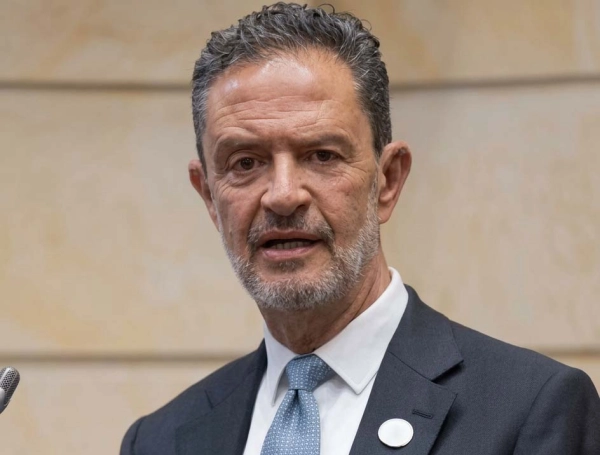
In a decisive move to mend frayed international ties, Colombian Foreign Minister Omar Bula has issued a formal, public apology to the leaders of the United States Democratic Party. The diplomatic outreach comes in the wake of the consequential U.S. midterm elections held on Tuesday, November 3, 2026, which resulted in a sweeping victory for the Democrats, granting them total control over both chambers of the U.S. Congress and shifting key state governorships.
Following the landslide electoral shift, political analysts and critics in Colombia resurfaced archival posts and messages from Minister Bula’s personal social media accounts. These past publications featured harsh attacks against prominent Democratic figures, written in a tone that critics argued was profoundly adversarial.
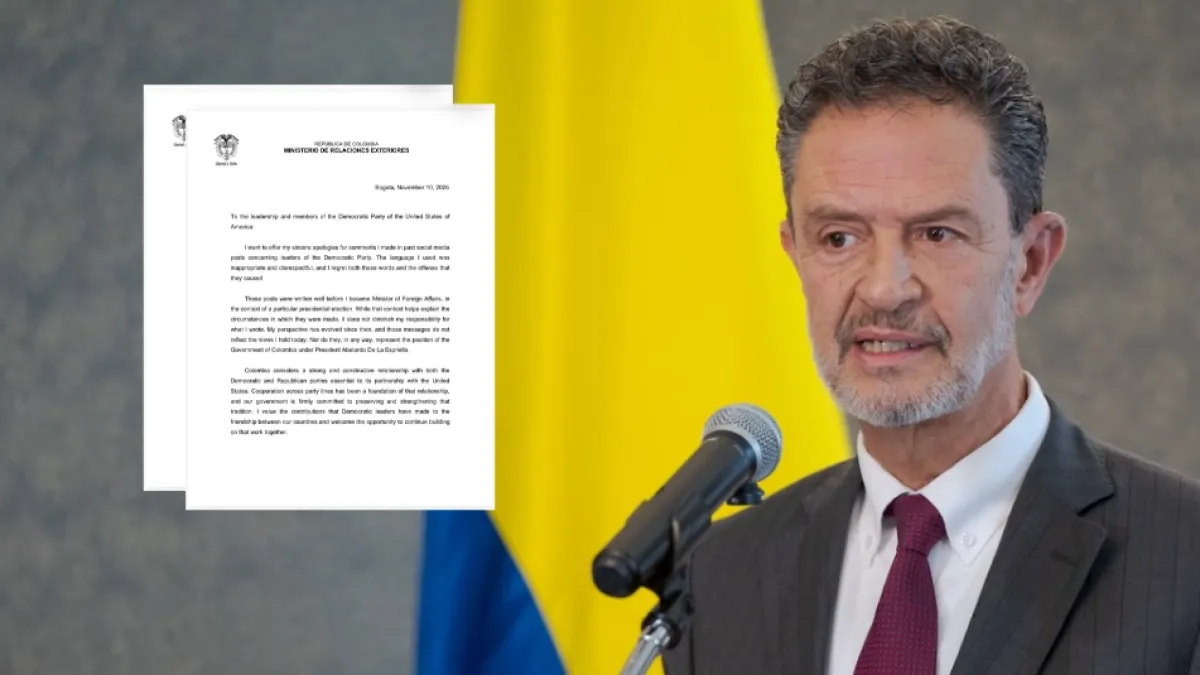
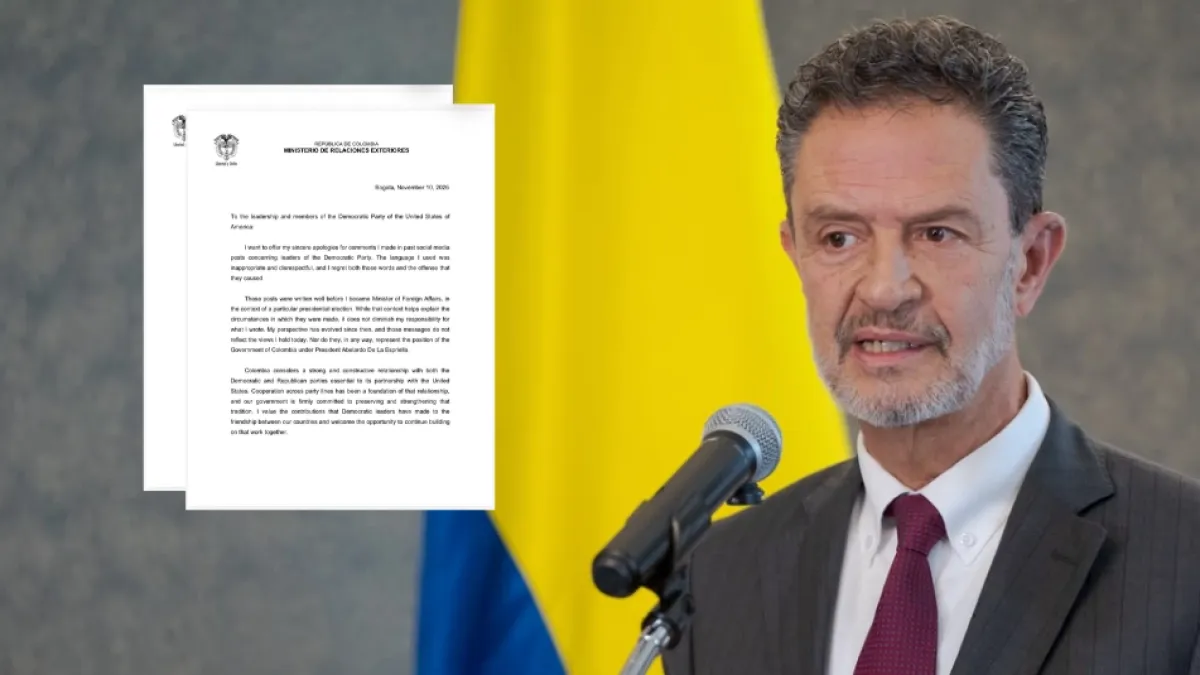
Recognizing the potential fallout these legacy remarks could pose for contemporary bilateral relations, Bula addressed the leadership of the U.S. Democratic Party directly in English. He conceded that the language he had previously employed was "inapropiado e irrespetuoso" (inappropriate and disrespectful) and expressed deep regret for any friction or damage those statements may have caused.

The Foreign Minister emphasized that the remarks were made during a specific past electoral cycle before he assumed his current ministerial office. However, he stopped short of using this as an excuse, accepting full accountability for his historical footprint. Bula affirmed that his perspectives have evolved significantly and that those old declarations do not reflect his current worldview, nor do they represent the foreign policy stance of Colombian President Abelardo De La Espriella’s administration.
Chronology of Events
To fully understand the gravity of Minister Bula’s recent diplomatic outreach, it is essential to trace the sequence of events leading up to the current geopolitical adjustment:

- Pre-2026 (The Campaign Era): Operating as a private citizen and political commentator, Omar Bula frequently engages in fiery political discourse on social media, targeting various international figures, including members of the U.S. Democratic Party, amid polarizing electoral debates.
- Late 2025 – Early 2026: Omar Bula is appointed as Colombia’s Minister of Foreign Affairs under the administration of President Abelardo De La Espriella. The government sets a primary objective of reaffirming a solid, non-partisan relationship with Washington.
- November 3, 2026: The United States holds its critical midterm elections. Bucking historical trends for the party in the White House, the Democratic Party sweeps the congressional races, securing outright majorities in both the Senate and the House of Representatives, while also capturing critical governorships in historically contested states like Texas.
- November 4–7, 2026: In the immediate aftermath of the U.S. vote, Colombian media outlets and political opponents quickly dredge up Bula’s old social media posts attacking Democrats. Former diplomats and political experts begin publicly debating the viability of Colombia’s diplomatic strategy under the weight of the Foreign Minister’s digital past.
- November 11, 2026: Facing mounting pressure and recognizing the strategic imperative of working seamlessly with the newly empowered U.S. Congress, Foreign Minister Bula releases an official letter of apology in English addressed to the leadership of the Democratic Party, followed by a broader public address reiterating the Colombian government’s commitment to strict bipartisanship.
Supporting Data: The 2026 U.S. Midterm Landscape
The political earthquake in Washington that forced Bogotá’s hand was historic in scope. Driven largely by voter dissatisfaction with the radical immigration policies enacted by the administration of President Donald Trump and the controversial fallout from military conflicts abroad—specifically the ongoing war with Iran—the American electorate decisively shifted the balance of power on Capitol Hill.
According to certified election returns, the final composition of the U.S. government for the final two years of the presidential term stands as follows:
1. The United States Senate
- Democratic Party: ~54 seats (secured working control)
- Independent Caucuses: 2 seats
- Republican Party: 44 seats
2. The United States House of Representatives
- Democratic Party: 255 seats (clear majority)
- Republican Party: 168 seats
3. State Governorships
- Democratic Party: 28 states (including crucial pickups in states like Texas)
- Republican Party: 20 states
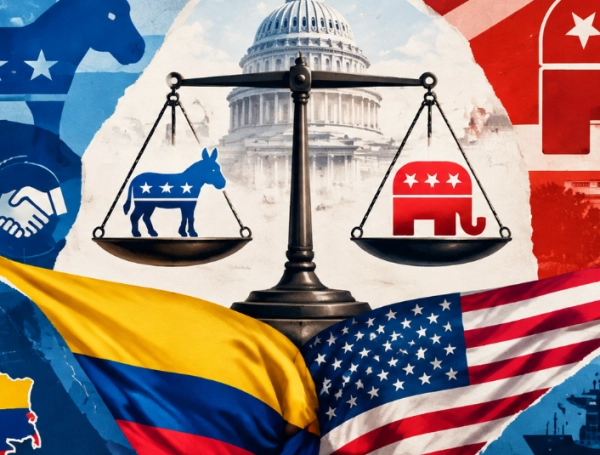
This overwhelming realignment meant that any future legislative cooperation, funding approvals, trade pacts, and security packages involving Colombia would have to clear congressional committees chaired and populated entirely by the very Democratic leaders Bula had previously criticized online.
Official Responses and Ministerial Statements
In his official communication to Washington, Minister Bula emphasized that the structural partnership between Colombia and the United States transcends transient political personalities and partisan cycles.
"Quiero ofrecer mis más sinceras disculpas por los comentarios que hice en publicaciones pasadas en redes sociales sobre líderes del Partido Demócrata," Bula wrote in his English-language letter, adding that he deeply regrets the negative impact of those texts.
The Chancellor elaborated that since taking office, his governance philosophy has strictly adhered to an agenda of institutional diplomacy. He noted that he has consistently advocated for a balanced, bipartisan approach, publishing numerous statements over the past year that align with the current administration’s diplomatic line.

"La relación entre Colombia y los Estados Unidos merece continuidad y cuidado, y debe basarse en el respeto mutuo y el bipartidismo. Debemos esforzarnos por mantenerla, independientemente de las diferencias políticas y los ciclos electorales. Ofrezco esta disculpa con ese espíritu y espero seguir fortaleciendo nuestro diálogo y cooperación," Bula stated in his concluding remarks.
President Abelardo De La Espriella’s administration has quietly backed the Foreign Minister’s preemptive strike against potential diplomatic frostiness. Government spokespersons have repeatedly reiterated that Colombia views a strong, constructive relationship with both the Democratic and Republican parties as an indispensable cornerstone of its foreign policy doctrine in the Western Hemisphere.
Implications for U.S.-Colombia Relations
The swift containment strategy deployed by Minister Bula highlights several critical implications for the future of foreign affairs in the region:
The Imperative of Digital Hygiene for Public Officials
The controversy underscores a modern reality for contemporary politicians: the permanence of the digital record. Statements made during private or partisan phases of a career inevitably shadow individuals when they ascend to high public office. Bula’s proactive apology is seen by crisis management experts as a textbook maneuver to neutralize a political landmine before it could manifest into formal diplomatic friction or result in stalled bilateral initiatives in Washington.
Navigating a Divided Washington
With Republicans holding the executive branch under President Trump, yet Democrats exercising total legislative dominance in Congress, Colombia faces a uniquely fractured American political apparatus. Bogotá cannot afford to alienate Capitol Hill. Legislative oversight, aid packages, counternarcotics funding, and regional security cooperation all rely heavily on congressional authorization. By extending an olive branch to the Democrats, Bula has ensured that historical social media posts will not obstruct vital state-to-state communications.
Reaffirming Traditional Alliances
Despite ideological shifts in various Latin American nations over recent years, Colombia’s institutional framework has historically prioritized its alliance with the United States as a primary axis of national security and economic stability. By explicitly framing his apology around the preservation of this historic partnership, Bula is signaling to the international community that pragmatic statecraft supersedes personal political rhetoric.
As the dust settles on the 2026 U.S. midterms, the test of Bula’s sincerity will lie in the day-to-day diplomatic engagements between Bogotá and the newly minted Democratic leadership in Washington. For now, however, Colombia has successfully pivoted from potential diplomatic isolation to an actively repaired bridge across the political aisle.